PHOTO BY: STEVE FINN: Hoppers The Cookbook. The Book Launch Of Karan Gokani.
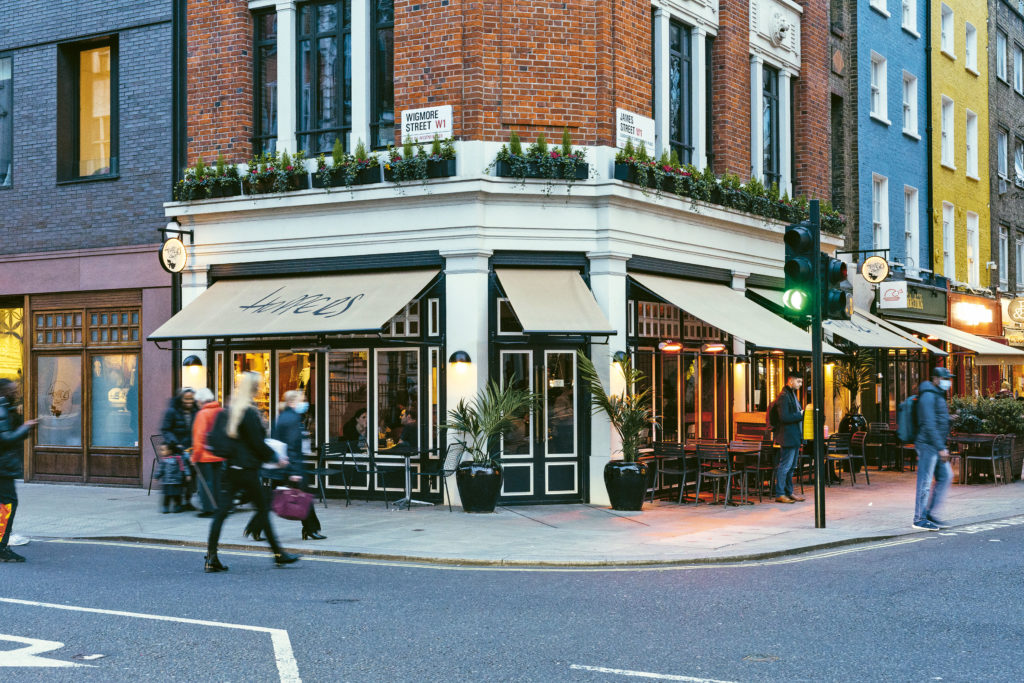
Hoppers shares the love and passion for Sri Lankan cuisine in which is now being cherished throughout the three restaurants located around London: Soho, Marylebone and King’s Cross. The face behind the name is none other than Karan Gokani, co-founder and creative director of Hoppers…a huge advocate for this delicious cookery.
The name ‘Hoppers‘ itself derives from the common dish of a bowl-like pancake made from coconut milk and rice flour. Also known as ‘Appams‘ this dish is enjoyed by many Sri Lankan’s and Southern Indians for breakfast or even dinner time!
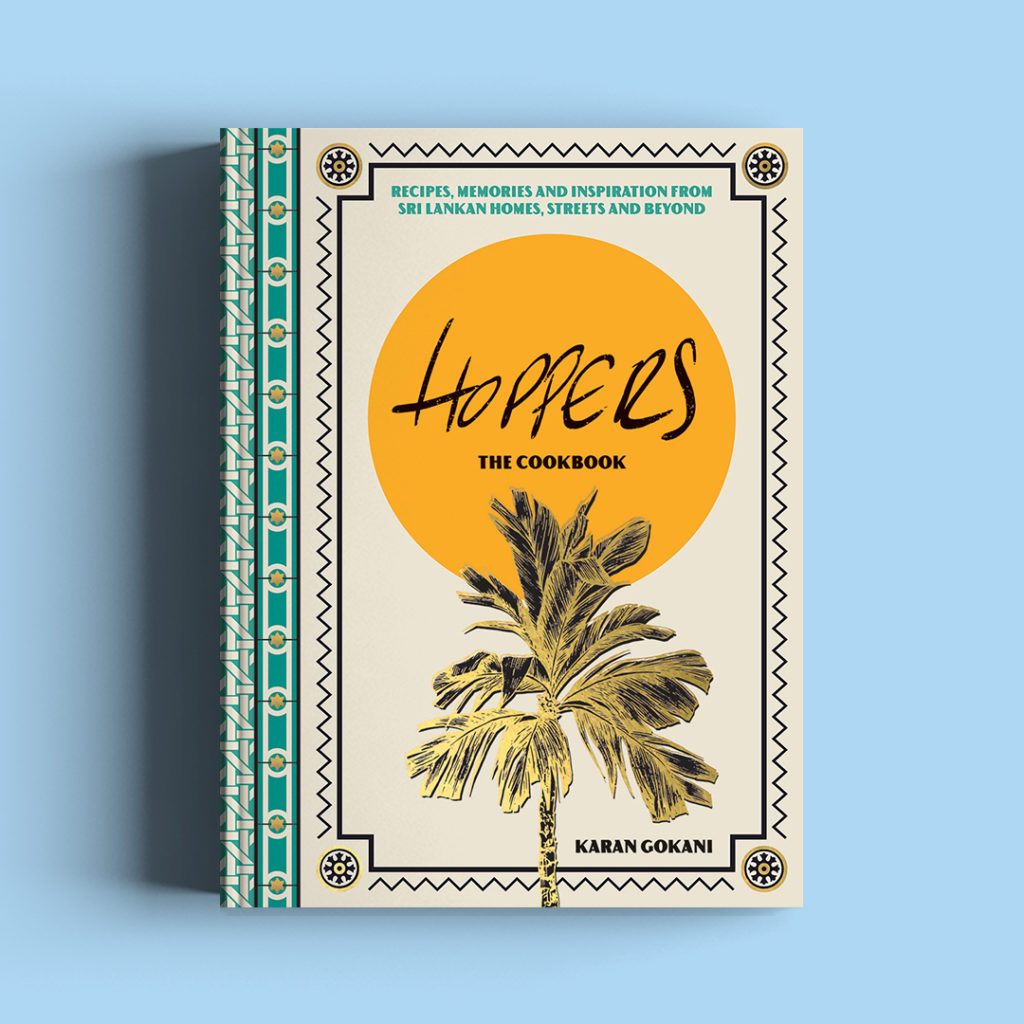
With seven years of great appreciation to the cuisine, Karan has finally released the debut ‘Hoppers: Cookbook’. Karan writes a story of personal memories, collections of the restaurant’s favourite recipes and stories through the many visits to Sri Lanka from when Hoppers was first conceptualised… Now, they get to share a little piece of this cuisine with you at home.
PHOTO BY: STEVE FINNS: Hoppers The Cookbook. The Book Launch Of Karan Gokani.
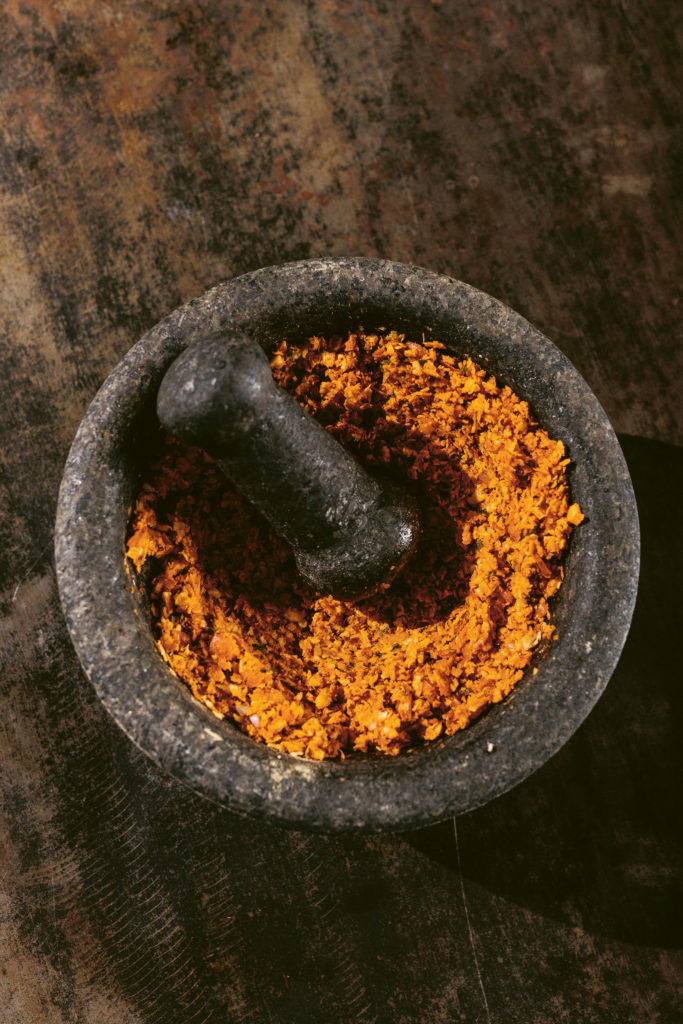
Within this cookbook, Maldon Salt is used for the creation of the deliciously good Pol Sambol. Sambols in general sit between a relish and a salad, where raw ingredients are pounded with chilli flakes to be served as a condiment.
Make sure to use a pestle and mortar for this dish, as the pounding of the ingredients will break up the cells and release intensified flavours!
80g (2¾oz) Thai shallots (or 50g/1¾oz Indian onion), Finely Chopped
100g (3½oz) Fresh Coconut, Grated
Juice of 1 Lime
Method:
Grind the black peppercorns, chilli flakes, Maldive Fish Flakes and Maldon Salt in a pestle and mortar until you have a coarse red powder.
Add the green chillies and shallots and pound the mixture with the pestle until the ingredients start to break up into a rough paste.
Add the grated coconut and continue to pound and stir until everything is well mixed and bright red. Add the lime juice gradually and taste as you go, you might not need it at all. This is best eaten straight away, but any extra sambol can be stored in the fridge for up to 2 days.
PHOTO BY: STEVE FINN: Hoppers The Cookbook. The Book Launch Of Karan Gokani.
We love seeing your creations you dish up on Instagram! Tag us using #maldonsalt so we can see your culinary concoctions come to life when you add a sprinkle of our salt.
The infamous French salad tossed in a flavoursome dressing that will impress your guests. Instead of using the typical tuna fish, we have used anchovies to give the dish a balance of umami and saltiness.
Wash and slice the tomatoes, toss them into a salad bowl and season with a pinch of Maldon Salt. Wash and dry the pepper and cucumber. Then, slice the pepper into thin strips, removing the stalk and pips as you go, and chop the cucumber into fine slices. Mix both in with the tomatoes.
Peel and chop the garlic clove and spring onion, add them to the salad bowl and throw in 2 pinches of Maldon Salt, 3-4 pinches of freshly ground pepper, and the vinegar. Mix well together.
Wash and dry the basil, remove the leaves from the stalk, chop them and add them to the salad dressing, along with the olive oil, then pour into the salad bowl.
Before serving, peel the eggs, cut each one into quarters and add to the salad with the anchovies.
The humble tomato salad with a twist! Adding sardines will give a smoky depth to the dish – the perfect accompaniment to a summer dinner party.
After washing and drying the tomatoes, chop each variety in a different way so they look more appealing (thicker cuts/thinner cuts), then simply season them with Maldon Salt and a dash of oil.
For this dish, the salad will be accompanied by smoked sardines, but it could also be seasoned with fresh herbs and served with a range of different ingredients. We are especially fond of combining tomatoes with tinned fish, whether oily, salted or smoked to give a underlying depth in flavour.
This simple yet delicious pasta salad is easy to make, perfect for the hot summer months when craving for something light but packed full of flavour.
Wash, dry and chop the tomatoes into eighths, place them in a salad bowl and season with Maldon Salt and pepper.
Add the drained mozzarella balls, olives, capers and chopped onion and drizzle with olive oil. Drain the anchovies and add to the mix. Wash and dry the basil and then remove the leaves from the stem.
Cook the pasta al dente in plenty of salted water, according to the instructions on the packet, then drain and cool under cold running water. Once fully drained, mix the pasta in with the rest of the ingredients in the salad bowl.
To plate up, place the anchovies on top, sprinkle on the pistachios and basil leaves and serve at room temperature.
This orange and carrot salad, paired with barbecue grilled halloumi creates the perfect salad for any summer dinner party!
Wash, dry and de-leaf the fresh mint. Set aside a few whole leaves and chop up the rest finely. Juice ½ a blood orange, filter out the excess bits/pips with a sieve, then season the juice with Maldon Salt and pepper. Add the olive oil, cumin and chopped mint and mix together well. Put this salad dressing in the fridge for later.
Cut the peel and pith away from the rest of the oranges with a very sharp knife until the pulp is completely clean. Cut each orange into segments and toss into a salad bowl. Using a vegetable peeler, finely shred the peeled carrots into the bowl, and add the olives and salad dressing together.
Chop the halloumi into thin slices, lightly brush with olive oil and then grill on the barbecue until golden on both sides. Serve together with the salad. Add a pinch of Maldon Salt for seasoning.
This samphire salad makes an elegant and delicious starter. Samphire is rich in vitamins and minerals and has a naturally fresh flavour. It pairs brilliantly with sweet crab, crunchy fennel, and peppery radish.
In a small bowl, make the dressing. Add the olive oil, the juice of ½ a lemon and 1 tbsp of cider vinegar. Add a good pinch of Maldon salt and some cracked black pepper before whisking together.
In a large serving bowl add the samphire, shredded fennel, radishes, herbs, and white crab meat. Drizzle over the dressing and toss so it is all well coated and combined. Finally zest over the remaining lemon and serve.
A beautiful seared steak salad recipe paired with the best in season purple sprouting broccoli and broad beans.
Preheat the oven to 180C.
Begin by cooking the steak. Make sure your meat is out of the fridge 30 minutes before you want to cook it, so it has time to come up to room temperature. Get a frying pan or griddle pan on the heat get it to a nice high heat. Drizzle some olive oil onto your steak and season generously with Maldon salt and cracked black pepper. Once the pan is nice a hot, place the meat in and allow it to sear and sizzle on one side first. Depending on the size of your steak this can take a good 5 minutes on each side. You want good, deep caramelization on all sides of the meat.
While the meat is cooking place the purple sprouting broccoli onto a baking tray and drizzle over some oil and a pinch of Maldon salt. Place the tray into the oven and roast the broccoli for 10 – 12 minutes until tender and starting to char slightly.
Once the steak is cooked to your liking – we’ve served it medium rare here – remove from the pan and leave it to rest on a chopping board. The resting time is key! It helps keep all the cooking juices to stay absorbed inside before slicing.
While your meat rests, prepare the rest of the salad. Place the olive oil in a small bowl and mix with the chopped parsley and coriander, the diced red chilli and some Maldon salt and cracked black pepper. Set this dressing aside.
On a large platter scatter over the wild rocket. Next top this with the roasted broccoli and the blanched broad beans.
The meat will be rested now, so carefully slice at a diagonal into thin slices. Place this over the salad. Any meat juices that are left on the board can be carefully poured into the bowl with the dressing ingredients.
Drizzle over the dressing, shave some parmesan across the top and sprinkle over toasted pine nuts. Give the whole salad a final pinch of Maldon salt and some cracked black pepper and then serve.
This recipe shows you how to prepare radicchio for salad and combines apple, rocket, pecorino and pine nuts along with a beautiful dressing.
Start by preparing the dressing for the salad. In small bowl or jug, combine the lemon juice, olive oil, walnut oil and cider vinegar. Whisk together and then season with Maldon salt and cracked black pepper. Set aside.
To prepare the radicchio, carefully pluck the leaves off working your way into the centre core. Once you reach the inside white core, discard this as it can be bitter and tough.
Arrange the radicchio leaves on a large serving platter and toss with the apple matchsticks, wild rocket and dill.
Drizzle the dressing over the leaves and apple before topping with the pecorino shavings and toasted pine nuts, plus a final garnish of dill fronds.
FAQ
How do you make radicchio less bitter?
Radicchio is a natural bitter leaf and lends itself well in salads alongside citrus and nutty flavours. However, roasting radicchio is another way of preparing it, and the cooking of the leaves help reduce the bitterness too.
Parsnips are healthy and good for the body, providing plenty of vitamins, minerals and healthy fibre. They are also low in fat and are packed full of flavour. As a root vegetable they serve themselves well when roasted and this delicious salad is a great way of adding them into your diet.
Begin my preheating the oven to 180C. Prepare the parsnips by simply cutting the larger ones in half lengthways but keeping any small one’s whole. Place them into a roasting tray and drizzle with 2 tbsp olive oil, some Maldon salt and cracked black pepper. Toss them so they are well coated and then place in the preheated oven for 30 minutes, turning halfway through. They should be golden brown and crispy on the edges.
While the parsnips are cooking, prepare the couscous. In a saucepan, cook the couscous according to the packet instructions. Once cooked, drain and remove from the heat. Add the remaining 2 tbsp olive oil, plenty of Maldon salt and cracked black pepper. Allow the couscous to cool.
Once the couscous has cooled and the parsnips are out of the oven (and also cooled). Stir the finely sliced red onion, chopped parsley, sultanas and crumbled feta into the couscous. Check the season and adjust if needed.
Pile the couscous onto a serving platter and top with the roasted parsnips. Garnish with the pomegranate seeds, a little extra parsley and a drizzle of pomegranate molasses.
FAQ
Do you need to peel parsnips?
The answer is no! Lots of the nutritional value, plus flavour, is often in the skin of vegetables and as parsnips have thin skin, they are fine to eat as they are.
We’ve teamed up with the talented Olia Hercules to create a refreshing and zingy salad, perfect for light lunch or as a side dish to a hearty meal like spatchcock chicken.
The salad contains all the flavours that Olia enjoys! Beetroot is paired with vibrant chicory wedges and bursts of orange segments to bring a gentle sweetness to the dish. The dish is inspired by an amazing recipe from Georgia called charkhali. The original dish is fantastic, and involves boiled beetroot tossed in a spicy sour plum puree, flavoured with pennyroyal mint, garlic, dill and Georgian spices. Olia goes a step further by charring the beetroot and cooking the plum sauce over fire, adding an amazing smokiness to the whole dish!
Here is how to boil beetroot…
Young beetroot with leaves work best here, if yours are large, simply boil them for much longer, until you can pierce them with a tip of a knife.
To boil the beetroot, simply put them into a pan, whole, with the skins still on. If you have beetroots with decent leaves and stalks, do not throw those away! What Olia likes to do is bring a large pan over the flame of the hob and lower the beetroot roots inside and cover those with water, leaving the leaves to hang over the side of the pan. Leave the beetroot boils whilst the leaves hang out.
Bring to a simmer and cook for about 40 minutes, dropping the leaves into the pot for the last 2 minutes of cooking. The beetroot is ready when you can pierce a knife through them quite easily. You want the beetroots to be al dente, but pierceable. Drop the leave into the pot for the last 2 minutes of cooking.
Drain them when ready and run under a cold tap to cool them down. Then slice lengthways. This can be well in advance of your barbecuing, even a day or two before (just keep them in the fridge until ready).
How to make the plum sauce…
The early addition of Maldon Salt will help the plums to release their juices quickly, speeding up the sauce-making process. You can use other dark fruits too, including blackberries, sour cherries and blackcurrants. Just make sure to balance the sweetness according to how sweet the fruit is (i.e. if your blackberries are pretty sweet, omit the honey). You can use chilli flakes instead of fresh chilli too. As long as you have, sweet, sour, salty, slightly spicy flavours – your beetroot will sing and will turn the biggest beetroot hater into a beetroot lover!
If your plums are not the ripest and tastiest, it is not the end of the world. Just chop them up into smaller pieces to help them cook quicker. If your plums are ripe and separate easily when twisted, simply do that – split them in half and take out the stones.
Put the chopped plums into a cast iron pot (or another flame-proof pot) and pop it on the plancha or a barbecue. The embers should be barely glowing. Add 1 tbsp of Maldon Salt. This will help to draw out the juice out of the plums, speeding up the cooking process.
Add the garlic and chillies to the plums as well as the dill, give it all a good stir and bring to the boil. The plums should break down and start bubbling beautifully fairly soon.
Taste the sauce once it breaks down, add some honey or a touch of brown sugar if you feel like you want a little sweetness there. The original Georgian sauce is pretty sour so it’s all down to individual taste.
The sauce needs about 20 minutes of cooking or until the plums break down properly.
Cooking the beetroot…
While the sauce is cooking nicely, put the beetroots into a bowl and drizzle over the oil, toss well to coat.
Put the beetroots and their stalks and leaves on the hot plancha or griddle pan or cast-iron pan set over the coals of a barbecue and cook them until gently charred.
Adding the chicory…
Most other bitter leaves, especially radicchio, will do beautifully here, but Olia likes to use chicory for both a hearty crunch and a slightly sweeter taste.
Cut the chicory lengthways into elegant wedges and put them into the bowl where you oiled your beetroots.
When the beetroot is nicely charred, add them to the chicory – don’t worry about the heat, it’s ok for the chicory to get that little bit of residual heat.
If the plum sauce isn’t quite reduced enough yet, Olia likes to skim some of its juice off the top and pour it into the bowl with the chicory and the beets. Put as many as 5 tbsp in. You want the vegetables to be nicely coated in the spicy pink juices!
Taste the beetroot or chicory and add more Maldon Salt if you feel it needs it.
Assembling the salad…
Layer the beets and their leaves and the chicory on a beautiful platter or a large serving plate and sprinkle over the tarragon and mint or any other soft herbs that you really love or have at hand. Coriander, dill and basil make a beautiful trio.
Drizzle over some more oil to make the salad glisten and serve alongside a barbecue feast.
How long does this recipe keep?
This salad keeps very well, especially if covered with more of the plum dressing (which will almost pickle it all!). Just cover the leftovers with more of the plum tkemali, put it into an air-tight container and keep for a up to 5 days.
What can you do with the leftover plum tkemali?
You can blitz the rest of the plum tkemali into a puree and keep in a small sterilised jar in the fridge for up to a week or even longer. It is good served as a condiment – with roast duck, pork, roasted vegetables and even fish. It also freezes beautifully.