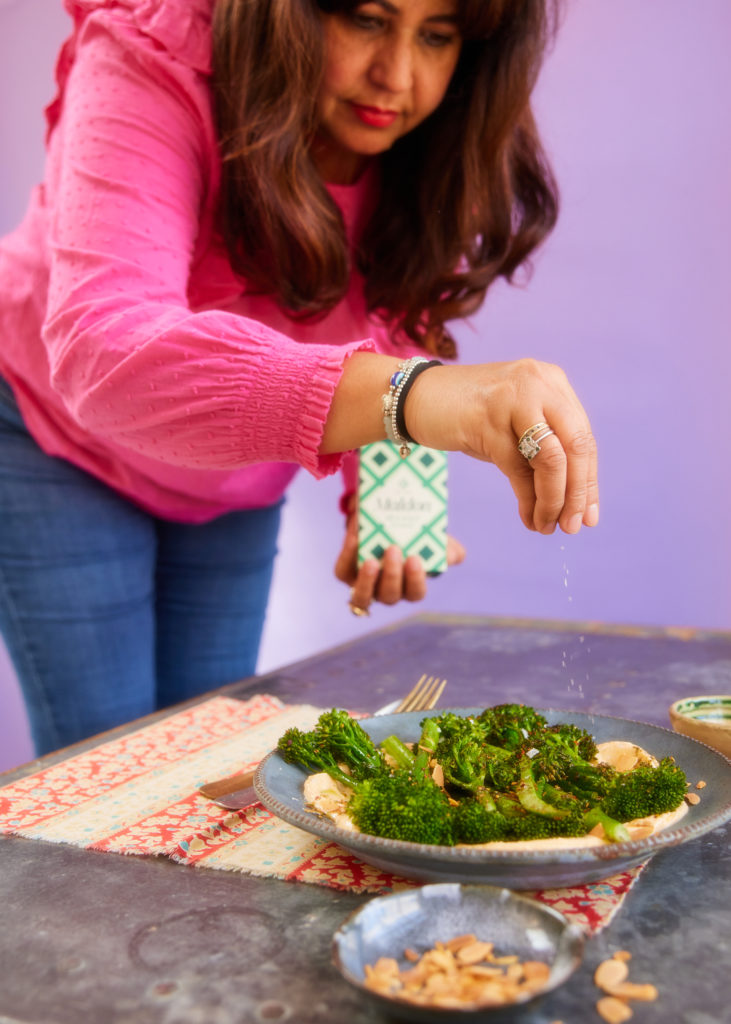
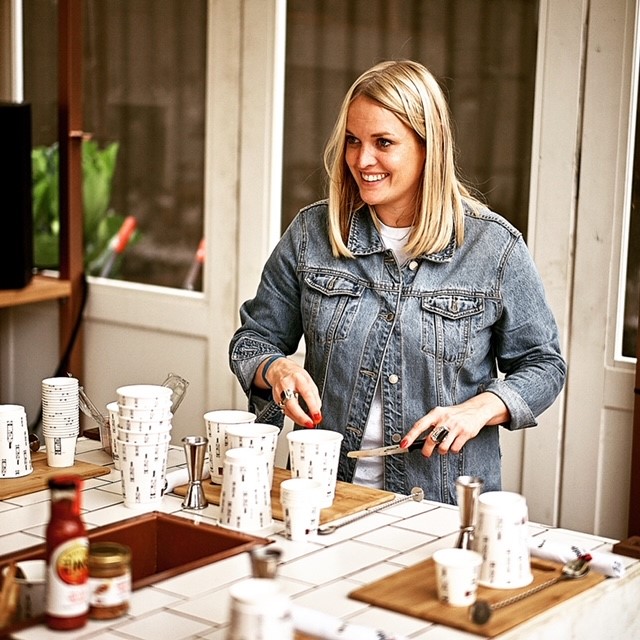
Romy Gill became the first ever female Indian chef and restaurant owner in the UK, renowned for creating dishes inspired by her West Bengali heritage with a nod to British influence.
As we head into celebrating Diwali from the 24th October this year, we gain insight with Romy on why food holds a special place during the festivities and sharing her experiences of being a cook.
We’ve also teamed up with Romy Gill on creating a variety of decadent recipes that she would cook up during Diwali over on our Recipes, Tips and Blogs Page. From delicious savoury dishes such as the traditionalMoong Bean Dal to sweet treats including the tantalizing good Orange and Cocoa Cake…you wouldn’t want to read these on an empty stomach!
We’re celebrating Diwali from 24th October this year, why does the festival hold a special place to you and the food that is associated with it?
Diwali has always held a very special place in my life. As a child, we didn’t have phones and other gadgets we’re used to now, they were a form of entertainment as well as times of religious significance. I also loved Diwali as a child for another reason: making miniature mud houses, known as gharonda, and decorating them. On the eve of Diwali we would make these gharonda with mud bricks, plastering them with mud, and, once dry, we would decorate them with idols of gods and goddesses. The finishing touches would be divyas and khilone: edible sugar sweets crafted into the shape of animals, which were one of the biggest highlights of the festival for us as children.
During Diwali, what is your favourite dish to enjoy?
My mum used to make so many sweet dishes for Diwali. My favourites were jalebi– deep-fried flour-based snacks coated in sugar syrup – and besan burfi, which is essentially a gram flour fudge flavoured with cardamom.
You became the first ever female Indian chef and restaurant owner in the UK, is this something you want to raise more awareness of for upcoming female chefs from different heritage backgrounds?
I wanted to share the food that I grew up eating. If you want anything in your life, never give up, find a way that you will be able to achieve. Supporting your family is very important. One thing I have always said is that if you help someone with whole heart, you’ll feel positive about yourself and that’s better than expecting the help back.. Find a mentor who will help and guide you in hospitality.
Within your cooking you like to combine your heritage with British influence, why so?
As a Punjabi born in West Bengal, I grew up in a family where the emphasis was on education and respecting others – and living in an India that was not divided, we celebrated the festivals of all different religions. Since moving to the UK and opening my restaurant, for me it was always about supporting the local producers and cooking and combining the produce from here. Opening a restaurant and learning from other chefs is very important. I have had such good advice from many chefs and food writers.
What are the top 3 things you can’t live without in the kitchen?
Good knives
A good store cupboard full of ingredients
Maldon Salt!
When taking a break from cooking, what are your favourite things to do?
Ilove running, walking with my friends and reading.
Your current favourite cooking book?
My favourite books at the moment is Notes from Small Kitchen Island by Debora Robertson and Cooking by Jeremy Lee.
What is one piece of advice would you give to someone learning to cook?
Cooking is all about learning. Learning about food from different cultures is a way of connecting with others. Food has the power of sharing. Understand the spices what each does to the food, mind and body.
Still Want to Learn More About Diwali?
Browse around our blog to understand what Diwali is, from the reason behind the ‘Festival of Lights’ and the food that is typically enjoyed and loved by many around the world.
We love seeing your creations as well here at Maldon Salt! Don’t forget to tag us in your culinary concoctions using the hashtag #maldonsalt on Instagram.
Wishing you an abundance of joy, health and happiness this Diwali, from the Maldon Salt Team.
Let’s get to know all about salt!
Salt production is one of the oldest practises dating as far back to 6,000 BC. Used for various trading and religious offerings, empires such as the ancient Romans actually used salt as a means of commerce, with Rome deriving the word ‘salary’ from salt. In present times, salt is one of the most important ingredients used and loved by cooks and foodies around the world. Not only does it enhance flavours within dishes and allows you to season to perfection, it is an element in which the human body can’t live without – sodium!
With this in mind, we want to explore the significance of sea salt, where we look into how sea salt is made, delving into various production and salt-work methods. Additionally, we guide you on where sea salt comes from around the world, and most importantly how Maldon Salt is formed.
How is Sea Salt Made?
Let’s keep this simple – sea salt is made by seawater from the ocean entering into shallow ground or a ‘salt works’ (man-made salt water pools) where by time the sun will begin to evaporate the water, leaving behind sea salt crystals – this is called solar evaporation.
Now this is is the easiest and preferred method for warmer climates with a low rainfall and high evaporation rate. But what about the other climates like the UK that aren’t graced with regular hot weather? This is where countries like ourselves get creative with sea salt production. We can delve into this in more detail in how Maldon Salt is formed deeper into the article.
Where Does Sea Salt Come From?
Have you ever wondered if sea salt really comes from the sea? Well, it does! Sea salt is naturally produced by our world’s ocean sea water. It’s why we love it so much, as it a naturally occurring element, containing less iodine than table salt and obtains traces of minerals/nutrients including magnesium and potassium – a nod to the health conscious.
What about other salts – where do they come from?
Although it’s safe to say Maldon is sea salt’s biggest fan – there are other salts!
Table Salt – mined from natural salt deposits (older bodies of seawater which have dried long ago) the salt is then processed and manufactured into smaller crystals. Unlike sea salt, which is produced through natural methods, table salt production involves chemicals after being mined. It’s purified and striped of minerals and infused with anti-caking substances.
Mineral Salt – similar to table salt, but this type of salt is specifically mined from areas such as Pakistan, near the Himalayas. Did you know it’s colours are influenced from the additional minerals, such as calcium, potassium, and magnesium. You may know this as ‘Rock Salt’ . Here at Maldon we stock Tidman’s Natural Rock Salt, where the naturally occurring rock salt is extracted from ancient rock deposits. Tidman’s is also additive free!
How is Maldon Salt Formed?
Now let’s talk about our beloved Maldon Sea Salt. Since 1882, our world-famous salt flakes have been made with the same traditional artisan methods from the coastal town of Maldon, Essex. Our salt works are run by the fourth generation Osborne family, currently in the hands of Steve Osborn, following his father’s footsteps Clive, grandfather Cyril and great grandfather James.
The Maldon Sea Salt Process:
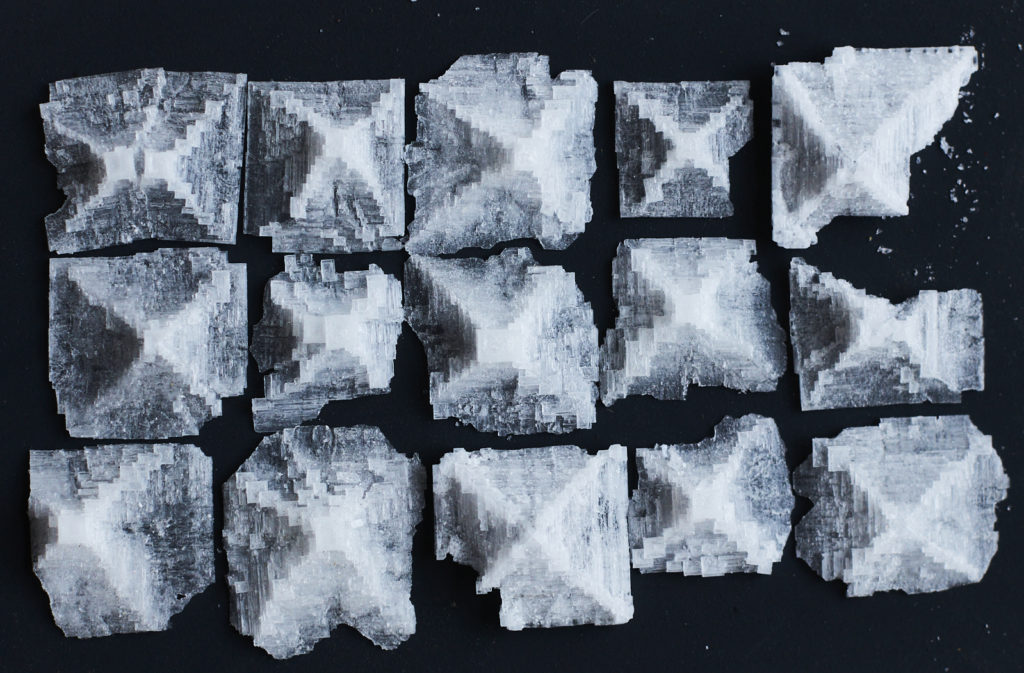
Seawater from the the Blackwater Estuary in Maldon is carefully harvested on the spring tide, where there is an appreciated art to the temperature and timing, which is a family secret. Master of salt makers have been hand harvesting the naturally formed pyramid-shaped crystals that have since became Maldon’s signature.
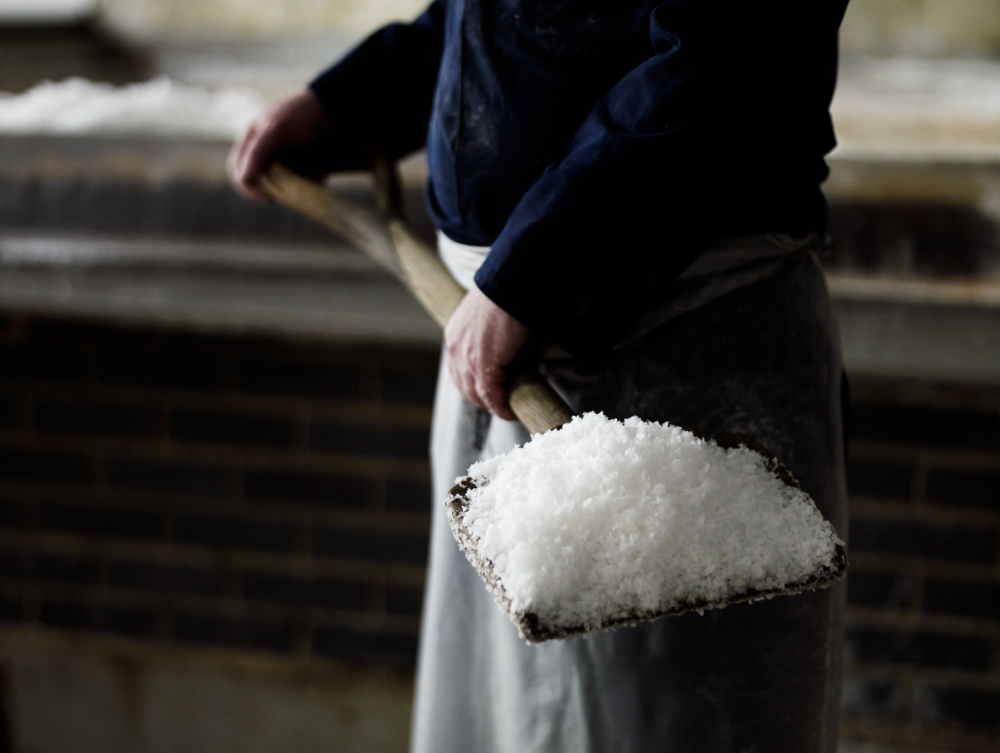
Maldon Salt is created through an evaporation process. Brine is evaporated in our salt pans over flames to form the unique salt crystals. This method is still used today, where our salt makers use the same time-honoured techniques with skilled hands poised over every batch. You can find out more where Maldon Sea Salt comes from by heading over to our YouTube channel.
Maldon Sea Salt vs. Table Salt
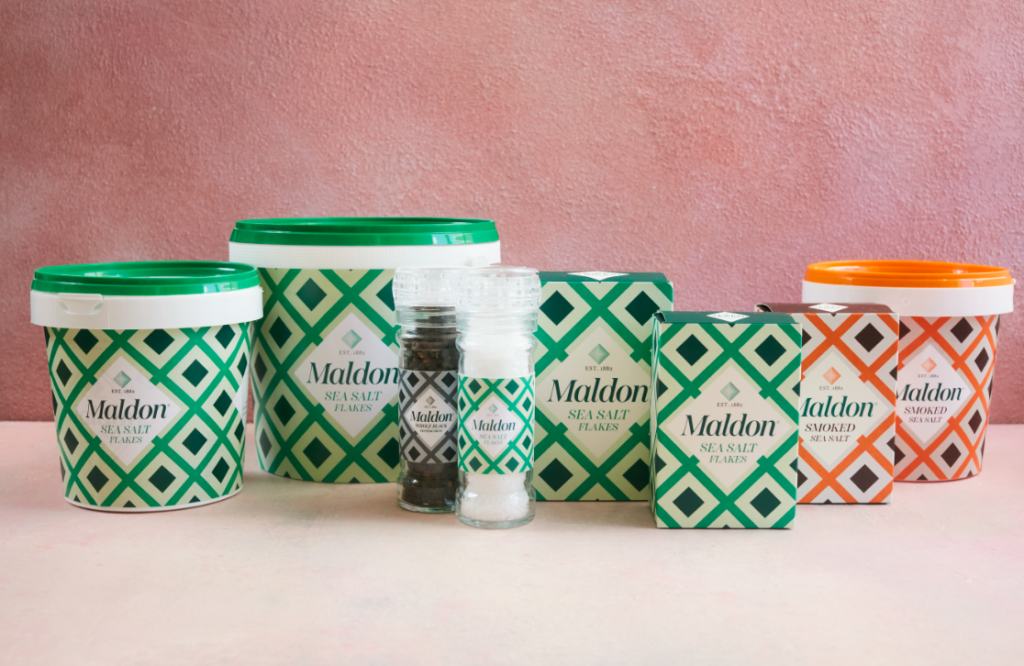
The unique pyramid flakes are Maldon’s trademark, recognised as the finest of sea salts. The pyramid flakes release their saltiness with sweet precision, a fresh intensity and clean taste. It is a highly versatile ingredient that can be used at any point in the cooking process, loved by chefs and the world over. Not to mention the texture has a beautiful flaky feel, perfect to sprinkle as a finishing salt.
Table salt as we’ve learnt always involves chemicals in the process – it is not natural like sea salt. The taste of table salt is also less saltier than sea salt due to being stripped of naturally occurring minerals and nutrients in the extraction process.
As a result, replacing your table salt with Maldon Sea Salt will help you refine your sodium intake as you only need a humble pinch of Maldon to enhance and season your dishes flavours and not a whole grinder’s worth to satisfy your salty crave.
Uses for Sea Salt:
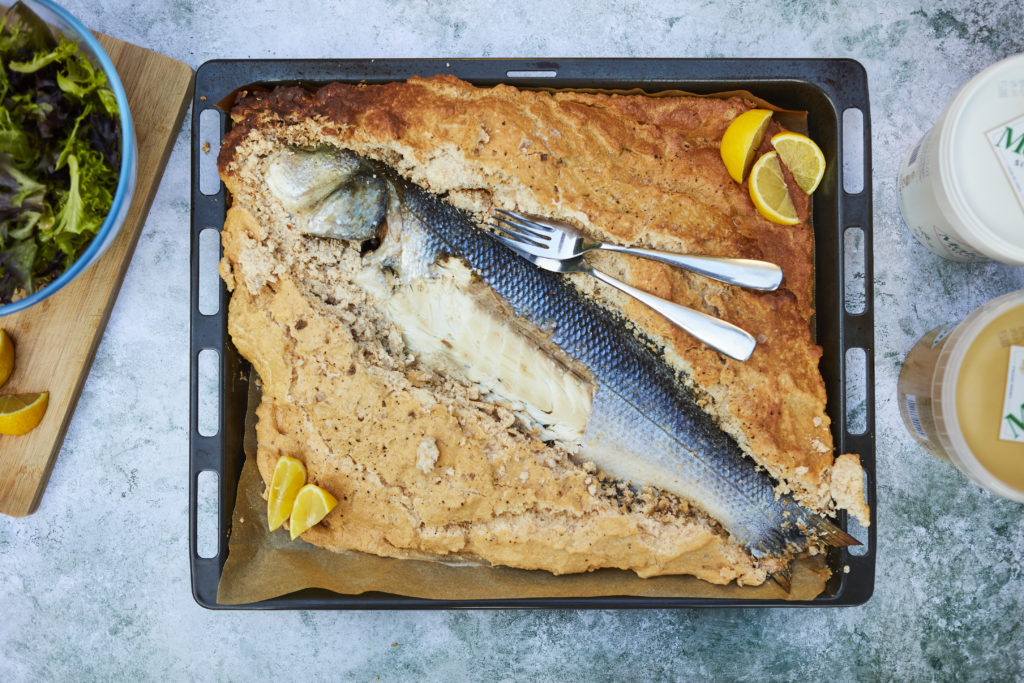
Preserving – using sea salt as a preserve for food is a wonderful way of ensuring your dish retains moisture and doesn’t overcook. A salt crust creates a layer which insulates the food, minimising the chances of moisture from escaping. This mean that all the delicious juices and flavours stay inside the dish and ensues the food cooks more evenly. Check out our Salt Baked Sea Bass recipe in which go throughs the salt preservation process in more detail!
Flavouring – sea salt allows dishes to be heightened in sweetness and to remove any bitterness. This is because of the sodium in salt in which supresses the bitter flavours in a recipe, creating foods to be more flavourful for the pallet. Head over to our YouTube channel to see our video with Sorted Food on different hacks and genius ways in using Maldon Salt to enhance flavour within a dish.
In conclusion…
At the end of the day when choosing your everyday seasoning, sea salt and table salt still have the same nutritional value. However it is our Maldon Sea Salt that helps connect people in the moments of pleasure from food and drink. We know taste enhances mood and Maldon Salt offers a little magic no matter the meal occasion, culture or cuisine. Our unique pyramid flakes are characteristics of Maldon, recognised the world over as the finest of sea salts. With the flakes itself, they release their saltiness and sweet precision, a fresh intensity and clean taste that can be used at any cooking process. You can also check out our recipes, tips and blogs to explore how Maldon really does give that pinch of magic to your recipes.
So now that we’ve got your interest, why don’t you try it out for yourself? Head over to our Where To Buy page now to buy online or find your nearest store.
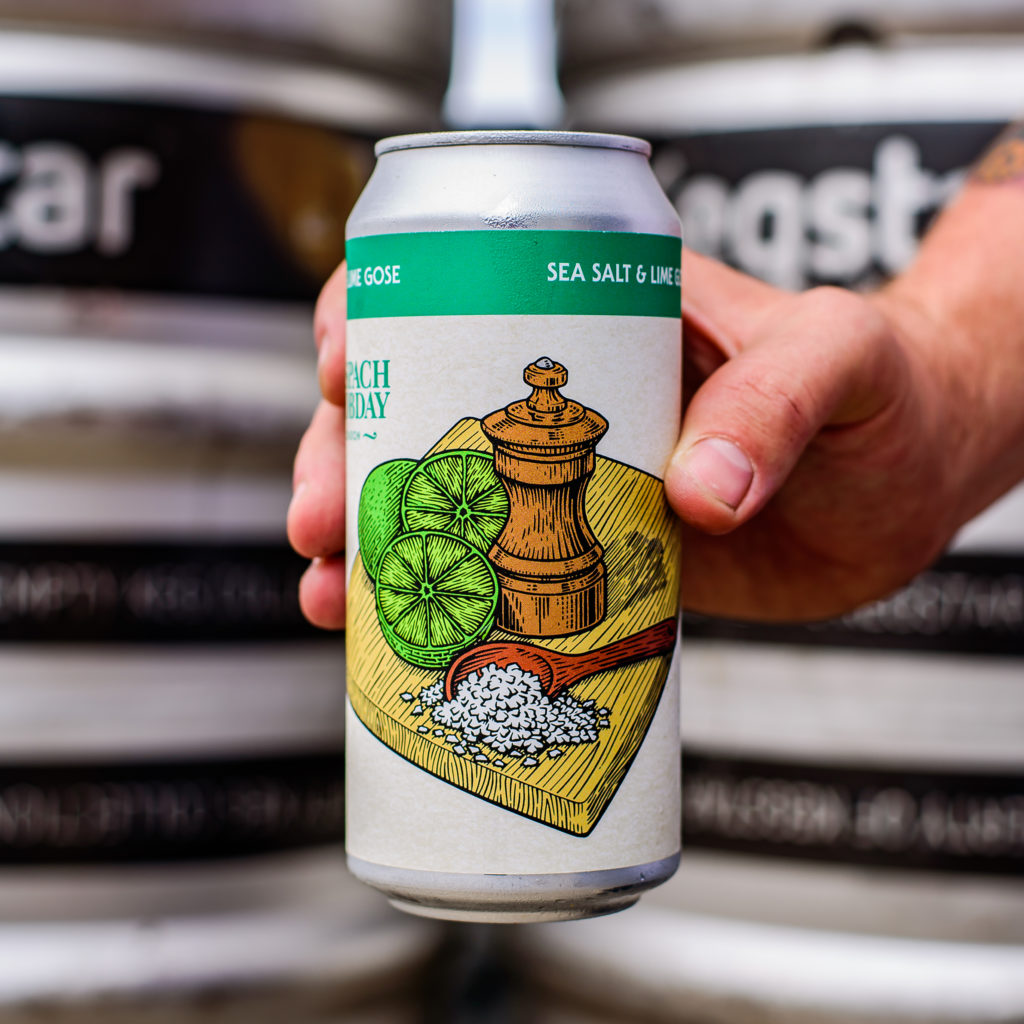
We’re delighted to have partnered with South London based brewery, Anspach & Hobday for a unique collaboration in celebration of our 140th birthday.
The team at A&H, led by co-founders Jack Hobday and Paul Anspach, have been creating new wave, craft beer since 2013. Alongside their classic core range, they create pleasing experimental beers and bespoke collaborations, pouring quality into everything they do. This month sees the launch of their Sea Salt & Lime Gose brewed with Maldon Salt.
As we enjoy a wonderfully warm summer season in the UK, the talented team at Anspach & Hobday decided to focus on citrus and sour flavour notes to create a refreshing drink. Using their learnings from the last few years, they added lime zest and lime juice towards the end of the fermentation, producing a high acidity with the beautiful flavour of lime brought to the fore by Maldon’s salt.
Fermented with Philly Sour yeast, this brilliant dual-purpose yeast produces a fantastic soft sour during fermentation eliminating the need for kettle sour and delivering a wonderful balance.
“We’ve always enjoyed using salt in beer,” says Paul Anspach, Co-Founder and Head of Production at A&H: “Whether in styles where you would typically expect it such as Goses or in experimental and progressive styles such as chilli & chocolate Stouts. As well as adding salinity, salt can really enhance the other flavours of a beer, as indeed it does when used in food.
Obviously when one thinks of high-quality sea salt only one name comes to mind, and the Maldon Salt used in this beer really helps the sharp, citrusy notes of the lime to punch through.”
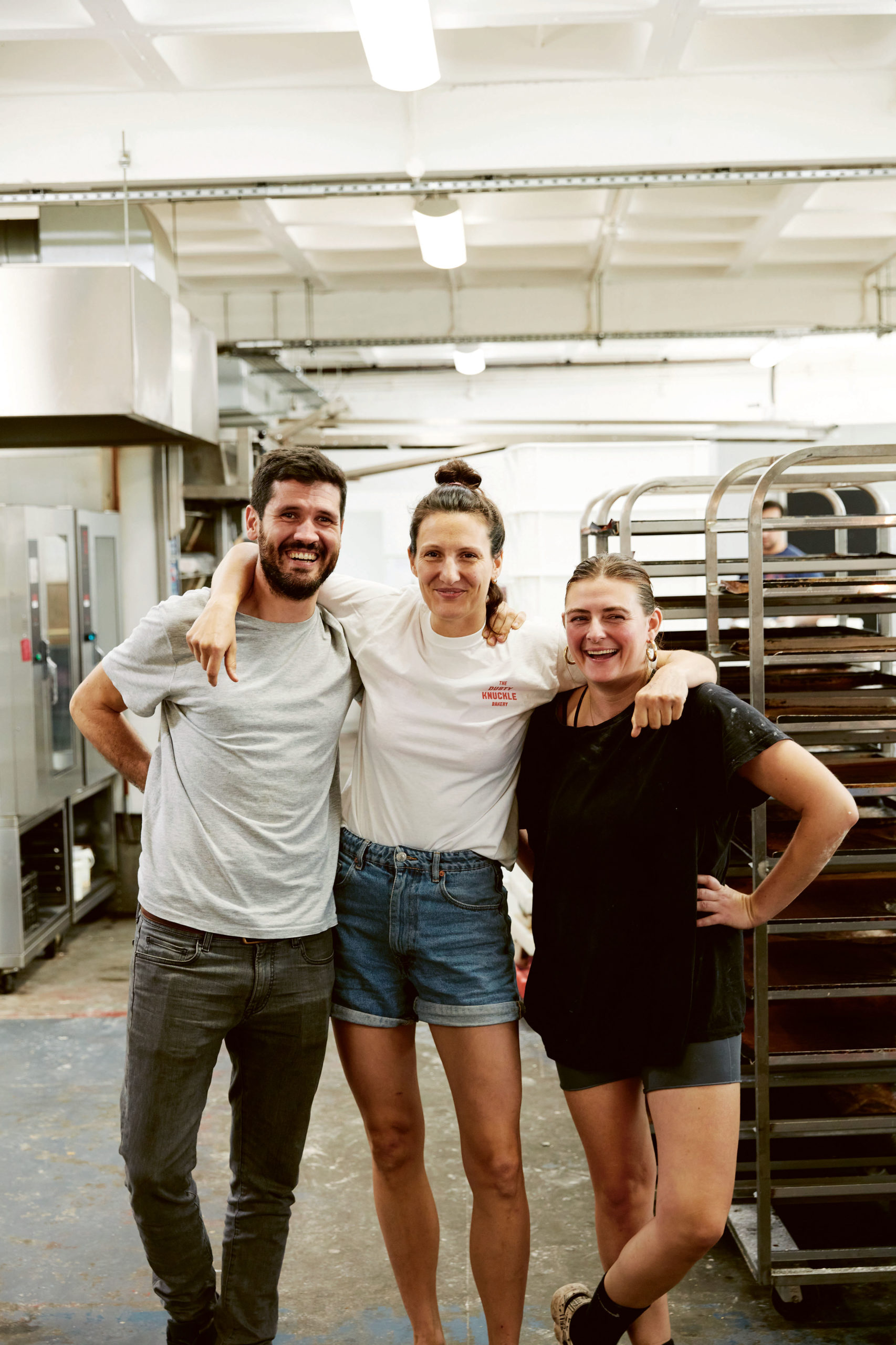
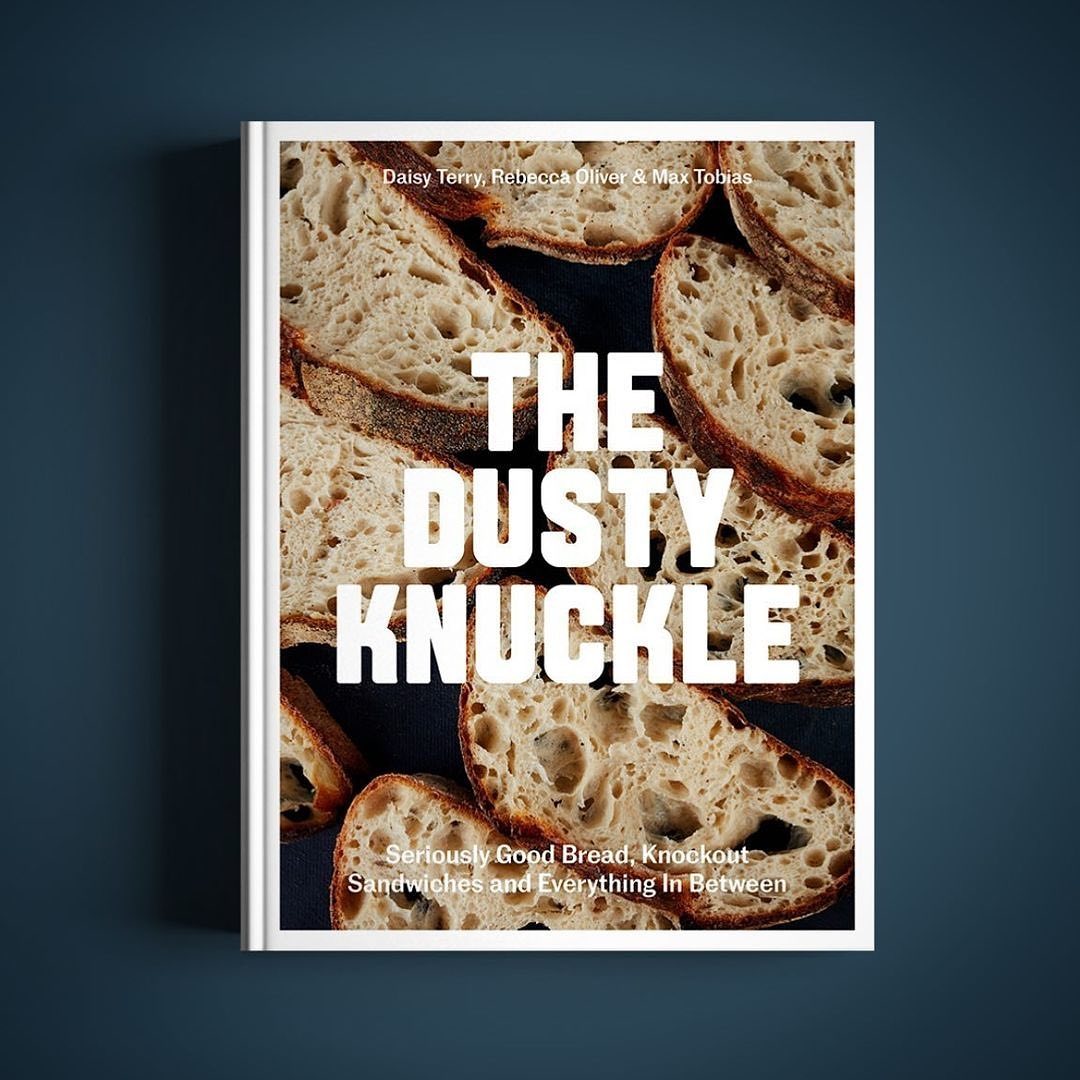
The Dusty Knuckle is East London’s favourite bakery and café with being experts in creating seriously good bread, knockout sandwiches and everything in between! Having two locations based in Dalston and Harringay, The Dusty Knuckle offer an abundance of baked goods, where you can wine & dine and even attend their baking classes during the weekend, learning how to make their ‘knock-out’ breads.
Sharing their baking secrets is at the heart of the bakery, where managers Max Tobias, Rebecca Oliver and Daisy Terry have shared it all with the release of their latest cook book, ‘The Dusty Knuckle’, whereby Maldon Salt is credited for being the bakery’s salt of choice!
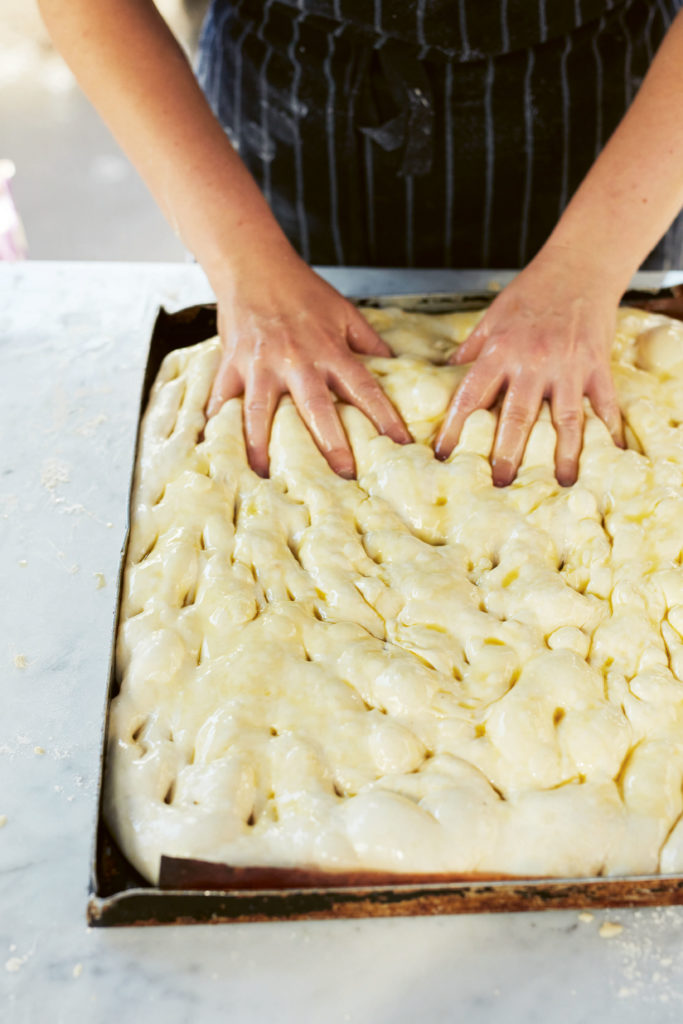
Here we delve into one of the recipe’s in which The Dusty Knuckle have used Maldon Salt to enhance their dish…the infamous Focaccia!
For the poolish, add the water and yeast to a bowl, mix until your yeast is dissolved, then throw in the flour. Mix quickly with your hands; this will be wet and sloppy and you are only looking to mix it enough so that there are no wet bits and no dry clumps. Scrape your bowl down, cover it with a clean cloth or lid and leave somewhere warm to ferment. How long this takes depends on the heat of your home, your yeast, your flour, your hands. You are basically looking for it to have grown to almost triple in size and for the surface to be covered in little bubbles, roughly 2 hours. Use it before it begins to deflate and drop down the edges of the bowl.
Add the first water addition for the dough, and the yeast. It will separate and feel slimy; don’t worry, this is normal. Add your flours and mix thoroughly until everything is combined. If you are doing this by hand, it will take around 4 minutes, and if using a mixer with a dough hook, around 2 minutes on slow speed. Scrape your bowl down, cover and leave for an hour. This rest period (called autolysis) allows the flour to further absorb the water, which is important in this recipe as it uses nearly the same amount of water as flour. It should rise nicely and it may get a bit of a crusty top: don’t worry about this, it’ll all get mixed in.
Add the second water addition and Maldon Salt, and mix in with your hands (again, it will break up, but don’t worry, it’ll soon come back together). Once your dough is looking a bit more coherent, you will need to work it a bit. The easiest way to do this is to grab one side, stretching it upwards as far as it will allow you, then fold it back on itself, turn the bowl slightly and repeat, working your way around and around (keep the dough in the bowl; you will thank yourself when cleaning up later). The dough will start off shaggy and will tear easily, but will soon become elastic and silky. This will probably take you about 10 minutes, but don’t scrimp on the time here: you are building strength in the dough, which is the key to that chewy delicious bread. You can use a mixer – we do – for this, mixing for 2 minutes on slow speed, then 4 minutes on fast.
Check your dough for elasticity: does it stretch without tearing? If it’s still a bit weak and tears easily when you lift it, give it a couple more minutes.
Once mixed and silky and lovely and smooth and soft, take the dough out of the bowl, pour 2 generous glugs of olive oil into the bowl and replace the dough in the bowl. Cover and leave to rest for 1 hour, then fold and leave for another hour, before folding again and leaving for another hour (3 hours in total from mixing the final dough). To fold the dough, grab the edge of the dough with oily fingers and stretch it as high as it will let you, then fold it back over itself. Do this 4 times (north, south, east, west) to complete one fold.
After 3 hours your dough should be feeling pillowy, soft and silky, and bubbly. Turn it out onto a well-oiled standard-sized baking tray and fold it neatly into a square shape (don’t worry if this is much smaller than the tray as it will sprawl out and fill the tray) and leave somewhere nice and warm, and not too airy, for 1 hour. (If following the morning bake schedule, then this is when you would put it in the fridge – it can be in the fridge at this stage for up to 12 hours.)
Fold each side in to create a square and leave it for another hour, then do this one more time and leave for its final hour.
Give it a prod: if it feels like it will let you, gently slide oily hands right underneath and slowly stretch it out, pulling from the central underbelly. Be delicate here: it should feel like a wobbly, airy pillow (if it doesn’t leave it another hour). Ensure you do not tear the dough. It will relax and start to fill the tray. Heat your oven to its hottest setting.
Whisk together 200ml (7fl oz/scant 1 cup) olive oil and 100ml (3 ½ fl oz/scant ½ cup) water until cloudy and immediately pour all over the top of the dough – be super-generous here. Dimple the top of the dough with your fingertips – sharp hard dimples are better than little soft ones so don’t worry if you go right through to the tray or even make a little hole; this will move the bubbles around inside and help get that chewy, open structure we are all looking for. Because it is so oily and bubbly, and nice to touch, it is tempting to over-dimple which can knock the air out, so just prod it enough so the surface is evenly dimpled. Sprinkle with Maldon Salt and bake for 15 minutes or until deep and golden brown. Be super-careful taking this out of the oven as the oil is hot and there will be excess on the tray.
Remove from the tray straight away and leave to cool on a wire rack.
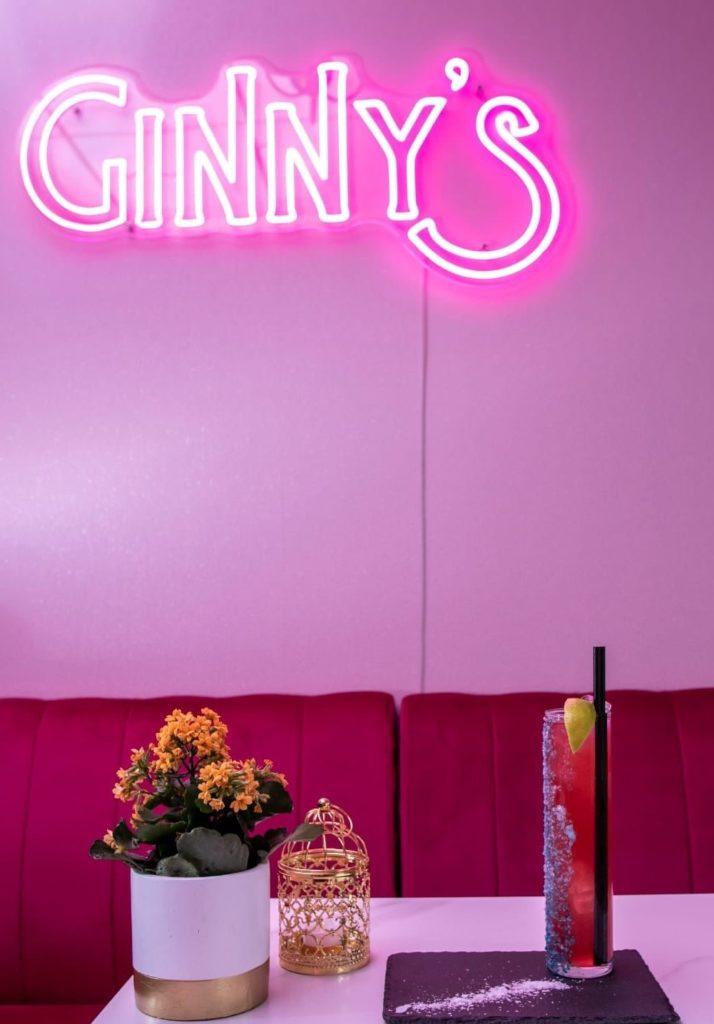
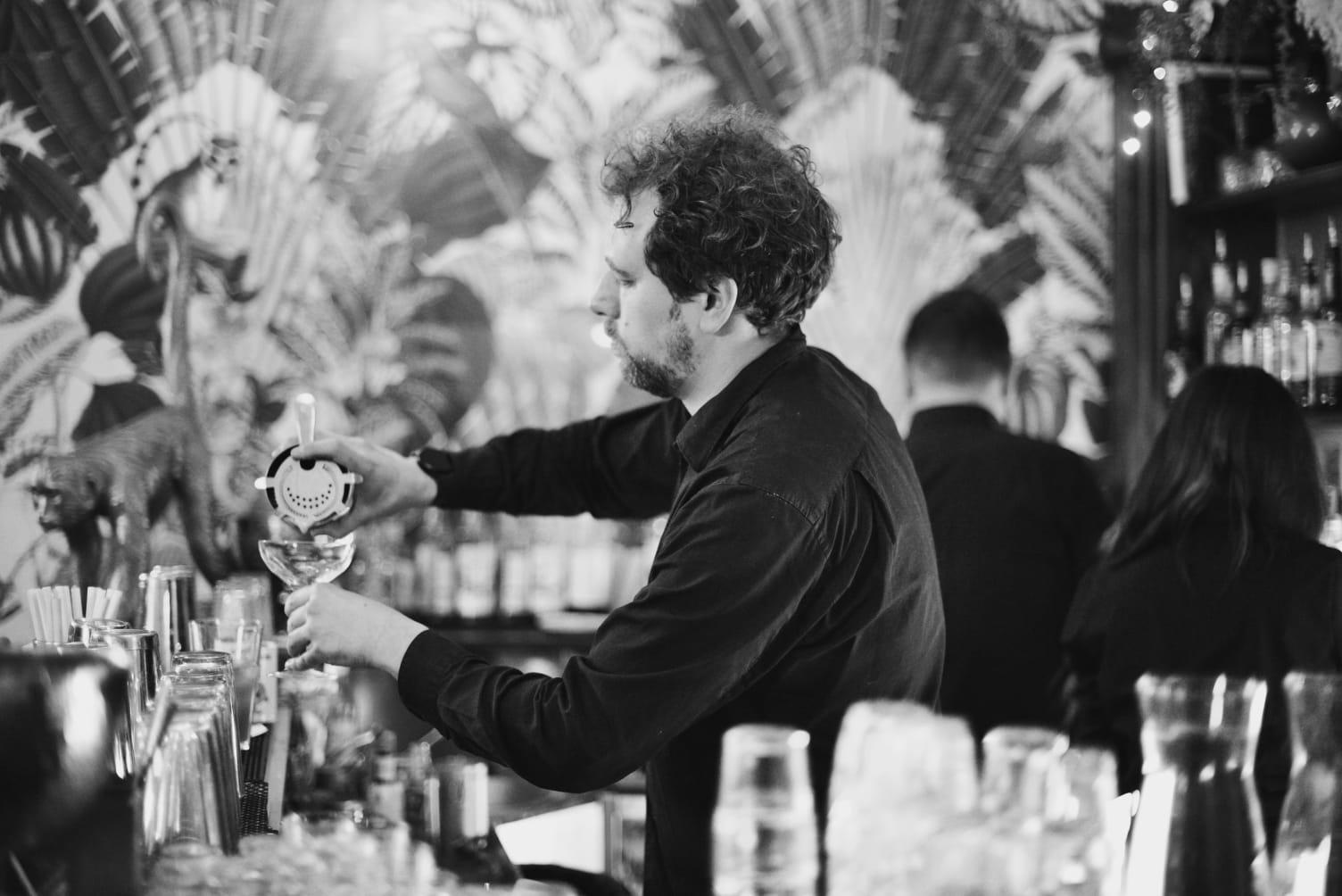
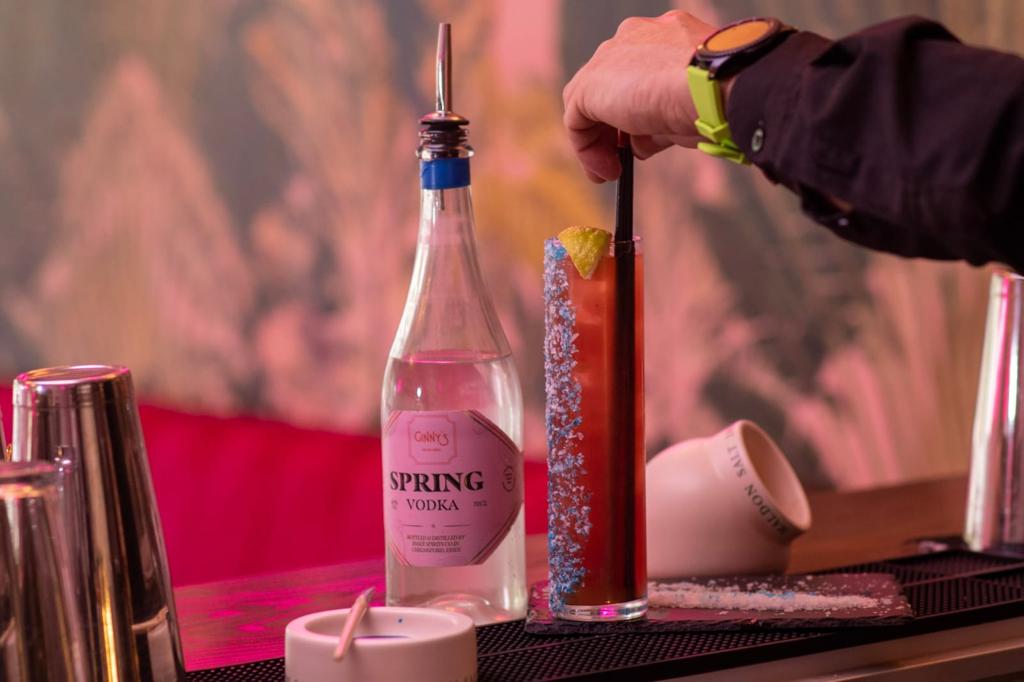
Ginny’s is an independent cocktail bar located in the heart of Maldon. Owner Misha Rosenthall and Manager Howard Monks pride themselves on serving the finest, handcrafted cocktails to guests in a unique and stylish setting. Whether you’re looking for an after-dinner treat, or a place to cosy up with friends for a much needed catch up, they’ve got just the place (and just the drinks!) for you. They regularly work with local businesses for monthly pop up dining events.
Misha RosenthallHoward Monks
What makes Ginny’s so special?
Ginny’s is a family run bar with a real emphasis on sustainability and creativity. We are a small but tight knit team and we all put a lot of thought in to our menu, décor, service and events. Another special thing about Ginny’s is our alcohol-free cocktails. We don’t have a mocktail list, as we believe every drink should be amazing regardless of whether it has alcohol content. That’s why we stock Lyres Non Alcoholic spirit alternatives. This means we can re-create almost all of our cocktails as alcohol free options which has been extremely popular.
One of the things that feels special to us is our partnerships with other local businesses. Our house vodka, vanilla vodka and gin is all made within ten miles of Ginny’s by the amazing Essex Spirits Co, and we’re also super proud to offer wines from New Hall Wines less than three miles away from us. Our back bar features a wonderful range of locally produced craft gin too. We’re really looking forward to championing our local partnerships more in the future and hope to build on these partnerships and do more as we grow!
Here is Ginny’s unique recipe for theMaldon Sea Breeze…
Ingredients:
50ml Essex Spirits Co Essex Spring Vodka
60ml Pink Grapefruit juice (we use Eager)
50ml Cranberry juice
2.5ml Blue Curacao cocktail syrup (we use Monin)
Garnish: Maldon Salt & a lime wedge
Glass:
Tall cocktail glass
Method:
Paint a small amount of blue cocktail syrup along one side of your glass, then roll gently in Maldon Salt.
Fill glass with ice and build vodka, grapefruit and cranberry juice into your glass.
Garnish with a small wedge of lime, serve and enjoy!
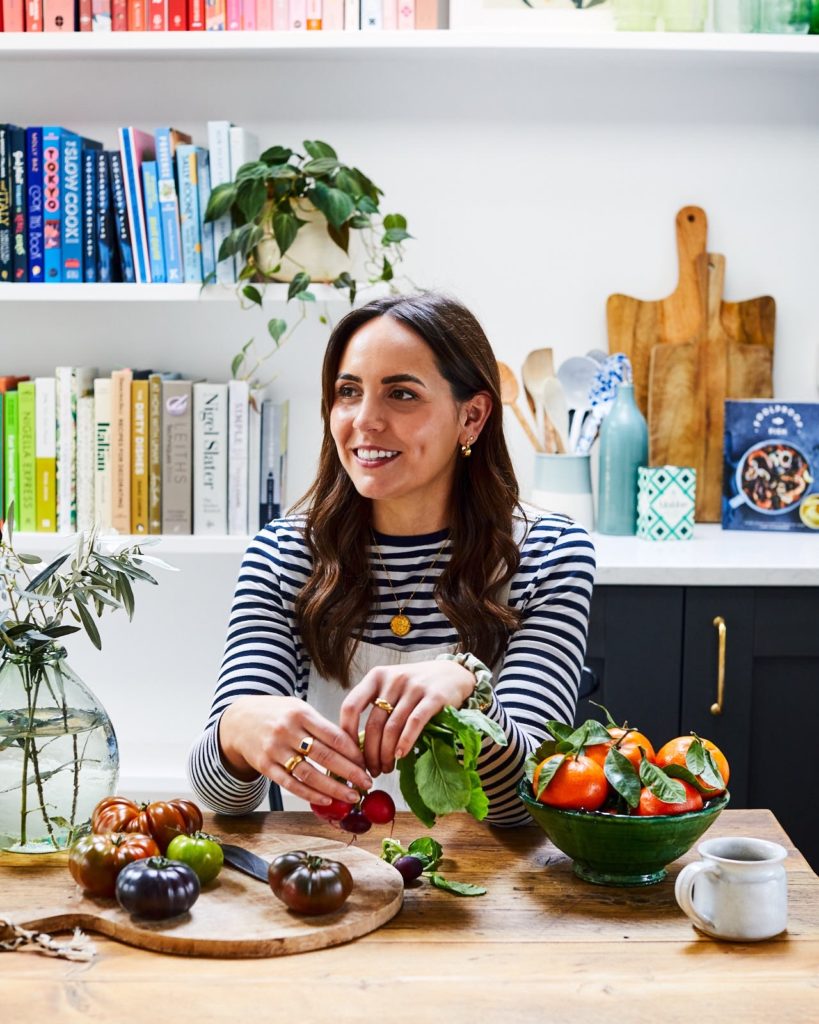
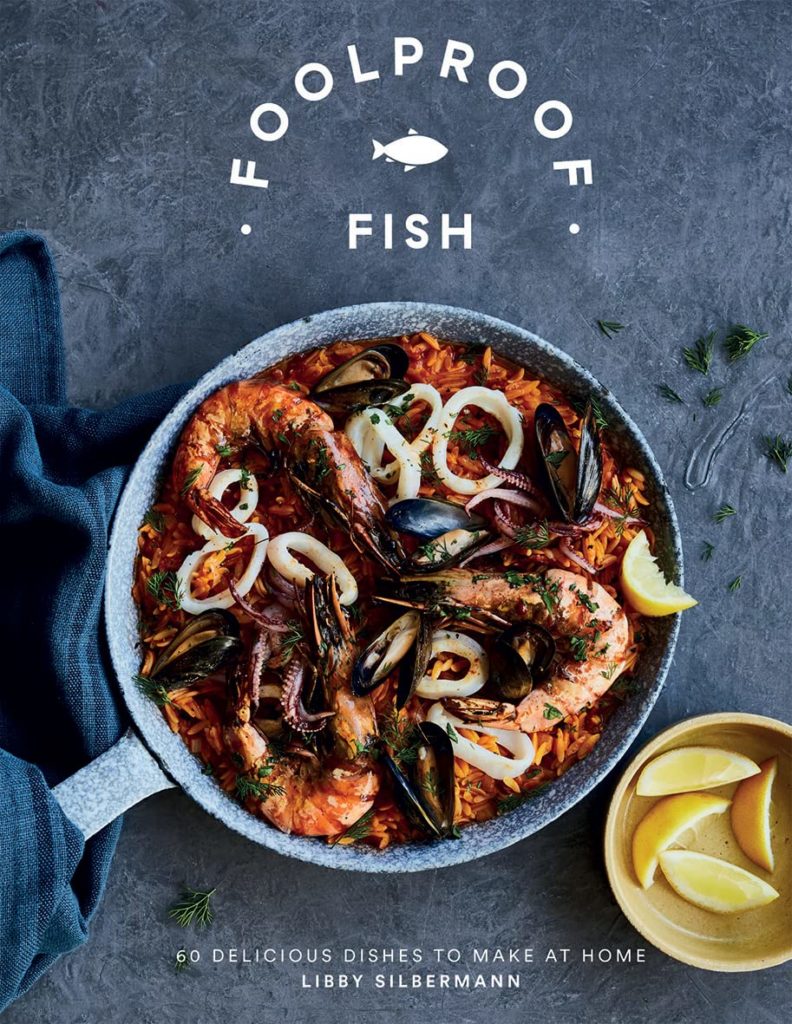
Starting her culinary career at Leiths, Libby Silbermann is the face behind our Maldon Salt recipes. Excitingly, Libby has just released her second book ‘Foolproof Fish’. This Q&A sets the scene at her at home, where we talk about what it is like to work as a Food Stylist & Recipe Creator and where she draws inspiration from.
When did you know you wanted to work doing what you do?
I’ve always loved cooking from a young age. I was equally creative at school too and nearly went to art school, but I never realised there could be a career which combined the two. I first had a taste of Food Styling and gained an insight into how shoots work when I assisted at Jamie Oliver’s with his in-house food team, and I was hooked. I then went on to study at Leith’s with the end goal of styling and writing.
Is there a favourite project you’ve worked on to date?
‘Foolproof Fish’ (my most recent cookbook) has been a real highlight. It was so lovely to fully focus on Fish and Seafood – which are some of my favourite ingredients to cook with. Seeing people post about cooking your recipes is both surreal and exciting!
What is your favourite way to enjoy a pinch of Maldon Salt?
Maldon salt is a fundamental ingredient to nearly all my cooking and recipes – salt is key to enhancing and balancing flavours. I love a good pinch across a simple tomato salad, on top of a dark chocolate cookie or brownie and across a well toasted, (very) well buttered piece of toast.
Any meal, anywhere, what is it?
I love Asian flavours and dishes and so that salty, savoury Unami is often what I crave. Dumplings with crispy chilli oil, steaming chilli chicken ramen and some garlicky soy greens and I’m sold.
Is there a favourite recipe in your new book Foolproof Fish?
I love the crab linguine – it has crab, chilli, tomatoes, and lemon but instead of parmesan it is topped with a garlicky sourdough pangrattato which is common in Italian cooking. The crunchy topping alongside the silky pasta is a must try!
Do you have a favourite cuisine?
I really do love all food cuisines but probably Italian or maybe Sri Lankan.
What does a Friday night in look like?
In my 30s I seem to have adopted a new rule of ‘Saturday nights out, Friday nights in’ (or vice versa). Usually, I’ll cook whatever I have been craving that week and normally it’s a little of a fridge forage situation – often, it’s pasta.
Libby’s new book ‘Foolproof Fish’ is now available to buy, where you can also enjoy all of her recipes available on our blog.
To mark 140 years of salt crasftmanship, we are delighted to unveil details of our 140th birthday celebrations which include a 140th limited-edition celebratory pack and a series of exciting birthday festivities which honour our heritage and are set to inspire foodies everywhere to ‘seize the seasoning’ and celebrate great taste!
Maldon Salt is hand crafted with the same time-honoured techniques that were used when it first began back in 1882. Now run by the fourth generation of the Osborne family, the business has gone from strength to strength. This year will be a nostalgic celebration of 140 years of craftsmanship.
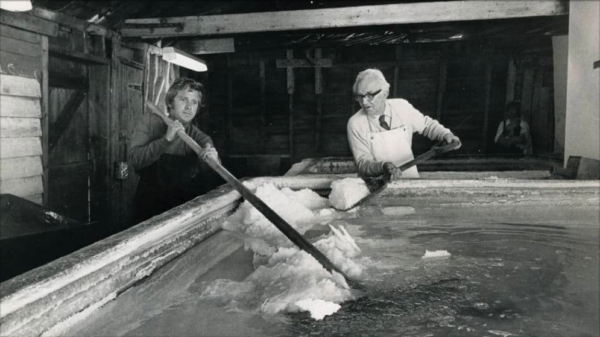
Picture shows current MD Steve Osborne’s Father (Clive) & Grandfather (Cyril) in the original salt works which are still operational today.
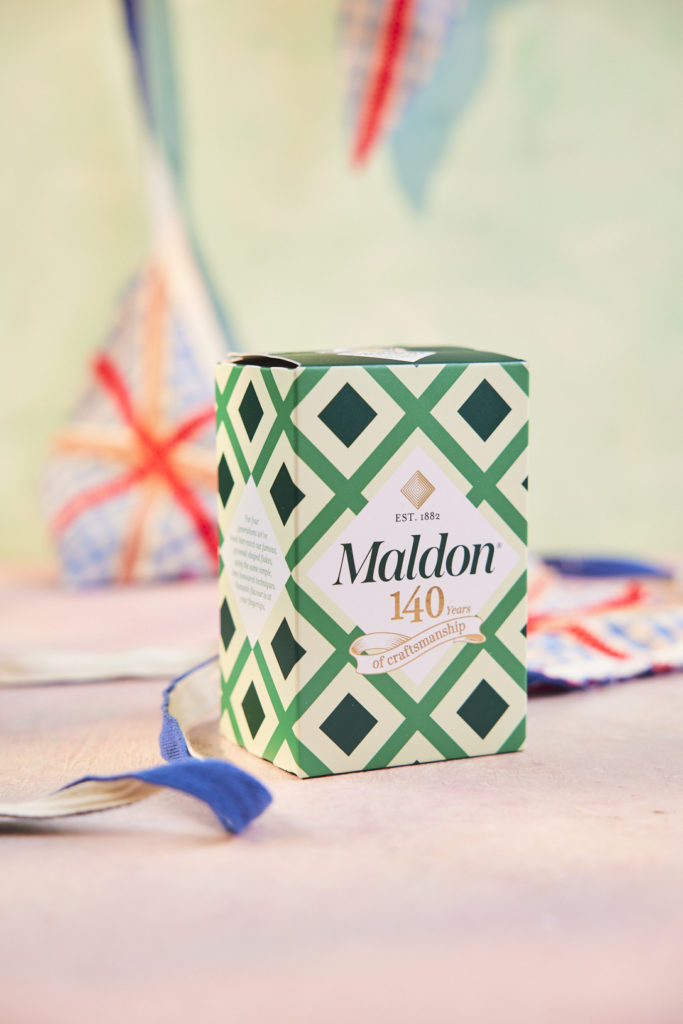
Available from June, our Limited Edition140th Anniversary Original Sea Salt pack (250g) will be available in retailers nationwide. Featuring a golden ‘140 years of craftsmanship’ logo, it is a must-have for many millions of loyal fans who want to join in the celebrations and grab themselves a special commemorative pack. Be quick as when they’re gone, they’re gone!
140th Anniversary Edition: 250g Original Sea Salt Flakes
Celebrating the Queen’s Platinum Jubilee
Maldon Salt is not the only one celebrating a major milestone this year. Coincidently its 140th Anniversary falls in the same year as Her Majesty the Queen celebrates her Platinum Jubilee. The Queen first visited Maldon’s salt works in 2010 and it was just two years later, that we were granted a Royal Warrant which stands to this day, as the official purveyors of sea salt. This is something which we are enormously proud and honoured about. Interestingly a special commemorative book: ‘Her Majesty the Queen’ Inside the Official Platinum Jubilee album,’ is due to be published soon and features 250 royal images, including some images of Maldon Salt.
To help people celebrate the Queen’s Platinum Jubilee and create extraordinary food for friends, family and loved ones to enjoy, we have created a series of jubilee-inspired nostalgic puddings which will be available on our website blog very soon. Just like Maldon Salt itself these puddings are traditional, but they also have a wonderfully modern and contemporary twist. Recipes include Orange & Pistachio Battenberg, Chai Chelsea Buns, and a delicious Eton Messwith a twist, all made with Maldon Salt.
And the birthday celebratory events and activities don’t stop there! We are really getting the party started with events including another link up withMob; social media activities including ‘Salt Stories’ showcasing some of the extraordinary chefs, People and Brands that use and love Maldon Salt and ‘Foodie‘ influencer partnerships to inspire people to use Maldon Salt to elevate their dishes. We even have an exciting competition to win VIP places at Maldon Salt’s Extraordinary 140th Birthday Party. Please check out Maldon Salt socials for more details on all this excitement, coming soon.
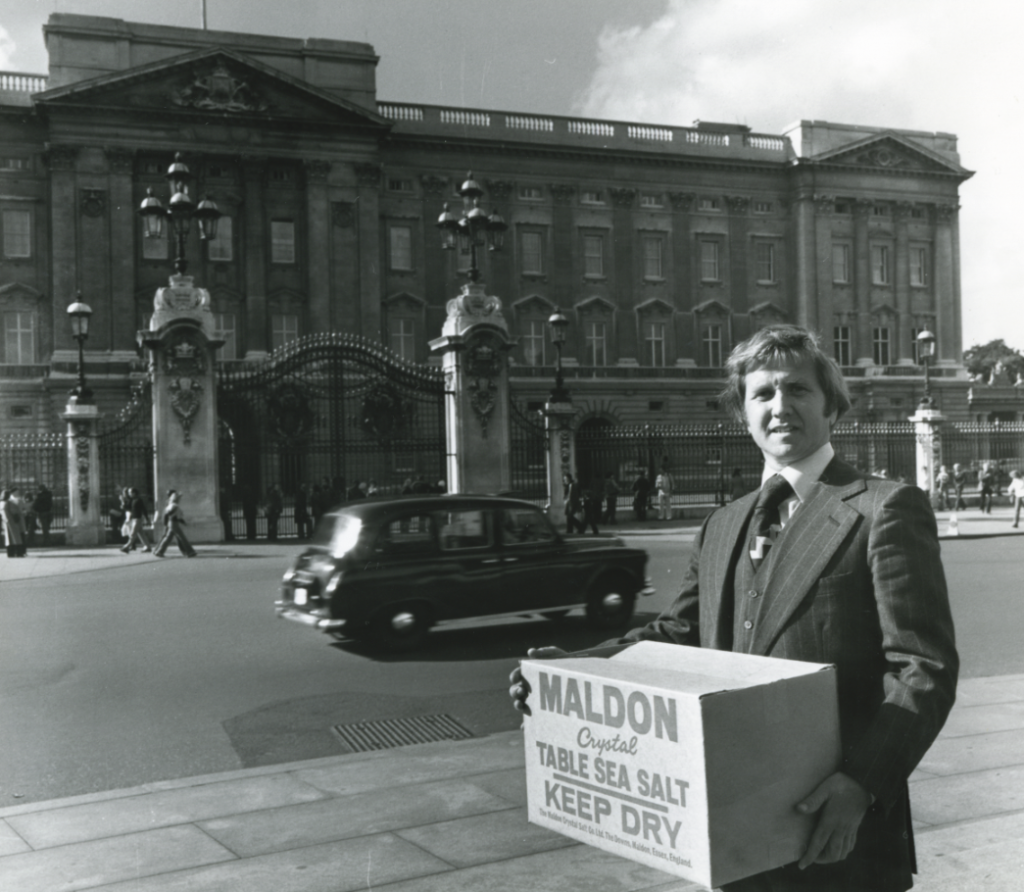
Maldon Salt’s Clive Osbourne visiting Buckingham Palace in 1977
And now a final word from our Commercial Director, Robert La Francesca…
“Maldon Salt has a wonderful and rich history of traditional quality craftmanship and in our 140th anniversary year we really wanted to celebrate this fact and pay tribute to the four generations of the Osborne family and all our fantastic people and loyal consumers who have played such an important role in helping us to become the world-renowned culinary brand that we are today. From our 140th anniversary logo which appears on our exciting new limited edition celebration pack, right through to all the exciting consumer activations and fun birthday festivities we have planned, we are saying a big thank you to everyone who has been part of our history and inspiring current and future generations of people to seize the seasoning and celebrate great taste.”.
As part of Maldon’s Cocktail Club, we are delighted to have partnered with Michelin-starred restaurant, Native and their founder, Imogen Davis to bring you an exclusive Maldon cocktail creation inspired by the ethos of Native. We sat down with Imogen to discuss her career journey, her inspiration in and out of work and Native’s exciting new venture on the island of Osea.
What made you want to work within the hospitality industry?
I didn’t really know anything about the hospitality industry when we opened Native, as we hadn’t worked or trained in restaurants before, but I’ve realised since that it’s in everything I do – the beauty of hosting and giving people a memorable, special experience no matter if it’s just that they’ve had a terrible day at work or they’re celebrating a really special occasion – seeing people leave with a smile on their face is what hospitality is all about. No two days (or hours) are the same and that’s what makes it so great.
What was the inspiration behind Native?
Native was inspired by a desire to make wild, foraged and sustainable food accessible to all. Ultimately the food has to taste incredible and the service has to be informative and friendly, but underlying we have to know that we’ve made conscious choices about choosing and supporting the best ingredients and suppliers out there.
What promoted the relocation to the island of Osea?
The opportunity of opening a restaurant on an untouched, tidal island off of the Essex coast was presented to us in the middle of the pandemic – how could we say no!? We created a fully immersive island dining experience that reflected the water and land surrounding us, and I’m so proud of what we created, it was like extreme restauranting. What is your tipple of choice and why?
Scotch. Whether it’s neat to warm me up after a wild swim or in my favourite cocktail, a whisky sour, I find it so versatile!
If you were to recommend one dish and drink pairing at Native, what would it be?
One?! That’s tricky! The menu changes so frequently, but it doesn’t get much better than the wood pigeon kebab with a chilled sparkling red lambrusco!
What your number one Netflix recommendation?
I’ve recently discovered L’Agencie – a French programme following a family run estate agent based in Paris – you are given sneak peeks into incredible houses while trying to teach myself French!
Here’s Imogen’s recipe for a Seaweed Martini…
Ingredients
60ml Gin or Vodka of your choice
25ml Dry Vermouth
5ml Maldon Salt & Seaweed Brine
For the brine:
Dissolve 5g of Maldon Salt in 200ml water with a handful of seaweed, and store in the fridge in a sealed container, leaving overnight to infuse
Garnish – brined seaweed
Stir for 30 seconds in each direction. Strain into your favourite chilled martini glass. A staple on the list at Native, our version of a dirty martini is inspired by the rock pools, sea foam and salty air from our foraging trips along the shorelines of the UK coasts.
The function of salt in a cocktail is to enhance the taste – the freshness and delicate sweetness of Maldon with the seaweed is spot on! This version makes use of any seaweed* you can get your hands on. If you’re lucky enough to escape for a beach walk, that will be perfect, it dries very well so you can store in an airtight container and use when necessary – you’ll be pleased to know there are no 1 toxic seaweeds in UK shores. I’ve used bladderwrack in this one but failing beach access, you can even pick some seaweeds up in your local supermarket.
*Foraging tip: when gathering and foraging seaweed, always take the seaweed that is attached to the rocks, not floating in the sea.
Remember the Foraging rule of thirds: 1.Take one-third 2.Leave one-third for others 3.Leave one-third for the future
This March we’ve teamed up with our friends over at Pasta Evangelists to bring you an exclusive recipe from Chef Roberta!
“When it comes to pasta making, I do it like my nonna taught me: only use salt for pasta bianca (white pasta) which is made using only semolina and water. Just make sure to use warm water to melt the salt and create a silky-smooth texture for your sfoglia (pasta dough). I prefer to use natural sea salt like Maldon because it imparts such a delicious, unique flavour! Buon appetito!”
Here’s Chef Roberta’s recipe:
FRESH STROZZAPRETI
Strozzapreti is a hand-rolled pasta shape originating from Emilia-Romagna and Tuscany. The name of this amazing, plant-based shape literally translates as ‘priest stranglers’, harking back to the days when fat cat clergy controlled public life in the region of Emilia-Romagna, much to the chagrin of the region’s people!
Ingredients
200g semolina flour
100ml warm water
Pinch of Maldon Salt
Tools
Fork
Wooden board
Rolling Pin
Knife
Part 1: Making the dough
On a clean marble or wooden work surface, pile your flour and pinch of Maldon Salt into a mound.
Make a well in the centre of the mound large enough to contain the water.
Gently pour the water into the well.
Gradually add the flour to the water, slowly incorporating the flour from the sides of the well. As the mixture thickens, start using your hands with a scraper to continue incorporating the flour.
Part 2: Knead the dough
Clean the work surface of any excess flour or bits of dough that were never incorporated. Then lightly flour your clean work surface.
Knead the dough by pressing the heel of one hand into the ball, keeping your fingers high.
Press down on the dough while pushing it firmly away from you. The dough should stretch and roll under your hand to create a shell-like shape.
Turn the dough over, then press into the dough with your knuckles, one hand at a time. Continue kneading for about 10 minutes, or until the dough is smooth and springy to the touch.
Roll the dough into a smooth ball.
Part 3: Let the dough rest
Place the dough in a small bowl and cover with a tea towel or cling film.
Let the dough rest for 15-20 minutes at room temperature.
Part 4: Shaping your strozzapreti
Divide your dough in half and cover one half so that it doesn’t dry out. Cut a section from the remaining dough and roll it into a thin sausage shape, approximately 3mm thick.
Cut the dough sausage into 2-3cm pieces. Then, take each piece at a time and pinch the ends, gently twisting and pulling the piece of dough so that it becomes longer and has a distinctive twisted shape.
Repeat this until all of your dough is used up and you have lots of strozzapreti.
Part 5: Cooking your strozzapreti
When you’ve finished shaping all of your strozzapreti, bring a large pan of salted water to the boil. Cook your pasta in the water for 3-4 minutes and serve with a sauce of your choice!
As part of our cocktail campaign we caught up with Kate Jackson, drinks Ambassador for Ketelone Vodka on her top tips for creating extraordinary cocktails and what it’s like working in the drinks world.
Here’s Kate’s toptips for creating an extraordinary Espresso Martini
–Great quality salt is a must, like Maldon. The sea salt flakes dissolve quickly and work toenhance all the ingredients. Whereas table salt has a harsh and not a pleasant taste, which then becomes the dominant flavour. -The Sodium helps to stimulate tastebuds! -Salt reduces bitterness & enhances sweetness so for an Espresso martini, if you have found the fresh coffee is on the bitter side, use a little salt! Maldon smoked salt is a wonderful combination to go with the deep rich tones of an Espresso Martini. -The harder you shake your Espresso Martini the better foam you get guaranteed!
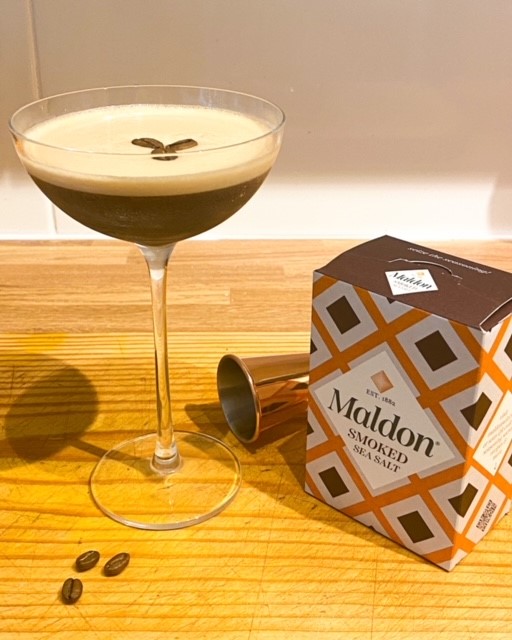
Kate’s Espresso Martini with Smoked Salt
Kate’s recipe
35ml Ketel One Vodka, try the Orange flavour! 35ml freshly brewed coffee (the longer you leave it, the more bitter it will be) 25ml Coffee liqueur & a pinch of Maldon
Q&A
What’s your favourite thing about working in the drinks industry? There are many things I love about this industry but the sense of community is amazing. Especially after past last year or so, the ability to help each other, support each other & the creativity.
If you could be sipping on a cocktail anywhere in the world, where would it be? Somewhere near a beach! I love the sea, most likely Jamaica with a Pina Colada in my hand. Maldon sea salt is great in a pina colada to work with the sweetness.
Your favourite bar you’ve ever visited? Employees Only was a super night when I visited a few years ago, the energy of the team was amazing & the music was great. Locally for me, Hacha Agaveria in London. I love the Agave spirits category, the atmosphere is always relaxed, you feel like you are in your friends living room & again the music is always on point.
1 Cocktail for the rest of your life, what is it? This is hard because your tastebuds desire so many flavours, if ONLY ONE choice, the Bloody Mary but really it can be so diverse. Substitute the tomato juice for a carrot or a green juice, endless variations of spices.