


Maldon Salt FAQ
We Are Worth Our Salt
Following recent questions about how Maldon sea salt is made, we want to apologise for not being clearer about our full process and explain our craft in more detail.
As a family business, our signature sea salt flakes have always been made in Maldon, England, using an artisanal salt-making technique, passed down through generations.
This traditional artisanal method is known as “salt-on-salt. We’ve been the custodians of it since the company was founded in 1882, and it ensures our sea salt delivers the best taste and texture.
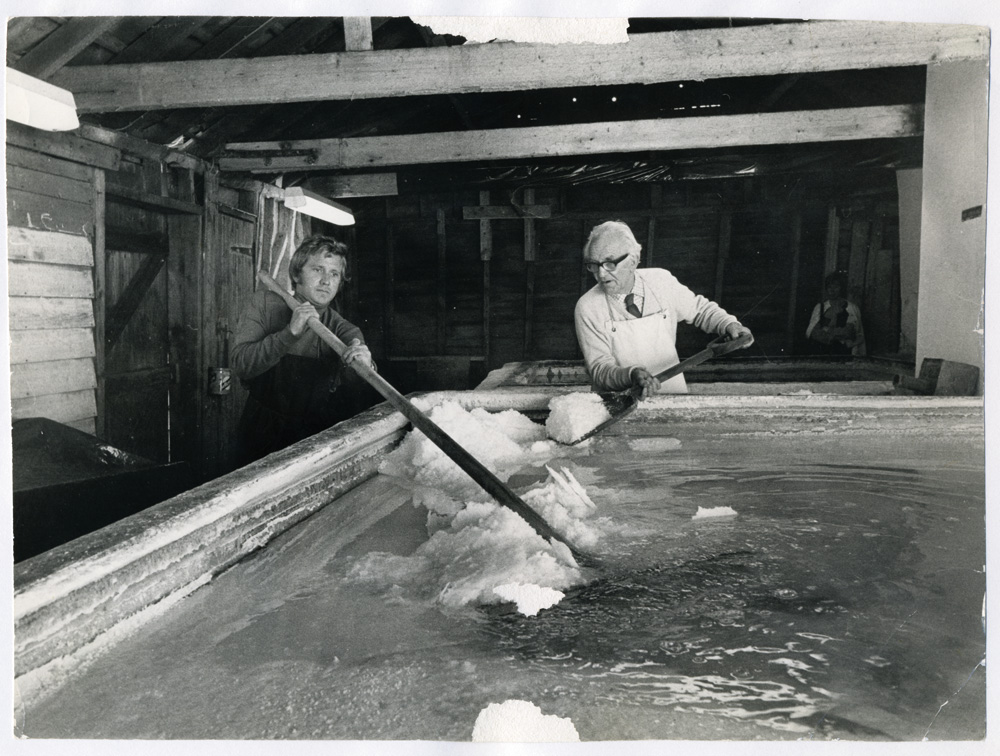
How does “salt-on-salt” work? Seawater is drawn in at high tide from the salt marshes at Maldon, when the seawater is at its most salty. Through our filtering process, the seawater’s nutrients are then enriched with additional natural mineral salts from pure rock salt. This forms a concentrated salty brine and is an essential step to achieve Maldon’s signature pyramid-shaped flakes. There is no Maldon sea salt without pure rock salt.
We source the highest quality natural rock salt for its purity and mineral content, this comes from Germany.
Our master salt makers carefully heat the concentrated brine in open salt pans as the water evaporates. We then harvest our sea salt flakes by hand.
We recognise we have not communicated this clearly enough in the past, and we are sorry for the confusion this has caused. Moving forward, we are looking at our packaging and sharing more about our process.
We are proud to be custodians of this salt-making craft, legacy, and of our British heritage that goes back centuries in the town of Maldon, England.
What is Maldon sea salt made from?
Maldon sea salt is made using seawater drawn from the salt marshes at Maldon, England. We use the traditional “salt-on-salt” method which includes pure rock salt from Germany to create the concentrated brine from which our signature pyramid-shaped flakes are formed. This is the same process Maldon has used since the company was founded in 1882.
Does Maldon use German rock salt?
Yes. We use pure rock salt sourced from Germany, chosen for its purity and mineral content. It is an essential part of our salt-making craft. There is no Maldon sea salt without pure rock salt.
Why do you add rock salt to seawater?
The pure rock salt brings the seawater to the concentration needed to produce Maldon’s signature pyramid-shaped flakes. This is an essential step in our traditional process.
What is the “salt-on-salt” method?
“Salt-on-salt” is our traditional artisanal salt-making technique dating back to the 1700s. We filter seawater, then enrich it with natural mineral salts from pure rock salt to form a concentrated brine. Our master salt makers gently heat this brine in open salt pans, carefully judging time and temperature as the water evaporates and the salt flakes form.
Where does your seawater come from?
Our seawater is drawn in at high tide from the salt marshes at Maldon, England, when it’s at its most salty. We then filter the seawater before it is used in our salt-making process.
Is Maldon sea salt made in Maldon?
Yes. Our distinctive sea salt flakes are made in Maldon, England, by enriching local seawater with pure rock salt sourced from Germany, to create a concentrated brine. Our master salt makers oversee the process and hand-harvest the finished signature pyramid flakes.
Are Maldon’s sea salt flakes harvested by hand?
Yes. After carefully controlling the time and temperature in our open salt pans, our master salt makers hand-harvest the signature pyramid-shaped flakes. This craft helps deliver Maldon’s distinctive taste and texture.
How long has Maldon used this salt-making technique?
We are the custodians of the traditional, artisanal “salt-on-salt” craft, and have been since Maldon was founded in 1882. The technique has been passed down through generations dating back to the 1700s.
Is rock salt just used for filtration or does it become part of the finished flakes?
Yes, the rock salt is used for filtration, but it goes beyond that. The rock salt enriches the seawater and becomes part of the brine. That brine contains dissolved salt from both sources. Our flakes form from it as water evaporates, so the rock salt contributes to the finished product; it is not simply removed after filtering the water.
How long have you used German rock salt, and why not British or Maldon rock salt?
There is no rock salt in Maldon, and enriching our local seawater has long been part of our traditional salt-on-salt craft. Our sourcing is led strictly by quality criteria, including the purity and mineral profile, required to form our signature pyramid-shaped flakes.
How can you call the product “100% sea salt flakes” when rock salt is used?
We understand why shoppers reading “100% sea salt flakes” expect only seawater from Essex, and we are reviewing how we explain this on our packaging so it is unmistakable. UK food regulators reviewed our process and confirmed our labelling meets legal standards because rock salt itself comes from ancient evaporated sea water and the chemical composition is that of the seawater from which it derives.
Why wasn’t the use of rock salt explained clearly before the media coverage?
We should have explained our process more clearly. Our previous information focused on the finished flakes and the craft of our salt makers, without giving enough detail about how we prepare our brine. We recognise that people want to understand both our production process and where our raw materials come from. We are now updating our website and reviewing our packaging to explain this clearly.
Has the salt itself changed? Is it still the Maldon I know?
Yes, the flakes in your kitchen are the same distinctive pyramid flakes, hand-harvested in Maldon with the same clean taste and zero anti-caking agents or additives. We know learning about the German rock salt in our brine came as a surprise, and we take responsibility for not sharing that story openly on our packs and website sooner. Nothing about the flavour, texture or safety of the salt has changed.
Is Maldon safe to eat?
Yes. Our salt is produced under established food-safety and quality controls. Our sites are independently audited, and our salt is subject to laboratory testing against the international standard for food-grade salt.
Will you change the way Maldon is made?
We have no plans to change our core salt-making method. We remain committed to the quality of our raw materials and the craft involved in producing our flakes, and we will share more information openly about how they are made.
Is this still a British artisan product?
Yes. Every flake is crafted in Maldon, England – heated in open salt pans, hand-harvested, dried and packed by our master salt makers using local seawater. While the natural rock salt we dissolve into our brine comes from Germany, the craft and family-run production remain in Maldon, and we’re updating our packaging to make that clear.
Check Out Our Latest Recipes

Sloe Gin Fizz Recipe
A beautifully balanced Sloe Gin Fizz made with Hayman’s Sloe Gin, fresh lemon juice, sparkling water, finished with a pinch of Maldon…
Read More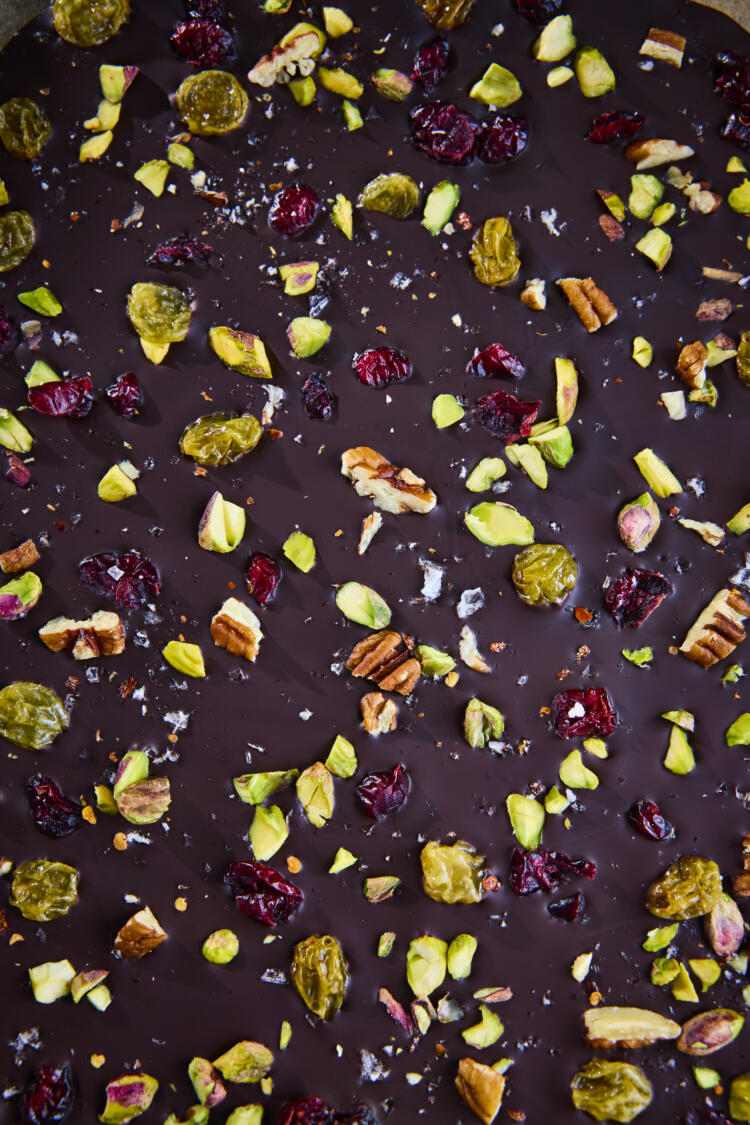
Chilli Chocolate Bark with Festive Fruits and Nuts
One tray, five minutes at the microwave and a slab of dark chocolate scattered with cranberries, golden sultanas, pistachios and pecans. Chill…
Read More
Fallow Chefs Blooming Aubergine with Sriracha Hot Honey
Aubergine is one of the most underrated vegetables in the kitchen. Often overlooked in favour of more familiar seasonal ingredients, it can…
Read More