


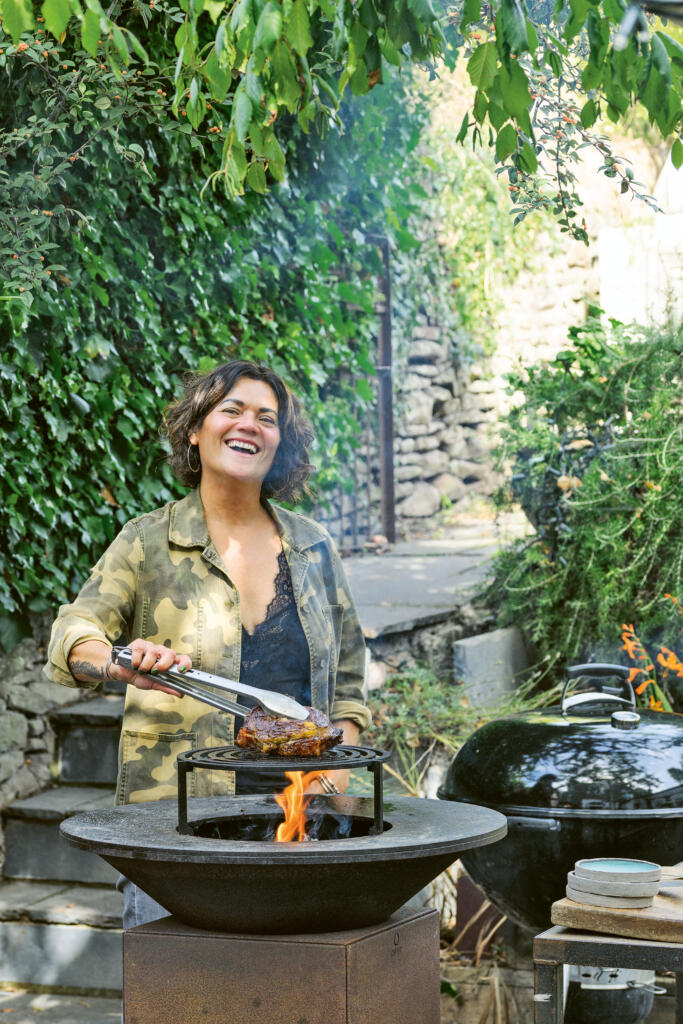
We’re thrilled to be featuring How To BBQ: The Definitive Guide to Fire Cooking by Genevieve Taylor – the ultimate handbook for anyone looking to master the magic of cooking over fire. Whether you’re a seasoned grill devotee or taking your very first steps beyond the kitchen, this block unlocks everything you need to cook confidently, creatively, and deliciously outdoors. Beautifully photographers and filled with Genevieve’s trademark clarity, warmth and expertise. It’s a standout celebration of real food, real heat, and real flavour.
Packed with over 100 flame-fuelled recipes, How To BBQ guides readers through every stage of live-fire cooking, from building and controlling heat to crafting flavour-packed dishes that go far beyond the expected burgers and bangers. Genevieve draws on more than two decades of experience to demystify grilling, answering the top questions home cooks ask – from choosing the right fuel to managing temperature with confidence. With quick midweek grills, slow weekend feasts, one-pot fire meals and spectacular showstoppers, this definitive modern BBQ bible offers inspiration for every season, for all types of grills, and for cooks of every skill level.
In Conversation with Genevieve Taylor
Gen, your new book is described as the definitive modern BBQ bible. After more than two decades working with live fire, what inspired you to bring all that knowledge together into How to BBQ.
This is the book I’ve been itching to write for years – it’s basically everything I know about cooking with fire, distilled into something that’s not just a collection of lovely recipes, but a proper guide to getting better at it. Fire is our oldest cooking tool – we’ve been at it since the dawn of humanity – but somewhere along the way we’ve lost a bit of that instinct. It’s still in us though, deep down. This book is about helping people find it again.
How to BBQ takes readers from the basics of building and controlling heat to creating flavour-packed dishes. What do you think is the single biggest misconception people have when they first approach live-fire cooking?
That everything has to be grilled or smoked to count as BBQ. It really doesn’t. I see the barbecue simply as a heat source – and once you get your head around that, you realise you can cook pretty much anything you like on it. It’s about control, not clichés.
The book includes over 100 flame-fuelled recipes. Which recipe in the book do you think will surprise readers the most – and why?
Probably some of the baking – Toad in the Hole, for example. People don’t expect that sort of thing from a barbecue, but once you understand how to manage heat properly, it opens up a whole new world. You stop thinking in terms of “BBQ food” and just start thinking about cooking, full stop. The book really leans into that breadth too – salads, sides, veg, meat, fish, loads of colour, herbs and spice – it’s about cooking properly over fire, not sticking to old-school ideas of what BBQ is supposed to be.
What would be your biggest tip for someone completely new to live-fire cooking?
Start with your fuel – it matters more than anything else. There’s a lot of low-grade, unethically produced, frankly rubbish charcoal out there, and it’s bad news on every level. But even beyond that, good charcoal is a pure carbon fuel, which means it burns cleanly and predictably. That gives you proper control over your fire. And once you’ve got control, everything else gets easier, slots into place. If you want the full geek-out, I’ve got plenty on my YouTube channel, GenevieveTaylorTV.
What does a normal day in the life look like for you, Gen?
Er… busy. And a bit chaotic, if I’m honest. This year is a bit full-on – I’ve got a series of wild banquets with The Fire Light Sessions, a new YouTube channel, teaching at Bristol Fire School, a US book tour, and fire-cooking trips to Paris, Sweden, Patagonia… plus something exciting brewing for East Africa. No two days are the same, there’s always a lot on, and occasionally things get dropped – but I wouldn’t have it any other way.
When I do get a bit of space, my perfect day is simple: a long walk or bike ride, then a fire in the garden with friends, good food, decent wine, and music. I’m happiest outdoors, always.
Name three things in the kitchen you can’t live without!
A really good chef’s knife – I’m lucky enough to have a few from Fingal Ferguson, and they’re a joy to use. After that, it’s the basics done properly: good salt and good olive oil.
Do you have a favourite cookbook that you’re currently reading? We’d love to know!
Honestly? Not really. I read a lot to switch off, but because food is my job, I don’t tend to reach for cookbooks when I’m relaxing. Sometimes you just need a break from your own world.
Coriander Lamb Skewers with Asparagus and Green Hummus Recipe
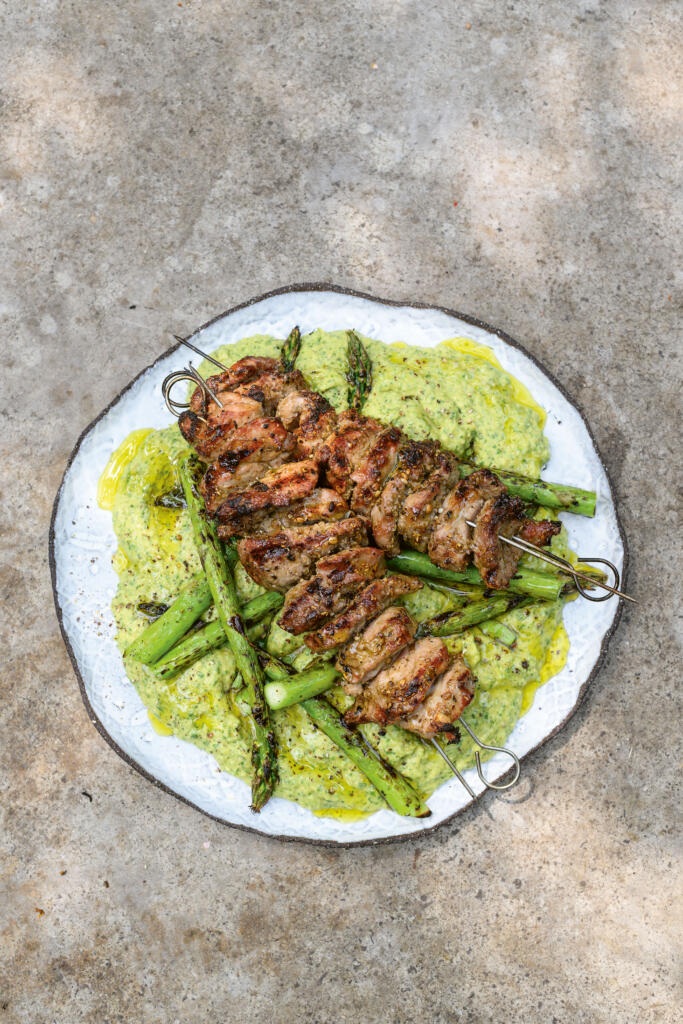
Lamb ribeye (or neck fillet) is a great cut to cook hot and fast. It’s especially tender here as it’s sliced thin across the grain and threaded onto skewers, but you can choose any cut of boneless lamb you like. Just make sure you cut all the pieces into similar sizes for even cooking.
Ingredients:
- 2 tbsp olive oil
- 1 garlic clove, crushed
- 1 heaped tbsp coriander seeds
- 200g (7oz) asparagus
- Maldon Original Sea Salt flakes
- Freshly ground black pepper
- For the green hummus:
- 1 x 400g (14oz) can chickpeas (garbanzo beans), drained
- 30g (1oz) mixed fresh herbs (coriander/cilantro and flatleaf parsley)
- 1 spring onion (scallion), roughly chopped
- 1 garlic clove, peeled
- 4 tbsp extra virgin olive oil
- ½ lemon, juiced, or to taste
- To serve
- extra virgin olive oil
- ½ lemon, wedged
- You also need 2–4 double metal skewers
Method:
- Slice the lamb fillet across the grain into 1cm (½in) pieces, adding to a bowl as you go. Add 1 tablespoon of the olive oil and the garlic.
- Set a small pan on the stove over a medium heat and tip in the coriander seeds, toasting for a couple of minutes before transferring to a mortar. Grind to a coarse powder with the pestle, then pour over the lamb. Season well with Maldon Original Sea Salt flakes and black pepper and use your hands to work everything into the meat. Cover and slide into the fridge to marinate for ideally a couple of hours, or overnight is great, too.
- If you want to get ahead, make the hummus while you marinate the lamb and chill in the fridge. Otherwise, when you are ready to cook, add the chickpeas, herbs, spring onion and garlic to a food processor and pulse until finely chopped. With the motor running, drizzle in the extra virgin olive oil and enough cold water to bring it to a consistency that you like (3–4 tablespoons will give you a smoother soft texture). Add a squeeze of lemon juice and season well with Maldon Original Sea Salt flakes and pepper. Set aside.
- Fire up the barbecue ready for hot direct grilling (page 38). Both the lamb and the asparagus grill quickly so you won’t need too much fuel.
- Spread the hummus out over a couple of plates in a thin layer. Drizzle with a little extra virgin olive oil and sprinkle with black pepper.
- Thread the lamb onto a couple of long skewers – double skewers (page 21) are always handy to prevent things spinning around. Drizzle olive oil over the asparagus and season with Maldon Original Sea Salt flakes and pepper. Grill the lamb skewers for 10–12 minutes, until lightly charred, turning a few times. Slide off the direct heat to keep warm. Grill the asparagus for 2–3 minutes until just tender. Remove the lot from the grill.
- Scatter the asparagus over the hummus and top with the lamb skewers. Squeeze over a little lemon juice and tuck in.
Where to Buy How To BBQ
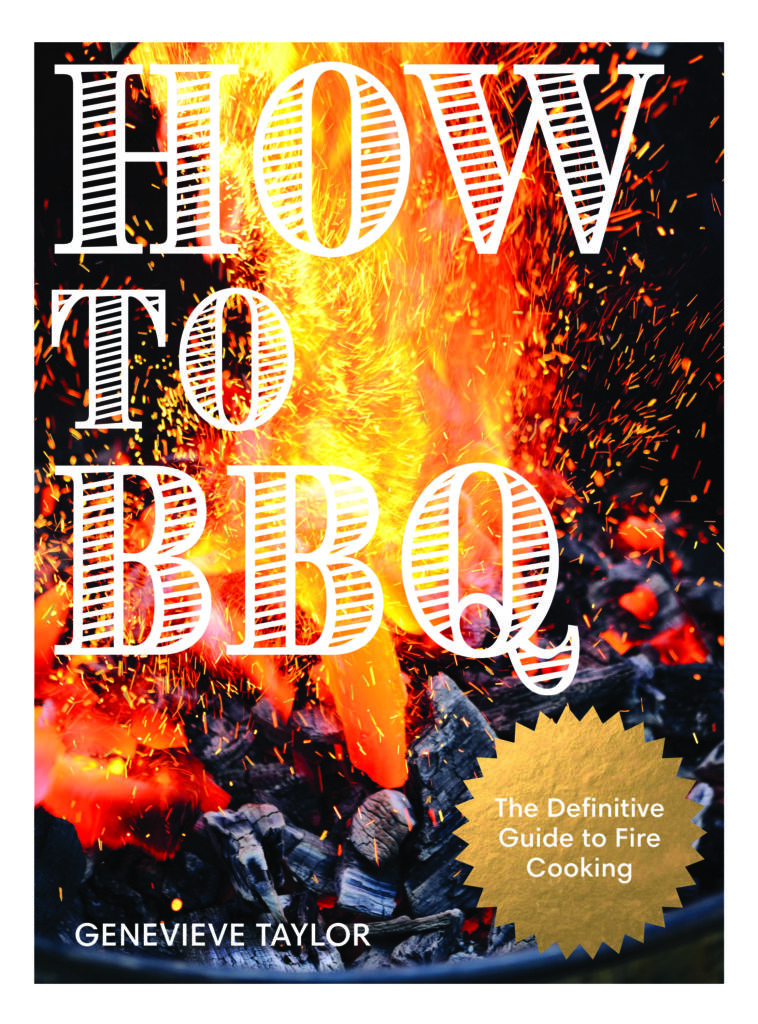
You can buy How to BBQ here, and start being creating with food and flavours in the comfort of your kitchen.
Make sure you have your Maldon Salt ready for these recipes! If you are running out, please feel free to browse on our Where to Buy Page to find your nearest store in which stocks our beloved Maldon Salt.
Lastly, we LOVE seeing your creations – please tag us on Instagram using the #maldonsalt so we can share your own take on Genevieve’s recipes!