Transform your squid with a coating of Maldon Salt and Sichuan peppercorns. When fried in vegetable oil, you will receive a fantastically crispy squid ring, so crunchy in texture you be wanting more! We garnish our squid with spring onions, red chilli and coriander to give a gentle warmth to the side dish.
We serve these with a sweet chilli dipping sauce and lime wedges to be gently juiced over to create that perfect balance of spice and zesty.
Prepare the squid by cleaning under cold water. Pull the tentacles from the body, removing the ink sac and pull out the quill that is inside of the body. Rinse the body sac. Cut through the head, just below the tentacles and remove the beak-like piece. Make sure to remove the membrane from the body, discard and wash the pieces of squid remaining again.
In a large bowl, mix the flours with the ground peppers and Maldon Salt. Add the squid and mix well so the pieces are evenly coated.
Heat the vegetable oil in a large pan until it reaches 180C, you want it to be at least 3 inches high up the side of the pan.
Deep fry the squid in batches for roughly 2 mins or until golden and crispy.
Remove from the oil and drain on some kitchen roll, and sprinkle with some extra Maldon Salt.
Serve the squid immediately, garnished with the sliced spring onions, red chilli and coriander leaves and serve alongside a sweet chilli dipping sauce and lime wedges.
Pad Thai originated from Thailand in the mid 1930s, with the dish known to be created from Thailand’s focus on nation-building. It is for that reason why there are Chinese noodles within the dish and being named ‘pad thai’ (thai stir fry) to embrace nationalism between the two counties.
We use juicy, king prawns sprinkled with roasted peanuts and beansprouts to give a crunchy-like texture to the dish. With powerful flavours of tamarind paste, chili flakes and fish sauce, this recipe is lip-smackingly tasty and you’ll be begging for second helpings!
Start by cooking the rice noodles according to the packet, drain and set aside tossing in a little oil to stop them sticking together.
Heat 1 tbsp of the oil in a large wok. Cook the king prawns until pink and just cooked, remove from the pan, and set aside. In the same pan add the second tbsp of oil and then the sliced shallot and fry until softened. Next add the fish sauce, sugar, tamarind paste, Maldon Salt and cook until the sugar has dissolved.
Next add the cooked noodles, rice wine vinegar and chilli flakes and cook for a minute.
Then push the noodles to one side and add the beaten egg. Cook and scramble the egg on the bottom of the pan and then once cooked, stir back through the noodles.
Remove from the heat and add the beansprouts, prawns, and chives.
Serve topped with the chopped, roasted peanuts, some extra sliced chilli and lime wedges.
These brioche rolls are the perfect addition to a picnic or street party, where we use a classic prawn cocktail filling to offer a level of nostalgia.
We give our rolls a ‘spicy’ twist with our sriracha mayonnaise, which is then topped with gorgeous ribbons of pickled cucumber, sliced avocado and shredded baby gem lettuce to give a delicious crunch.
We use cooked king prawns within this recipe, as we find that king prawns, (or tiger prawns), are more rich in flavour and deliciously juicy, in comparison to normal prawns. If you are looking for a sweeter prawn, you should try pink shrimp, as they contain less ammonia compared to other prawns, and have gentle suavity to them.
Start by pickling the cucumber ribbons. In a small bowl mix together the caster sugar, ½ tsp Maldon Salt and the rice wine vinegar until the salt and sugar have dissolved. Then add the cucumber ribbons and mix well, set aside to gently pickle whilst you make the rolls.
In a separate bowl, mix the mayonnaise, siracha and tomato ketchup. Season with Maldon Salt and cracked black pepper. Next add the cooked prawns and stir in so they are well coated in the sauce.
Slice open the brioche buns lengthways. First, pile in a little of the shredded baby gem lettuce, then top with the prawn cocktail mixture and a pinch of cayenne.
Finish with some slices of avocado and ribbons of the pickled cucumber.
What sauce is used for prawn cocktails?
The retro classic sauce used in prawn cocktails is a Marie Rose Sauce. This is made from using mayonnaise, ketchup and Worcestershire sauce. We add a few drops of Siracha to our recipe to give a gentle kick of heat to the sauce, which make the prawns sing in flavour!
What goes well with these rolls?
If you are looking to impress your guests at a picnic, we recommend serving these brioche rolls with our delicious arancini balls, with a side of homemade hummus for dipping!
This recipe will show you how to bake a potato in an air fryer to achieve a deliciously crispy skin and a fluffy centre.
Air-fried foods, like jacket potatoes, are taking the world by storm due to the many benefits it can bring, from being energy efficient to speeding up the cooking by 40 minutes! In contrast, baking a jacket potato in the oven at 200C will take roughly 1 hour – 1 hour 20 minutes – that’s a pretty long time when you can have a perfectly baked potato in minutes. Plus, it’s a easy to make, you simply put the potato in the air fryer basket and bake!
You can use two methods to make a showstopping jacket potato in the air fryer:
Microwave them first, and then finish off the baking process in the air fryer.
Air frying them for the full length of time.
Our recipe follows the second method, where we will be air frying the jacket potato for the whole duration. This is the easier method to follow as you do not need any further equipment!
If you are wanting to microwave the potatoes first, we recommend cooking on high for 8 minutes, and then air frying for a further 8 minutes. This method will is quicker than our method, as you are speeding up the cooking process with heating the jacket potato in the microwave first, softening the outer, hard skin.
When choosing what type of jacket potato to bake with, we recommend medium to large varieties that have soft, fluffy centres. Specific types of potatoes you need to look for are Maris Piper or King Edwards as these are considered the best for baking. If you are based in America, we recommend looking for Russet Potatoes, which are also known as Idaho potatoes.
How to cook jacket potatoes in an air dryer?
Start by washing the potatoes to remove any dirt and impurities. Then, pat dry with kitchen paper or a towel.
Begin pricking the potatoes with a fork. We recommend pricking about 4 times around each potato.
Transfer the potatoes to a plate or bowl, rubbing with olive oil and a generous sprinkle of Maldon sea salt flakes. Set aside.
Spray the air fryer basket with cooking spray or cooking oil to create a non-stick layer so that the potatoes will not stick together.
Arrange the potatoes in a single layer in the air fryer basket.
Set the air fryer to 200c and cook for 40 minutes until the potatoes are crispy on the outside and fluffy in the middles. We rotated the potatoes after 20 minutes to have an even bake on each side. The baked potatoes should be done when a sharp knifes can go through them easily.
When baked, the skin on the jacket potatoes should be perfectly crisp and the inside tender and fluffy as you cut through the centre.
What to have with jacket potatoes?
Toppings and fillings:
We chose to fill our jacket potato with a classic tuna mayonnaise. The combination of tuna, creamy mayonnaise with a handful of spring onion and chives gives this lunchtime favourite plenty of flavour and is easy to make.
Here is how to make tuna mayonnaise:
Drain the tuna and add to a bowl.
Mix with the mayonnaise, a pinch of Maldon sea salt flakes, cracked black pepper, chopped chives and spring onions.
Open the jacket potatoes and melt some butter on first.
Spoon in the tuna mayonnaise, and top with grated cheddar. Sprinkle with a final few chives.
Other toppings can include:
Baked beans. Either home-made or branded like Heinz, this is the ultimate comfort food dish and makes a great healthy option for your supper.
Chilli / Chilli con carne. Use up your leftovers by filling your jacket potatoes with chilli. Perfect when you are short on time and want to feed a family.
Cheese. Simple but much-loved. There are many types of cheese that you can use, but cheddar is the most common due to the irresistible creaminess is gives out when it melts on top of a steaming baked potato.
What to serve with jacket potatoes:
Salad. A refreshing caprese salad is the perfect pairing for a jacket potato. The sweet heirloom tomatoes mixed with creamy buffalo mozzarella compliments the fluffy centre of the baked potato, creating a delicious, melt-in-your-mouth experience.
Broccoli. Roasted tender stem broccoli provides nutrients and is infused with sweet, earthy goodness which matches the same flavour profile of the jacket potato. Laid on a bed of creamy feta, you’ll be going in for seconds!
Steak. It’s a classic combination that you see in most restaurants! A juicy ribeye steak with a jacket potato on the side is a match-made-in-haven as the tender meat and juices are soaked up nicely with the baked potato, holding flavour as you savour every bite.
Can you cook frozen jacket potatoes in an air fryer?
The simple answer is yes!
You can certainly cook frozen jacket potatoes in the air fryer. We used McCain Ready Baked Jacket Potatoes, which are already pre-oven baked and are super convenient if you are struggling for time and want a tasty, fuss-free meal!
As the jacket potatoes are already pre-oven baked, simply put them in the air fryer at 180C for around 20 minutes. Depending on the size of the potato, cooking time may vary slightly so keep having intervals between baking to see if they are baking evenly.
Start by shredding the Brussel sprouts, making sure to remove any tough white parts.
In a large bowl whisk together the eggs with the milk, plain flour, baking powder and nigella seeds. Then season well with Maldon Salt and cracked black pepper. Finally stir in the shredded sprouts and ½ the lemon zest.
Heat a large non-stick frying pan with some oil. Then ladle in the pancake mixture and fry them off individually, for a few minutes on each side until slightly risen and golden brown. Keep them warm in a low temperature oven while you cook the rest – the mixture should make 4- 6 pancakes, depending on their size.
Mix the crème fraiche with the horseradish and remaining lemon zest. Season well with Maldon salt and cracked black pepper. Serve alongside the pancakes and some smoked salmon, topped with dill sprigs, lemon wedges and black pepper.
Ever heard of beet curing? Usually we would cure fish with salt to help preserve the flavours and succulence, however we have used beetroot in the curing process to give the salmon a magnificent maroon colour to the meat. This also gives the salmon tones of sweetness and earthiness which can be enjoyed by family and friends during the festive period.
We’ve used Le Cresuet’s Stoneware Baking Dish (32cm) to place all the ingredients in together as the length and depth of the baking dish allows the beetroot to cure the entire salmon effectively, preserving the succulent, earthy flavour for the fish.
In a food processor blitz together the beetroot, orange zest, lemon zest and juniper berries. Pulse until it resembles a smooth paste. Tip into a large bowl and then mix with the dill, Maldon Salt, horseradish sauce, and golden caster sugar.
Place the salmon, flesh side up, in a baking dish which comfortably fits it, and then spoon and press the beetroot cure on to the fish. Press and pack it in firmly and make sure it is covered all over. Then tightly wrap the tray in cling film and place in the fridge for 2 – 3 days.
Once a couple of days have passed and it’s time to serve the salmon, remove it from the fridge and wash the cure off. Then place on a board and use a sharp knife to thinly slice. Serve the salmon with the fennel salad, lemon wedges, slices of soda bread and caper berries.
Salmon pate is one of our favourites to tuck into! What is so delicious about smoked salmon is that it gives off the perfect ‘smoky’ flavour which pairs well with the rich, creaminess of the crème fraiche. Combined together creates an excellent side dish to be shared and enjoyed with family and friends.
Put the ingredients into a mixing bowl.
Mix together so everything is combined with a generous pinch of Smoked Maldon Salt to give a ‘smoky’ warmth to the pate.
Serve with Rye bread, lemon wedge and an extra sprinkle of dill.
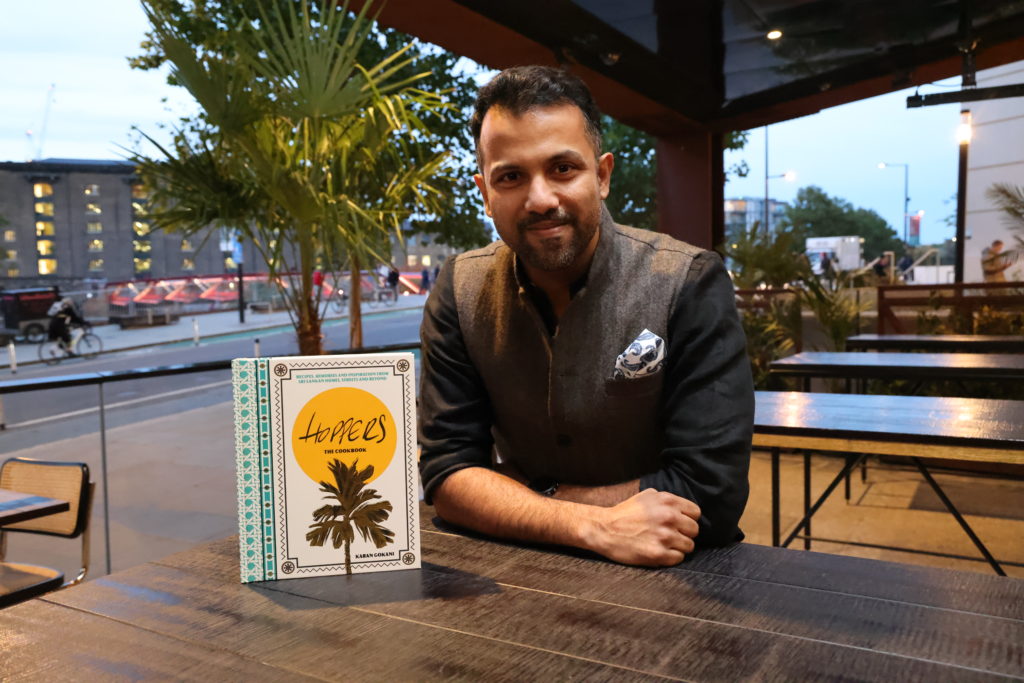
PHOTO BY: STEVE FINN: Hoppers The Cookbook. The Book Launch Of Karan Gokani.
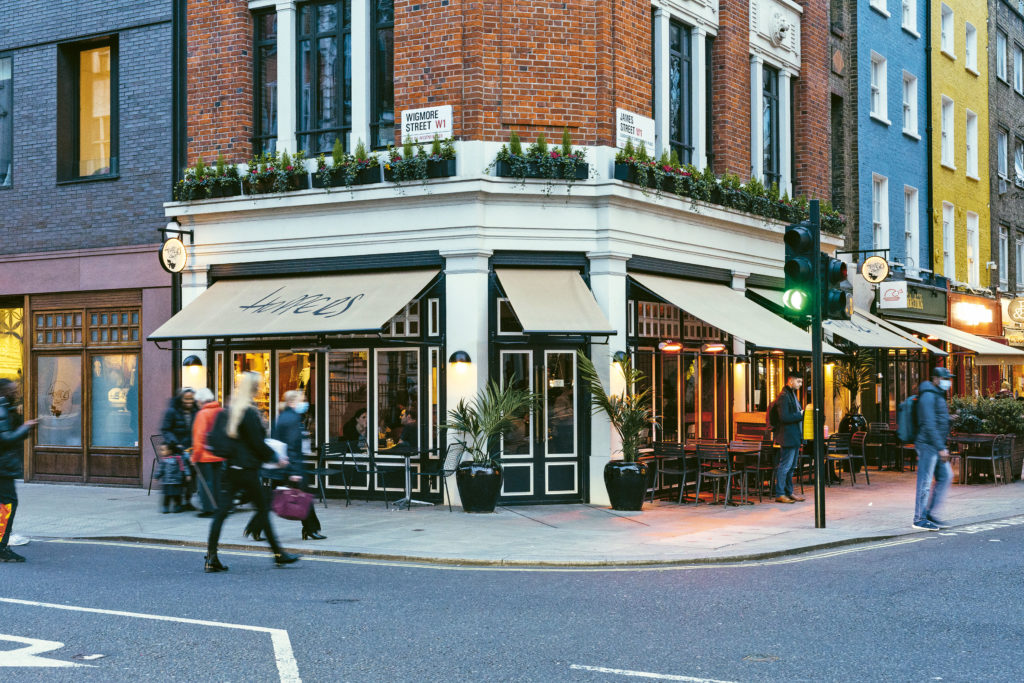
Hoppers shares the love and passion for Sri Lankan cuisine in which is now being cherished throughout the three restaurants located around London: Soho, Marylebone and King’s Cross. The face behind the name is none other than Karan Gokani, co-founder and creative director of Hoppers…a huge advocate for this delicious cookery.
The name ‘Hoppers‘ itself derives from the common dish of a bowl-like pancake made from coconut milk and rice flour. Also known as ‘Appams‘ this dish is enjoyed by many Sri Lankan’s and Southern Indians for breakfast or even dinner time!
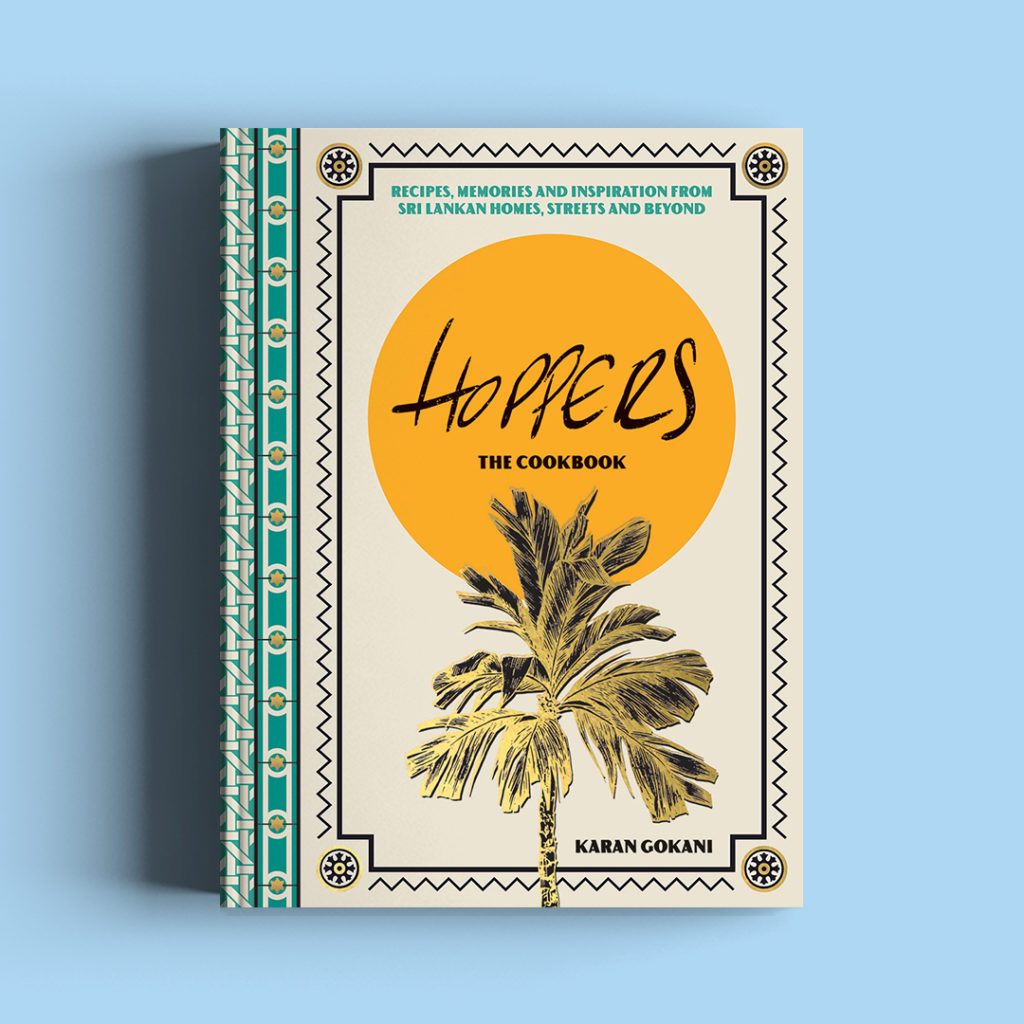
With seven years of great appreciation to the cuisine, Karan has finally released the debut ‘Hoppers: Cookbook’. Karan writes a story of personal memories, collections of the restaurant’s favourite recipes and stories through the many visits to Sri Lanka from when Hoppers was first conceptualised… Now, they get to share a little piece of this cuisine with you at home.
PHOTO BY: STEVE FINNS: Hoppers The Cookbook. The Book Launch Of Karan Gokani.
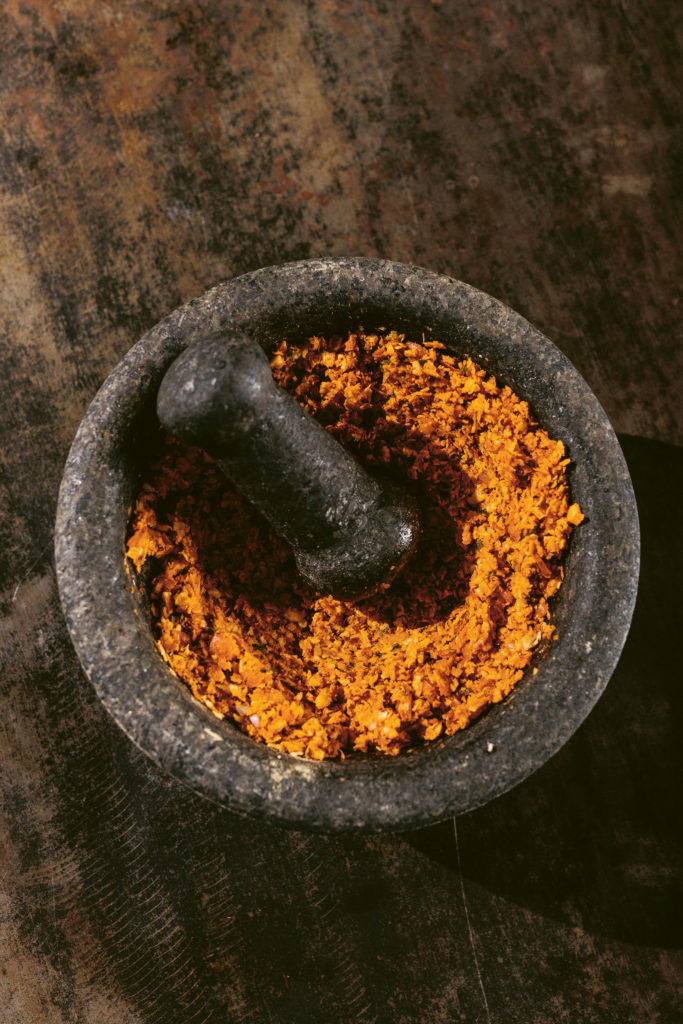
Within this cookbook, Maldon Salt is used for the creation of the deliciously good Pol Sambol. Sambols in general sit between a relish and a salad, where raw ingredients are pounded with chilli flakes to be served as a condiment.
Make sure to use a pestle and mortar for this dish, as the pounding of the ingredients will break up the cells and release intensified flavours!
80g (2¾oz) Thai shallots (or 50g/1¾oz Indian onion), Finely Chopped
100g (3½oz) Fresh Coconut, Grated
Juice of 1 Lime
Method:
Grind the black peppercorns, chilli flakes, Maldive Fish Flakes and Maldon Salt in a pestle and mortar until you have a coarse red powder.
Add the green chillies and shallots and pound the mixture with the pestle until the ingredients start to break up into a rough paste.
Add the grated coconut and continue to pound and stir until everything is well mixed and bright red. Add the lime juice gradually and taste as you go, you might not need it at all. This is best eaten straight away, but any extra sambol can be stored in the fridge for up to 2 days.
PHOTO BY: STEVE FINN: Hoppers The Cookbook. The Book Launch Of Karan Gokani.
We love seeing your creations you dish up on Instagram! Tag us using #maldonsalt so we can see your culinary concoctions come to life when you add a sprinkle of our salt.
Sautéed mussels is simple yet effective dish with the pairings of lemon and garlic to bring out the flavours of the shellfish. By using a generous glug of larger, this will give the recipe a spiced, sweet-bitter taste that will impress your guests.
Heat up the wok with the oil. Peel ½ a lemon and cut it in half. Brown the crushed garlic and lemon peel and turn up the heat.
Squeeze the lemon over the mussels and add them to the wok. Add the lager, stir, cover and leave to cook for 5 minutes.
Drain off the resulting juice from the mussels and drizzle it over mussels. Sprinkle Smoked Maldon Salt on top and serve hot, or at room temperature with slices of bread to mop up the sauce.
The classic Paella, a cult favourite within the Spanish cuisine. Paired with saffron flavoured rice, this dish carries an abundance of flavours, including chicken; Norwegian Lobster, squid, mussels and monkfish.
For the mussels, heat two inches of water in a saucepan over a high heat. When it reaches the boil, add the mussels for a minute, remove from the heat and set aside without opening the lid.
Whilst the mussels are boiling, begin prepping the remainder of the vegetables, chopping them finely. Heat the paella pan, keeping the pan on a medium-high heat in the centre, whilst keeping the sides at a low hear.
Pour 2 tbsp of oil in the centre of the paella pan. Add the head of garlic to the pan.
Brown the Norwegian Lobsters and prawns for 1 minute on either side and remove them.
For the sauté base, move the garlic to the side of the paella pan, add another 1 tbsp of oil and sauté the onion until it starts to turn transparent. Add the green pepper and stir the mixture as it cooks for 5 minutes at a low heat. Add the tomato and stir the mixture together. Add a pinch of sugar and Maldon Salt.
Move the sauté mix to the sides of the paella pan where the heat is lower. Add another tablespoon of oil and fry the chicken for 5-10 minutes and the squid 5 for minutes more (until they are golden). Bring the sauté mix back to the centre of the paella pan, mix everything together and push it back to the sides.
Sauté the green beans and peas for 2 minutes. Bring the sauté mixture back from the sides to the centre and stir everything together.
Add the remaining oil and the rice, stirring with the ingredients for 2 minutes over a high heat. Spread the whole mixture evenly over the paella pan, with the garlic head in the middle.
Add the fish stock. When the water boils, lower the heat to the minimum and leave to simmer for 20 minutes. After 10 minutes, add the diced monkfish to the rice. Open the mussels, keeping only the shell with the mussel meat. Finally, place the prawns, Norwegian Lobsters and mussels on top of the rice.
After 20 minutes, turn off the heat, cover with a clean tea towel and leave to rest for 5 minutes. Serve with eighths of lemon. Finish with a pinch of Maldon Salt.