


Centrepiece by Helen Graham
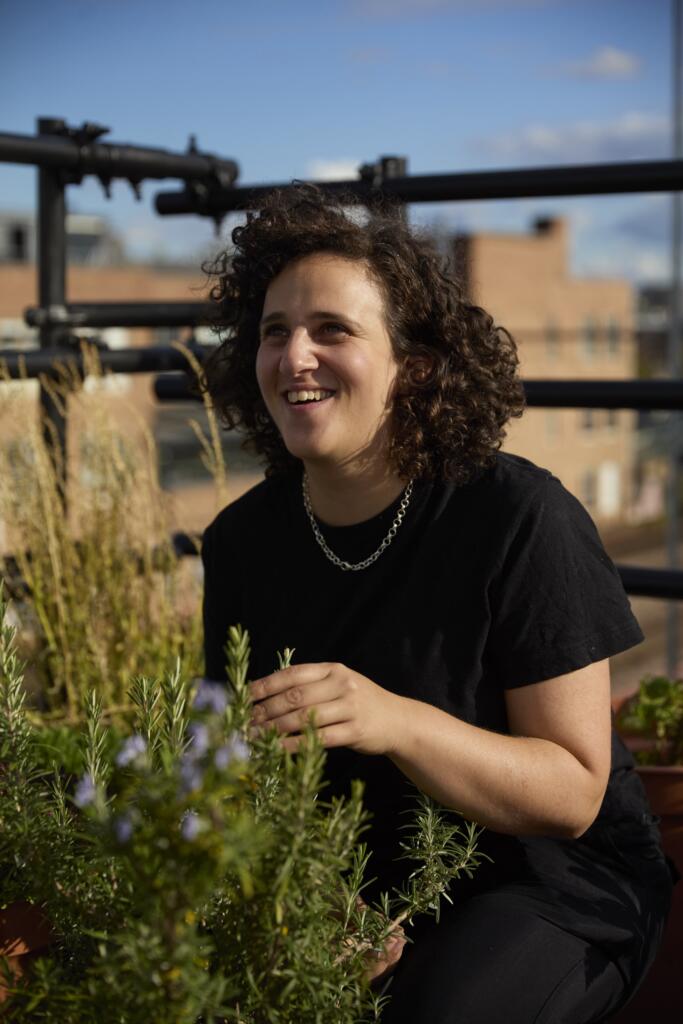
Vegetables take their well-deserved moment in the spotlight in Centrepiece, the beautiful debut cookbook from chef and food writer Helen Graham. Known for her bold, generous flavours and deeply considered approach to plant-forward cooking, Graham celebrates vegetables not as an afterthought, but as the heart of the table. Drawing inspiration from the Middle East, North Africa, and her Ashkenazi Jewish heritage, Centrepiece is a vibrant collection of recipes designed to be cooked, shared and lingered over – dishes that feel just as fitting for a dinner party as a relaxed weekend meal at home.
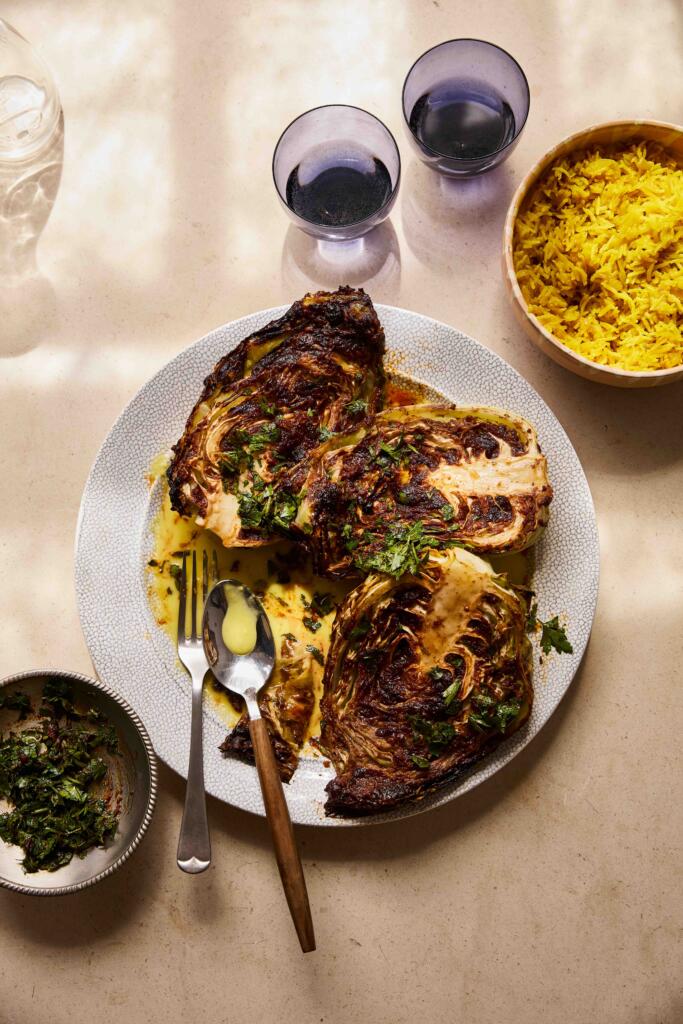
In this feature, we’re diving into one of the book’s standout recipes: Pilpil-style Roast Cabbage with Shiitake and Preserved Lemon. It’s a dish that perfectly captures the spirit of Centrepiece. – humble ingredients transformed through thoughtful technique and fearless seasoning. Roasted until deeply caramelised, the cabbage is paired with savoury mushrooms, sharp preserved lemon and a spicy pilpil-inspired oil that brings warmth and depth to every bite. It’s a simple yet striking, and a brilliant example of how Graham elevates everyday vegetables into something truly special.
Why Maldon Salt is important in pilpil-style dishes
Pilpil-style cooking (inspired by Basque methods) is all about emulsification, heat and purity of ingredients. Maldon Sea Salt isn’t just seasoning here – it’s structure.
- Draws out moisture – Maldon Sea Salt helps pull excess water from the cabbage and mushrooms as they roast. This encourages deep caramelised, intensifying sweetness in the cabbage and umami in the shiitake rather than steaming them.
- Balances bold elements – Preserved lemon is intensely salty and citrusy; chilli oil brings heat. A good pinch of Maldon Sea Salt lets you season precisely, so those assertive flavours stay bright and balanced, not muddled or flat.
- Supports emulsification – In pilpil-style oils, Maldon Sea Salt helps stabilise the emulsion between oil, vegetable juices, and aromatics – giving you that glossy, clinging finish instead of a split or greasy sauce.
How to make Pilpil-style Roast Cabbage with Shiitake & Preserved Lemon
The word pilpil actually refers to a Basque sauce for fish in which oil and garlic come together with the cooking juices, emulsifying into a thick sauce. The sauce is named pilpil after the way it sputters in the pan. This is my homage to that sauce, with the addition of persevered lemon.
- Preheat the oven to 180c, Gas Mark 6.
- Line a baking tray with nonstock baking paper.
- Place all the ingredients for the shiitake marinade in a bowl and whisk until thoroughly combined; it will form a stiff paste.
- Cut the cabbages in half through the cores and place on the lined tray. Spoon one-quarter of the marinade on the cut side of each cabbage and use the back of the spoon to press it into all the crevices, ensuring the cut side is evenly covered. If any areas look a little dry, give them a drizzle of olive oil. Toast for 30-35 minutes until the marinade is starting to look caramelised and you can slide a knife easily through the cores.
- Meanwhile, for the sauce, place all the ingredients except the oil in a jug and use a stick blender to blitz it into a fine, paste. With the blender still on, slowly add the olive oil, a trickle at a time, until it’s all combined and you have a thickened, pale yellow sauce.
- Make the spiced parsley by stirring all the ingredients together in a small bowl.
- Smooth the pilpil sauce on to a serving dish, top with the warm cabbage halves sprinkled over the spiced parsley to serve.
Have You Tried it?
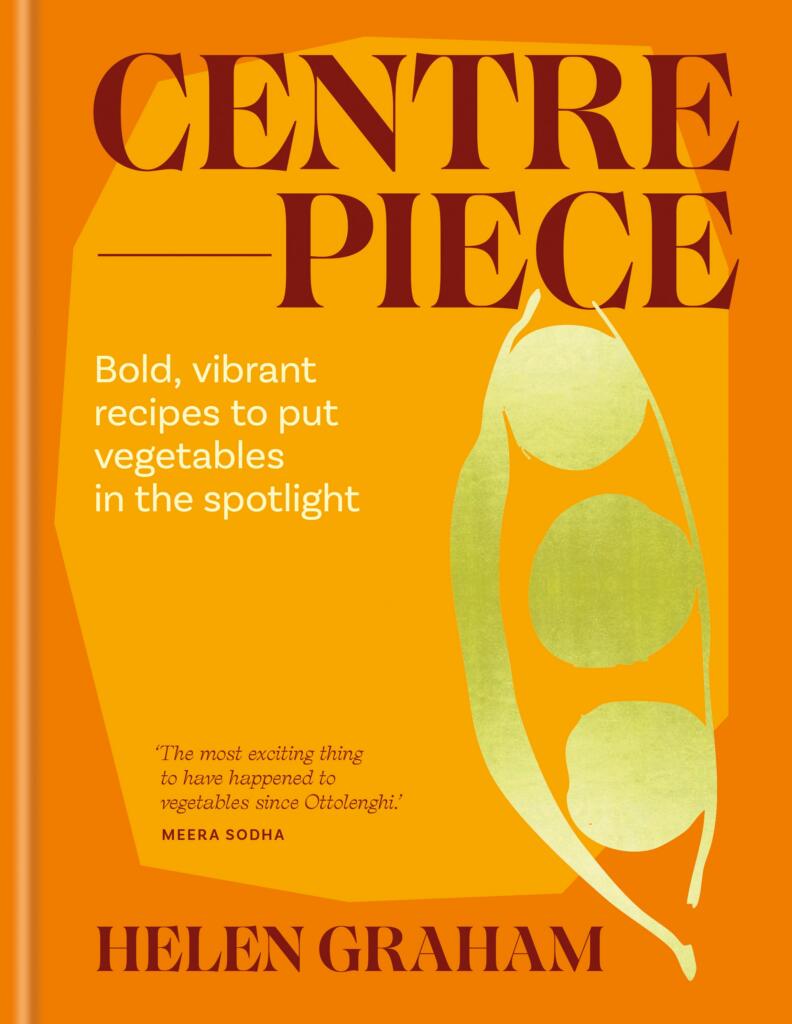
If you try this recipe at home, we’d love to see it – tag us in your creations so we can share your wonderful cooking with our community. And if you’re feeling inspired to whip up delicious recipes in your kitchen, you can purchase Centrepiece by Helen Graham here.