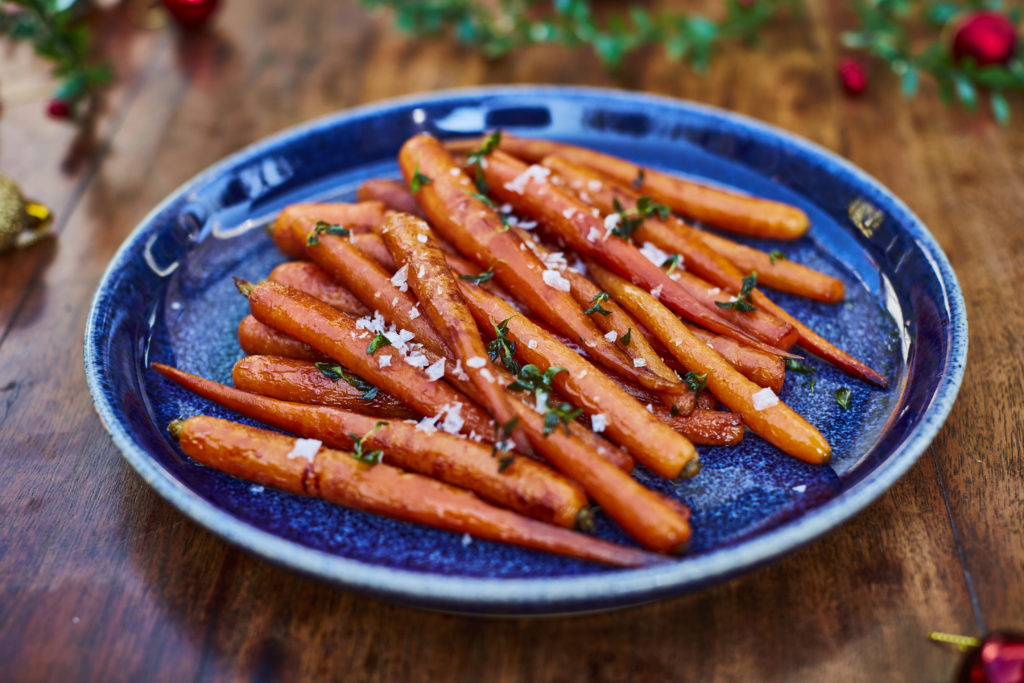
For a quick and delicious side dish, these caramelised air fryer carrots are a game-changer. Lightly crisp on the outside, tender on the inside, and packed with natural sweetness, they’re elevated by the signature crunch of Maldon Sea Salt flakes. This effortless recipe takes 15 minutes at 200°C, making it the perfect addition to weeknight meals or special occasions.
Pair these sweet and savoury carrots with roast meats for a classic combination, or toss them into warm salads for a burst of flavour and texture. The air fryer ensures perfectly caramelised edges with minimal effort, letting the natural flavours shine with just a hint of seasoning. Simple, quick, and incredibly satisfying!
How to air-fry carrots perfectly
Make sure the carrots are scrubbed clean and preheat the air fryer to 200c. There is a no need to peel the carrots or remove the tops.
Place the carrots into the basket and drizzle with the olive oil and honey, then place into the air fryer for 15 minutes until they are tender and starting to caramelize on the outside.
Remove from the air fryer and transfer onto a serving platter. Season with Maldon Sea Salt and cracked black pepper to taste and then scatter over a few thyme leaves before serving.
Recipes to make with carrots
Here are a few delicious carrot recipes to try out during the week. Each recipe brings out the natural sweetness of carrots, beautifully balance by the clean, crisp finish of Maldon Sea Salt flakes.
Transform your ordinary carrots with a beautiful lemon and honey glaze. When roasted, carrots give a delicious, sweet and earthy taste. When paired with lemon, it adds a tasty citrusy kick, whilst a generous smothering of honey enhances the natural sweetness of the carrots.
This recipe was created by Rukmini Iyer, a celebrated author and culinary innovator, known as the queen of fuss-free flavour. The dish focuses on roasting carrots with coriander seeds under foil whilst making a rich, silky butter bean mash to pair with the carrots and soak up any leftover juices.
This versatile chickpea salad is perfect as a min dish, a side, or even for meal prep. Combining the creaminess of chickpeas with the vibrant pomegranate seeds, butternut squash and crunchy baby carrots, this dish is a flavour-packed powerhouse! A generous pinch of Maldon Garlic Sea Salt flakes elevates the flavours, making it the perfect plant-based option for any day of the week.
Preheat the oven to 180c.
Firstly, start with the Hasselback potatoes. The easiest way to make the cuts is to place a potato onto a chopping board and put a chopstick flat on either side. Then using a knife, carefully cut slices all the way along the potato – the chopsticks will ensure that you don’t cut fully through the potato. Repeat this with each potato.
Place the leg of lamb onto a large roasting tray skin side up, and then nestle the prepared potatoes around it. Cut the shallots in half lengthways and add them to the tray. Cut the garlic bulbs in half, cutting through the cloves like a cross section. Add two of the halves to the tray. Use a sharp knife to insert some small cuts into the skin of the lamb, then press some of the other cut garlic cloves and small sprigs from the rosemary into the cuts. Slice the lemon in half and add this to the tray as well. Finally slot the bay leaves into some of the cuts of the potatoes.
Drizzle the potatoes, shallots, garlic and lemons with 3 tbsp of the olive oil then drizzle the remaining two across the lamb. Season well with Maldon Sea Salt and cracked black pepper. Place into the preheated oven and roast for 1 hour 25 minutes.
While the lamb and potatoes are cooking, make the salsa verde. Add the chopped shallot, anchovies, capers and herbs into a bowl. Add the red wine vinegar and give it a stir. Then slowly drizzle in the olive oil and give it a good mix. Season with Maldon Sea Salt and cracked black pepper to taste. Set aside.
Once the lamb is cooked, remove it from the oven. The potatoes should be lovely and golden, and tender in the middle – but if they need a little longer, simply lift the lamb out onto a board to rest and return them to the oven for 10 minutes. Allow the lamb to rest before carving and serving with the potatoes, some greens and the salsa verde.
This aubergine traybake with tahini dressing is a Middle Eastern-inspired dish that combines bold flavours with vibrant textures in a single roasting tin. Perfect for busy weeknights or effortless entertaining, this recipe transforms tender roasted aubergine into a show-stopping centrepiece. The smoky heat of rose harissa pairs beautifully with creamy tahini dressing, while a sprinkle of Maldon Sea Salt flakes enhances every bite. Ready in just 45 minutes, this dish is finished with chopped parsley, but you can also use fresh mint leaves, toasted pine nuts and a touch of lemon juice for a extra burst of freshness.
Step 1
Preheat the oven to 180c.
Step 2
Prepare the aubergine but slicing them in half lengthways, keeping the stalk on, so you have 4 halves. Then score the flesh of each half with a sharp knife in a crisscross pattern – making sure to only cut the flesh and leave the skin intact.
Step 3
Then take a large baking tray and add the chickpeas, red onion wedges and red pepper chunks to the tray. In a small bowl, mix together the harissa and olive oil. Drizzle most of this in the tray and toss so all the ingredients are well coated.
Step 4
Next add the aubergine halves on top of the other veg in the tray so the cut side is facing up and then brush with the remaining harissa paste mix. Season well with Maldon Sea Salt flakes and cracked black pepper.
Step 5
Place the tray into the preheated oven for 25 minutes until everything is starting to look charred and softened. At this stage add the cherry tomatoes on the vine and nestle them in the tray around the aubergine, drizzling with a little extra oil. Then place the tray back in the oven for an additional 20 mins.
Step 6
While the veg is cooking, prepare the tahini dressing. Simply whisk together the tahini, lemon juice and olive oil. Then add as much water as needed until you reach a drizzle consistency – start with a tablespoon at a time. Season well with Maldon Sea Salt flakes and cracked black pepper.
Step 7
When the traybake is ready, remove from the oven and drizzle over the tahini dressing and the chopped parsley. Serve alongside some charred pitta bread, if you like.
Can you keep cooked aubergine in the fridge?
Yes, you can keep cooked aubergine in the fridge. Make sure to store it in an airtight contained for up to 3-5 days, however it’s best consumed within a few days for optimal freshness.
Can you keep cooked aubergine the freezer?
Yes, you can store cooked aubergine in the freezer for up three months in an airtight container. When you are defrosting your aubergine, thaw it in the fridge for 24 hours. Make sure to drain any excess water and pat dry to prevent it from becoming mushy!
Indulge in the perfect autumn dish with our air fryer pumpkin gnocchi, served with a rich, creamy sauce. Roasted pumpkin, caramelised onions, and soft gnocchi come together, topped with crispy sage, toasted walnuts, and a sprinkle of parmesan. This comforting homemade meal is easy to prepare and bursting with seasonal flavours, offering a flavour-packed experience. This air fryer pumpkin gnocchi recipe will transform pillowy gnocchi into a golden, slightly crisp delight, enhanced by a luscious pumpkin-infused sauce!
Whether you’re a fan of a classic potato gnocchi or a lover of seasonal pumpkin puree, this dish brings together the earthy richness and the aromatic crunch of fried sage, and the creamy decadence of parmesan cheese. Ready in no time, this dish is a celebration of simplicity and flavour, perfect for weeknights or impressing dinner guests.
Here’s how to make the pumpkin gnocchi and crispy sage recipe…
Step 1
Start by preparing the pumpkin by peeling and deseeding it, then cutting it into small 2cm pieces. Then preheat your air fryer to the desired setting – we did ours at 180c. Place the diced pumpkin into the basket along with the onion wedges and drizzle with olive oil then season with Maldon Garlic Sea Salt and cracked black pepper.
Step 2
Cut the garlic bulb into half so the cloves are exposed and then wrap each half in kitchen foil. Place these wrapped bulbs into the basket with the pumpkin and onions. Place the basket into the air fryer and roast for 15 – 20 minutes until the pumpkin is tender and the onions have softened and charred, remove from the basket and set aside. Once cool enough to handle, unwrap the foiled garlic bulbs and the garlic should be golden and soft inside – if they need a little simply wrap them again and place back in the air fryer for 5 minutes more.
Step 3
In a small frying pan add some oil and heat to a medium heat, then add the sage leaves and allow then to fry for a minute or so until crisp then remove and set aside. Place the walnuts into the air fryer and toast for 5 minutes. Then remove and roughly chop.
Step 4
Place a large pan of salted water on to boil and season well with Maldon Sea Salt. Then cook the gnocchi according to the packet instructions, then drain them but make sure to reserve a large mug of the cooking water. Place the drained gnocchi into a large frying pan.
Step 5
Put the roasted pumpkin and onion into a blender. Squeeze the garlic out of the paper skins and add to the blender too. Then add the grated parmesan, some Maldon Garlic Sea Salt and cracked black pepper to the blender along with 50ml of pasta water. Blend until smooth, adding a little more pasta water if required.
Step 6
Tip the smooth sauce into the pan with the cooked gnocchi and gently heat through, tossing well. Again, you can add a splash more of the pasta water here if it’s looking a little thick – you want a nice glossy sauce.
Step 7
Serve the gnocchi in bowls and then top with the toasted walnuts, crispy sage leaves and some extra grated parmesan.
Alternative sauces you can use for your gnocchi
Here are three delicious sauces to try instead of pumpkin for your gnocchi recipe:
Pesto Sauce
Brighten your gnocchi with a vibrant basil pesto. Blend fresh basil leaves, garlic, pine nuts, parmesan cheese, olive oil and a pinch of Maldon Sea Salt until you get a smooth sauce. Toss in your cooked gnocchi for a fresh, herbaceous twist. This sauce is perfect for those looking for a light yet flavourful option!
Creamy Parmesan Alfredo Sauce
For a rich and indulgent option, whisk together cream, butter, and freshly grated parmesan cheese over medium heat until smooth and velvety. The creamy Alfredo sauce coats the gnocchi beautifully, creating a luxurious dish for a cosy dinner. Add a touch of nutmeg for extra depth.
Tomato Butter Sauce
A simple yet irresistible choice, this sauce combined the tanginess of tomatoes with the richness of butter. Simmer crushed tomatoes with a generous amount of butter, garlic and a pinch of Maldon Sea Salt until thickened. Toss the gnocchi in the sauce and finish with fresh basil and parmesan for a comforting, hearty meal.
Each of these sauces offers a unique flavour profile, ensuring there’s something for evert palate. However, one of our favourites is a classic brown butter sauce. This is made by cooking unsalted butter in a pan until the milk solids turn slightly brown, giving a nutty, toasty flavour. The French name for brown butter is ‘beurre noisette’ which translates to ‘hazelnut butter’.
How to make brown butter sauce
If you’re looking to elevate your classic potato gnocchi recipe, brown butter sauce is a game-changer. Brown butter’s nutty caramelised richness perfectly compliments the light, pillowy texture of potato gnocchi, creating a luxurious yet simple dish. To make this alternative sauce, melt 150g unsalted butter in a pan over medium heart, stirring until it turns golden brown and develops a warm, toasty aroma. Add crispy sage leaves for an earthy kick and a pinch of Maldon Sea Salt and cracked black pepper to elevate the flavours. The brown butter sauce clings to each gnocchi, creating a dish that’s indulgent, aromatic, and incredibly satisfying. Top with freshly grated parmesan for a final touch of decadence.
How to make gnocchi without using potatoes
Here are three creative ways to make gnocchi without using potatoes:
Replace traditional potatoes with pumpkin puree or mashed sweet potato for a flavourful twist. These ingredients add a hint of natural sweetness and vibrant colour to the gnocchi. Mix the puree with flour, egg, Maldon Sea Salt and a pinch of nutmeg or cinnamon for an autumn-inspired version that pairs beautifully with brown butter or cream sauces.
Cauliflower Gnocchi
For a low-carb and gluten-free option, use cauliflower! Steam or boil cauliflower florets until tender, then blend them into a smooth puree. Combine the puree with almond flour, an egg and Maldon Sea Salt to form a dough. This version is healthy and still satisfying, with a slightly nutty taste.
Ricotta Gnocchi
Craving indulgence? Swap the potatoes for creamy ricotta cheese to create light and tender gnocchi bites. Ricotta gnocchi, also known as ‘gnocchi di ricotta’ originates from Italy, and is similar to ‘Gnudi’ which is gnocchi-like dumplings filled with ricotta cheese and semolina.
Simply mix ricotta with flour, parmesan cheese and a pinch of Maldon Sea Salt. The dough comes together quickly and requires less kneading, resulting in soft, melt-in-your-mouth gnocchi with a subtle cheesy flavour.
When the cold winter months roll in, a hearty yet refreshing dish like a winter chickpea salad is just what you need. This versatile chickpea salad recipe is perfect as a main dish, a side, or even for meal prep. Combining the creaminess of the chickpeas with the vibrant pomegranate seeds, butternut squash, and crunchy baby carrots, this dish is a flavour-packed powerhouse! A generous pinch of Maldon Garlic Sea Salt flakes elevates the flavours, making it the perfect addition to your Veganuary menu or a comforting plant-based option for any day of the week.
Finish the recipe with a simple tahini dressing to make the salad burst with flavour, or instead use vegan mayonnaise to drizzle on top. You can also try crumbling a few pieces of plant-based cheeses to add depth and texture to the dish. We like using Violife Non-Diary Feta Style Cheese which is great when tossed in a crispy salad.
Here’s how to make the Winter Chickpea Salad
This vibrant and healthy salad is packed with roasted butternut squash, baby carrots, crispy chickpeas, and massaged kale, all drizzled with a creamy tahini dressing. Full of nourishing ingredients, it combines sweet, savoury and earthy flavours, complimented by the crunch of pomegranate seeds and toasted mixed seeds. Easy to prepare and full of vitamins, fibre, and plant-based protein, this dish makes for a satisfying and wholesome meal. Perfect for anyone looking to enjoy a nutritious, flavour-packed meal.
Step 1:
Preheat the oven to 180°C.
Step 2:
Place the butternut squash and baby carrots onto a roasting tray. Drizzle with 1 tbsp olive oil, fennel seeds, Maldon Garlic Sea Salt, and black pepper. Roast in the preheated oven for 25 minutes until tender, golden, and slightly charred.
Step 3:
Drain the chickpeas and pat them dry with kitchen paper. We used Bold Bean Co Organic Chickpeas, but you can substitute with white beans, cannellini beans or butterbeans as they all have the same creamy texture and mild flavour. Spread them onto a second baking tray and drizzle with 1 tbsp olive oil, paprika, and ground cumin. Season well and roast in the oven for 15 minutes until crispy and golden.
Step 4:
While the vegetables and chickpeas are roasting, place the kale into a large mixing bowl. Add 1 tbsp olive oil and a big pinch of Maldon Sea Salt. Massage the kale with your hands to soften it, then set aside.
Step 5:
Prepare the tahini dressing by whisking together tahini, lemon juice, olive oil, water, and seasoning until smooth and creamy.
Step 6:
Once the vegetables and chickpeas are roasted, assemble the salad. Toss most of the tahini dressing through the kale and transfer it to a platter. Top with the roasted butternut squash, baby carrots, and crispy chickpeas.
Step 7:
Drizzle over the remaining tahini dressing and garnish with pomegranate seeds and toasted mixed seeds before serving.
What to serve with your chickpea salad?
A winter chickpea salad is versatile and pairs beautifully with a variety of dishes. Here are some great options to serve alongside it:
Warm Bread
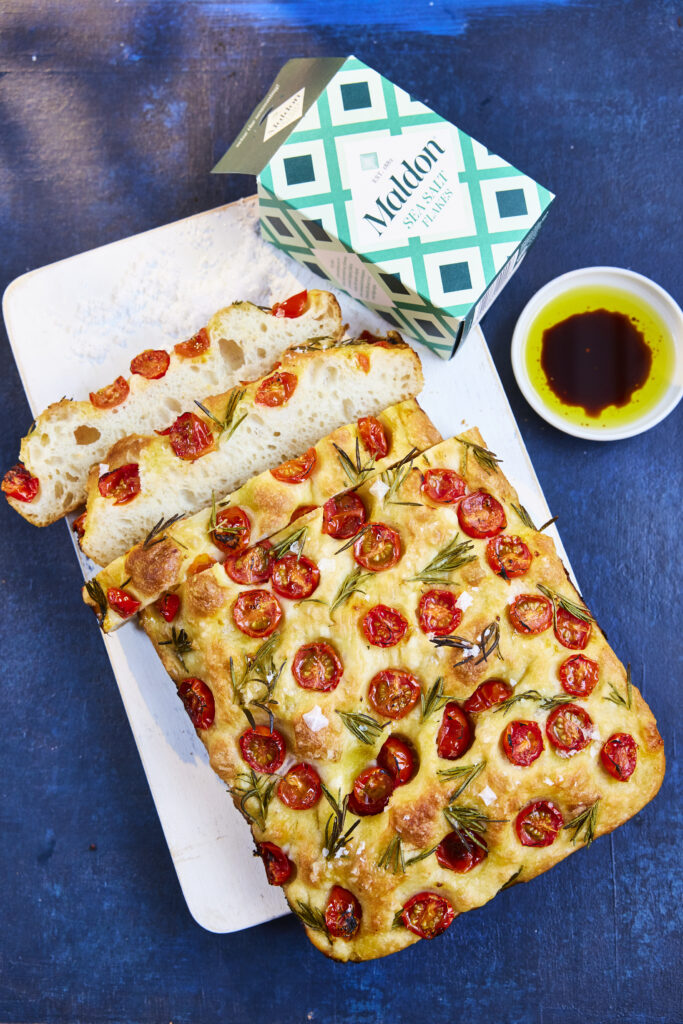
A delicious, crusty bread is perfect for scooping up the salad and soaking up it’s tangy dressing. Try making a cherry tomato and pesto focaccia which is easy to follow and packs a lot of flavour. Alternatively, pairing the salad with a warm, garlic bread add a wonderful savoury flavour to the dish, and adds a tasty crunch to your meal.
Soup
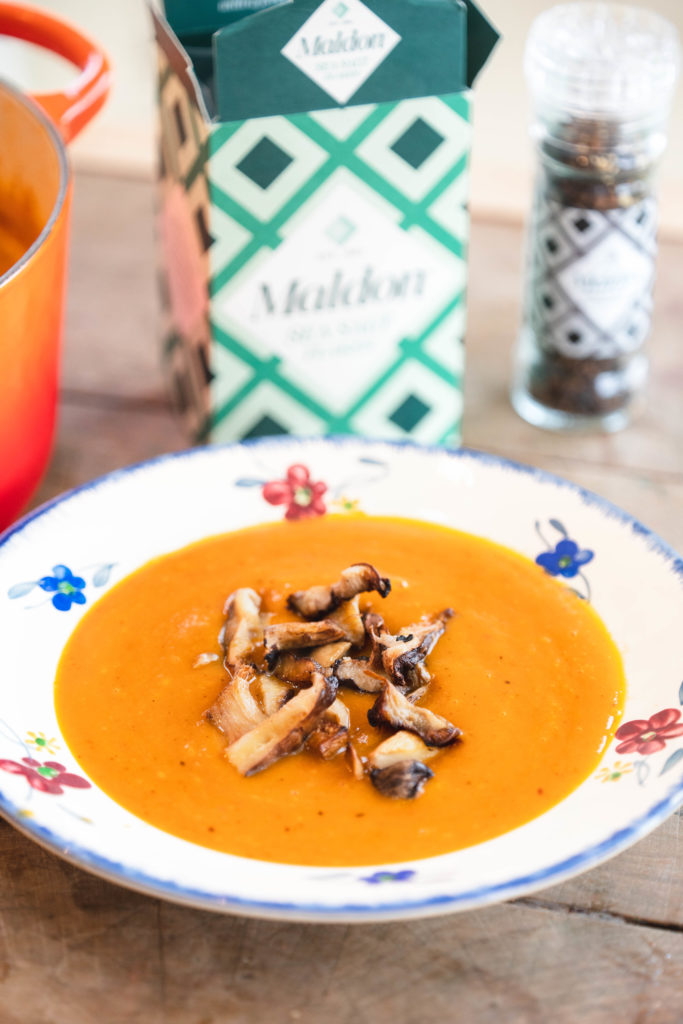
A classic butternut squash soup is hearty in flavour and compliments the fresh, tangy salad. It’s natural sweetness from the squash balances the savoury notes of the salad perfectly.
Protein
As a plant-based option, try adding a few falafel balls to make the dish more substantial and completely vegan.
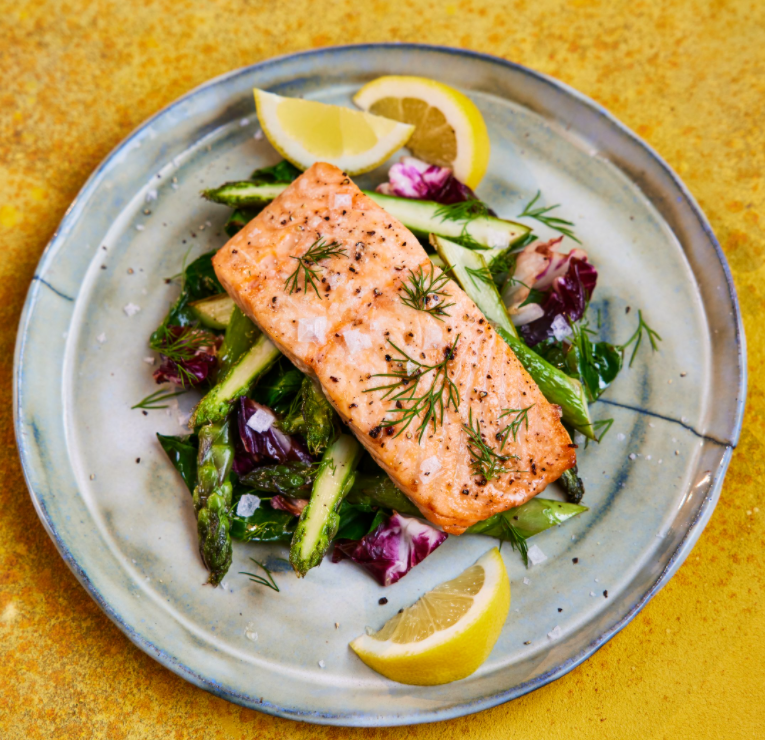
For non-vegans, grilled chicken makes a hearty, protein-rich pairing. You can also try pairing the salad with baked salmon. The delicate, butter fish is a great compliment to the crunchy chickpeas, roasted squash and baby carrots.
How long will the chickpea salad last in the fridge?
You can keep the chickpea salad in the fridge for up to four day in a secure, airtight container.
Any leftover tahini dressing can be stored a glass mason jar and refrigerate for up to 14 days, however it is best to consume within 5-7 days so that you can taste the tangy flavour. After refrigeration, the dressing can become much thicker and separate, so make sure to store before using again.
Can you freeze a chickpea salad?
You can freeze a chickpea salad for up to three months, but we don’t recommend this as the texture of the salad will change and loose it’s tasty crunchiness.
Any leftover tahini dressing can be stored in an airtight container for up to 8 weeks. Make sure to leave some headspace in the container as liquids expand when freezing. When you want to use the tahini, thaw it in the fridge overnight and give it a good stir before using as it can separate.
Fire up the barbecue ready for indirect smoking with a temperature of about 140-150C.
Drizzle a little oil over the mushrooms and season with Maldon Chilli Sea Salt. Smoke for 40 minutes and then remove.
Open up the air vents of the barbecue to increase the temperature to around 180C.
Drizzle a little more oil over the squash and season generously with Maldon Garlic Sea Salt, roast indirectly until tender and lightly charred at the edges – 45 minutes or so.
Soften the onions in oil over a medium heat, on the BBQ or on the hob. Then add the garlic, sage and thyme and stir for a couple of minutes.
Chop the smoked mushrooms and add to the pan of onions along with the chopped chestnuts. Pour in the cream, allowing it to bubble and thicken. Leave to cool.
Mash the squash with the butter, smoked paprika and nutmeg. Leave to cool.
Unroll the pastry, roll out very slightly thinner, lift onto a baking tray.
Spread the squash over the pastry leaving 3cm border.
Spoon the mushroom mix in a line down the centre.
Brush a little beaten egg on the pastry border then roll up the pastry so it looks like a fat sausage roll. Snip a pattern in the top with scissors. Brush the egg all over and sprinkle generously with Maldon Garlic Sea Salt.
Bake indirect, between two fires, at about 200C for as long as it takes to cook the pastry to crisp and golden brown, perhaps 45-55 minutes.
These roast potatoes will be the star of the festive season! They might even steal the spotlight on the big day. Thanks to Maldon Garlic Sea Salt, these epic roast potatoes have a double layer of seasoning. Use the Maldon Garlic Sea Salt when parboiling the potatoes and then again after roasting to layer the flavour. Resulting in the crispiest roast potatoes with fluffy insides. If that’s not delicious enough, they’re served with a sticky garlicky glaze, made with honey and balsamic vinegar, plus a sprinkle of Maldon Garlic Sea Salt of course.
Here is how to make garlic roast potatoes
Preheat the oven to 200°C/180°C fan/gas mark 6 .
Peel and slice the potatoes in half.
Put the potatoes in a pan of cold salted water, season the water with a generous pinch of Maldon Garlic Sea Salt. Bring to the boil then simmer gently for around 6 – 8 minutes until they are about half cooked.
Drain and shake them hard in a colander so that you rough up the edges – this gives you super crunchy potatoes. Leave them to steam cool in the colander.
Add the oil to a deep roasting tray. You can also use duck or goose fat depending on what you prefer. The tray should be big enough so the potatoes are in a single layer. Pop the tray in the hot oven for 5 minutes or until the oil is smoking hot.
Remove the tray and carefully spoon the potatoes into the tray and baste with the hot oil, season well with Maldon Garlic Sea Salt.
Roast for 45 – 55 minutes, turning halfway through, until they are crunchy on the outside and fluffy inside.
Meanwhile, make the glaze. In a small pan heat the honey on a medium heat, when it starts to bubble, stir in the balsamic vinegar and a generous pinch of Maldon Garlic Sea Salt. Simmer for a few minutes until it starts to thicken.
Plate up the roast potatoes and pour over the glaze. Enjoy!
Create a showstopping festive centrepiece this Christmas with a mouth-watering mushroom, butternut squash, chestnut and caramelised onion wreath. Golden brown and packed with seasonal ingredients, this dish is the perfect vegetarian main for your holiday table. Made with a sheet of light, flaky puff pastry and filled with savoury roasted vegetables, this wreath is sure to impress both vegetarians and meat-lovers alike! The combination of earth mushrooms, sweet caramelised onions and nutty chestnuts brings together the flavours of winter, while the Maldon Sea Salt flakes adds the perfect finishing touch.
This recipe is great addition to your collection of vegetarian puffy pastry recipes and is ideal for those looking for an easy yet stunning main course for Christmas!
How to caramelise onions
Caramelising onions is a slow cooking process that draws out the natural sugars, resulting in sweet, golden brown onions perfect for adding depth to recipes. Start by heating olive oil and butter in a pan over low heat. Add finely sliced onions and a pinch of Maldon Sea Salt flakes and cook for at least 10 minutes until soft and translucent. Add soft brown sugar and continue cooking until onions are sticky and caramelised, usually another 5 minutes. If you have any leftover, you can use them as a filling for a delicious portobello mushroom and stilton burger, paired with rocket in a sweet brioche bun.
Making the Mushroom, Butternut Squash, Chestnut and Caramelised Onion Wreath
Prepare the Ingredients:
Preheat your oven to 200°C. Slice the red onions finely and prepare the butternut squash by peeling and dicing into 2cm cubes. Tear the mixed mushrooms into pieces and crumble the chestnuts.
Roast the Vegetables:
Place the mushrooms and butternut squash on a baking tray. Drizzle with olive oil and season with Maldon Sea Salt and pepper. Roast for 25 minutes until the squash is tender and mushrooms are golden brown. Allow to cool.
Make the Filling:
In a large bowl, combine the roasted vegetables, caramelised onions, crumbled chestnuts, shredded sage leaves, grated nutmeg, and dried cranberries. Season with a pinch of Maldon Garlic Sea Salt.
Assemble the Wreath:
Unroll the puff pastry sheet onto a baking tray. Pile the vegetable filling down the middle of the pastry. Roll the pastry over to encase the filling, sealing the edges with an egg or milk wash. Shape into a wreath, sealing the ends together. Use leftover pastry for decorations if desired. Chill in the fridge for 30 minutes.
Bake the Wreath:
Once chilled, bake in the preheated oven for 35-40 minutes or until the pastry is golden and crisp. Allow to cool slightly before serving warm or cold.
Mushroom, Butternut Squash, Chestnut and Caramelised Onion Wreath Recipe
Preheat the oven to 200c.
Start by making the caramelised onions. To a frying pan add 1 tbsp of olive olive plus a knob of butter and allow it to melt. When foaming, add the sliced onions and a pinch of Maldon Sea Salt. Fry these on a low heat for at least 10 minutes until they are soft and translucent. Then add the soft brown sugar and continue to cook for another 5 minutes until the onions have gone sticky, soft and caramelized. Set aside to cool.
Place all the mushrooms onto a baking tray along with the diced butternut squash. Then drizzle with the remaining olive oil and some salt and pepper. Place into the hot oven and roast for 25 minutes until the squash is tender and the mushrooms are golden. Set the tray aside to cool.
Once the vegetables have cooled you can make the filling. Simply mix in a bowl with the caramelized onions, chestnuts, sage, nutmeg, dried cranberries and Maldon Garlic Sea Salt.
Unroll the pastry onto a baking tray and then pile the filling down the middle in a line. Then roll the pastry over to seal it, as though making a large sausage roll. Use the egg wash to seal it down, and then take the two open ends and join them together, sealing them as well. Any excess pastry can be cut off and used to decorate the wreath, if desired. Egg wash the whole outside of the wreath and then place into the fridge for 30 minutes.
Once the wreath has chilled, place it into the preheated oven and bake for 35 – 40 minutes until it is golden and crisp on the outside. Cool slightly before serving – can be served warm or cold.
Can You Freeze Butternut Squash?
Yes, you can freeze butternut squash. Peel and dice the squash into cubes, blanch in boiling water for 3-5 minutes, then cool in ice water. Drain and pat dry before placing in a single layer on a baking tray to freeze. Once frozen, transfer to a freezer bag for long-term storage.
Side Dishes to Serve
A delicious flaky mushroom wreath is the epitome of comfort food. However, now you need the perfect sides to make the ultimate festive feast! Here are a few tasty side dishes you can serve with your mushroom wreath.
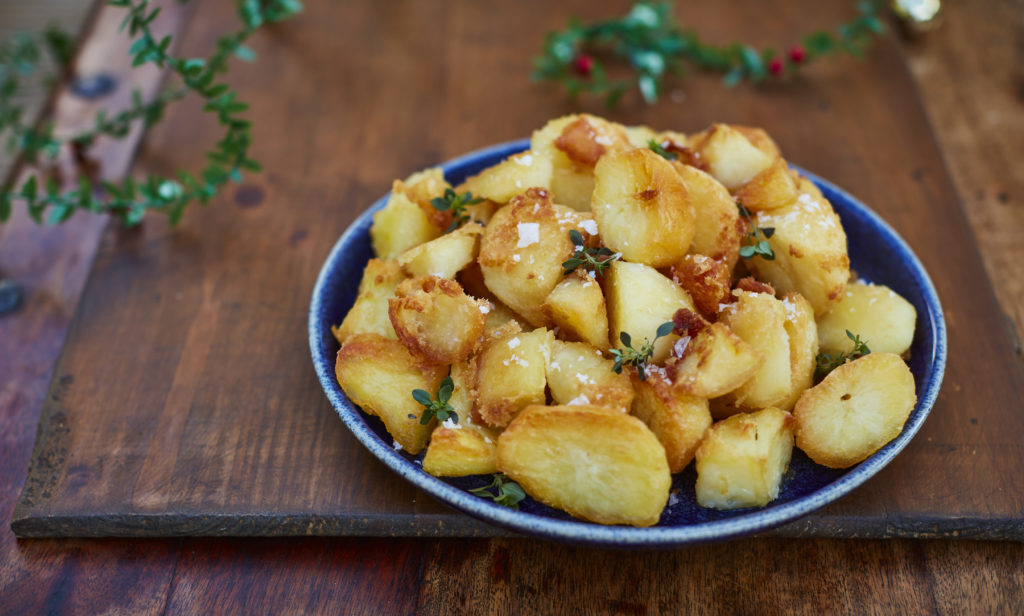
The ideal accompaniment for this recipe – the classic roast potato. Crispy on the outside and heavenly fluffy on the inside. Normally you can season your ‘tatties’ with salt and pepper, but we’ve added a twist by infusing rosemary and thyme to give a delightful flavour and an addictive crunch.
Oh-so-sweet and tender! These carrots are cooked in a delicious honey and lemon glaze that offers a sweetness and and touch of colour to your dinner plate.
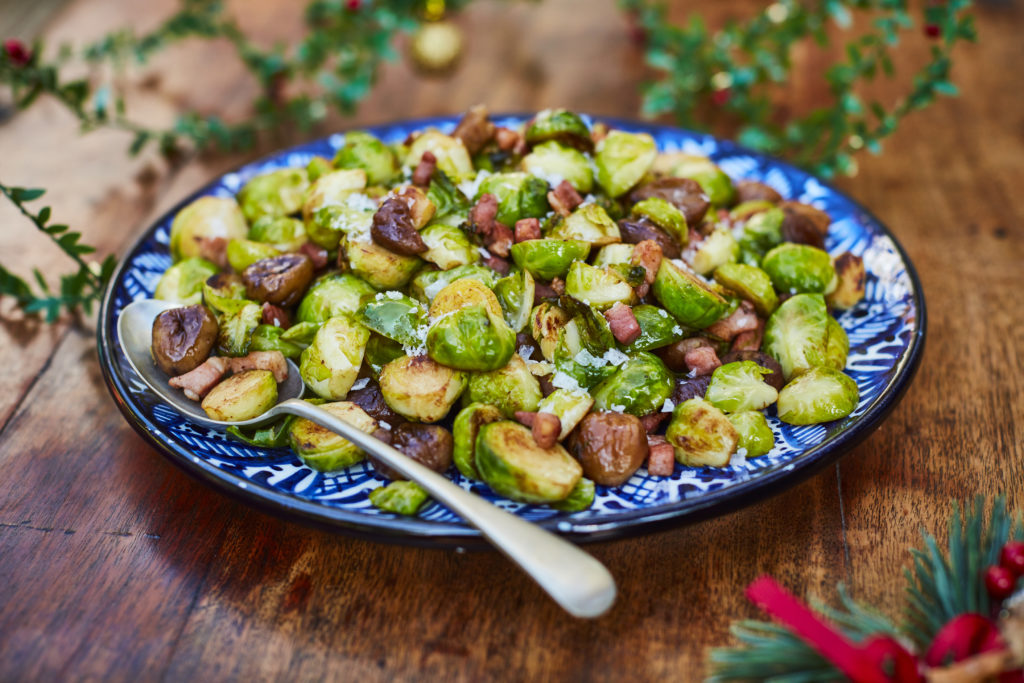
Add smoked bacon to your humble brussels sprouts to give a crispy, savoury element to the dish. It compliments the wreath’s mushroom and caramelised onions beautifully!
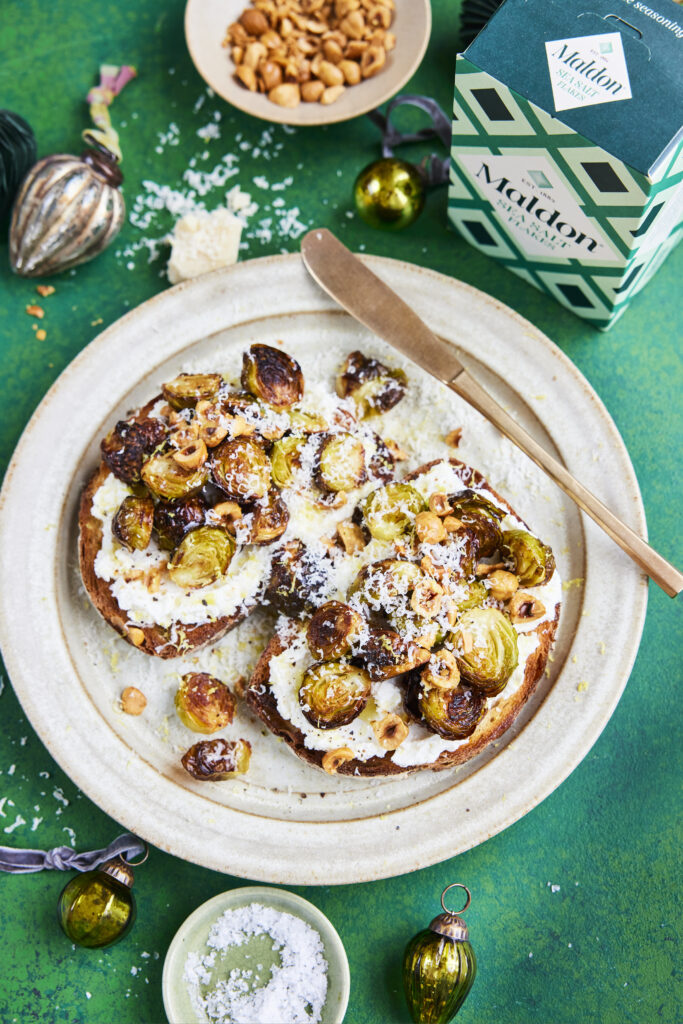
If you’re looking for a snack that’s both simple and sophisticated, charred Brussels sprouts on toast with ricotta and parmesan is your go-to festive treat! This delightful combination of crispy, oven-roasted Brussels sprouts, creamy ricotta, and tangy parmesan creates a mouth-watering appetizer, perfect for holiday gatherings. Nestled atop toasted sourdough, and finished with a sprinkle of Maldon Sea Salt, cracked black pepper, and a hint of lemon zest, this dish is packed with vibrant flavours and textures. For an added crunch, hazelnuts round out the recipe, making it a memorable dish that highlight seasonal product while keeping things easy and delicious!
Brussels sprouts, when charred to perfection, bring out their natural sweetness with a smoky edge that pairs beautifully with the creamy ricotta base. Tossed in olive oil, roasted to a golden crispy, and layered on slices of freshly toasted sourdough, these sprouts create an irresistible contrast between the crunch of the bread and their tender interior. The parmesan adds a sharp, salty bite, while the bright lemon zest and crunchy hazelnuts elevate the snack into something truly special.
Ideal as a light starter, festive canape, or even a creative side dish, this easy Brussels sprouts recipe is a delicious way to celebrate the season with wholesome, bold flavours.
Best Way to Roast Brussel Sprouts
Roasting Brussel sprouts to perfection involves coating them evenly with olive oil and seasoning them generously with Maldon Sea Salt and cracked black pepper. Spread them out on a large baking tray to ensure they roast evenly without steaming, making sure to check them halfway through roasting.
Making Charred Brussel Sprouts on Toast with Ricotta and Parmesan
Prepare the Ingredients:
Preheat your oven to 180°C. Halve the Brussel sprouts and place them on a large baking tray. Drizzle with olive oil and season with a pinch of Maldon Sea Salt and cracked black pepper.
Roast the Brussel Sprouts:
Place the tray in the oven and roast for 15-20 minutes until the Brussel sprouts are tender and charred in places, giving them a deep, roasted flavour.
Prepare the Toast and Ricotta Spread:
Toast the two slices of sourdough bread to your preference. In a small bowl, mix together the ricotta with the zest of half a lemon, adding a pinch of Maldon Sea Salt and black pepper to taste. Spread this ricotta mixture onto each piece of toast.
Assemble the Toast:
Roughly chop the toasted hazelnuts and have the finely grated parmesan ready. Top each slice of toast with the charred Brussel sprouts, followed by a scattering of toasted hazelnuts and a generous amount of grated parmesan. Serve immediately for a delightful crunch and creamy texture.
How to Make Charred Brussel Sprouts on Toast with Ricotta and Parmesan
Preheat the oven to 180c.
Place the Brussel sprouts onto a large baking tray and drizzle with the olive oil, then season with Maldon Sea Salt and black pepper. Place into the oven and roast for 15 – 20 minutes until charred in places.
Toast the two pieces of sourdough bread. In a small bowl mix together the ricotta and lemon zest along with some Maldon Sea Salt and black pepper. Then spread the ricotta mixture on top of each toast. Roughly chop the toasted hazelnuts.
Top each toast with the charred Brussel sprouts, a scattering of toasted hazelnuts and some grated parmesan cheese. Serve immediately.
Can You Freeze Roasted Brussel Sprouts?
Yes, you can freeze roasted Brussel sprouts. Once cooled, place them in a single layer on a baking tray to freeze. Once frozen, transfer to an airtight container or freezer bag. They can be stored in the freezer for up to 3 months. Reheat in the oven to maintain their crispiness.
Healthy Brussel Sprouts Recipe
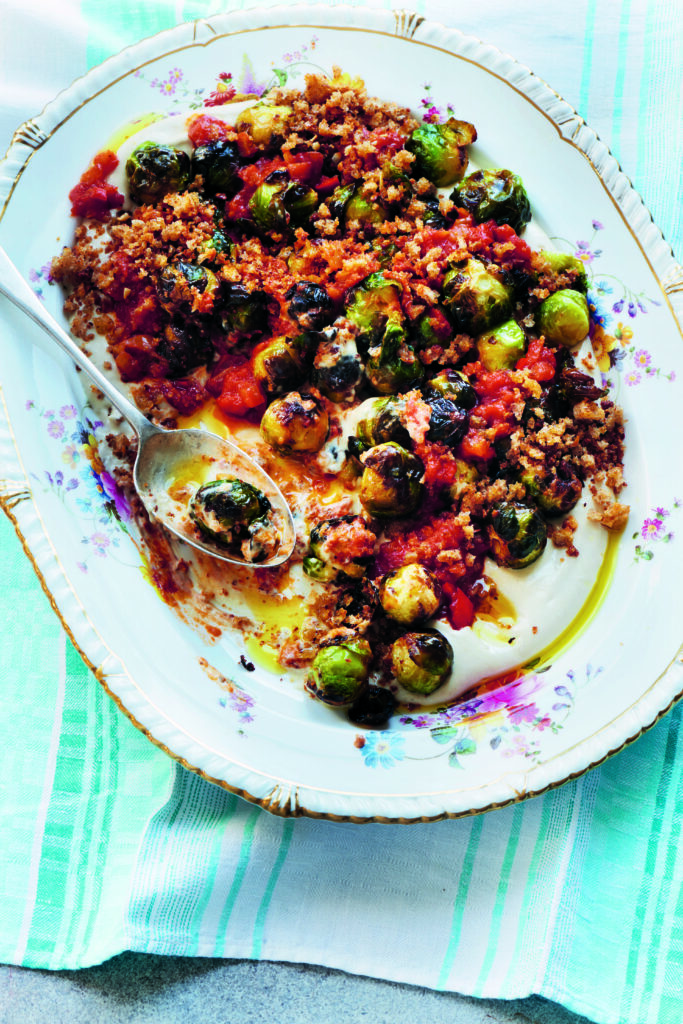
This recipe features healthy Brussel sprouts roasted to perfection, paired with creamy ricotta, crunchy hazelnuts, and tangy parmesan on sourdough toast. This dish is not only delicious but also packed with nutrients, making it an ideal vegetarian option for any meal. If you are craving something a little different, why not try Joe Woodhouse’s delicious roast Brussels sprouts with whipped tahini, paid with a spicy tomato chutney and a gorgeous crouton crumb.
In this cookbook, Romy shares over 70 recipes which are inspired by her beloved family, with flavours that define her childhood. From iconic dishes like Butter Chicken, which is a staple in every Indian home, to the delicious simplicity of a Masala Omelette, Romy invites cooks to savour the authentic tastes of India without a fuss! The instructions for each dish are easy to follow along with readily available ingredients. Every dish is designed with the home cook in mind, ensuring that your journey into Indian cuisine is as delightful as it is delicious!
Today we’re sharing Romy’s delicious beetroot croquettes, also known as chaap!
How to make beetroot croquettes
These beetroot croquettes (or chaap), are succulent and flavourful. They have the perfect balance of colour, texture and taste. The distinctive earth flavour of the beetroot combines beautifully with the potato, carrots and spices. It can be enjoyed as an appetiser or as a side dish.
Place the potato in a saucepan (there is no need to peel it), cover with hot water and bring to a boil. Cook the potato until the flesh is soft, then remove from the heat and leave to cool.
When the potato is cool enough to handle, remove the skin. Grate (shred) the potato into a bowl. Grate the beetroot (wear rubber gloves to prevent staining your hands) into a separate bowl, then grate the carrots into a third bowl and set aside.
Place all the whole spices in a frying pan (skillet) over a low heat and toast them until they start to release their aromas. Remove from the heat and leave the spices to cool before grinding them to a powder with a pestle and mortar.
Heat the mustard oil in a pan over a medium heat. Once the oil is hot, add the peanuts and cook for1 minute. Add the ginger and chillies, cook for 1minute, then add the grated beetroot and carrot and mix. Cover the pan with a lid and cook for 5 minutes. Add the potatoes, all the toasted spices and the Maldon Sea Salt, mix well, then cook for a further few minutes. Remove from the heat and leave the mixture to cool before rolling it into 10 equal-sized cylindrical shapes.
Whisk together the cornflour and plain flour with30 ml (1 Fl oz/2 tablespoons) water in a bowl. Place the breadcrumbs in a shallow dish. Heat the frying oil in a deep pan to 170°C/340°F. Drop in a tiny bit of batter; if it floats, the oil is hot enough. Dip one of the cylinders into the batter, then roll it in the breadcrumbs to coat it on all sides. Deep fry until golden and crispy. Repeat with all of the cylinders, then serve with your favourite chutney.
Where to buy Romy Gill’s India: Recipes from Home
You can find where to purchase Romy’s NEW cookbook here and start being creative with food and flavours in the comfort of your kitchen.
Make sure you have your Maldon Salt ready for these recipes! If you are running out, please feel free to browse on our Where to Buy Page to find your nearest store in which stocks our beloved Maldon Salt.
Lastly, we LOVE seeing your creations – please tag us on Instagram using the #maldonsalt so we can share your own take on Romy’s recipes!