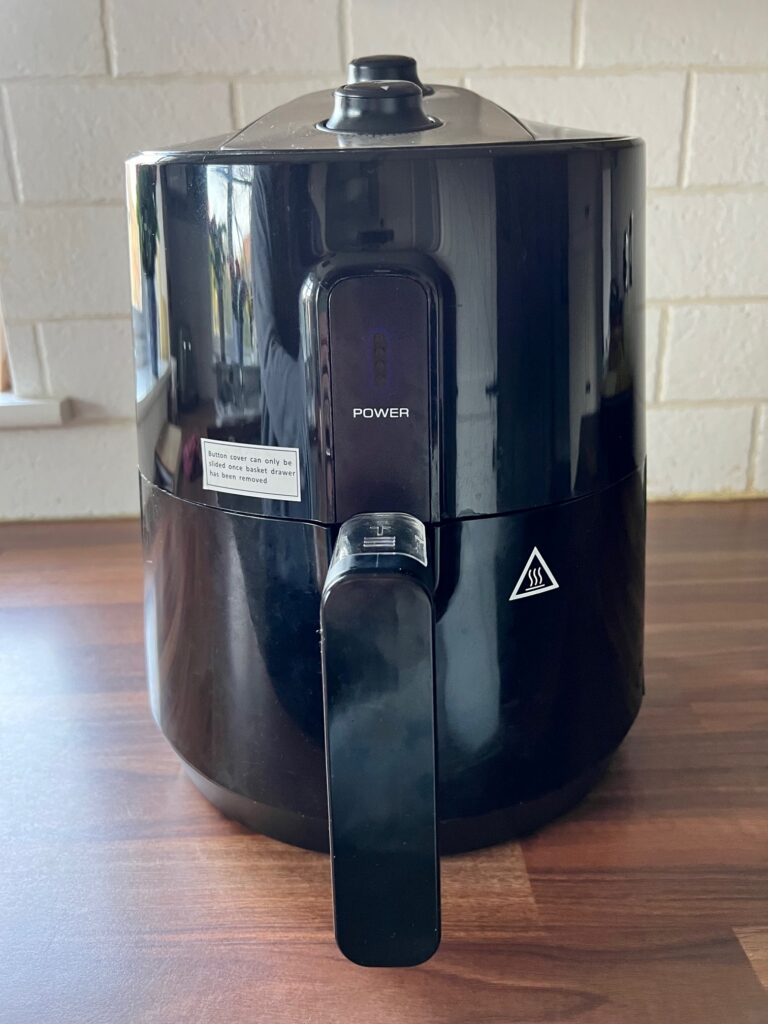
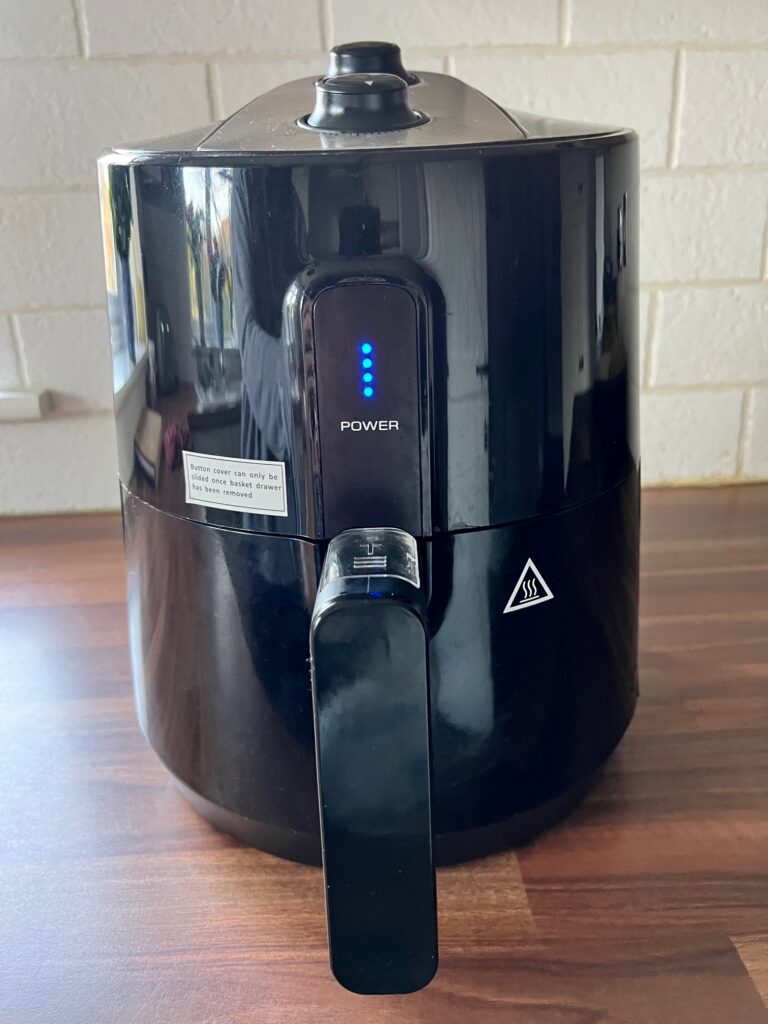
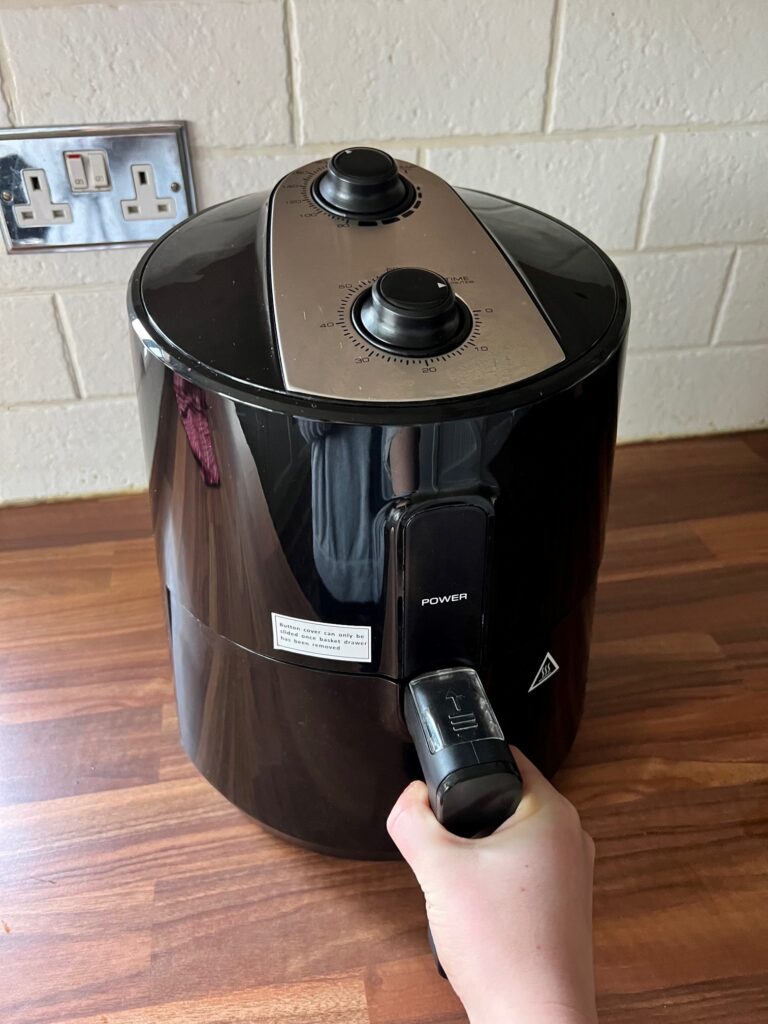
Air fryer cooking has gone viral in recent months due to claims such as Russell Hobbs’ Assistant Marketing Manager Caitlin Wood advising how the popular kitchen appliance is more energy efficient than an oven; a much healthier, guilt-free way to enjoy your food and also being quick and easy to use. Not forgetting – there is also less cleaning up to do in your Kitchen, as well as some even proclaiming the food tastes better!
How worth it is an air fryer?
This article will explore all of these claims that are currently dancing around in our kitchens, justifying just how brilliant this modern-day appliance really is to you and your families.
Nearing to the end of the article, we even share what the best foods to cook in your air fryer would be, including our own deliciousJacket Potato recipe, baked to perfection with a sprinkle of Maldon Salt.
Let’s put our reading glasses on and begin with understanding the just how efficient in energy an air fryer can be.
How Much Energy Does An Air Fryer Use?
An air fryer (1500W) on average use between 1.4 – 1.7kWh if you using it for 1-hour. This works by the air fryer using convection heat, whereby hot air is circulated around the compliance to cook the food – very similar to how a fan oven would work! The heating process creates a reaction to the food inside known as the Maillard Reaction, causing the exterior of the food to gently crisp up, resulting in delicious, crunchy-texture foods!
Does It Use Less Electricity Than An Oven?
In comparison, a single electric oven would use on average 2.0-2.2kWh if using for 1-hour. A double electric oven would use even more electricity, averaging 4kWH-8.5kWh!
You’re probably thinking if the air fryer uses less electricity than your oven, it must be cheaper to run? The answer is yes! The Money Edit advised how an oven costs on average 21p to use, whereas a standard air fryer of 800W would be 13.6p. However, be mindful of the wattage of your air fryer, as a higher wattage equates to more electricity being used. In turn, this may result in a higher amount of electricity being used compared to your oven..
How Energy Efficient Are Air Fryers?
Researchers at Hometree have stated that air fryers are more energy efficient than most ovens simply because they cook food much faster. As mentioned earlier, an air fryer of 1500W typically would use around 1.4-1.7kWh an hour, so using the appliance for just 10 minutes would cost only 9p. Compared to a single oven of 2.2kwh being used for the same time, costing up to 12p.
(Source: Electricity Cost Counter. Electricity costs are calculated using the UK: Energy Price Guarantee (October 2022) electricity rate of £0.34 per kWh).
You only need to use the air fryer for a short amount of time due to how fast it can cook your food. An oven would take longer due to the larger volume it holds, meaning the longer it would for heat to circulate around the appliance. In comparison, the air dryer is much smaller in volume and can heat your food in a matter of minutes!
And this leads us onto the many benefits of air frying your food. We’ll explore the health profits of air frying compared to oil, as well as the body science of consuming air-fried foods.
Benefits Of Air Frying
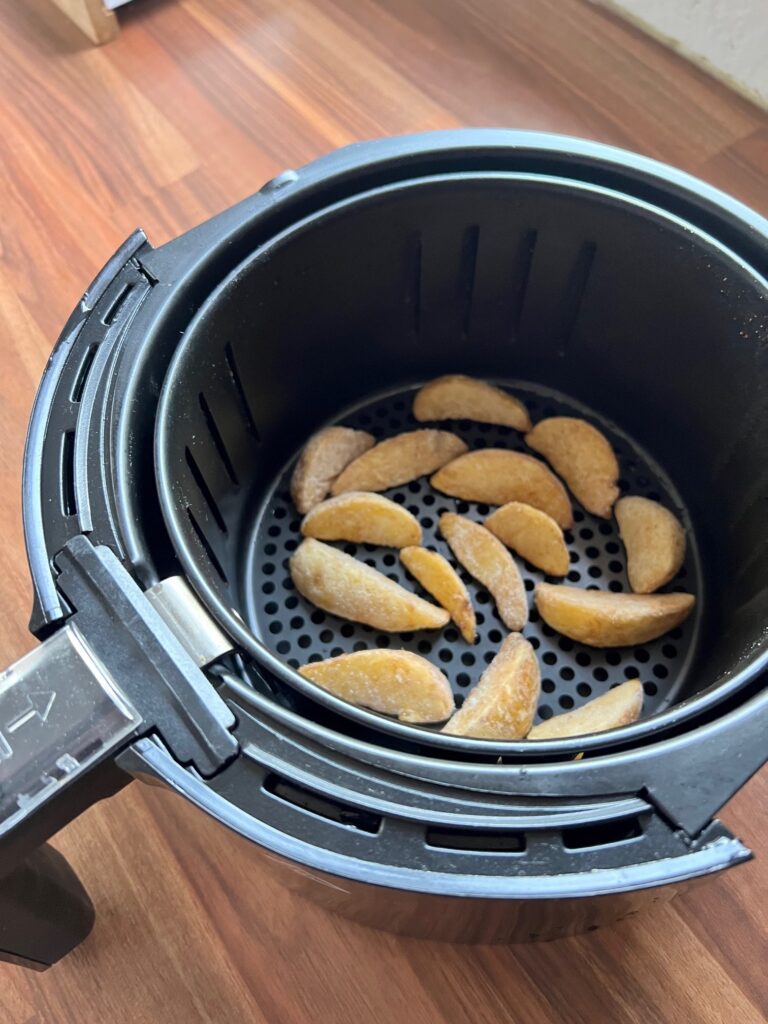
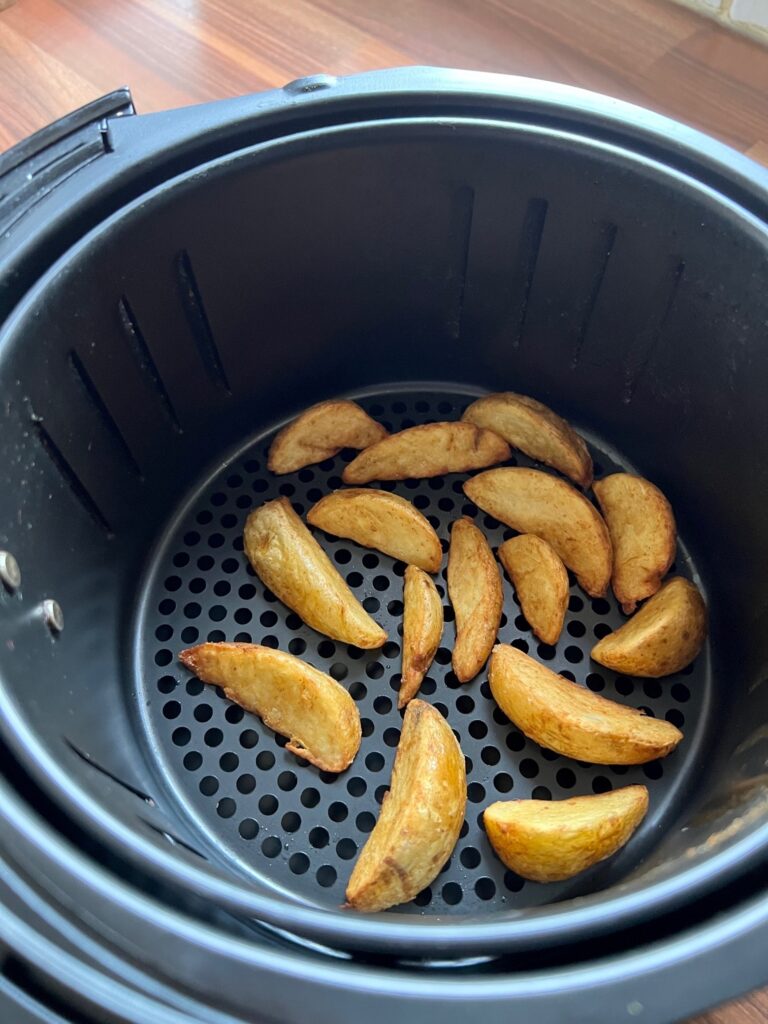
As you place your food onto the air fryer’s basket and press the activation button, the circulating hot air will start to cook your foods, creating a glorious, crispy brown coating and a delectably soft inside. With the food cooking, any greasy drops or leftover juices are caught at the bottom of the air fryer’s container, away from the food.
This sounds like the perfect, cooking set-up, right? It’s because it IS!
Very little oil is used in the cooking process of an air fryer, replacing fried foods cooked in a deep-fat fryer/oiled pan which contain higher amounts of trans fat.
Within this section we will be looking at if air fryers are healthier, the quickness and easiness to use and the taste!
Are Air Fryers Healthier?
There is a clear winner when an air fryer is compared to deep frying your food…ding ding ding! It’s the air fryer! Air frying your food significantly reduces the amount of oil being absorbed when cooking, cutting calories by 70%-80%. As a result, air frying is healthier than oil frying as you are removing the calories and fat content in which would be remarkably higher when deep frying as you as you are using less oil.
When compared to an oven, the air fryer also poises on top with having many advantages. Air fryers are equipped with a tray underneath the basket where you would place your foods. This also reduces the amount of fat being absorbed into the foods as it is going into the tray and not amongst the foods you are cooking.
Quick And Easy To Use
Did you know air fryers take very little time to pre-heat? It’s all down to the smaller scale size of the kitchen appliance in comparison to a fan oven, where more heat is required to warm up the larger volume of space. Therefore, you can have your dinner’s ready in a matter of minutes as the pre-heating time shortens, meaning the cooking time is ramped up from the rapid air circulation.
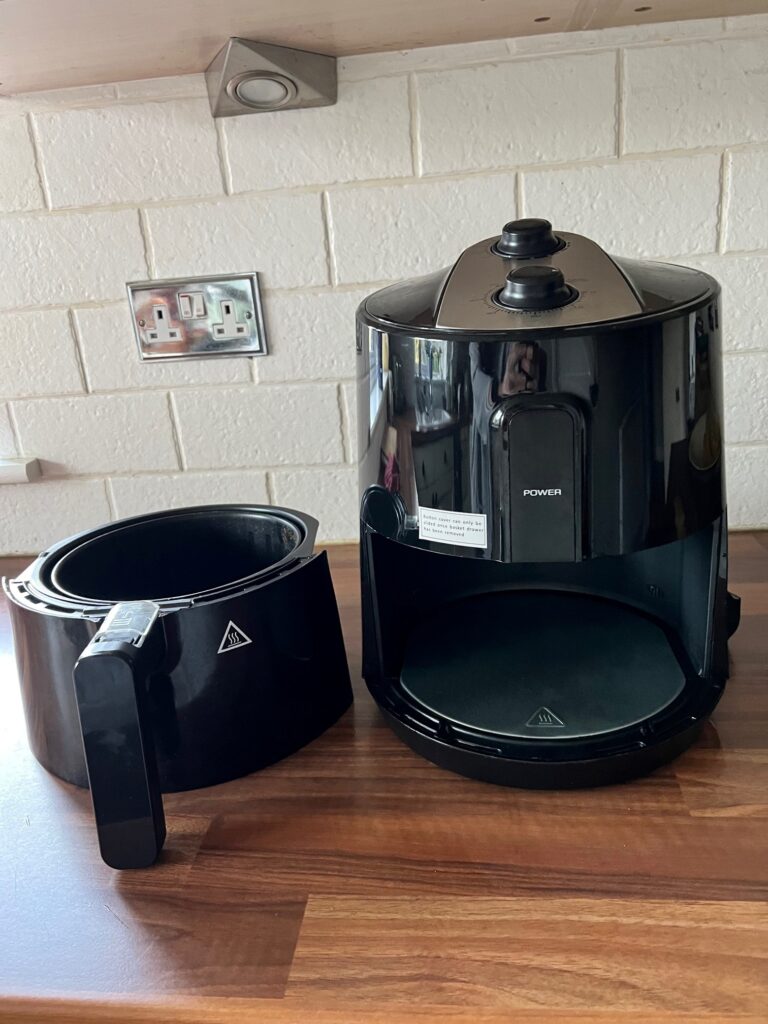
Some may question how easy the air fryer is to use– but fear not! Hear is a short guide in how to use a standard, basket-type air fryer:
Place your air fryer on a heat-resistant surface. It is recommended to keep it 8 inches away from the wall.
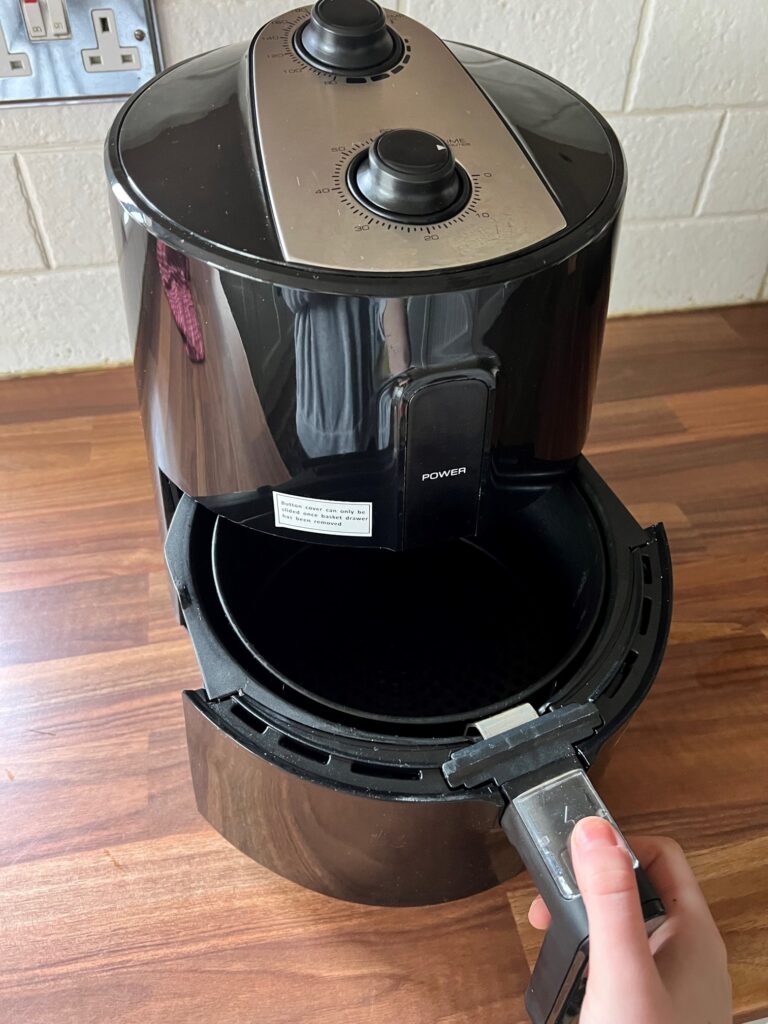
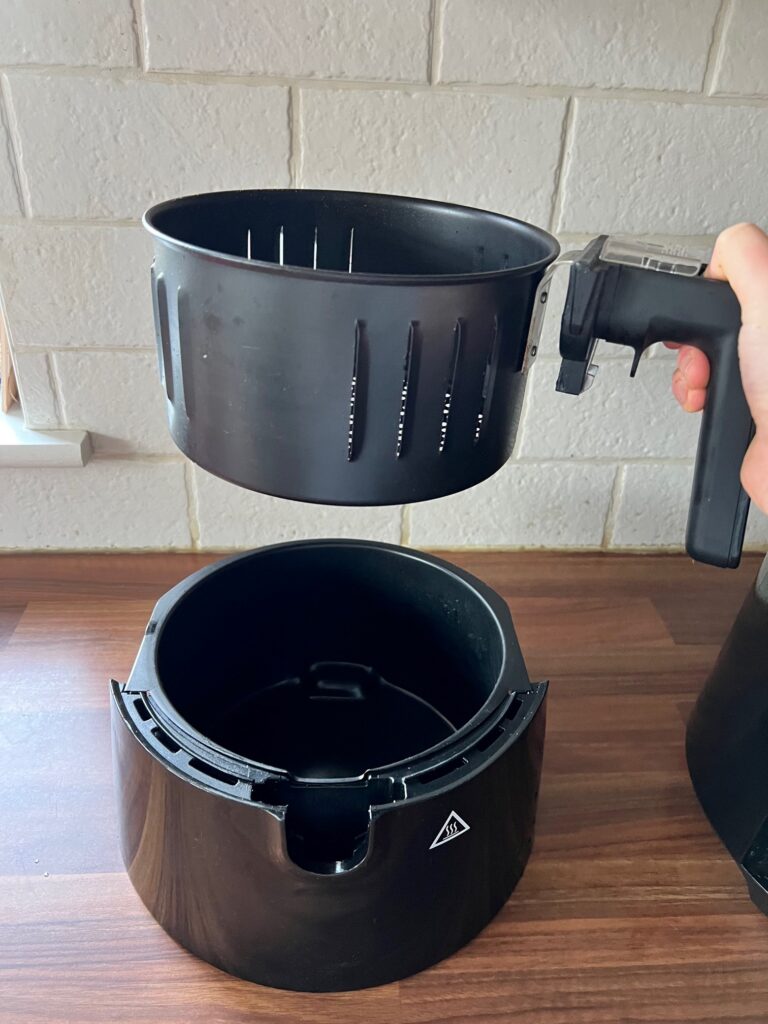
Remove the components, in which normally includes a detachable basket and a tray in the bottom of the basket. Wash and dry these.
It is advised by many manufacturers that you should run the air fryer empty for 10 minutes when you are first using it. This is to reduce the off-gas.
After this, you are ready to start cooking up a storm with your air fryer! You will find a manual with your air fryer in which will advise the correct temperature and timings for different types of foods you are wanting to cook.
Is your belly rumbling with all this food talk?Further in the article we will get to discuss why air fries food tastes great and what types of foods you can cook with your air fryer.
Less Cleaning Up
How many times have there been pots and pans all over the counter whist you’re creating a culinary masterpiece? With the air fryer you simply have the appliance itself to clean up, as it comes with a basket for the food to be air-fried in as well as a tray to hold any excess oil/juices…no pots or pans required!
Once your food is cooked, simply detach the basket from the appliance and place the food onto your plate – hey presto! Your dinner is served. This is a match-made-in-heaven if you are always on the go, have a busy family life or if you’ve simply just had enough of washing up your pans.
Air Fried Food Tastes Great
Does air fried food taste better? The machine’s rapid air circulation allows good to become wonderfully crispy and soft in the inside, basically turning foods into having an extra-crispy texture. If you were to deep-fry your food, you may end up with a greasy, wet substance in which the air fryer doesn’t allow due to its internal tray catching any leftover oils/juices.
Additionally, as you are using less oil in an air fryer, you will find vegetables are less greasy and more flavoursome as they gentle bake in the warm heat, perfect to be dished up as a side for your dinner.
We’ve also noticed how beautifully tender in flesh chicken is when cooked in an air fryer. Due to the circulating heat, it causes the skin of the chicken to crisp out, allowing the centre of the protein to become deliciously succulent.
What Can You Cook In An Air Fryer?
Once you have secured an air fryer, you probably want to know what you can cook with it?
There is an abundance of foods you can cook in the air fryer, from cult-classics such as French fries to extravagant mains including roast chicken! We have made it easier for in writing a few food items in which you can cook in an air fryer:
Chips (such as potato, sweet potato, turnip, parsnip etc).
Vegetables
Meats (such as chicken, fish, meat patties/burgers)
Tofu
Dessert (yes, you can make sweet treats including cookies!).
Re-heated leftovers
Frozen foods
All this talk about food has definitely made us hungry! We used our own air fryer and created a whole recipe using the handy kitchen appliance – our delicious Air Fryer Jacket Potatoes!
Air Fried Jacket Potatoes
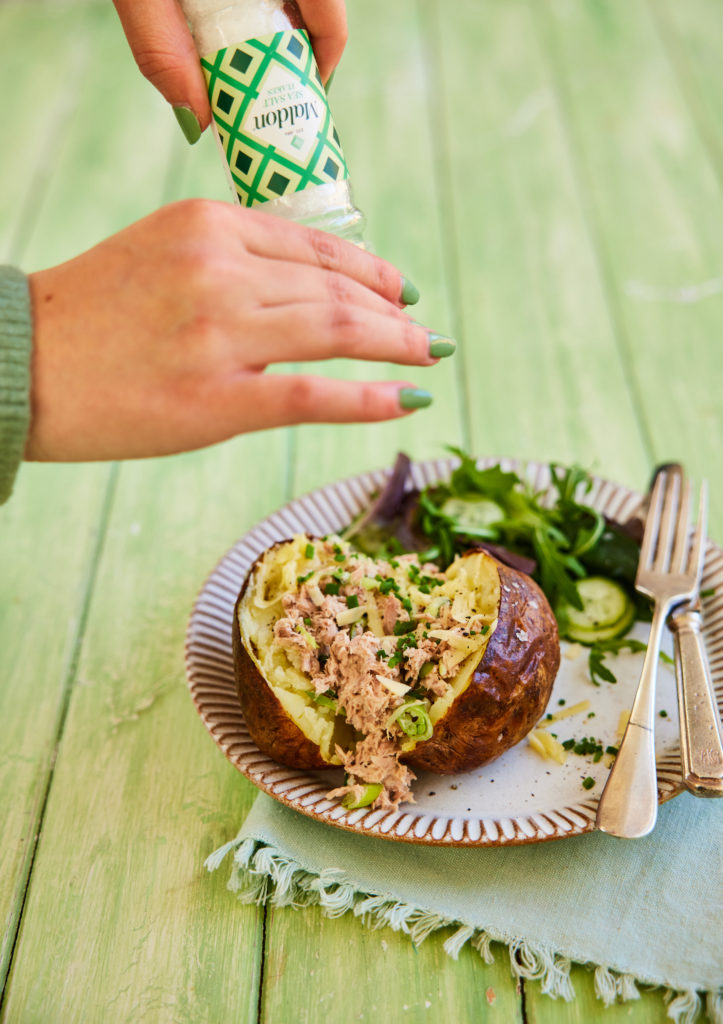
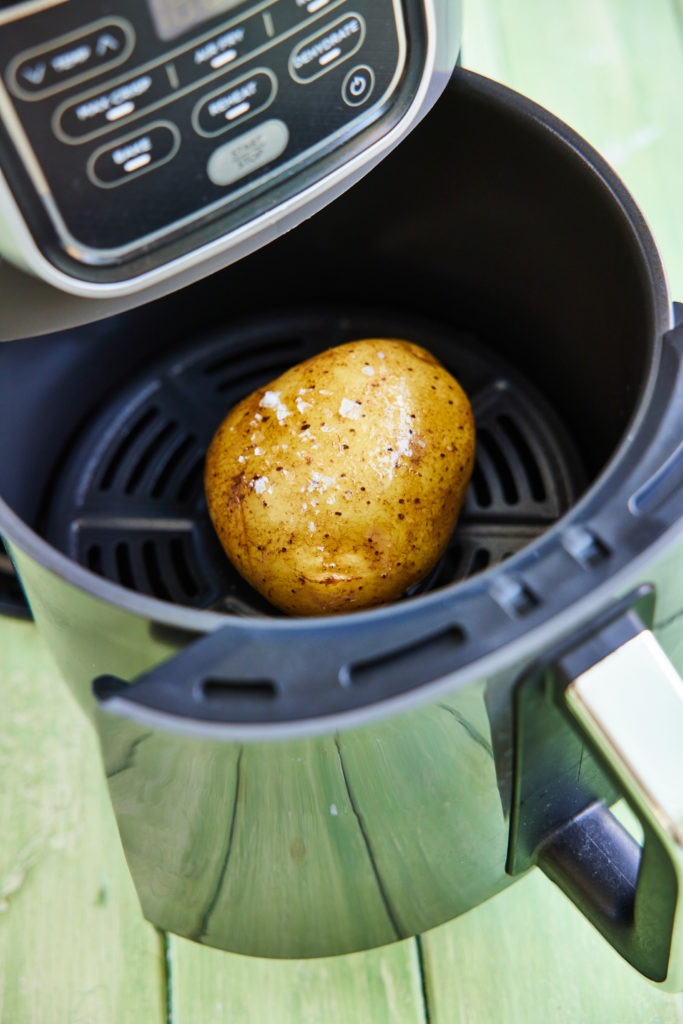
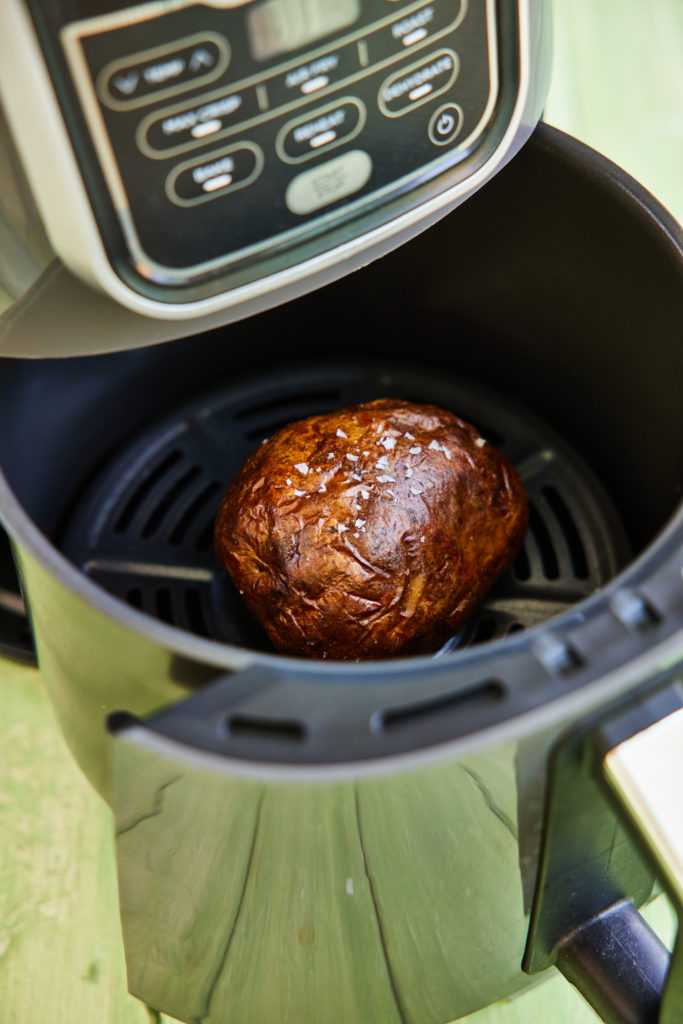
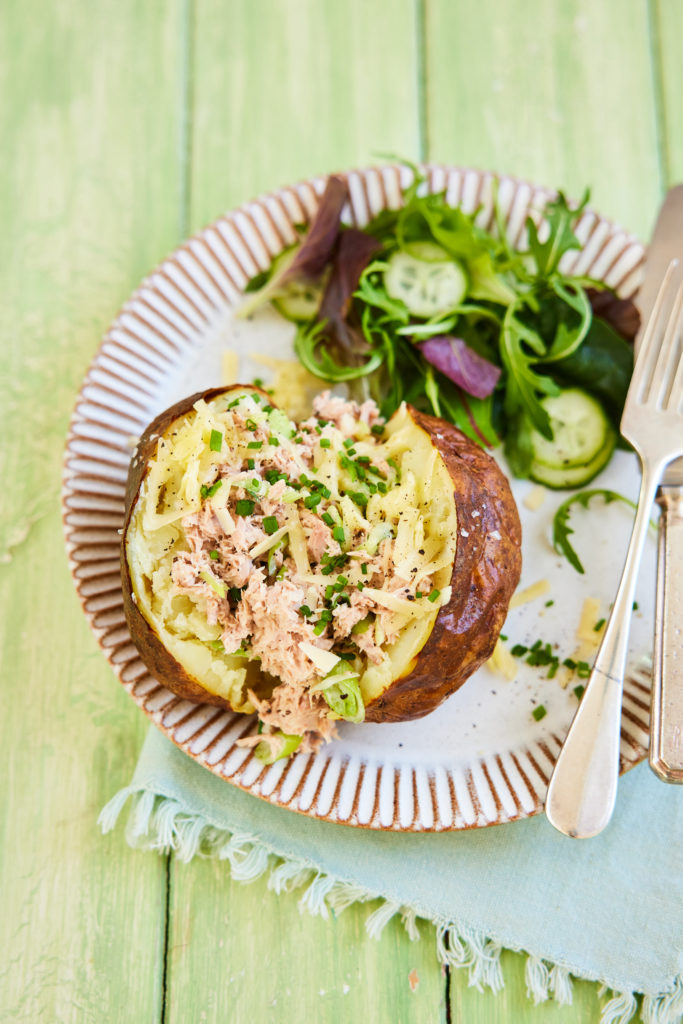
Baked with a perfectly crisp outer skin and a deliciously fluffy inside – you will become obsessed with these jacket potatoes that are baked in an air fryer! Remember to coat the jacket potato in a light coating of oil and Maldon Salt to create not only a beautiful flavour and texture to the potato, but to draw our the moisture from the use of the salt.
Air fryers are the pinnacle of convivence. Not only are they energy efficient and cheaper to run in comparison to an oven or deep fryer, they make your life just that little bit simpler, with multiple functions to speed up your dish in being cooked in a matter of minutes! Not forgetting the health benefits that come with cooking with an air fryer, less oil being used mean less fat that ends up on your plate.
So take it from us…an air fryer is completely worth it!
Make sure you have your Maldon Salt ready for these dishes! If you are running out, please feel free to browse on our Where to Buy Page to find your nearest store in which stocks our beloved Maldon Salt ahead of the festive season…especially gloriously baked jacket potatoes.
Lastly, we LOVE seeing your creations – please tag us on Instagram using the #maldonsalt so we can share your culinary masterpieces on our socials.
We’ve teamed up with our good friend’s Bold Bean & Co in creating a perfectly spiced bean dish, accompanied with sweet, slow roasted carrots and crispy kale to add texture.
Bold Bean & Co’s Organic White Beans (haricot beans) are perfect to use for this dish as their bean’s are slow-cooked which allows them to hold their shape, creating the perfect, buttery and smooth flavour.
Amongst a bundle of spices such as chilli, cumin and garam masala, we add carrots to bring a gentle sweetness to the dish, with also a generous pinch of Maldon Salt to enhance the sweet notes and counteract the bitterness.
Preheat the oven to 180C.
Start by roasting the carrots. Peel the carrots and cut them into 2-inch pieces, then toss in some olive oil and 1 tsp of cumin seeds. Season with Maldon Salt and pepper and place in the oven to roast for 15 minutes.
While the carrots are cooking, start the spiced beans.
Melt the coconut oil in a large sauté pan. Add the diced onion and cook gently until softened. Then add the garlic, chilli, and ginger and cook for another minute. Then add the cumin seeds, turmeric, black mustard seeds, garam masala and ground coriander and cook for another minute. Follow this with the chopped tomatoes. Cook these down gently until they collapse and soften.
Once the tomatoes are soft, add the Bold Beans & Co White Beans – including their juices – and the coconut milk to the pan, and mix. Then gently simmer this for 10 minutes until lovely and thickened. Season well with Maldon Salt and cracked black pepper.
Once the carrots are cooked remove from the oven and tip out of the baking tray. In the same baking tray then add the kale leaves.
Drizzle in olive oil and a good pinch of Maldon Salt and scrunch together with your hands so they are well coated. Place this back in the oven for 5 – 10 minutes until crispy but still green.
Remove from the oven.
To serve, spoon the beans into bowls and top with the cumin roasted carrots, crispy kale, and some coriander. Serve alongside some natural yoghurt and mango chutney.
We recently caught up with the talented Imogen Davis, co-founder of Native restaurant, situated in London’s Mayfair. As previously noted in our article; In Conversation with Imogen Davis, Native is a zero-waste eatery with a strong focus on ingredients being foraged and sourced locally.
Within this article, Imogen gets creative in making a deliciously good punch made with mushrooms! (Yes, really mushrooms!). Being a non-alcoholic beverage, this drink is perfect for Dry January – to be enjoyed over ice to infuse the wintery, warming notes of the forest and freshly ground coffee. Additionally, we also managed to sit down and share a few details with the creator herself, where we get to know her tips for making a low/no alcohol tipple to understanding her own personal inspirations.
Mushroom Milk Punch
Imogen’s clarified milk punch with mushroom coffee takes a little advance preparation, but is 100% worth the effort for a showstopper of a silky smooth, slightly earthy non-alcoholic beverage – enhanced by a sprinkle of our Maldon Salt. The reason you add a pinch of Maldon to this drink is to enhance the sweetness and counteract the bitter notes of the ground and mushroom coffee.
Ingredients:
10g coarsely ground coffee
10g mushroom powder (Imogen used nootropics adaptogenic coffee)
200ml water
10g sugar
Pinch of Maldon Salt
100ml organic whole milk
10ml lemon juice
Method:
Brew the coffee, sugar and mushroom powder with 200ml boiling water, leave to infuse for a minimum 12 hours and then filter. As the mushroom powder is very fine, leave plenty of time to drip through.
Bring the milk to a slow boil in a saucepan over low-medium heat.
Once boiling, add the lemon juice and remove from heat, slowly stirring as the curds separate from the whey. Leave for 30 minutes until cool.
Strain the curdled milk through a fine cheesecloth into a large jug and watch the clear liquid slowly separate from the solid curds – have patience!
Once it has fully filtered and you have a clear liquid, stir the mushroom coffee cold brew into the whey, remove the curds from your filter and set aside to enjoy as a snack or to make a salted lassi.
Now reuse the cheesecloth to filter the mushroom-whey mix. You should see a very clear, golden liquid. Filter until you have the desired finish – it took Imogen three trips of drips.
Now to reap your rewards! Add a pinch of Maldon Salt (subbing in Smoked Salt will give a more wintery, rich notes) and 150ml of the punch mix you have made to a highball glass. Stir over ice.
Notes:
You can batch prepare this and keep in the fridge for 1 month.
If you want to add an alcohol element to the drink, just restrain together for a super silky, clear drink!
Tips, Tricks and More with Imogen Davis
Once the making this delectable punch was done, we were able to sit down and have a chat with Imogen, getting to know her tips on creating a low/no alcohol tipple, the benefits of Dry January and what motivates her being the co-founder of a restaurant with a zero-waste ethos and foraging fanatic!
What are your tips for creating no/low alcohol cocktail creations?
Just like all of our drinks, we look at classics and try and give them a native twist, I try not to define a drink by specifying that it contains alcohol or not, but create something that is inspired by the seasons, or a special ingredient we’d like to spotlight.
What are the benefits of Dry January?
January is a great time to reset and refocus for the year ahead. I tend to steer clear of demanding a whole dry month upon myself, but it’s definitely welcomed after an indulgent festive period – especially with the no/lo options that are now out there!
Name 3 things in your kitchen that you can’t live without.
A multi-tool! It’s so versatile- it’s a knife, I can take it foraging as well as the kitchen and even use it to fix broken things.
Kilner jars – kilners are perfect for organising everything from spices to my daily kombucha, as well as ensuring my freezer is prepared for all eventualities! It makes the mission of having no single use plastic a joy.
Maldon salt, of course!
What inspires/motivate you?
Bringing joy to people through food and drink – it really is as simple as that! (the process of getting there is often less-so!)
Still Wanting More?
If you are interested in creating more low/no alcoholic beverages during the month of Dry January, we have many delicious recipes to choose from! Our delicious Paloma mocktail using Feragaia is perfect to replicate a warming, wintery spice in the dark evenings.
Make sure you have your Maldon Salt ready for these recipes! If you are running out, please feel free to browse on our Where to Buy Page to find your nearest store in which stocks our beloved Maldon Salt.
Lastly, we LOVE seeing your creations – please tag us on Instagram using the #maldonsalt so we can share your cocktail masterpieces on our socials.
A Premium Alternative to An Alcoholic Drink
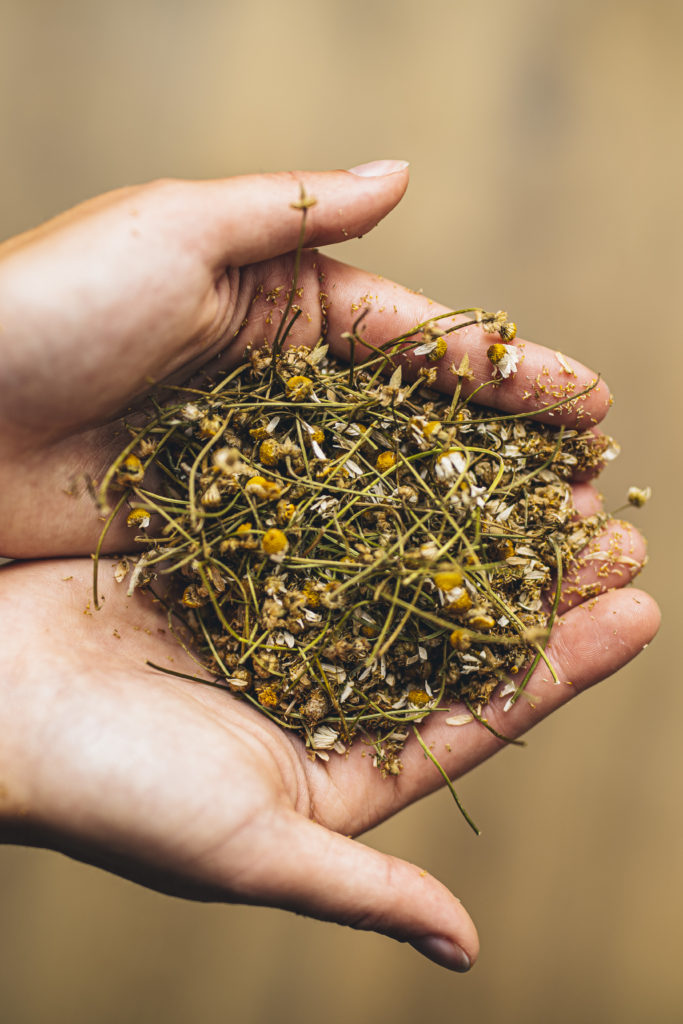
We are delighted to team up Feragaia, the first ever working alcohol-free distillery in Scotland! Co-founders Bill Garnock and Jamie Wild combine traditional distillery methods with a bountiful of 14 botanicals from both land and sea, including seaweed, bay leaf and chamomile.
It is this reason that makes Feragaia so unique, as the brand does not rely on alcohol to carry it’s flavours unlike other alcohol-free spirits; they use natural flavours and qualities to transform the spirit into having a complex yet clean taste which is making powerful movements within the drinking scene.
Traditionally distilled and bottled in the beautiful Scottish Lowlands, the natural flavours go through distillation runs, which are then blended with fresh, Scottish water to create a perfect balance of earthy, spice notes.
In Conversation with Feragaia
We recently had the opportunity to sit down with Feragaia and explore the inspirations behind the brand, from Bill and Jamie’s story to them letting us know the perfect food pairings that go well with the spirit. Make sure to have a tea and biscuit in hand as this makes a perfect read!
We are BIG fans of your drinks! Tell us, what inspired you to make an alcohol-free spirit?
We love to hear it, thank you! We’re huge admirers of the heritage and quality of Maldon. For me, Feragaia started with a question that I kept on coming back to. It was ‘why do I feel so trapped by alcohol?’ Working in spirits gave me a high exposure to alcohol, combined with a traditional English drinking habit – I found it relentless and restricting. I concluded that confidence could answer my question and so I set about developing a premium, unapologetic and confident alternative. So people can have a equal choice – very democratic!
How would you describe the taste of Feragaia?
It’s an original and unique taste, with a refreshing depth of flavour. 14 carefully selected botanicals create a layered and wild journey through land~sea~spice.
We’ve done some research and found that ‘Feragaia’ translates to ‘wild earth’. Is there a correlation behind your name and your drinks?
You got me! In a small way perhaps, but Wild fortunately evokes so much more than just me. Like so many, Earth’s wild places are places that Bill and I greatly value and crave connection to. It was this shared core belief that established the Wild/Fera seed!
Courier – Food & Drink – Julia Bryce – Feragaia Distillery story – CR0038565 – Glenrothes – Picture Shows: Bill Garnock (31) and Jamie Wild (31) at Feragaia Distillery, Scotland’s First Alcohol Free Spirit Distillery – Tuesday 27th September 2022 – Steve Brown / DC Thomson
What an accomplishment in becoming the first working alcohol-free distillery in Scotland! We would love to know Jamie and Bill’s story on how Feragaia was born to where it is now.
Thank you. It is something we are incredibly proud of. We’ve always wanted to set the benchmark for transparency and quality in this category, there is too much ‘smoke and mirrors’ and it’s hurting the reputation of alcohol-free spirits. Bill is the Scottish one in Feragaia and was the driving force behind our provenance and process, out of which was born Feragaia’s respecting of Scotland’s rich heritage of premium spirits and progressive nature.
Would you say the alcohol-free movement is becoming more popular as the years go on?
Absolutely! Since launching Feragaia in 2019 we have sampled thousands of people. I can confidently say people’s curiosity and confidence in alcohol alternatives has and continues to grow. I expect this to be the case for some time.
We’ve seen you make many delicious cocktails, what would you say your top 3 favourites are?
In order of simplicity. I love our perfect serve ‘Wild Ginger’ 50ml Feragaia, Ginger ale and a slice of lime. Next up, our most popular cocktail serve – ‘Paloma’ 50ml Feragaia, Pinch of Maldon salt, squeeze of pink grapefruit and topped with tonic. Finally, it took me months to perfect this one, but the ‘Smokey Old Fashioned’ with a large ice block brings me great joy. Lapsang Souchung tea, ginger syrup, lime and Feragaia. It really redefines in my mind what an alcohol-free drink can be.
How would you try and convince someone who has never purchased an alcohol-free spirit to give it a try?
“I still drink alcohol, but sometimes I can’t or I’d rather not. In which case why should I sacrifice my experience, and feel left out?” Feragaia, is the original-free spirit that is redefining alcohol-free through its refreshing depth of flavour that’s distilled at our very own distillery in Fife, Scotland. It allows you to have a sophisticated and delicious drink to savour and enjoy during those moments where alcohol is to be avoided – how about a taste?”
What food would you say pairs well with Feragaia?
We talk about depth and length of flavour as this is what slows you down and makes Feragaia ‘a drink’ apart from a soft drink, juice, tea etc. The long finish is very complimentary when eating as there isn’t too much of a clash on the top of the pallet. I’ve always liked the combination of some savoury appetisers like roasted nuts and Feragaia in that aperitif moment. If I’m really pushing the boat out then the link between our land & sea botanicals and oysters are quite special!
Your bottle and cap are both 100% recyclable and the botanicals used are composted after distillation. Is this a topic in which you are passionate about?
We tried to register ourselves on B Corp before we registered on companies house! Then we realised we needed to have a registered business to apply for B Corp. At the core of our business lies a belief that truth, authenticity and purpose are ‘must haves’ today. We have developed a sustainable foundation on which Feragaia can grow and meaningfully support the changes that we need to make together in the world.
Now…we are very much excited to announce that Maldon Salt is in the Paloma recipe. What is your favourite way to enjoy Maldon Salt in a drink?
I love the story of land and sea, which could be more apt for Maldon Salt. Salinity when used in drinks correctly is really effective. You just can’t better the Paloma, bitter citrus, saline complexity and the defining depth of Feragaia – It is complete! Sláinte
Feragaia x Maldon Salt Cocktail
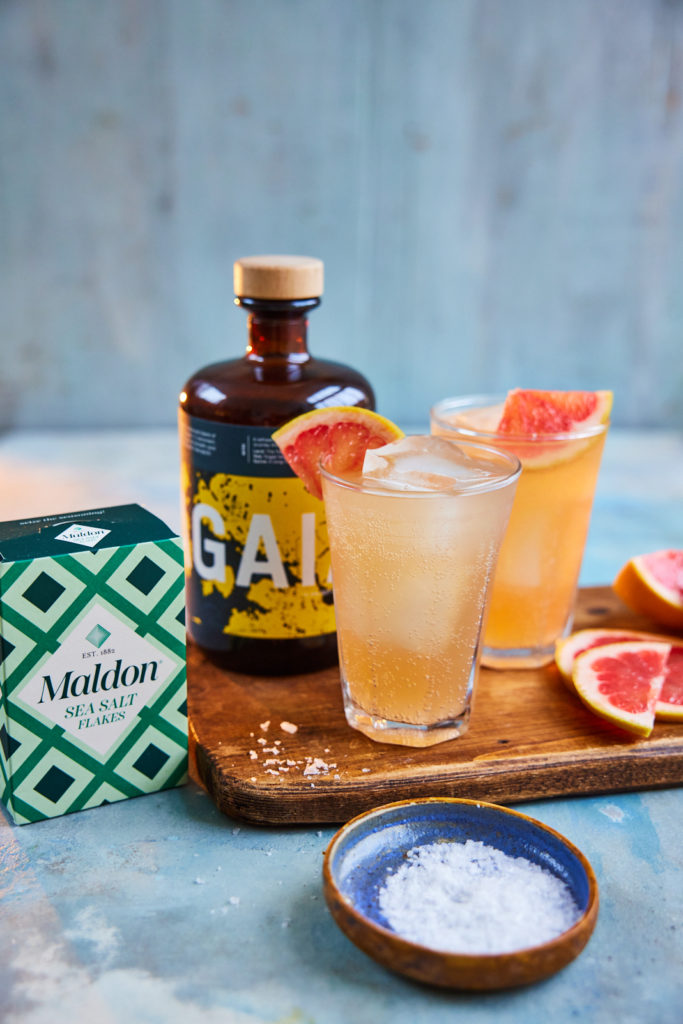
In celebration of Dry January, Feragaia and Maldon have come together to create a ‘Paloma Cocktail’.
This cocktail has a beautiful, fresh taste of citrus from the courtesy of Feragaia’s blackcurrant leaf and lemon verbena and Two Keys Pink Grapefruit Soda. Being naturally sweet, the flavour is hightended from a generous sprinkle of Maldon Salt on top to emphasise the sweet notes and counteract the bitterness…delicious!
Add 50ml Feragaia, 15ml Two Keys Pink Grapefruit Soda and a pinch of Maldon salt to a highball glass.
2.Stir until dissolved, add ice cubes and garnish with pink grapefruit.
Win a Bundle of Goodies!
You could be in the chance of winning one of our limited edition bundle packs, which includes a bottle of Feragaia, Two Keys Grapefruit Soda and an exclusive Maldon Salt Pinch Tin…the perfect combination to create our deliciously good Paloma cocktail!
Head over to our Instagram Giveaway now to enter… But be quick! There are only a number of limited bundles to win.
Lastly, we LOVE seeing your creations – please tag us on Instagram using the #maldonsalt so we can share your cocktail masterpieces on our socials.
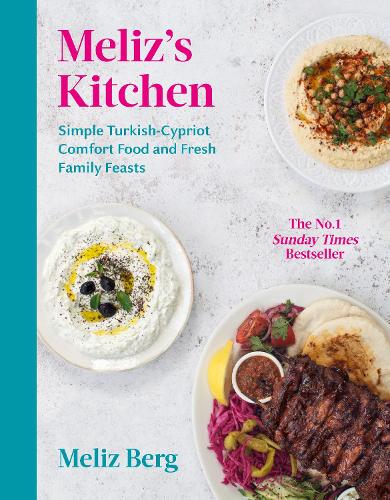
This month we are exploring the talented Meliz Berg and her debut cookbook, Meliz’s Kitchen: Simple Turkish-Cypriot Comfort Food and Fresh Family Feasts.
Influenced through her Turkish-Cypriot heritage, Meliz shares a melting pot of unique cuisines from across the Mediterranean to the Middle East, showing readers how to create easy-to-follow recipes that pack a punch full of flavour and spices.
One thing Meliz is passionate about within her writing is how to create flavoursome meals for a busy family life. You don’t need to stick to the same-old dishes that you cook everyday when you have this book in your hands…simply adding a few spices influenced from her heritage will elevate a dish in seconds and creates dinner time to be exciting again!
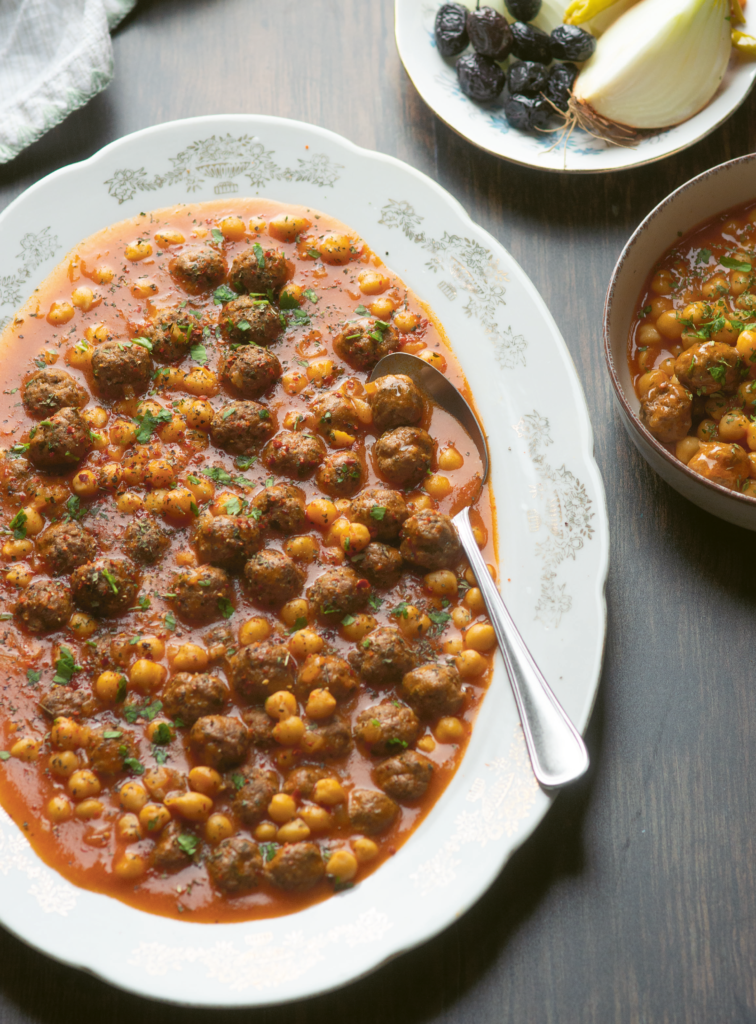
Meatball & Chickpea Stew (Kofteli Nohut Yemegi)
This delicious stew is a perfect to warm you up during the cold winter months! The meatballs (kofte) are coated in breadcrumbs to keep the meat beautifully soft and tender when fried to keep the meat succulent. The meaty oils then coat and infuse the onions while they slowly caramelise with the buttery roux, which will thicken the delicious tomato and sweet red pepper sauce.
1 tbsp Turkish sweet red pepper paste (tatli biber salcasi)
50g (1, 3/4 oz) unsalted butter
2 tbsp plain flour
400g (14 oz) can chickpeas, drained and rinsed
To Serve:
Dried mint
Pul biber
Maldon Salt
Black pepper
Fresh parsley
Method:
In a heatproof jug, dissolve the stock cube in the boiling water and leave to one side.
Place the minced beef in a large bowl. and add the breadcrumbs, paprika, dried mint, oregano, pul biber, parsley, garlic, Maldon Salt and pepper. Mix everything together well with clean hands. Shape the mixture into around 40-50 mini meatballs.
Add the olive oil to a large pan over a medium heat and brown the meatballs, in batches, then remove to a plate.
Add the onion to the oil and soften for 12-15 minutes until translucent and slightly caramelised.
Add the tomato puree and sweet red pepper paste, coating the onion and allowing the red pastes to full release their oils for a minute or two. Add the butter to the pan, str through until it melts, then add the flour and whisk to form a thick roux (paste).
Slowly pour in the stock, whisking the bottom of the pan consistently so that the roux dissolves into the liquid, and then add the chickpeas and ,eatballs to the pan. Stir everything very gently to avoid breaking the meatballs, and bring the stew to a boil.
Reduce the heat to a slow simmer, place the lid on the pan and leave to cook for 20-25 minutes until the sauce has reduced and thickened a little.
Serve with an extra sprinkling of Maldon Salt, dried mint, pul biber, cracked pepper and fresh parsley. Raw onion wedges, pickles, olives and fresh bread are also delicious to serve on the side.
In Conversation with Meliz Berg
We were lucky enough to sit down and talk with Meliz in getting to understand where her inspiration to release a cookbook came from. We also explore in ways to elevate family dishes and also revealing her own personal favourite recipe from her book.
Meliz, firstly we wanted to congratulate you on your debut cookbook recently: Meliz’s Kitchen! Where did the inspiration come from for you to finally collate your delicious recipes into a book?
Thank you so much! I honestly wanted to write this cookbook for as long as I can remember. Oral tradition has played a huge part in passing down these recipes for my family; I watched my grandmothers, mum and aunties cook these recipes instinctively, over and over again, yet when I first moved out into my own home, I would regularly call my mum so she could talk me through cooking the recipes myself; even though I’d watched her for so many years, I took for granted how easy and instinctive she would make it all look. These recipes are so special to me, and I wanted to preserve them; by writing them down and collating them into Meliz’s Kitchen, I have now preserved them indefinitely, not just for my own family, but for others who share the same culture and traditions as my own, and have also exposed them, including the ingredients and cooking methods used, to unfamiliar audiences too.
In the book you showcase a melting-pot of beautiful, different cuisines. Is this something you feel passionate about sharing with your readers?
Absolutely. Cyprus is a melting-pot of influences, that centre between East and West, yet there has always been this misconception that Cypriot food is just Turkish and/or Greek food. Although the influences from both these cuisines is undeniable, the infiltration of so many other cultures, empires, cuisines and ingredients (Byzantine, Ottoman, Venetian, Arabic, Levantine, Mediterranean Asian, I could go on and on) over centuries has inevitably resulted in a separate, unique Cypriot cuisine in itself. Even though the umbrella of Cypriot cuisine covers recipes cooked generally by both Turkish and Greek Cypriots, some of the dishes and flavour-combinations utilised by the Turkish Cypriot community differ from those cooked by our Greek-Cypriot neighbours and vice-versa and can even differ from village to village, and family to family; the recipes that came from my family’s Turkish-Cypriot kitchen are the ones I grew up with, which I have highlighted with personal stories and anecdotes throughout the book.
You must have a favourite recipe in the book! Can you share with us?
Oh goodness, I have so many, for various reasons; some for the nostalgia, some for the triumph of not giving up on a challenging recipe until it was “perfect”, but I think, for its simplicity, layers of flavour, and popularity since releasing the book, it has to be “Kıymalı Garavolli” (One Pot Lamb Mince & Conchiglie Pasta).
What would a normal day-in-the-life be for you Meliz?
Once my children are at school, I’ll either start the day with an hour’s admin to catch up on emails before recipe testing, or, if I have more than one recipe test to do then I’ll go shopping first to pick up any last minute ingredients and start testing as soon as I get back home. If I’m working on a tried and tested recipe, then I’ll film the recipe to have some content to create reels with, and that recipe, or part of it at least, will also serve as the evening’s dinner. I usually schedule (online) meetings at the start and end of the day so that I can have a full, interrupted run of cooking and filming and try to clear and tidy the kitchen away before picking the children up from school. Then it’s after-school activities, homework, dinner, baths, and once we’ve listened to them read, I turn the laptop back on to start working again, haha! I work most evenings, either writing up recipes or editing videos and recipe reels.
Family meal recipes always seem to get a ‘bad-rep’ of being dull and boring…what are some easy ways people can elevate a dish and turn it into something deliciously new!
Have a well-stocked store cupboard with spices, condiments and pulses that will help to add flavour and umph to any dish. I love dried herbs such as dried mint and oregano, spices such as pul biber, paprika and smoked paprika, and always have extra virgin olive oil, pomegranate molasses, vinegars and honey on hand to create dressings and marinades. Stock cubes are also so underrated and I always use them to cook rice, pasta and pulses with, as well as adding them to sauces, soups and oven baked dishes too. And a sprinkling of Maldon Salt never goes amiss either!
Name 3 things in the kitchen that you can’t live without?
Grater (to grate hellim with – I cover everything in blanket of grated hellim), a pot of spoons (to taste my recipes as I cook), my trusted baking trays (I found some baking trays online that I swear by).
A little birdy told us you were a qualified music teacher before you started your recipe blog…would you say music and food are connected in a way?
I was – I taught secondary and A Level music, for 8 years, and studied music at university to Masters level; my university friends would regularly come over to my mum and dad’s house for some home-cooked Turkish-Cypriot food. I have such a deep connection with both food and music, and a song can automatically transport me back to a familiar place or time, in the same way as a bite of one of my favourite dishes can. Music, food, the arts in general, have this never-ending capacity to constantly develop, excite and satisfy.
After a busy day, what are some things you like to do to relax?
Sit at the piano and have a good old sing. I find it so cathartic.
Meliz’s Kitchen Cookbook
You can find where to purchase Meliz’s cookbook here and start creating your perfect family feast!
Make sure you have your Maldon Salt ready for these recipes! If you are running out, please feel free to browse on our Where to Buy Page to find your nearest store in which stocks our beloved Maldon Salt.
Lastly, we LOVE seeing your creations – please tag us on Instagram using the #maldonsalt so we can share your own take on Meliz’s recipes!
Xanthe Gladstone is a chef and seasonal food advocate based in the beautiful countryside of the Hawarden Estate, North Wales. Being a strong activist for food sustainability, we delve into the importance of eating healthier, sustainable foods and Xanthe’s tips on how you can join in.
Could you tell us where your passion for nature and food sustainability first begun?
I think it’s been a very long time coming – if that makes sense. I was very lucky to grow up surrounded by nature and so I think I had a long appreciation and understanding of it. I lost this a little bit in my teens but it slowly started to come back towards the end of my time at University. After I graduated and was a little lost on what to do next, I started getting really interested in food sustainability and cooking, that interest turned into a bit of an obsession. I became fascinated with the work of Dan Barber and that led me into lots of different avenues like growing your own food, mushroom foraging, cooking seasonally, and understanding regenerative farming. I had my head in a book about one or other of these topics for the best part of two years and I soon realised that I couldn’t not at least try to turn this passion into a career.
Nailing that work / life balance can be hard, do you have any advice on this and what is your favourite way to relax?
It can be hard for sure, especially when you love what you do, it’s hard to switch off! My work is often very physical and fast paced, especially when I have lots of supper clubs on, so it can be exhausting for my body as well as my mind. For the last few months I’ve really got back into exercise, more specifically hot yoga, which has been an absolute game changer for me. Stretching out and sweating is something I love doing. Exercise is for some people and isn’t for others, but try to find an exercise that really suits you and what you like doing, if you actually enjoy it then you’re more likely to do it consistently. It’s really helped me switch off and as a result had a hugely beneficial effect on my mental health. I also try to spend some time away from my phone when I want to properly switch off too or leave my phone at home and walk the dogs.
You’re a strong advocate for Food and Sustainability, how can you become more sustainable when it comes to food?
It is a huge issue and one that has many different avenues but I think having a better understanding of where our food comes from is a good place to start. Luckily for us, the supermarkets make this very easy by having to display the country of origin of their fresh produce. So, when you are in the supermarket, have a look at the label and maybe try to stick to produce that comes from the UK, or maybe in winter Europe. It’s such an easy way to really get to know a bit more about seasonal eating, and you’ll realise that the UK actually has a lot to offer, especially in summer.
People perceive moving to the countryside is when you want to settle down and relax at an older age. You proved this wrong by returning back from the corporate life to focus on growing fresh produce and cookery, is this something you want to influence more of for the younger generation?
I think yes, but more generally I would like to be able to influence younger generations to have a bit more confidence in a pursuing a career that they truly love! If that involves moving to the countryside, then I hope seeing my journey will inspire them to do something similar. I am very aware that I was very lucky to have a home in the countryside to go back to as I didn’t grow up in London, before I moved into my own cottage, so moving back in with my parents gave me some time to test the waters and figure out whether this was definitely what I wanted to do, not everyone has the opportunity. I hope that younger generations realise that there are so many different options when starting your career, and that city life isn’t for everyone.
What would you recommend for people living in the city who still want to grow fresh produce with limited space?
There so much you can grow indoors or on a really small balcony. Tomato or chilli plants are such a fun thing to grow because they are Mediterranean plants anyway so like the heat of a home (to an extent). I always recommend growing herbs on a windowsill or balcony because some herbs are very hardy (like rosemary, thyme, sage) and others like parsley and basil will grow really well in summer. I use multiple herbs every single day so they are something that’s really worth growing for me.
Top 3 things you can’t live without whilst your baking/cooking?
What does a typical working day look like for you at the Hawarden Estate?
My days are very varied so it’s hard to say what a typical day is like but I will attempt. I’llstart by walking my dogs and while I’m walking them check on the hens, and water the garden if it’s been very dry. There are a team of three of us in the garden so I’ll usually try to catch up with them around 9am and talk through jobs for the day/week. Then I may spend a couple of hours in the garden first thing followed by meetings with the kitchen team at Hawarden Estate Farm Shop or the events team at The Good Life Society, our office is in the middle of the gardens. Usually at lunch I go home and try to film a recipe video for Instagram, I kill two birds with one stone by cooking/eating lunch and creating content as I don’t really have time otherwise to do so. Then in the afternoon I’ll probably work from home catching up on emails, on Zooms, and organising logistics of events I’ve got coming up. In the evening I do hot yoga at Hot Pod in Chester, and then eat, watch tv and chill.
Your favourite plant-based recipe to make?
Lots of pasta sauces I make are accidentally plant-based, and they’re a great thing to make to to get lots of veg in but also cook something delicious. My go to at the moment is a Slow Cooked Aubergine and Tomato Sauce. Not to be this person but there’s a recipe for it on my Instagram if you wanted to check it out.
Psst…Keep your eyes peeled on both our socials in the New Year, as Maldon Salt and Xanthe Gladstone are teaming up to celebrate all things veg and sustainability ahead of the upcoming Veganuary Month!
Interesting Recipe Ideas Using Clarence Court Eggs
Ever had that discussion whether the Christmas feast is at dinner time or lunch time? Believe me, it’s a constant quarrel we tend to hear as we head into the festive period!
So, why not put the spanner in the works and switch up the conversation completely…A Christmas Brunch?! It is the perfect way to create a relaxed environment on Christmas day amongst your family and friends as you tuck into dishes that you know and love…but with a festive twist! The reason we love a brunch here at Maldon is that there is never a set time, and you’re literally combining two meals in one, breakfast and lunch! Take your time; indulge in the delicious treats and share memories with loved ones around the table, building up the excitement for the rest of your plans on Christmas Day.
In our opinion, Clarence Court Eggsare better than most because they offer the widest variety of eggs sold across Britain; from the classical Burford Browns, to Quail’s Eggs and even Ostrich Duck! The reason why their eggs are adored by so many is that the Clarence Court birds are completely free-range, roaming freely across England’s green fields. This means that they lay at their own natural pace – never rushed – which causes the eggs to become deliciously distinctive and richer in flavour.
As soon as you spot The Clarence Court crown on a box, you know that behind the eggs is a team of dedicated, specialist farmers who nurture and provide specialist care for the birds to deliver the ‘finest, free range eggs’ on their farms. It is because of this that you will find an intense, golden yolk when you crack open a Clarence Court egg, due to the rich diet and care that the farmers give to their birds…resulting with dishes bursting with flavour from the use of their bounty.
Now let’s take a look into the delectable brunch recipes that we have cooked up with Clarence Court! But first and foremost, are you team savoury or team sweet?
Savoury Brunch Recipes
For those who want a hearty way to start the day, we’ve cooked up several brunch dishes that hold focus on savoury flavours. With dishes infused with the wintery herbs and spices, your guests will be giving you praise as you introduce them to a brunch-feast fit for a king.
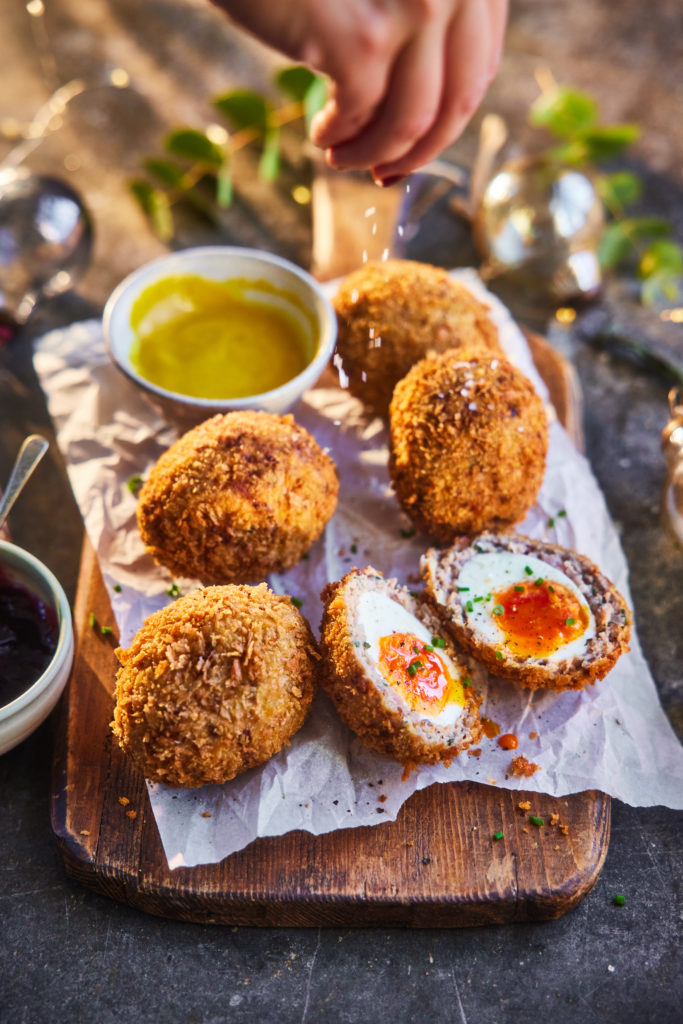
Ah yes – the humble scotch egg. With the origins claiming to be derived from the renowned Fortnum & Mason department store in London within the early 1700s, this traditional dish consists of a hard-boiled egg wrapped in sausage meat and breadcrumbs. However, we wanted to take traditional and give it a festive sprinkle! Instead, we use turkey mince, spiced with the wintery flavours of cranberries, thyme and sage to enhance the spirit of Christmas with every bite you take. For the egg, we use the classic Clarence Court Burford Brown, soft boiled to give an oozing burst of taste. With a final sprinkle of Maldon Salt and our black peppercorns and you have created a savoury sensation to be loved by many over your Christmas brunch feast!
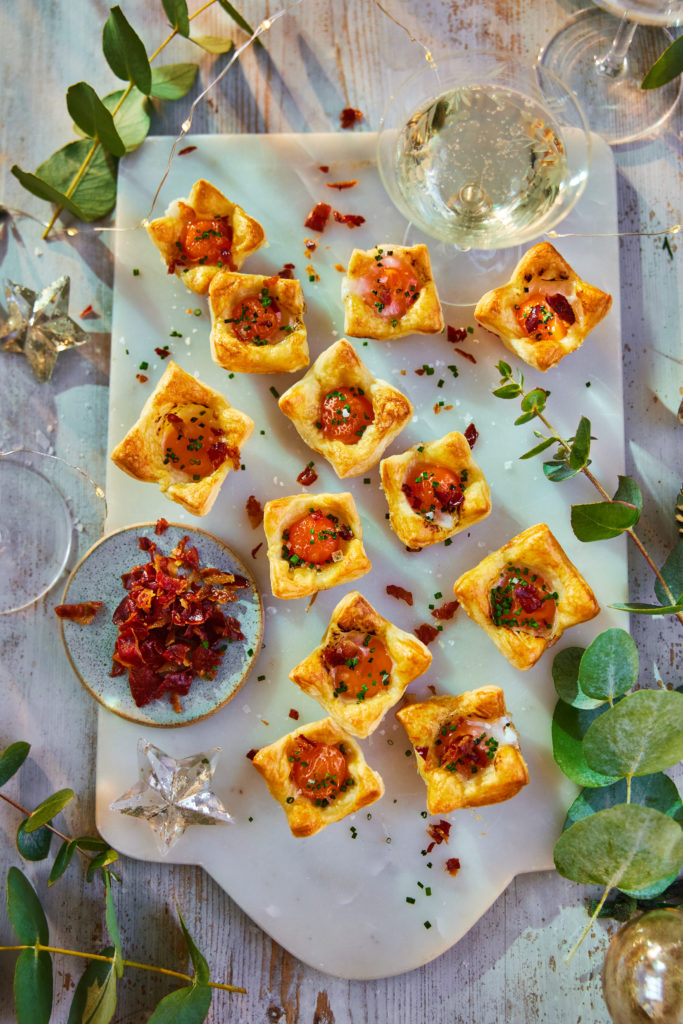
Pigs in blankets are a cult favourite in Britain around the festive period…but it could be considered a little ‘meat-heavy’ if you’re tucking into these in the morning/early afternoon. So, we’ve whipped up a ‘brunch’ friendly alternative…Eggs in blankets using Clarence Court’s Quail’s eggs! The reason we chose quail’s eggs is because they are beautifully bite-sized and can be cooked in a matter of minutes. Therefore, when wrapped around a buttery blanket of pastry, this recipe will create the perfect little treat to be shared around brunch-time with family and friends…dig in!
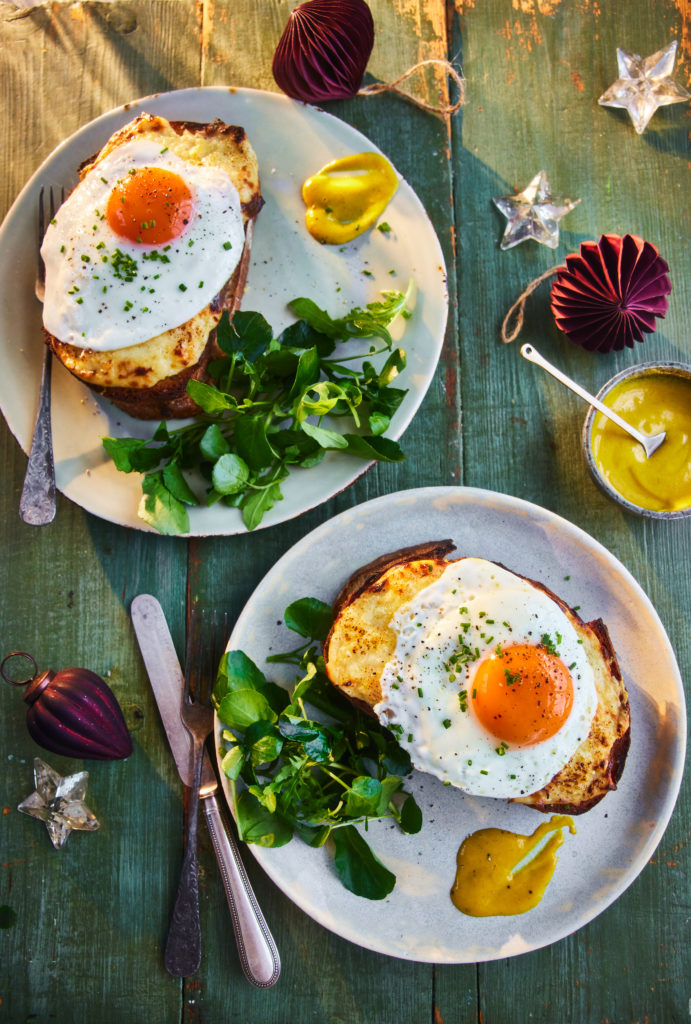
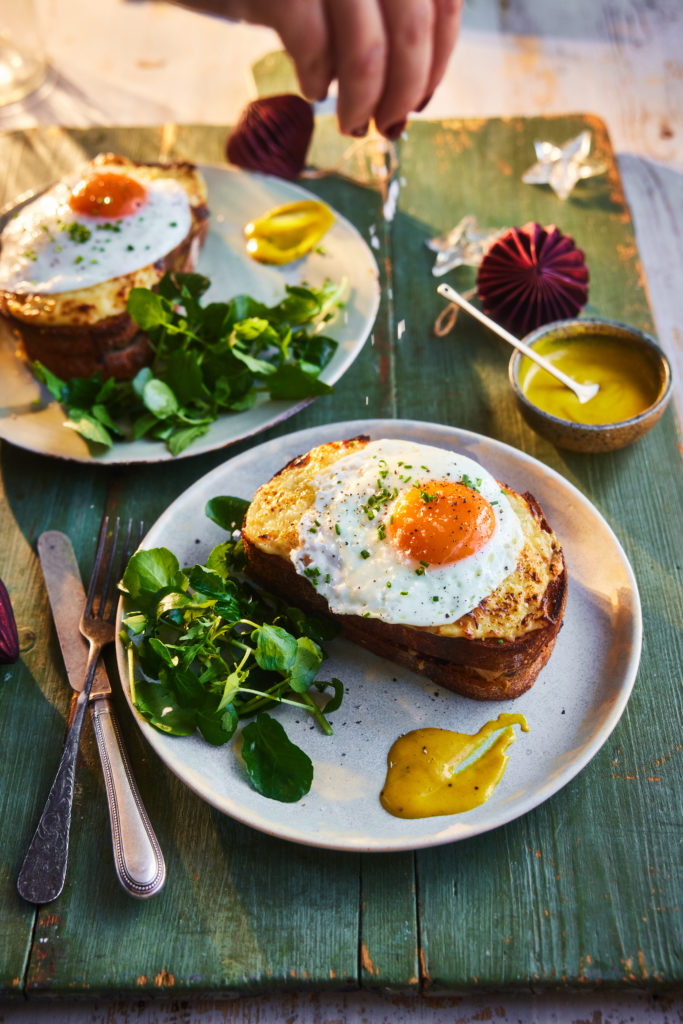
Cooked up a Christmas banquet and still have leftovers? Fear not, as we’ve created a glorious Croque Madame recipe packed with leftover turkey meat, stuffing and of course the renowned Burford Brown Eggs to be enjoyed around the table. Originating from France, the dish is the French version of a cheese toastie, but we’ve given it a Christmas touch with the use of shredded turkey meat and stuffing, sandwiched between sourdough bread. We fry the Burford Brown egg so that once you bite into the sandwich, you are met with a delicious ooze of rich yolk to give a burst of flavour. To give a node to the classic Croque Madame, we created a delectable béchamel sauce to be grilled on top of the sandwich, which is flavoured with parmesan and gruyere cheese and then sprinkled with the festive notes of nutmeg and a pinch ofMaldon Saltto make the dish sing!
Sweet Brunch Recipes
Who say’s brunches need to be completely savoury? We’ve dished up recipes that can be also be enjoyed and loved by your fellow sweet-tooth friend. With the delightful flavours of winter orange; almond, nutmeg and cinnamon, your guests will be transferred to recipes in which will keep them warm throughout the day as the gear up for the rest of Christmas Day.
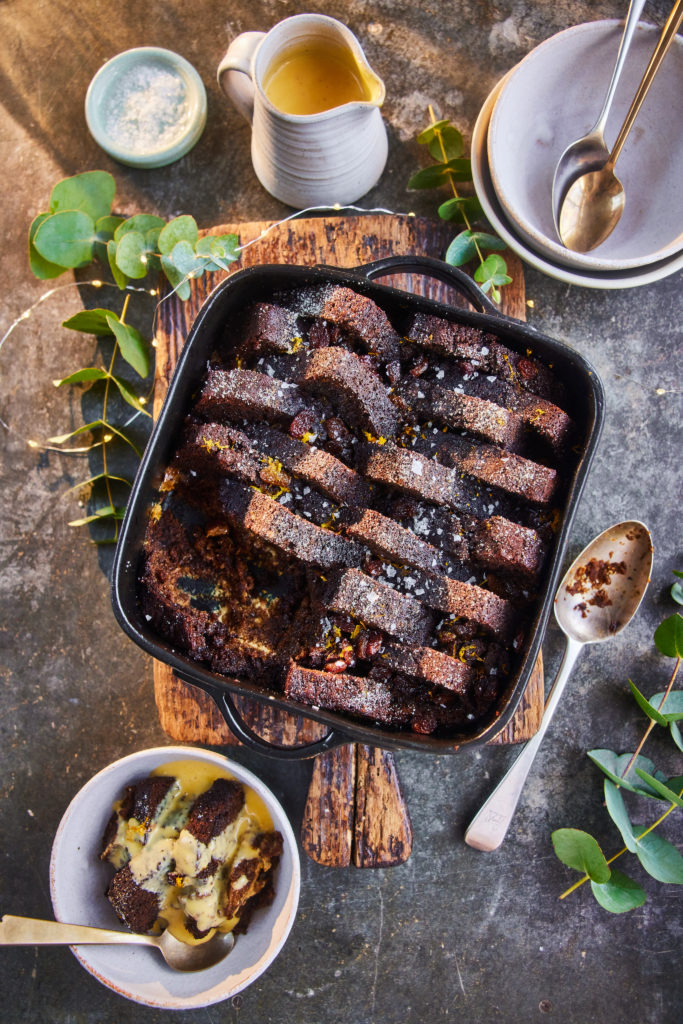
The classic bread and butter pudding… treasured by many for its simplicity but greatness in flavour. Believed to have been created dating back the early 11th century, we’ve took classical and introduced it to festivity through the use of Gingerbread loaf and Eggnog Custard! Made by slices of ginger, cinnamon and mixed spice loaf, the layers are met with the warming blanket of vanilla cream and whole milk spiced with cinnamon. Oven baked, the dish comes out proclaiming with flavour and wintery aromas that will make your guests sing with praise. For the topping, theEggnog Custard is the final touch for this showstopping dish, where we use Clarence Court’s Leghorn White Egg Yolks to give warming, rich touch to the recipe.
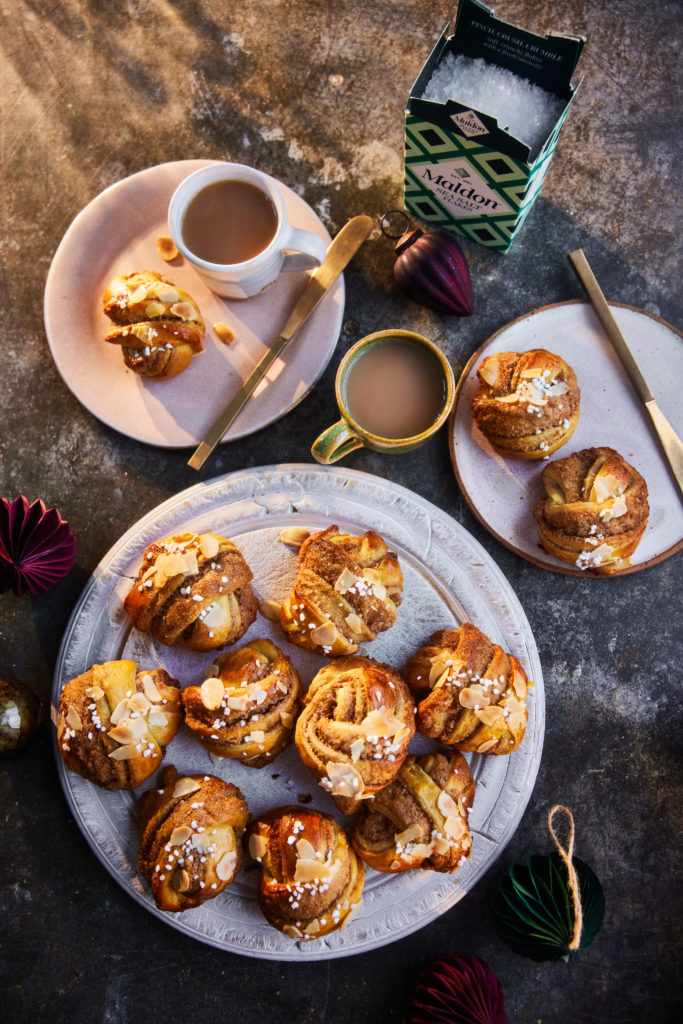
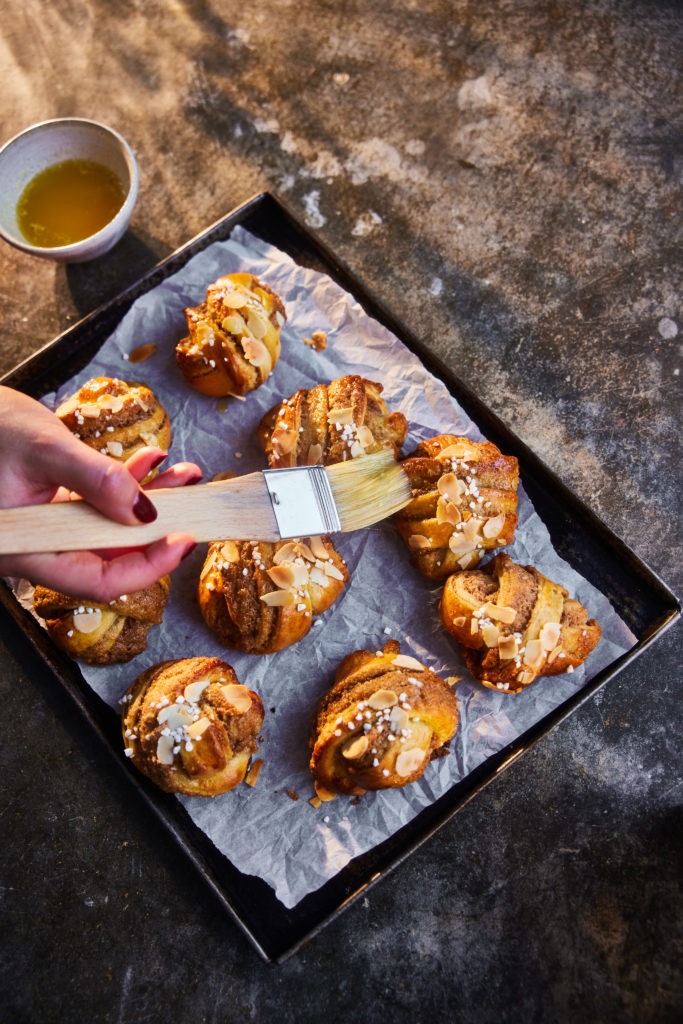
These buns are filled with the Christmas flavours of orange, almond, and cinnamon which are perfect for a festive brunch. The dough comes out perfectly tender, which is great when you are tearing and sharing amongst friends and family. We also demonstrate the importance of an egg wash for these treats, using Clarence Court’s Burford Brown. The reason this holds importance is that the egg wash creates the pastry to become shiny and have a gorgeous, golden colour to them when baked in the oven. Not only is it significant in appearance, the egg wash also acts as a glue, helping the buns stick together and holding its shape within the baking process.
Ho-Ho-Ho…Delicious!
From reading this article we hope you become inspired to not become limited in creating the traditional dishes you would usually make around Christmas. Brunch is a way of exploring different flavours, whether that being savoury or sweet!
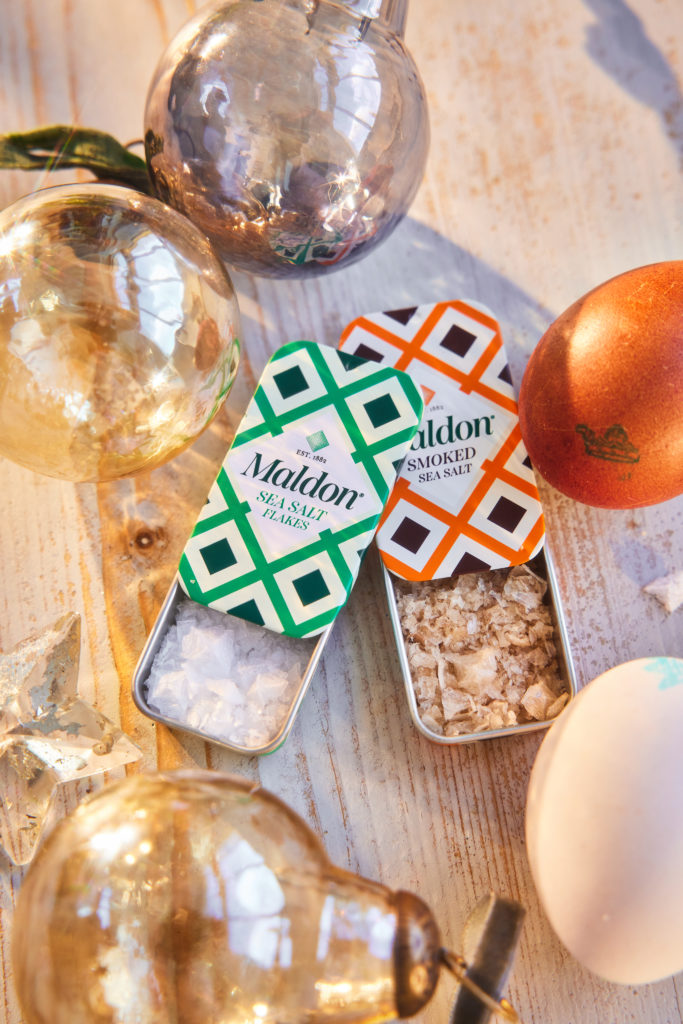
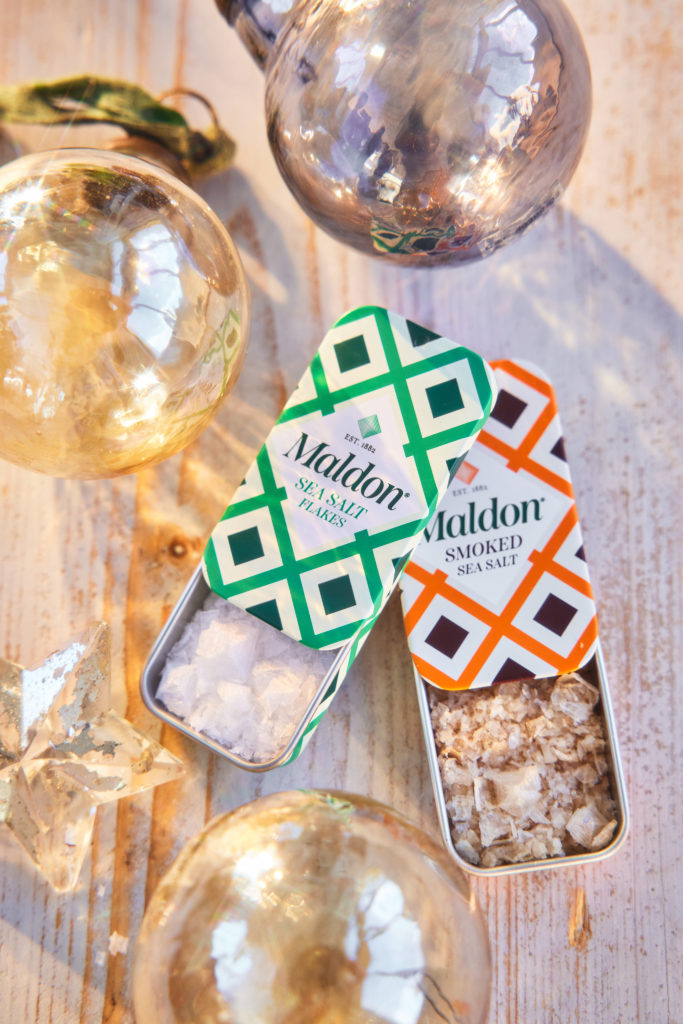
Make sure you have your Maldon Salt ready for these dishes! If you are running out, please feel free to browse on our Where to Buy Page to find your nearest store in which stocks our beloved Maldon Salt ahead of the festive season…especially for our Smoked Salt for the deliciousFestive Turkey Scotch Eggs.
Lastly, we LOVE seeing your creations – please tag us on Instagram using the #maldonsalt so we can share your culinary masterpieces on our socials.
We are joined with the marvelous Harrison Webb; a talented food blogger who has recently launched their debut cookbook: H’s Cookbook. Within the book you are greeted with Harrison’s favourite dishes, both classic and contemporary in flavours to be shared and loved with people around the globe. With a huge variety in recipes from breakfast, lunch and dinners to sauces and drinks…there really is a dish for every occasion!
In this Q&A, Harrison shares his reasons behind creating his book, where we are given insight to his own favourite recipes, where his passion for cookery came from and of course the meaning behind his viral TikTok on the recreation of Salt Bae’s £1,500 steak in which led him to become a viral sensation!
We wanted to give you a huge congratulations you on releasing ‘H’s Cookbook’ this year! Can you tell us what inspired you to write this book?
Thank you so much, it’s been a goal of mine to do a cookbook for a while so it still hasn’t really sunk in yet. Friends, family and the people that follow me online inspired me to make one, they were always asking me “Why don’t you make a cookbook?” so I really owe it to them.
You must have a favourite recipe in your book! Can you share it with us?
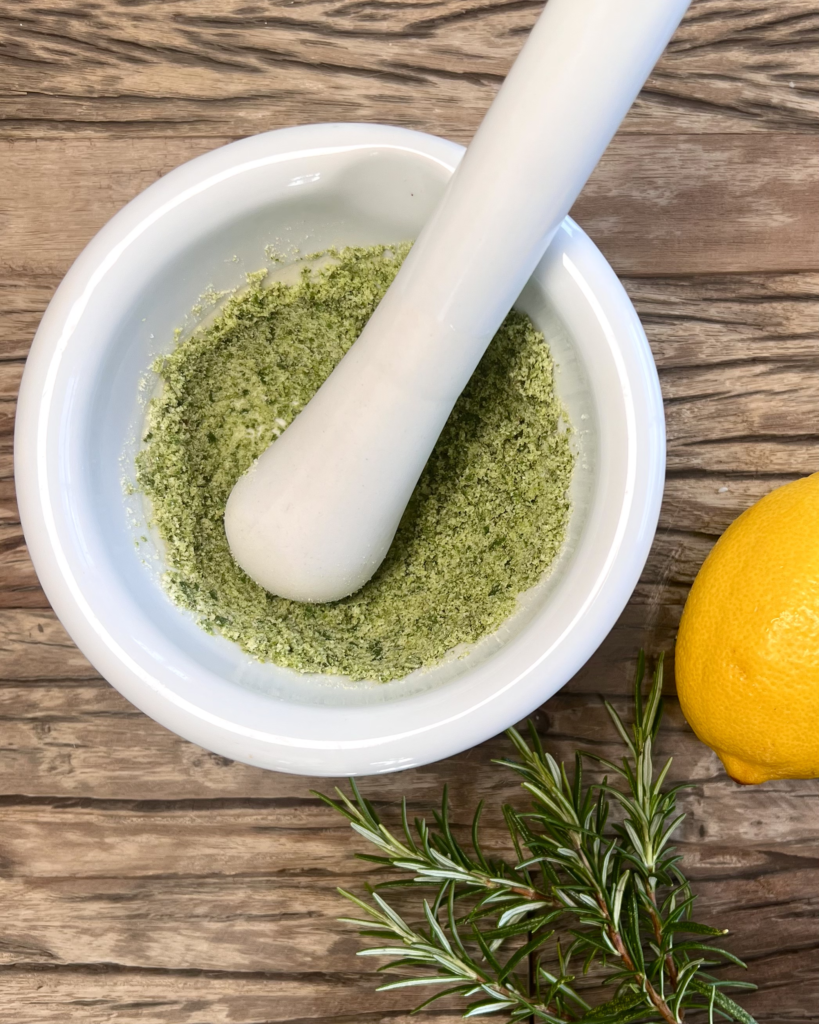
I’ve thought about this a lot and it depends on what I’m in the mood for. The book is broken up into chapters for whatever you might fancy throughout the day. I think it has to either be the butter chicken or the roast potatoes with lemon rosemary salt. (Maldon salt to be specific!)
Where did your love and passion for food come from? Have you always been a ‘foodie’ or is it something that you’ve learnt to enjoy overtime?
I got my love and passion for food from my dad, we would always cook together and still do quite frequently. Food is such an important thing in my family, whenever we’d eat out at a restaurant I was always thinking about how I’d elevate a dish or would want to make it at home. So to answer your question I’ve definitely always been a ‘foodie’.
You became a viral sensation on TikTok from taking on Salt Bae’s £1,500 gold steak and replicating it for under £65! What was your purpose on showing people this?
I seriously was not expecting that video to go viral, I love that Salt Bae himself reposted the video so I think we’re on good terms. It was just an interesting take on how you could replicate this so-called gold steak without having to spend £1,500. There are of course loads of other things to factor in, but news outlets in the UK were quite literally eating up any press about him at the time.
Would you say the younger generation are being inspired into learning how to cook through the use of social media and their influencers?
100% Yes! Food content really is everywhere on social media. It’s crazy to think that recipes can go viral now, the baked feta and tomato pasta for example left some supermarkets with a shortage of feta cheese, which just goes to show how powerful social media can influence people into the world of cooking.
What would you say your favourite cuisine is?
I get this question a lot and it genuinely is one of the hardest questions to answer. I love Indian food a lot, but the idea of mixing different cuisines and having small plates of everything would be the dream.
We can see you like to create popular food trends on the internet. Would you say your cooking style is more modern, or do you prefer the classical side of cookery?
I’d say a mix of styles, as you can learn so many things from cookbooks, online videos and also from the people you meet.
What are the 3 things you can’t live without in the kitchen?
A silicone spatula
A Microplane grater
And of course, Maldon salt!
If you could give one piece of advice for people learning to cook, what would it be?
I became obsessed with spaghetti carbonara and made it 2 times a day for about a week until I perfected it. Maybe that’s a little excessive and not everyone is going to do that. I find the best way to learn is to focus on one dish you really love, as you will be a lot more familiar with how it tastes and dedicated to getting it right. As cliche as it sounds just give it a go! Because even if you fail, the next time you make that dish or cook in general, you’re always going to improve from your past mistakes.
…Thank you Harrison!
You can now purchase Harrison’s cookbook here and discover the huge variety of delicious recipes in which you can recreate in your very own kitchen!
Need to purchase some more of our very own Maldon Salt to make these recipes? Head over to our Where To Buy page to find your nearest store!
Festive Cocktail Recipes to Serve at Your Christmas Party
Fancy a festive tipple? We’ve teamed up with our good friends Hayman’s Gin to create 3 delicious cocktails using their range. Quality is what we cherish here at Maldon, and Hayman’s Gin just does that through the making of their distilled treats. As a family-run business for over 150 years, Hayman’s uses only the finest of botanicals available with their two-day gin making process to infuse highly acclaimed flavours to their spirits. As a result, your left with a range of gin’s perfect for any occasion, particularly as we head into the festive period!
This article will explore the different flavours of each cocktail through the reflection of seasonality. This is an element in which is different to the normal, classic drinks you make all year around, as these cocktails will embrace the flavours and aromas that you experience as you head into the winter months.
We are first met with late summer as we create ‘The Salty Dog’ resonating the last notes of citrus and tanginess through the use of a salt rim. Growing into autumn we then make the concoction of ‘The Maldini’, where we start to use slightly bitter flavours as the season grows colder. Finally, if you want to jump to the ‘Pomegranate Fizz’ recipe, you will be able to create the perfect festive cocktail for your Christmas party this year. Bursting with flavours of glitz and dazzle, your guests will sing praise once you serve them these delights on your drinks trolley!
‘The Salty Dog’ was initially created by George Jessel in the 1950s, using a combination of gin and grapefruit juice to play a game of balancing the sweetness and bitterness together. And this is exactly what is echoed through the tastes of late summer; tethers of citrus and zest clinging onto the last summer months as the bitterness of autumn looms over. To reflect this, we used Hayman’s Exotic Citrus Gin. This spirit is bursting full of citrus through the use of pomelo, and mandarin whilst also having a faint bitterness through the Persian Lime.
Within the recipe you will also be demonstrated how to use a salt rim for this cocktail. As revealed, a salt rim using none other than Maldon Salt will enhance the sweetness of the citrus notes and balance out the bitterness. This is why you commonly see salt rims on margaritas, as the salt will offset the sweet and sour tastes of the drink as you take a sip. If you are more into the conventional things in life, you can find ourClassic Tequila Margarita Cocktailon our Recipes, Blog and Tips page.
Autumn. The gradual transition of trees changing to auburn; temperatures turning cooler and daylight growing shorter. What perfect way to reflect this than through our recipe of ‘The Maldini’.
Stemmed from the original ‘Martini Cocktail’, it is believed this drink was invented by Professor Jerry Thomas who was a 19th century bartender known to have made this drink at the Occidental Hotel in San Francisco. At basic level, you mix together vodka or gin with vermouth to give a slightly sweeter taste to the drink.
With our own take on ‘The Maldini’, we use Hayman’s London Dry Gin, a classic in their range. The result of crafting their gin over 2-days creates a fresh, crisp spirit with notes of winter juniper and spice. The recipe also reveals how to do a Maldon Salt solution. Simply mixing 100ml water and 4g Maldon Salt will allow the cocktail to have depth and counteract the bitterness from the gin and vermouth. Adding a cornichon for garnish may also appear out of place to a few of you, but did you know actually adding a pickled vegetable such as a gherkin or cornichon will enhance the flavour of the drink and reduce it from being as sharp!
‘It’s beginning to look a lot like Christmas!’ … And now for the grand finale as we head into Christmas…The ‘Pomegranate Fizz’. Using Hayman’s Sloe Gin, this wonderful spirit is a match-made-in-heaven for wanting to make a festive cocktail! Packed full of fruity notes of wild-foraged sloe berries, plummy aromas and hints of almond and frangipane, this really does scream out ‘Christmas’ to your guests. This recipe will show you how to utilise the sloe gin with a dashes of pomegranate juice and champagne to give a wintery fizz whilst you take your first sip.
Not only that, we also show you how to make an egg white foam for the top of the cocktail. This will add a glorious texture, mouthfeel and volume when you’re sipping this delicious tipple. Sprinkling a little pinch of Maldon Salt to finish off will enhance the sweetness of the drink and balance out the bitterness of the sloe berries.
To finish off, garnish this cocktail with sprigs of rosemary and pomegranate seeds to give pockets of sweetness and wintery pine. Although many might miss this step, garnishing your cocktail is a very important element of mixology as the final garnishing’s accentuate the drink’s flavours and aromas, tying them together before your guest take that first delicious sip.
Let’s Raise a Toast for the End!
All three of these gin-based cocktails are perfect to create for your Christmas party this year. ‘The Salty Dog’ is a great welcoming drink to freshen your guests’ taste buds as they come in from the cold and into the warmth of your home. ‘The Maldini’ then transports your guests to a more bitter, dryer side of flavours, cleansing their pallets for the final festive tipple…The‘Pomegranate Fizz’. This cocktail is a great way to end your party with the dancing flavours of sloe berries, pomegranate and champagne for an added fizz.
We love to see your creations from the recipes that we post! Make sure to tag whilst you make these fabulous cocktails on Instagram using the #maldonsalt.
PHOTO BY: STEVE FINN: Hoppers The Cookbook. The Book Launch Of Karan Gokani.
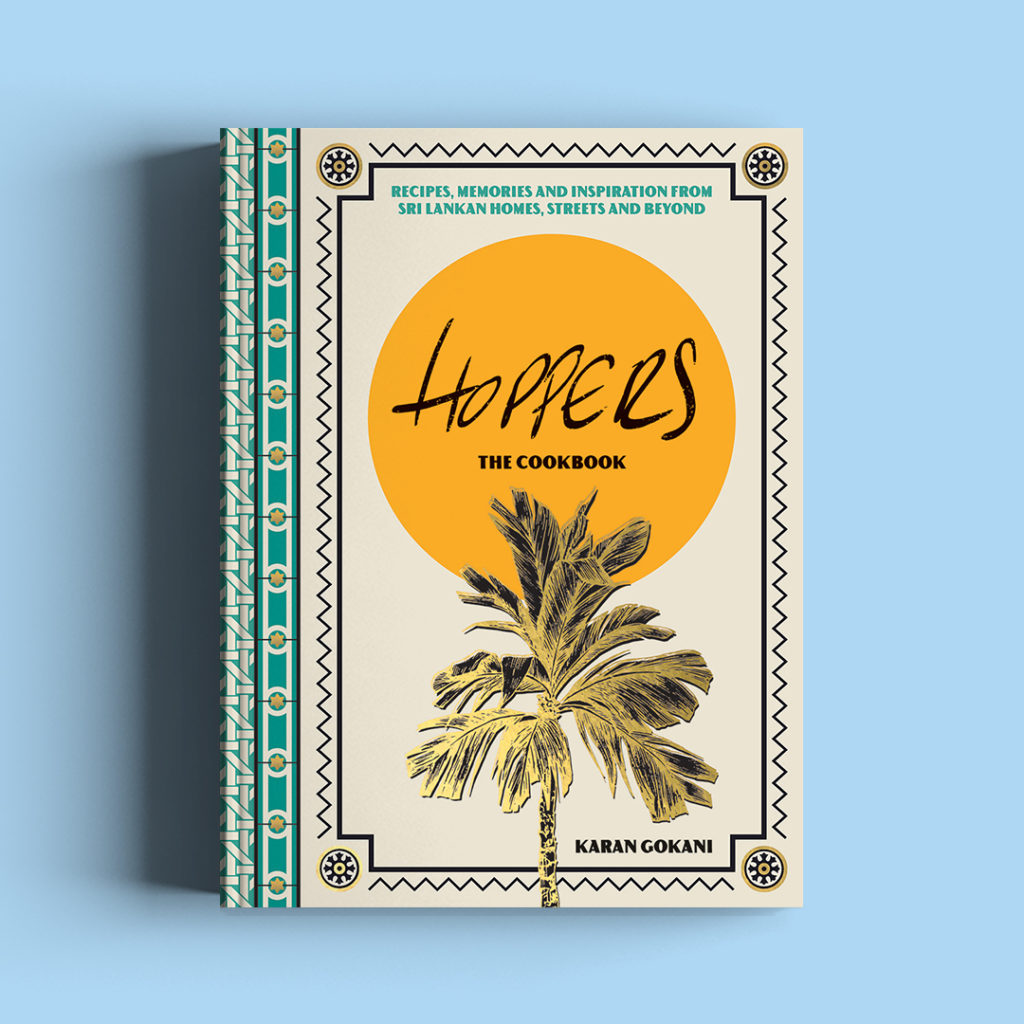
Hoppers shares the love and passion for Sri Lankan cuisine in which is now being cherished throughout the three restaurants located around London: Soho, Marylebone and King’s Cross. The face behind the name is none other than Karan Gokani, co-founder and creative director of Hoppers…a huge advocate for this delicious cookery.
The name ‘Hoppers‘ itself derives from the common dish of a bowl-like pancake made from coconut milk and rice flour. Also known as ‘Appams‘ this dish is enjoyed by many Sri Lankan’s and Southern Indians for breakfast or even dinner time!
With seven years of great appreciation to the cuisine, Karan has finally released the debut ‘Hoppers: Cookbook’. Karan writes a story of personal memories, collections of the restaurant’s favourite recipes and stories through the many visits to Sri Lanka from when Hoppers was first conceptualised… Now, they get to share a little piece of this cuisine with you at home.
PHOTO BY: STEVE FINNS: Hoppers The Cookbook. The Book Launch Of Karan Gokani.
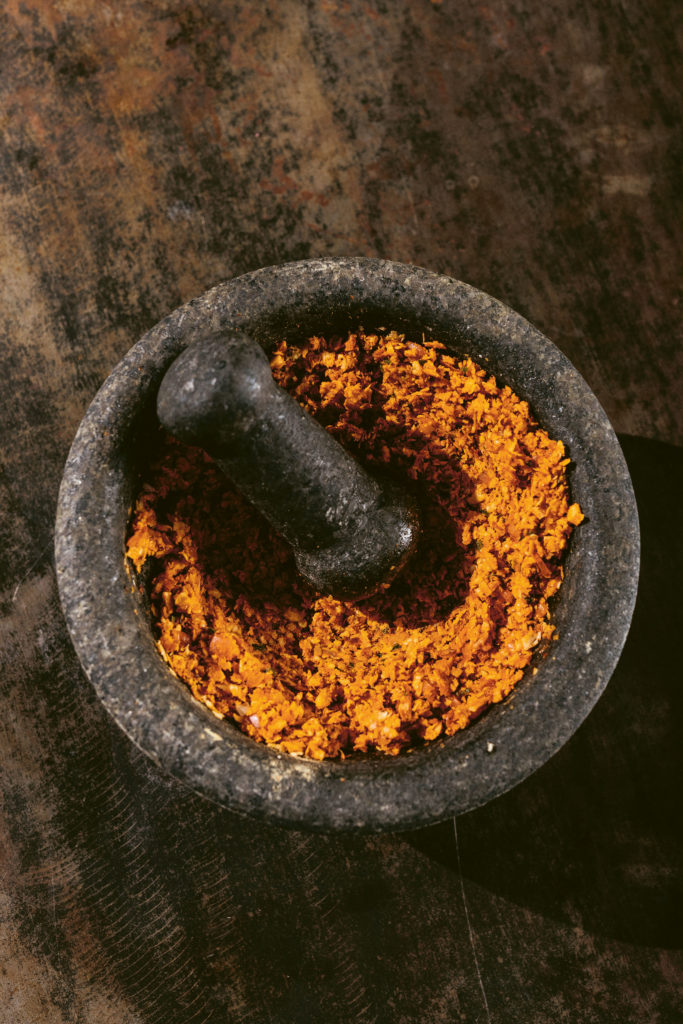
Within this cookbook, Maldon Salt is used for the creation of the deliciously good Pol Sambol. Sambols in general sit between a relish and a salad, where raw ingredients are pounded with chilli flakes to be served as a condiment.
Make sure to use a pestle and mortar for this dish, as the pounding of the ingredients will break up the cells and release intensified flavours!
80g (2¾oz) Thai shallots (or 50g/1¾oz Indian onion), Finely Chopped
100g (3½oz) Fresh Coconut, Grated
Juice of 1 Lime
Method:
Grind the black peppercorns, chilli flakes, Maldive Fish Flakes and Maldon Salt in a pestle and mortar until you have a coarse red powder.
Add the green chillies and shallots and pound the mixture with the pestle until the ingredients start to break up into a rough paste.
Add the grated coconut and continue to pound and stir until everything is well mixed and bright red. Add the lime juice gradually and taste as you go, you might not need it at all. This is best eaten straight away, but any extra sambol can be stored in the fridge for up to 2 days.
PHOTO BY: STEVE FINN: Hoppers The Cookbook. The Book Launch Of Karan Gokani.
We love seeing your creations you dish up on Instagram! Tag us using #maldonsalt so we can see your culinary concoctions come to life when you add a sprinkle of our salt.