A Taste of Sicily: Maldon Salt and Giuseppe Federici
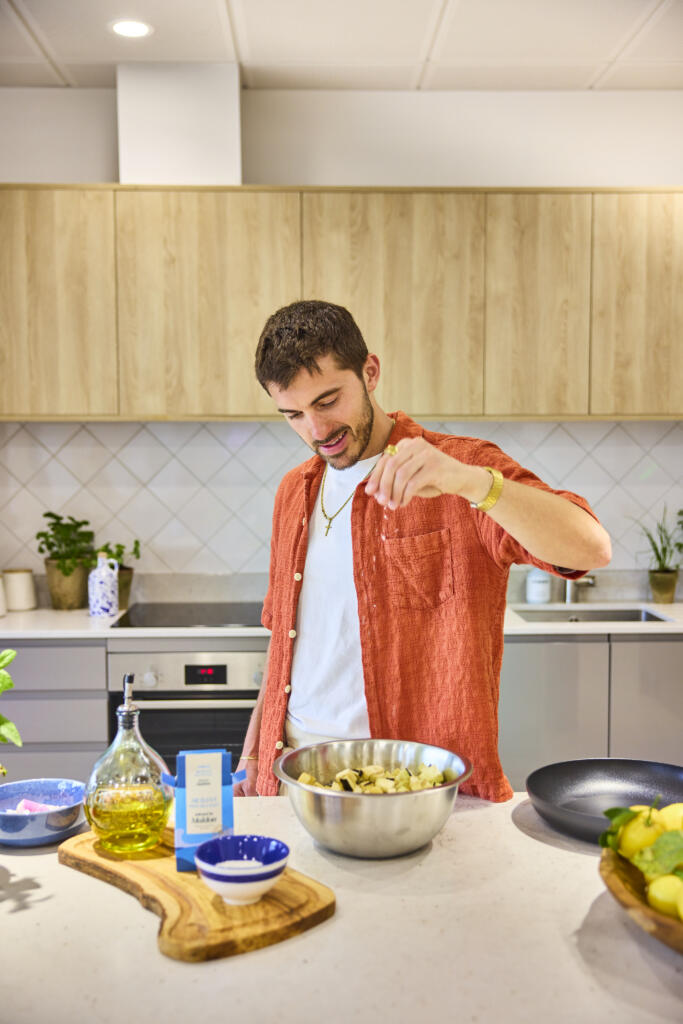
Maldon Salt has partnered with Sicilian home cook, recipe creator and bestselling author Giuseppe Federici (@sepps) to celebrate the launch of Sicilian Fine Sea Salt, Selected by Maldon. Inspired by the flavours, traditions and ingredients of Sicily, this Aubergine Caponata recipe showcases how a high-quality fine sea salt can elevate everyday cooking. Rich, vibrant and packed with Mediterranean flavour, this classic dish highlights the versatility and balanced taste of Maldon’s newest addition to the Merchants Range.
Welcoming Giuseppe Federici
Giuseppe Federici (@sepps) is a second-generation British Italian who comes from a long line of passionate food lovers, with Italian home cooking firmly at the heat of everything he does.
Today, Giuseppe has built one of the UK’s most engaged Italian food communities, sharing authentic Italian recipes, family stories and a genuine love for home cooking. Most loved of all the heart warming cooking videos he creates alongside his Nonna, which have captivated millions of viewers and inspired his first cookbook – Cooking with Nonna – a collection of of treasured Italian recipes with a plant-based twist.
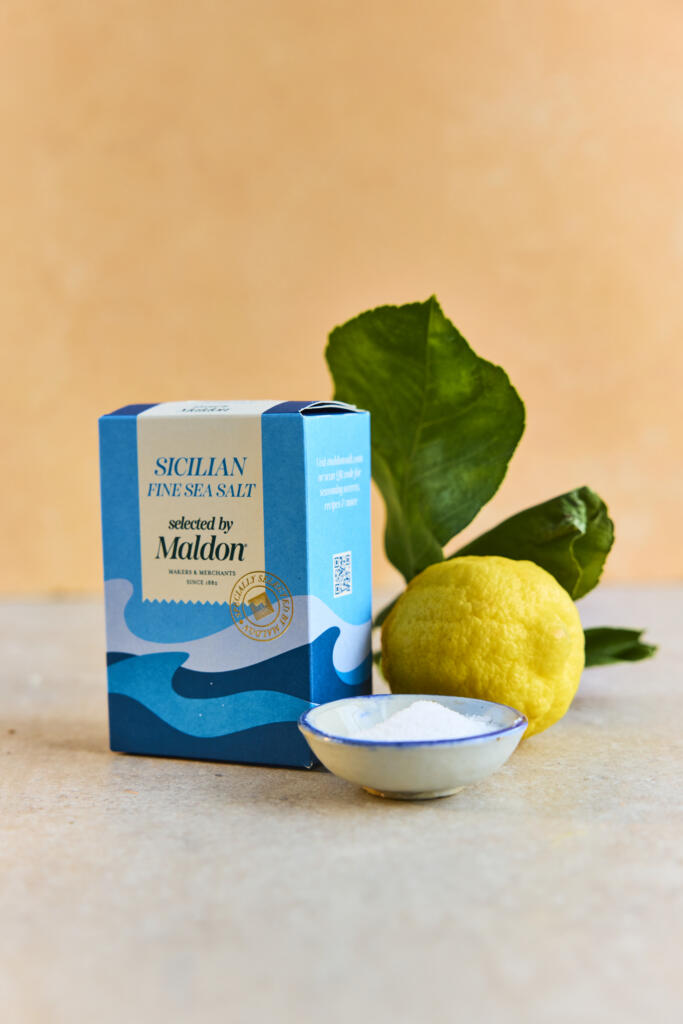
Discover Sicilian Fine Sea Salt, Selected by Maldon
Sicilian Fine Sea Salt, Selected by Maldon. 250g pack.
Harvested from the historic salt pans of Trapani on Sicily’s western coast, Sicilian Fine Sea Salt, Selected by Maldon is the latest addition to the Merchants Range. Carefully chosen by Maldon’s Master Salt Merchants, it is prized for its balanced flavour, exceptional versatility and delicate texture. Naturally dried in the Mediterranean coastal breeze, its fine crystals dissolve quickly and evenly, making it ideal for seasoning throughout the cooking process. Whether enriching sauces, seasoning vegetables, baking bread or salting pasta water, this premium fine sea salt delivers consistent flavour in every dish.
Nonna’s Aubergine Caponata Recipe
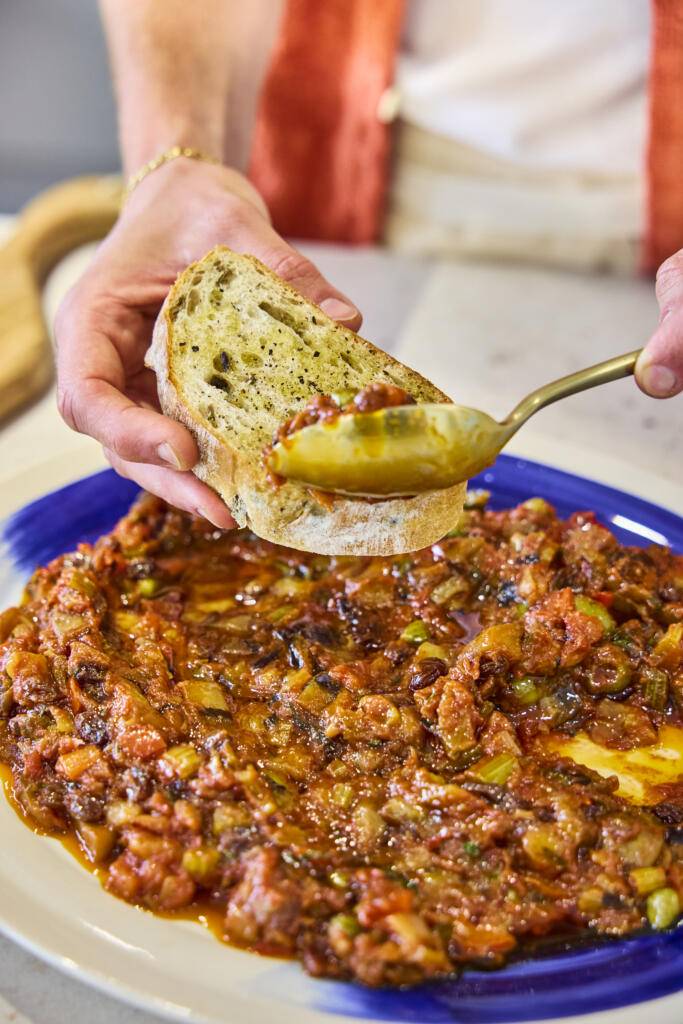
A much-loved staple of Sicilian cuisine, Caponata is a rich sweet-and-sour aubergine dish that celebrates the island’s vibrant flavours. Combining tender aubergines, briny olives and capers, sweet raisins and a tangy tomato base, this traditional recipe has been passed down through generations. In this version, Giuseppe draws inspiration from his Nonna’s cooking, creating a comforting dish that embodies the spirit of Sicilian home cooking.
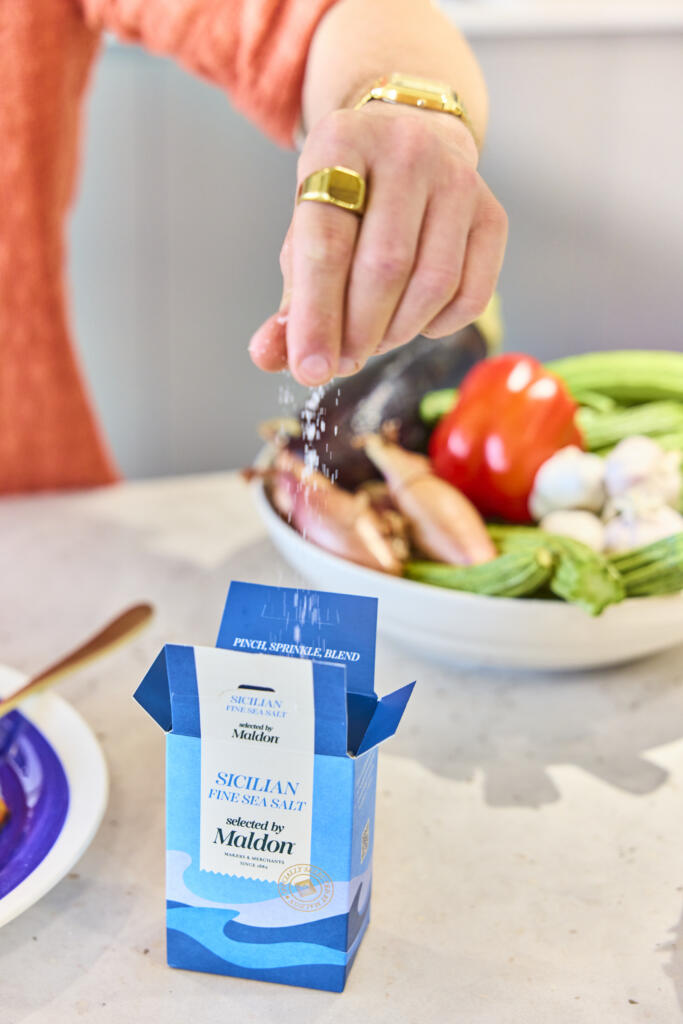
The delicate texture of Sicilian Fine Sea Salt, Selected by Maldon plays an important role throughout the recipe – drawing excess moisture from the aubergines, seasoning the vegetables evenly and enhancing the balance of sweet, savoury and acidic flavours that makes Caponata so iconic.
How to Make Aubergine Caponata
Cut the aubergines into 2–3cm cubes. Place them in a large bowl, generously coat with Sicilian Fine Sea Salt, and set aside for at least 10 minutes to draw out excess moisture.
Dice the celery (slice each stalk down the middle first, then cut into 1–2cm pieces), the onion, and the red pepper.
Drain any liquid from the aubergines and pat dry. Heat a generous glug of olive oil in a large frying pan over medium heat. Fry the aubergines in batches until nicely coloured and soft, about 10 minutes. You want them soft but not mushy. Transfer to a large casserole dish.
Return the pan to the heat with 1 tbsp of olive oil. Add the celery and fry for 8–10 minutes until softened. Transfer to the casserole dish.
Add the onions and peppers to the pan and fry for about 5 minutes, until the onions have softened and the peppers are starting to char. Reduce the heat to low, add the red wine vinegar, and let it simmer for 1 minute so the vinegar reduces and coats the vegetables. Transfer everything to the casserole dish and season with Sicilian Fine Sea Salt, black pepper and a pinch of chilli flakes.
Top Tip: Like many traditional Italian dishes, Caponata tastes even better the next day, once the flavours have had time to fully develop.
Bring the Flavours of Sicily Home
Inspired to recreate Giuseppe’s family recipe? Sicilian Fine Sea Salt, Selected by Maldon is available now from Tesco, Sainsbury’s and Ocado. Harvested on Sicily’s western coast and selected for its balanced flavour and exceptional versatility, it’s the perfect pantry staple for everyday cooking.
For more authentic Italian recipes, explore Giuseppe Federici’s cookbook, featuring the beloved dishes, family traditions and heart-warming stories. From comforting pasta dishes to regional Italian classics, it’s your invitation to bring a little more Italy into your kitchen.
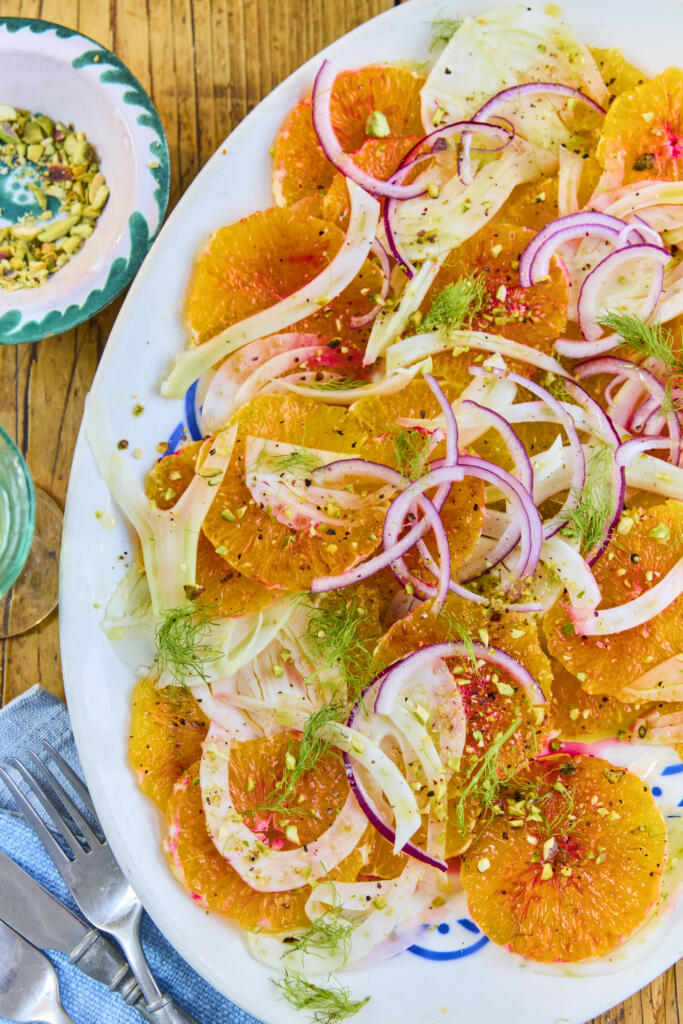
Bright, fresh and ready in minutes, this blood orange, fennel and pistachio salad is Sicilian sunshine on a plate. Juicy citrus rounds and paper-thin shaved fennel are dressed in a honey-sherry vinaigrette and finished with crunchy pistachios and a pinch of Sicilian Fine Sea Salt, Selected by Maldon. It’s an elegant no-cook starter or side that comes together with almost no effort.
Why You’ll Love This Blood Orange & Fennel Salad
No-Cook & Elegant: A genuinely impressive starter that needs nothing more than slicing, shaving and a quick whisk of dressing.
Fresh & Vibrant: Sweet citrus, aniseed fennel and earthy pistachios balance beautifully, lifted by a flake of Sicilian sea salt.
Naturally Good for You: Light, colourful and packed with fresh produce – perfect alongside richer Sicilian dishes.
How to Make Blood Orange & Fennel Salad
Prepare the blood oranges: Using a sharp knife, peel each orange so all the pith is removed and you’re left with just the juicy flesh. Slice into 1cm rounds and arrange on a platter, tipping any juices from the board into a small bowl.
Shave the fennel: Cut the top off the fennel bulb, reserving the fronds. Use a mandolin or sharp knife to shave the fennel very thinly, then arrange it across the platter with the orange slices.
Whisk the dressing: To the bowl of reserved orange juice, add the olive oil, sherry vinegar, honey, Sicilian Fine Sea Salt, Selected by Maldon and a little cracked black pepper. Whisk together into a dressing.
Dress and garnish: Drizzle the dressing all over the orange and fennel, then garnish with the finely chopped pistachios and reserved fennel fronds. Serve straight away.
Tips for the Perfect Blood Orange & Fennel Salad
Shave it paper-thin: A mandolin gives the finest, most delicate fennel slices – the thinner the better for this salad.
Save every drop of juice: Tip the juices from your chopping board into the dressing for extra citrus flavour.
Finish with the flakes: A pinch of Sicilian Fine Sea Salt, Selected by Maldon right before serving makes the sweet citrus sing.
What to Serve with Blood Orange & Fennel Salad
This salad is a fresh, palate-cleansing partner for richer Sicilian plates. Serve it alongside grilled swordfish steaks or Sicilian arancini, with sesame semolina bread to mop up the dressing. It also slots nearly into an antipasto spread. Out of blood orange season, regular oranges or a mix of citrus works just as well.
Frequently Asked Questions
Can I use regular oranges?
Yes. Blood oranges give a striking colour and a slightly berried sweetness, but regular oranges, navel or a mix of citrus work just as well when they’re out of season.
Can I make it ahead?
Slice the oranges and shave the fennel a few hours ahead and keep chilled, but dress the salad and add the pistachios just before serving so everything stays crisp and fresh.
How do I stop the fennel browning?
Toss the shaved fennel in a little of the orange juice or lemon juice if prepping ahead – the acid keeps it pale and fresh.
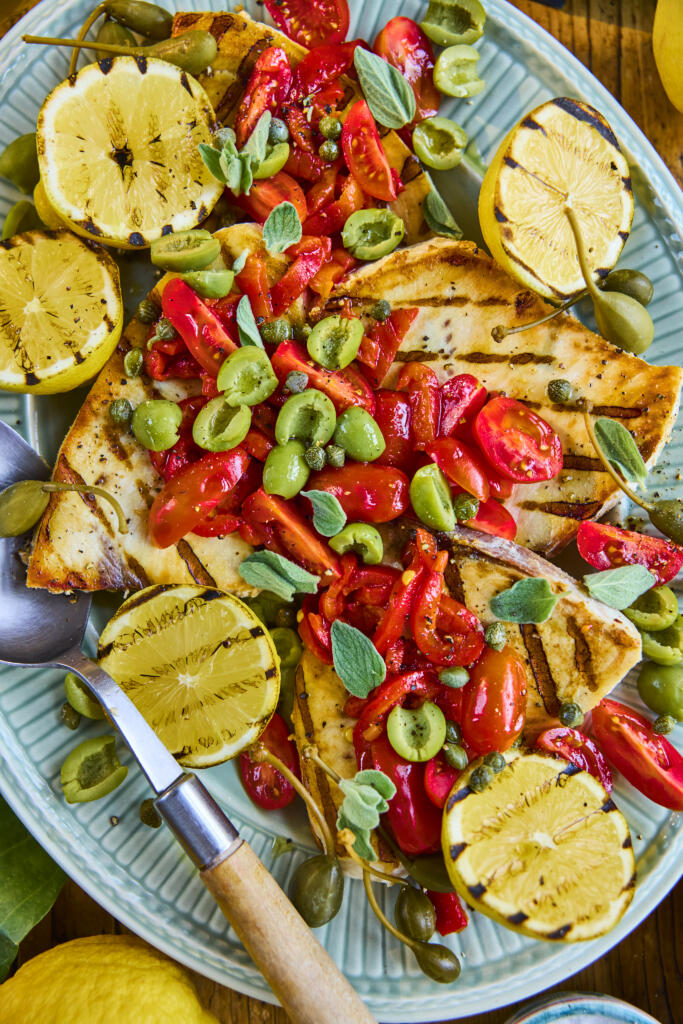
Meaty, quick-cooking and full of Sicilian sunshine, swordfish steaks are made for the griddle or BBQ. Here they’re charred for just a couple of minutes a side and topped with a bright salsa of chargrilled peppers, cherry tomatoes, green olives and capers, then finished with charred lemon and a pinch of Sicilian Fine Sea Salt, Selected by Maldon. Dinner is on the table in 15 minutes.
Why You’ll Love These Grilled Swordfish Steaks
Ready in 15 Minutes: Swordfish cooks in minutes and the no-cook salsa comes together while it grills.
Big Sicilian Flavours: Sweet peppers, briny olives and sharp capers make a punchy salsa that lifts the fish.
High-Protein & Gluten-Free: A light, healthy main that feels generous and special.
How to Make Grilled Swordfish Steaks (Step-by-Step)
Make the salsa: Cut the cherry tomatoes into quarters and add to a bowl with the extra virgin olive oil. Thinly slice the chargrilled peppers, halve the olives and add both, then drain, rinse and add the capers. Season with Sicilian Fine Sea Salt, Selected by Maldon and cracked black pepper, and set aside.
Grill the swordfish: Rub the steaks with a little olive oil and place onto a hot griddle pan or BBQ over a high heat. Swordfish cooks quickly like tuna and can easily overcook, so give it just 2 minutes on each side. Grill the lemon halves alongside.
Season and serve: As soon as the steaks are cooked, transfer to a platter and season with a good pinch of Sicilian Fine Sea Salt, Selected by Maldon and pepper. Spoon over the salsa, garnish with fresh oregano and squeeze over the charred lemon before serving.
Tips for the Perfect Grilled Swordfish Steaks
Don’t overcook it: Swordfish dries out fast – 2 minutes a side over a high heat keeps it juicy and just-cooked.
Get the griddle hot: A properly hot griddle or BBQ gives clean char marks and stops the fish sticking.
Make the salsa ahead: Mixing the salsa first lets the flavours meld while the swordfish grills.
What to Serve with Grilled Swordfish Steaks
These steaks are a complete summer dinner with garlic and herb new potatoes and a blood orange and fennel salad, with sesame semolina bread to soak up the salsa and juices. The charred lemon is essential – a good squeeze right at the end brings everything together. Tuna steaks make an easy swap if swordfish isn’t available.
Frequently Asked Questions
Can I use tuna instead of swordfish?
Yes – tuna steaks cook in a very similar way and time. Like swordfish, they’re best left a little pink in the middle and not overcooked.
Fresh or jarred peppers for the salsa?
Jarred chargrilled peppers are quick and full of flavour, but you can chargrill fresh peppers and peel them if you prefer to make your own.
How do I know when the swordfish is cooked?
It should be just opaque all the way through after about 2 minutes a side. Take it off while still juicy – it firms up as it rests.
A No-Churn Summer Dessert by Margie Nomura
Looking for the ultimate make-ahead summer dessert? This Salted Caramel Ice Cream is rich, creamy, wonderfully indulgent and surprisingly easy to make. Created in collaboration with Maldon Salt and chef Margie Nomura, this no-churn recipe combines velvety homemade caramel with the distinctive crunch and flavour of Maldon’s iconic flaky sea salt.
For an extra touch of fun, we’re serving it in an iconic Maldon Original Sea Salt 570g Tub. Once cleaned and repurposed, the tub makes the perfect freezer-safe container for homemade ice cream, giving food lovers a creative way to reuse a kitchen staple while creating a showstopping dessert.
Whether you’re hosting a summer barbecue, planning a family gathering, or simply looking for an easy frozen treat on hand, this salted caramel ice cream is guaranteed to be a crowd-pleased.
Meet Margie Nomura
Source: KITRI Spotlight: Margie Nomura
Margie Nomura is the chef, food writer and creator behind Desert Island Dishes, a hugely popular recipe platform dedicated to simple, delicious home cooking. With more than a decade of experience as a professional chef, Margie trained at the renowned Ballymaloe Cookery School and has cooked professionally around the world. She is passionate about creating recipes that deliver maximum flavour with minimal effort, helping home cooks feels confident in the kitchen.
Through Desert Island Dishes, Margie shares accessible recipes, practical cooking tips and inspiration for everyday meals, desserts and entertaining.
This Salted Caramel Ice Cream perfectly captures her cooking philosophy: simple ingredients, straightforward techniques and incredible results.
How to Make Salted Caramel Ice Cream
Rich, creamy no-churn ice cream with ribbons of homemade salted caramel running through it. The perfect make-ahead dessert.
Make the salted caramel sauce – Place the light brown sugar and butter into a saucepan over a medium heat. Stir until the butter has melted and the sugar has dissolved. Pour in the double cream and whisk until smooth. Bring to a gentle simmer and cook for 3–4 minutes until slightly thickened. Remove from the heat and stir through the Maldon Original Sea Salt flakes and vanilla extract, if using. Leave to cool completely.
Prepare the ice cream base – Whip the double cream until soft peaks form. Gently fold in the condensed milk until fully combined and smooth.
Create the caramel ripple – Fold approximately half of the cooled caramel sauce through the ice cream mixture. Avoid overmixing to keep beautiful ribbons of caramel running throughout.
Freeze – Spoon the mixture into a cleaned Maldon Original Sea Salt 570g Tub or another freezer-proof container. Swirl through a little extra caramel sauce for an even more dramatic ripple effect. Freeze for at least 6 hours, or until firm.
Serve – Scoop generously into bowls or cones, drizzle with the remaining salted caramel sauce and finish with a pinch of Maldon flaky sea salt for the ultimate sweet-and-salty finish.
Recipe Tips
Allow the ice cream to sit at room temperature for 5–10 minutes before scooping.
For extra texture, add chopped honeycomb, roasted pecans or chocolate shards before freezing.
The Maldon Sea Salt flakes provide a clean, delicate crunch that enhances the sweetness of the caramel without overpowering it.
Using a repurposed Maldon Original Sea Salt 570g Tub makes this recipe ideal for transporting to picnics, garden parties and family gatherings.
Storage
The caramel sauce will keep in an airtight container in the fridge for up to 2 weeks. Gently warm before serving if it becomes too firm. The ice cream can be stored in the freezer for up to 1 month.
The Perfect Summer Treat
Creamy, sweet, salty and irresistibly scoopable, this Salted Caramel Ice Cream is everything a summer dessert should be. Made with pantry staples, elevated by the unmistakable flavour of Maldon Sea Salt, and inspired by the effortless cooking style of Margie Nomura, it’s the kind of recipe you’ll return to all season long.
So grab your Maldon Salt tub, gather your favourite people and enjoy a homemade frozen dessert that’s guaranteed to disappear fast. One scoop is never enough.
Garlic Butter New Potatoes with Fresh Herbs & Maldon Garlic Sea Salt
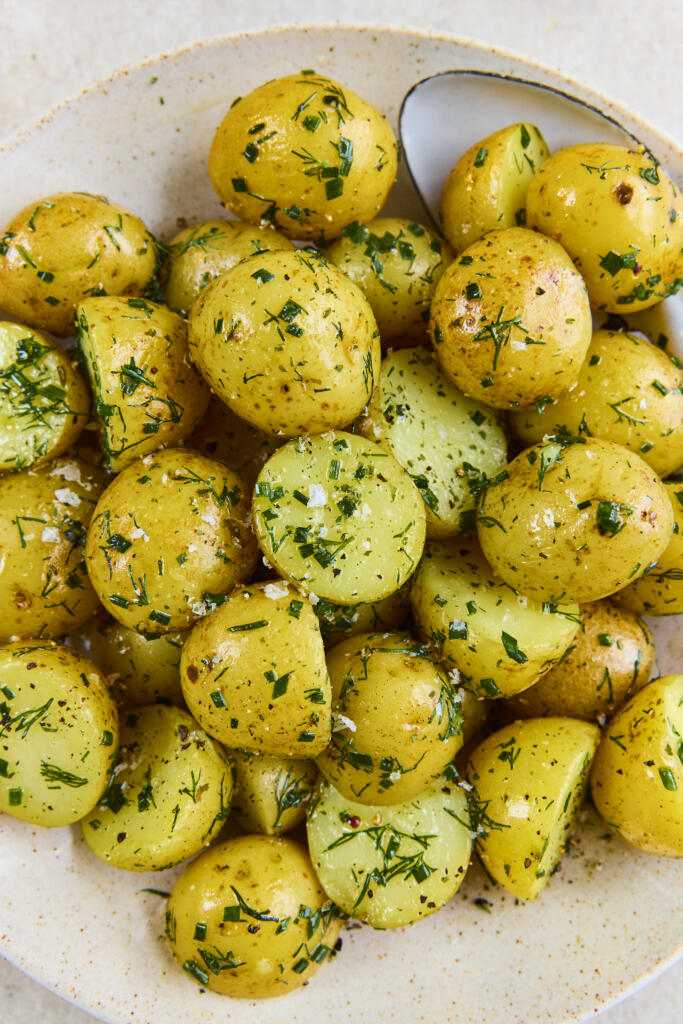
This garlic and herb new potatoes recipe are simple yet flavourful side dish, perfect for roasts, barbecues, or weeknight meals. Tender baby potatoes ae tossed in rich garlic butter, fresh herbs, and finished with Maldon Garlic Sea Salt flakes for a deliciously savoury depth and delicate crunch.
How to Make Garlic and Herb New Potatoes with Maldon Garlic Sea Salt
Cut any larger potatoes in half so they are a uniform size, leaving smaller ones whole.
Place the potatoes in a pan of water, bring to the boil, and simmer for 10–12 minutes until tender.
Drain and allow the potatoes to steam dry in a colander.
Melt the butter in a small saucepan over medium heat until bubbling.
Add the crushed garlic and let it gently infuse, then remove from heat.
Transfer the potatoes to a large bowl.
Pour over the garlic butter, olive oil, herbs, Maldon Garlic Sea Salt flakes, and cracked black pepper.
Toss well to coat evenly and serve immediately.
Tips for Perfect Garlic New Potatoes
Use evenly sized potatoes to ensure consistent cooking.
Let potatoes steam dry after draining for better flavour absorption.
Add garlic to butter gently to avoid burning and bitterness.
Finish with Maldon Garlic Sea Salt flakes for a balanced garlic seasoning and light crunch.
What is Maldon Garlic Sea Salt Flakes?
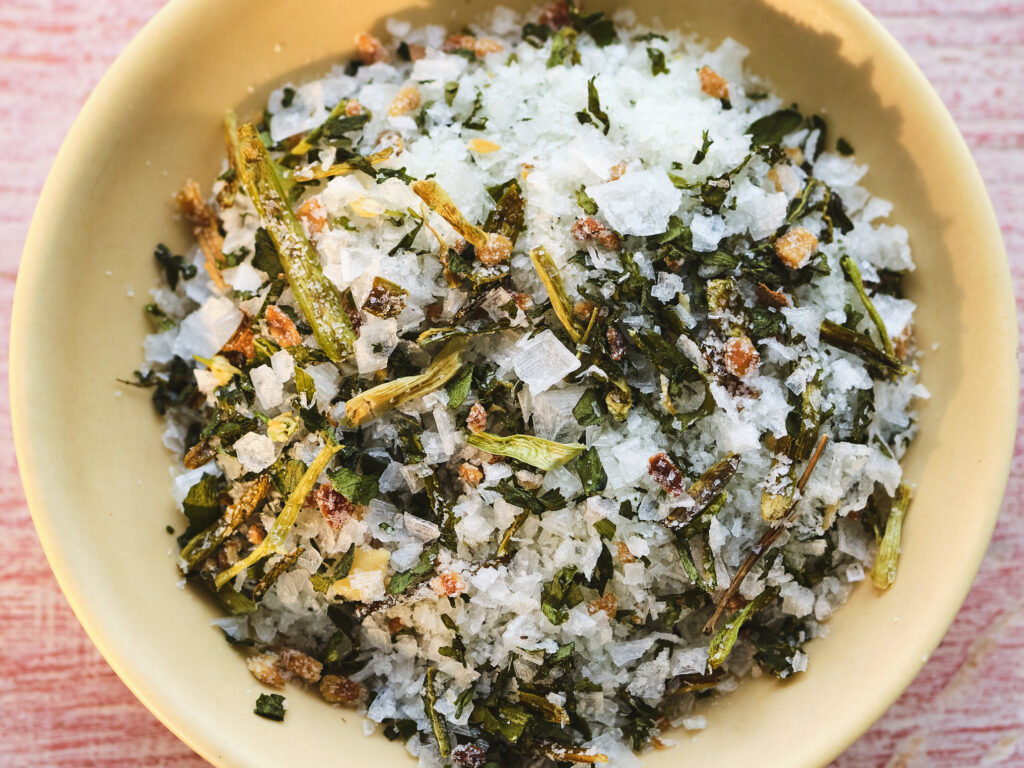
Maldon Garlic Sea Salt Flakes combine the brand’s signature pyramid-shaped sea salt flakes with wild and roasted garlic, creating a convenient seasoning that adds both saltiness and aromatic garlic flavour with a delicate texture.
Can I use Maldon Garlic Sea Salt instead of fresh garlic?
It can enhance the dish, but using both fresh garlic and Maldon Garlic Sea Salt flakes (as in this recipe) creates a deeper, layered flavour. It also adds layered texture with the iconic pyramid-shaped flakes.
What herbs go best with new potatoes?
Chives, dill, parsley, and rosemary all pair beautifully with new potatoes, adding freshness and aroma.
How do you keep boiled potatoes from going watery?
After draining, allow them to steam dry in a colander. This removes excess moisture and improves texture.
Can I make garlic new potatoes ahead of time?
Yes, you can boil the potatoes in advance and reheat them in garlic butter before serving.
Are garlic butter potatoes healthy?
They’re a comforting side dish with natural nutrients from potatoes, but contain butter and should be enjoyed in moderation.
Can I roast instead of boil the potatoes?
Yes, roasting adds a crispy texture. Toss the the same ingredients and roast in the oven at 200°C until golden.
What dishes go well with garlic herb potatoes?
They pair well with roast chicken, grilled meats, fish, or vegetarian mains.
Serving Suggestions
Serve the garlic and herb new potatoes with Maldon Garlic Sea Salt flakes alongside:
Vegetarian mains like grilled vegetables or salads.
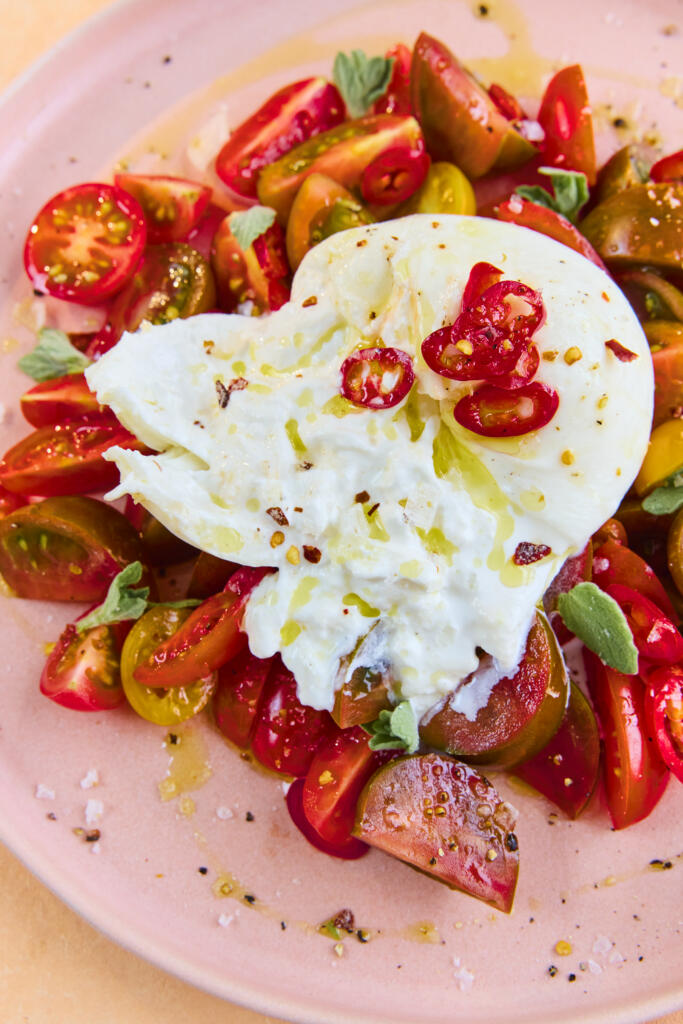
Fresh Burrata with Tomatoes and Maldon Chilli Sea Salt
This simple burrata with tomatoes recipe is a fresh, no-cook dish perfect for summer. Creamy burrata pairs beautifully with sweet heritage tomatoes, a kick of fresh chilli, and the distinctive heat of Maldon Chilli Sea Salt. Finished with olive oil and balsamic vinegar, it’s an elegant starter or light lunch ready in minutes.
How To Make Burrata and Tomatoes Salad with Chilli Sea Salt
Pace the chopped tomatoes in a bowl and toss gently with a splash of balsamic vinegar and extra virgin olive oil.
Arrange the tomatoes on a serving plate.
Place the burrata in the centre. If vegan or diary free, we recommend using Julienne Bruno’s Burrella.
Drizzle with additional olive oil.
Garnish with oregano leaves and sliced chilli.
Finished generously with Maldon Chilli Sea Salt and cracked black pepper.
Slice into the burrata and allow the creamy centre to spill over the tomato. Servce immediatley.
Bring burrata to room temperature before serving to ensure maximum creaminess.
Add crusty bread to mop up any of the juices, or to make the dish more filling in general.
Don’t skip the Maldon Chilli Sea Salt – it adds layered heat with the Aleppo pepper and bird’s eye chilli and texture.
What Makes Maldon Chilli Sea Salt different from regular salt?
Maldon Chilli Sea Salt combines the brand’s signature pyramid-shaped sea salt flakes with Aleppo pepper and bird’s eye chilli, adding both a delicate texture and a gentle heat, ideal for finishing dishes like burrata.
Can I use Maldon Chilli Sea Salt in salads?
Yes, Maldon Chilli Sea Salt is perfect for salads. It enhances flavour while adding a subtle kick, especially in fresh dishes like tomatoes and burrata.
What goes well with burrata and tomatoes?
Burrata and tomatoes pairs well with:
Fresh herbs like oregano or basil
Olive oil and balsamic vinegar
Cracked black pepper for depth
Crusty bread or sourdough for mopping up the fresh juices
Is This Burrata Recipe Healthy?
This dish is relatively healthy, packed with fresh tomatoes and healthy fats from olive oil, though burrata is rich and best enjoyed in moderation.
Can I Make Burrata and Tomato Salad in Advance?
It’s best served immediately, but you can prepare the tomatoes ahead and assemble just before serving.
How Spicy Is Maldon Chilli Sea Salt?
It provides a mild to moderate heat, designed to enhance ingredients rather than overpowering them.
What Type of Tomatoes Are Best For Burrata?
Heritage or heirloom tomatoes are ideal as they offer varied sweetness, acidity and colour.
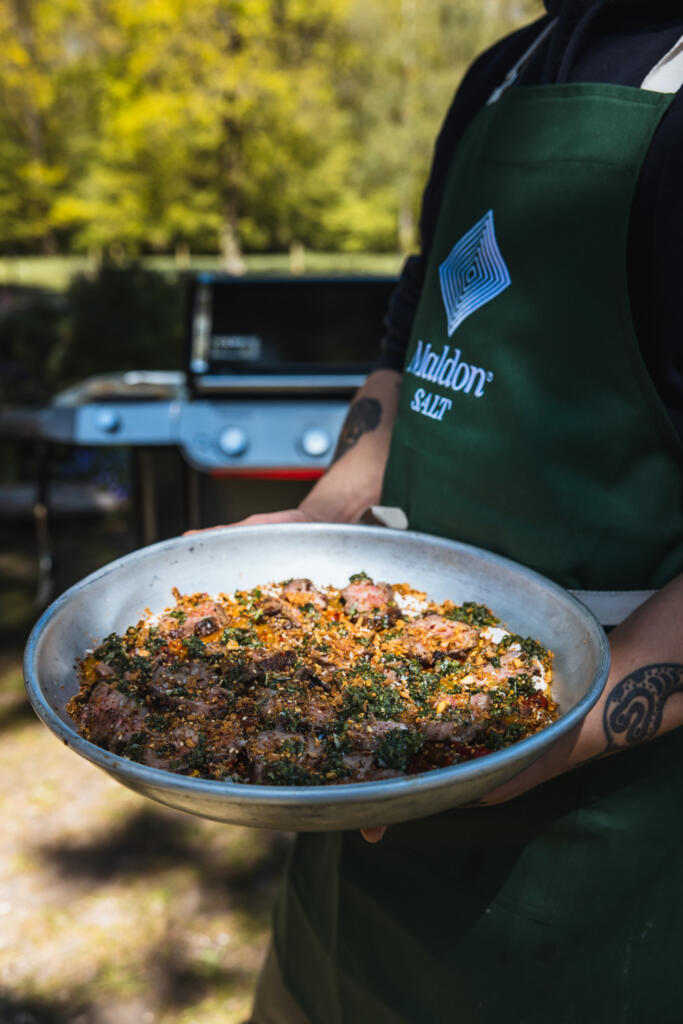
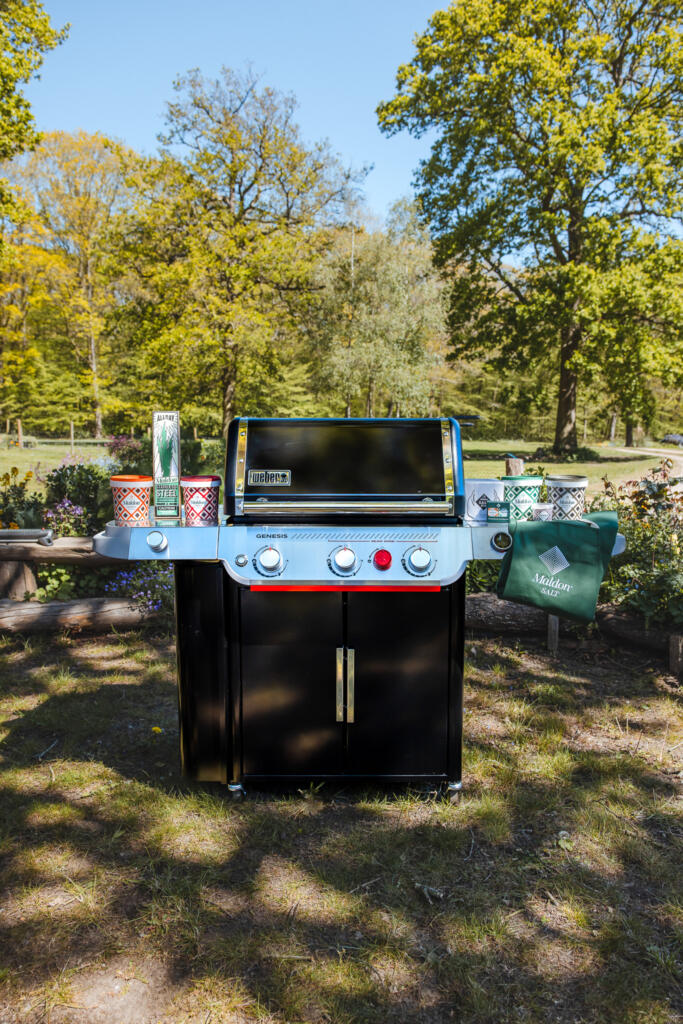
We’re proud to bring this recipe to life in partnership with Weber Grills UK, combining exceptional outdoor cooking with premium seasoning from Maldon Salt. This collaboration celebrates the art of live-fire cooking – where high-quality ingredients, expert grilling, and bold flavour comes together effortlessly. Whether you’re coking for a summer gathering or elevating your weekend barbecue, this dish showcases everything great grilling should be.
About Weber Grills
Weber is a globally recognised leader in outdoor cooking, trusted for high-quality grills that deliver consistent results. Weber Grills continues this heritage with expertly designed gas, charcoal, and electric grills built for performance and ease.
The Weber Genesis used in this recipe is perfect for two-zone cooking, allowing you to sear over high heat and finish gently, ensuring perfectly cooked, juicy lamb every time.
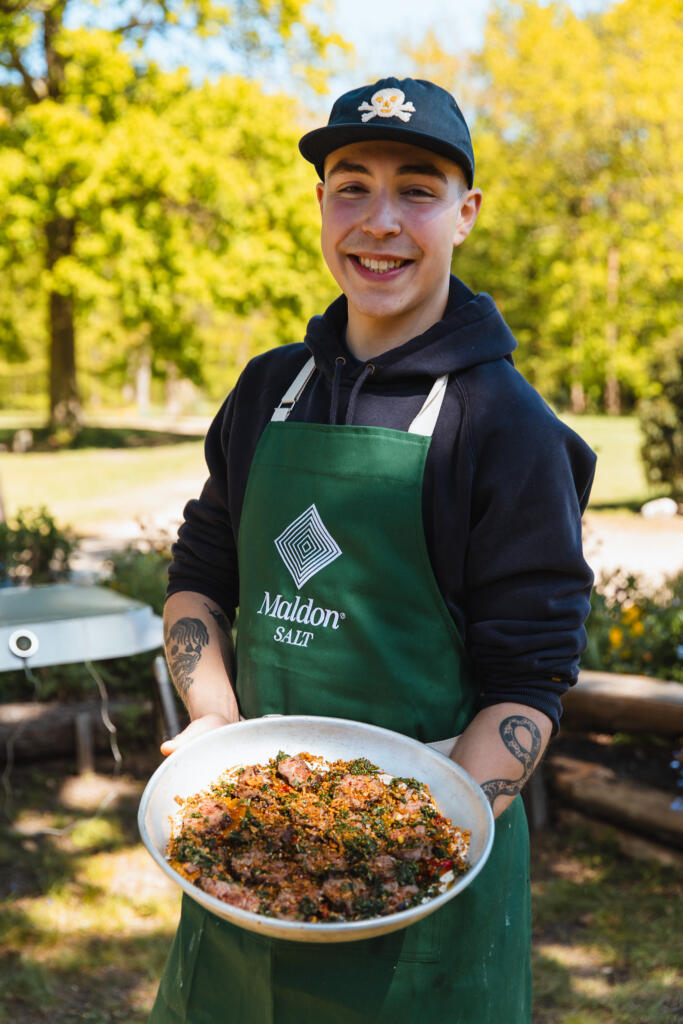
Meet the Chef: Ruben Dawnay of Ruben’s Rubens
This recipe was created in collaboration with Ruben Dawnay, founder of Ruben’s Reubens, a London-based smokehouse renowned for its bold, fire-led cooking.
Ruben began his journey during lockdown, smoking meats and curing fish from his parent’s garden in Brixton. Inspired by his Polish-Jewish heritage, he developed a unique style that blends traditional deli influences with modern barbecue techniques.
Since then, Ruben’s Reubens has grown into one of London’s most exciting BBQ concepts – hosting pop-ups, residencies, and earning a loyal following for its flavour-packed smoked meats. Ruben has also been recognised as one of CODE Hospitality’s ’30 Under 30 Rising Stars’, cementing his position as a rising talent in the UK food scene.
About This Recipe
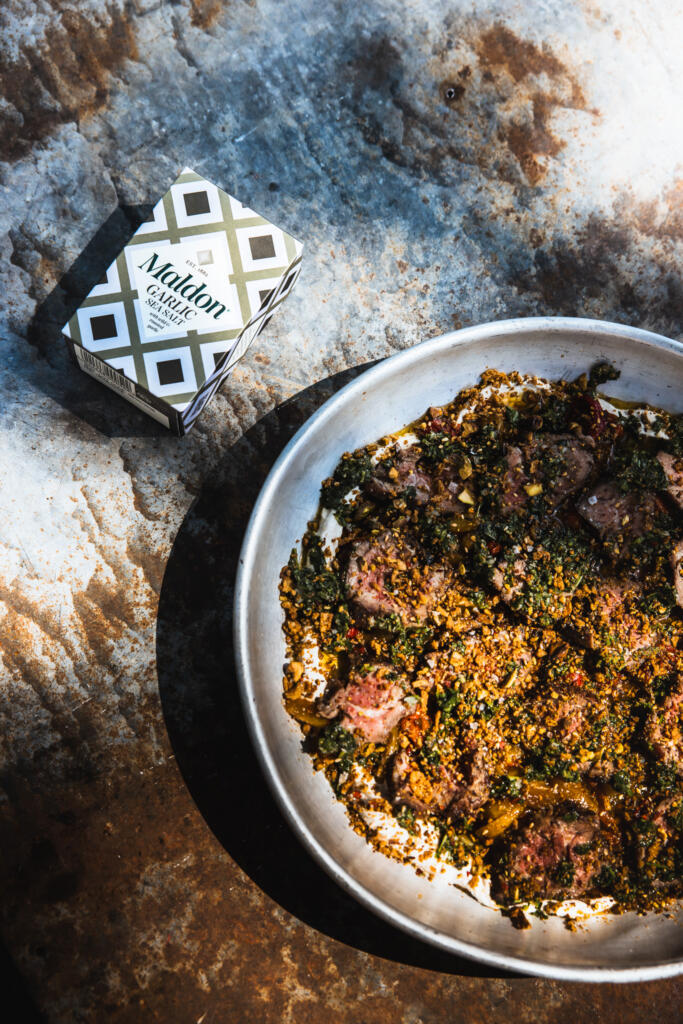
This Maldon Garlic Salt-Crusted Lamb Neck recipe is designed for sharing – bringing together rich, smoky, fresh, and tangy elements in every bite.
Expect layers of flavour from:
Perfectly seared lamb neck
Creamy whipped tahini
Charred, smoky rescaldo peppers
Bright, herb-packed salsa verde
Crunchy pistachio dukkah
It’s a dish that feels both rustic and refined – ideal for elevated outdoor cooking.
Why Maldon Garlic Sea Salt Matters
Maldon Garlic Sea Salt flakes are central to this recipe’s success. Their delicate, pyramid-shaped flakes provide a clean crunch and even seasoning, while the garlic infusion enhances the lamb’s natural richness.
Used both as a crust and finishing touch, Maldon Garlic Sea Salt delivers:
Bold, savoury depth
Balanced seasoning without overpowering
A signature texture that elevates each bite
This isn’t just seasoning – it’s a key flavour component.
How to Make Maldon Garlic Salt-Crusted Lamb Neck with Whipped Tahini, Rescaldo Peppers, Salsa Verde & Dukkah
Dukkah – Toast coriander, cumin and fennel seeds in a dry pan until fragrant, about 2 minutes. Tip into a mortar. Toast sesame seeds until golden, add to mortar. Toast pistachios until just coloured, 2–3 minutes. Roughly crush everything together, make sure to keep some texture. Fold in sumac, crispy shallots and Maldon Original Sea Salt Flakes. Set aside.
Rescaldo Peppers – Preheat Weber gas grill on high, all burners, lid down for 10 minutes. Grill whole peppers directly on the grates, lid down, turning every 3-4 minutes until completely charred and collapsed. Transfer to a bowl, cover with cling film, rest 15 minutes. Peel, deseed, slice into wide strips. Dress with olive oil, vinegar and Maldon Original Sea Salt Flakes.
Whipped Tahini – Whisk tahini, lemon juice and garlic together. Add ice water a splash at a time until smooth and pale. Season with Maldon Original Sea Salt Flakes. Fold in labneh.
Salsa Verde – Finely chop parsley, mint, anchovies and capers together on a board. Scrape into a bowl. Whisk in garlic, lemon zest and juice, then stream in olive oil. Finish with vinegar.
Lamb – Pat fillets dry. Rub with olive oil, press Maldon Garlic Sea Salt Flakes generously onto all surfaces, season with black pepper. Set Weber to 2-zone: one side high, one side low. Sear on the hot side 3-4 minutes per side until deep and crusted. Move to the indirect side, lid down, until lamb hits target of 55°C internal. Rest 5-10 minutes.
To Plate – spread tahini across the base. Lay rescaldo peppers on top. Slice lamb against the grain and lay this on the peppers. Spoon over salsa verde. Finish with a heavy shower of pistachio dukkah and a final pinch of Maldon Garlic Sea Salt Flakes on the cut face of the lamb.
Fire Up Your Grill & Get Cooking
Bring bold, fire-cooked flavour to your table with this standout dish.
Shop Weber Grills UK for the ultimate barbecue setup.
Discover Maldon Sea Salt for perfectly balanced seasoning
Tag us in your creations on socials – @maldonsalt – we’d love to see your take
Introduction
This indulgent yet beautifully simple dish was created in collaboration with food writer and cook Margie Nomura, best known for her much-loved platform Desert Island Dishes. Combining bold flavours with comforting textures, this recipe celebrates seasonal ingredients and elevates everyday cooking with a touch of luxury – perfect for a cosy night in or an impressive dinner for guests.
About Margie Nomura (Desert Island Dishes)
Source: KITRI Spotlight: Margie Nomura
Margie Nomura is a professional chef, recipe developer, and the creator of Desert Island Dishes, a popular online destination for easy, approachable home cooking. With over ten years of experience as a private chef, Margie is passionate about creating recipes that deliver maximum flavour with minimal effort. Her philosophy centres around ‘low effort, high reward’ cooking – helping home cooks build confidence in the kitchen while enjoying delicious, unfussy meals.
Why Maldon Garlic Sea Salt Flakes Elevates This Dish
Maldon Garlic Sea Salt Flakes
The secret to this recipe’s depth of flavour is Maldon Garlic Sea Salt Flakes. Their delicate, flaky texture and balanced garlic infusion enhance each element of the dish – from seasoning the steak to enriching the wild garlic butter. Unlike standard salt, these flakes add both flavour and texture, ensuring every bite is perfectly seasoned while complementing the natural richness of the butter and steak.
How To Make Wild Garlic Butter Steak Bites and Cauliflower Puree
To make the wild garlic butter, add the wild garlic leaves to a blender with2 tbsp olive oil and the lemon juice and blitz to a puree. Add 200g of the butter (reserving the rest for the cauliflower) and a good pinch of Maldon Garlic Sea Salt and whizz until smooth. If you don’t have wild garlic just sub with 2-3 cloves garlic and add a handful of parsley or basil works too.
Cut the cauliflower until florets and boil until super tender then drain and transfer to a blender with the butter and a good pinch salt and blitz until smooth. Add the cream and blitz again. Cut the steak into bites, add to a bowl with olive oil, Maldon Original Sea Salt and pepper and mix. Get a pan very hot and add in the steak, turning so it’s browned on all sides.
Cook it to your liking, you can have it still pink in the middle or you can cook it through. Add in a generous spoonful of the wild garlic butter and let it melt and sizzle around the steak. Spoon the cauliflower puree into a bowl, top with the steak and plenty of the wild garlic butter. I served mine with some roasted tomatoes but serve it with whatever you like, some rocket or a green salad would work well.
Final Touch
This dish is all about simple ingredients elevated through flavour, texture and quality seasoning. Tried it yourself? We’d love to see! Tag us on social media and share your creations.
A jewel-bright, refreshing drink to see you through the warmest days. This hibiscus and elderflower iced tea steeps dried hibiscus flowers into a deep, tart infusion, sweetened with floral elderflower cordial and balanced by a pinch of Maldon Original Sea Salt flakes. Naturally caffeine-free and easily batched for a crowd, it’s the perfect partner for picnics and garden gatherings.
Why You’ll Love This Hibiscus Iced Tea
Naturally Caffeine-Free: A vibrant, grown-up soft drink everyone can enjoy, any time of day.
Sweet, Tart & Balanced: A pinch of Maldon Original Sea Salt flakes rounds out the tart hibiscus and floral elderflower beautifully.
Easy to Batch: Steep, strain and chill ahead, then pour over ice – ideal for sharing on hot days.
How to Make Hibiscus Iced Tea (Step-by-Step)
Steep the hibiscus: Place the dried hibiscus flowers into a heatproof jug and pour over the boiling water. Leave to steep for 15–20 minutes, until the water turns a vibrant, deep colour – the longer it steeps, the deeper and more tart the flavour.
Strain and sweeten: Strain the mixture through a fine sieve into a clean jug. Stir in elderflower cordial to taste, plus a pinch of Maldon Original Sea Salt flakes to add a sweet-and-salty layer, until dissolved.
Serve over ice: Fill two glasses with ice and pour over the hibiscus tea. Garnish with lemon slices and mint sprigs and serve immediately. Alternatively, store the jug in the fridge ready to pour over ice later.
Tips for the Perfect Hibiscus Iced Tea
Steep to taste: Longer steeping deepens both the colour and the tartness, so taste as you go and strain when it’s where you want it.
Sweeten gradually: Add the elderflower cordial little by little – you can always add more, but you can’t take it back.
A pinch goes a long way: Just a pinch of Maldon Original Sea Salt flakes balances the sweet-tart flavours, much like a pinch of salt in a sorbet – don’t overdo it.
Yes – steep, strain and sweeten ahead of time and keep chilled in the fridge for up to 3 days. Add the ice and garnishes only when serving so they stay fresh.
Where can I buy dried hibiscus flowers?
Look in the tea or world-foods aisle of larger supermarkets, in health-food shops, or online. They’re sometimes labelled as ‘flor de Jamaica’.
How can I sweeten it differently?
Swap the elderflower cordial for honey or a simple sugar syrup, and add a squeeze of fresh lemon juice for extra zing if you like.
A grazing-board hero that’s as good for you as it is moreish. This silky butterbean hummus is whipped smooth with tahini, lemon and Maldon Garlic Sea Salt, then served with homemade gluten-free seeded crackers and fresh crudités for dipping. It’s a generous, crowd-pleasing centrepiece for any picnic or summer spread, and almost entirely plant-based.
Why You’ll Love This Butterbean Hummus
Silky-Smooth Hummus: A splash of cold water at the end whips the butterbeans into the lightest, creamiest hummus.
Homemade Seeded Crackers: Crisp, seed-packed and naturally gluten-free, they’re far better than shop-bought – and easy to make.
Built for Sharing: A generous dip, crunchy crackers and colourful crudités make an effortless grazing platter.
How to Make Butterbean Hummus (Step-by-Step)
Make the cracker mix: Preheat the oven to 180°C. In a large bowl, mix the flaxseed, brown rice flour, ½ tsp Maldon Garlic Sea Salt, pumpkin seeds, sunflower seeds, hemp seeds and chia seeds. Pour over 250ml boiling water, stir together and set aside for 20 minutes to thicken as the chia and flax absorb the liquid.
Spread and bake the crackers: Line a large baking tray with parchment, tip on the mixture and smooth it right to the edges, as thin as possible. Sprinkle over the everything seasoning and fennel seeds, press them in gently, and bake for 30–40 minutes until golden and crisp. Cool completely on the tray.
Blitz the hummus: While the crackers bake, add the butterbeans, garlic, lemon juice, tahini, cumin, smoked paprika and Maldon Garlic Sea Salt to a food processor and blitz to a paste. Add the olive oil and blitz again until smooth.
Make it silky: With the motor running, drizzle in the cold water and keep blitzing until completely smooth and silky. Taste and adjust with a little more Maldon Garlic Sea Salt if needed.
Break, top and serve: Once cooled, snap the cracker sheet into rustic shards. Spoon the hummus into a bowl, drizzle with olive oil and finish with a pinch of cumin and Maldon Garlic Sea Salt. Serve with the crackers and crudités for dipping.
Tips for the Perfect Butterbean Hummus
Cold water for silk: Adding cold water at the end, with the motor running, is the trick to the smoothest, lightest hummus.
Spread the crackers thin: The thinner and more even the layer, the crisper the crackers – take them right to the edges of the tray.
Cool before breaking: Let the cracker sheet cool fully on the tray so it snaps cleanly into shards rather than bending.
The hummus keeps for up to 3 days in the fridge, and the crackers stay crisp for several days in an airtight container – making this an ideal make-ahead platter.
Why did my hummus turn out grainy?
Keep blitzing and add the cold water gradually with the motor running. The water emulsifies the tahini and beans into a smooth, silky texture – patience is key.
Are the crackers really gluten-free?
Yes – they’re bound by the chia and flaxseed rather than wheat, with brown rice flour, so they’re naturally gluten-free (do check your everything seasoning if you need them to be certified).