Clean the asparagus and slice to thumb sized pieces
Wash the thyme.
Wash the parsley and chop finely,
Coarsely grate the parmesan.
Prepare the barbecue for direct heat at around 220 degrees
Place the griddle in the GBS® cooking grate and close the lid on the barbecue. Preheat for 5 minutes.
Add the butter to the griddle and allow to melt. Then add the onion and thyme. Fry gently, stirring continuously, until the onions are glossy. Then add the rice and white wine to the wok.
Bring the white wine to the boil and reduce by half while stirring then add the asparagus.
Gradually add the chicken stock, stirring the rice frequently. When the liquid has been absorbed, add some more – When the rice and asparagus is tender, finally add the peas.
Before serving, add the cream. Flavour the risotto with parmesan, Maldon Smoked Sea Salt, pepper and a little lemon juice. Garnish with finely chopped parsley, walnuts and hazelnuts.
For the nachos, cut the tortillas into nacho-sized triangles. Heat vegetable oil in a large, heavy-based pan. To test the temperature of the oil, add one piece of tortilla, if it sizzles and turns lightly golden within a minute or so, the oil is ready.
Fry the tortillas, working in batches to prevent overcrowding. Once lightly golden and crisp, transfer to a tray lined with kitchen paper to absorb any excess oil. Immediately sprinkle with Maldon salt.
For the pico de gallo, mix the finely chopped onion with the lime juice and a pinch of Maldon Sea Salt. Set aside to soften for 5 minutes or so as you chop the rest of the ingredients.
Stir through the tomatoes, jalapeños and coriander. Season with Maldon Sea Salt to taste.
For the salsa verde, char the peppers, either over a gas flame or under the grill until the skin is charred all over. Transfer the charred peppers to a large bowl and cover with a plate. This allows the peppers to steam and makes peeling off their skins easier.
As the peppers cool, mix the finely chopped onion with the lime juice and a pinch of Maldon Sea Salt. Set aside to soften for 5 minutes.
Once cool, remove and discard the charred pepper skins and seeds. Very finely chop the peppers. Add these to the onion mix, along with the jalapeños and coriander. Mix and season to taste.
Enjoy a burst of summer flavours with this rigatoni pasta tossed with oven-roasted courgettes, red peppers, and juicy cherry tomatoes. Finished with olives, fresh basil, and a sprinkle of Himalayan Pink Salt, this easy roasted vegetable pasta recipe is perfect for a vibrant weeknight dinner or a healthy meal-prep option.
How to Make Rigatoni with Roasted Summer Vegetables
Step 1 – Roast the Vegetables
Preheat oven to 200°C (fan).
Spread courgettes, peppers, cherry tomatoes, and garlic on a large roasting tray. Make sure to roast in a single layer for best caramelisation
Season with Himalayan Pink Salt, pepper, and chilli flakes; drizzle generously with olive oil and toss.
Roast 25–30 minutes, until tomatoes char and vegetables are golden.
Slip garlic from skins and mash with a fork.
Step 2 – Cook the Pasta
Boil a large pot of salted water.
Cook pasta until just shy of al dente.
Reserve a mug of pasta water, then drain.
Step 3 – Combine and Finish
Return pasta to the pot with roasted vegetables, tray juices, and olives.
Toss over medium heat, adding pasta water to create a light sauce.
Stir in half the basil. Taste and adjust seasoning.
Step 4 – Serve
Spoon into bowls, top with remaining basil and Parmesan.
Tips
Use any mix of summer vegetables—try aubergine, red onion, or yellow courgette. It makes the dish both visually appealing and flavourful when using a medley of summer veggies.
For a vegan version, skip the Parmesan or use a non-dairy alternative such as nutritional yeast. Nutritional yeast is a deactivated yeast and makes a great a great cheese substitute. We like to use Marigold Engevita with B12 Yeast Flakes when making this recipe vegan-friendly.
Make ahead: Roast vegetables in advance and store refrigerated.
Can I use other pasta shapes for this recipe?
Instead of using rigatoni for this dish, you can use any short tubular pasta, such as penne, ziti and paccheri. It’s important to use a tubular pasta shape for this dish as the hollow centre and ridges trap the delicious sauces and juices of the vegetables, ensuring a flavourful bite every time.
How do I make this pasta vegan or gluten-free?
To make this pasta dish vegan, you can remove the Parmesan topping, or substitute it for a vegan alternative such as nutritional yeast, cashews or lemon zest to counterpoint the rich, savoury flavours.
If you want to make this recipe gluten-free, you can swap the rigatoni with a ‘free-from’ brand, such as Salvo 1968 Rummo Gluten Free Mezzi Rigatnoi, which is made from corn and brown rice. You could also use legume-based pasta (such as chickpea or lentil) which offer a protein-rich taste.
How long does roasted vegetable pasta last in the fridge?
Roasted vegetable pasta can last up to 3-5 days in the fridge if stored in an airtight contained to maintain freshness. You can also store this dish in the freezer for up to 3-6 months.
Can I add protein to this dish (e.g. chickpeas, grilled chicken)?
Yes, you can add protein to roasted vegetable pasta. If you are a vegetarian, you can add cooked green lentils or kidney beans, which enhances the nutritional value, increases protein content and adds a hearty texture and flavour to the dish.
If you want to add meat to the dish, we recommend adding chicken to provide a protein boost, whilst introducing a mild and versatile flavour that pairs well with the sauce and roasted vegetables. You can also add fish, such as anchovies or sardines, to provide a strong umami flavour that can deepen the overall flavourful profile of the pasta dish. It also adds a healthy source of omega-3 fatty acids.
Serving Suggestions
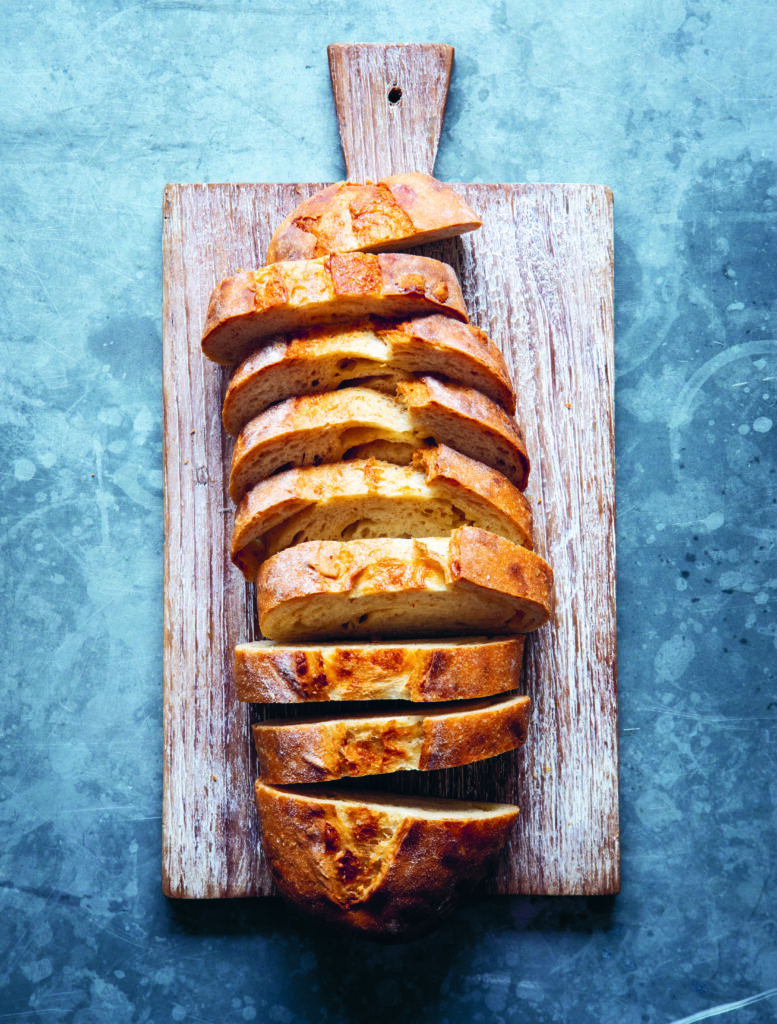
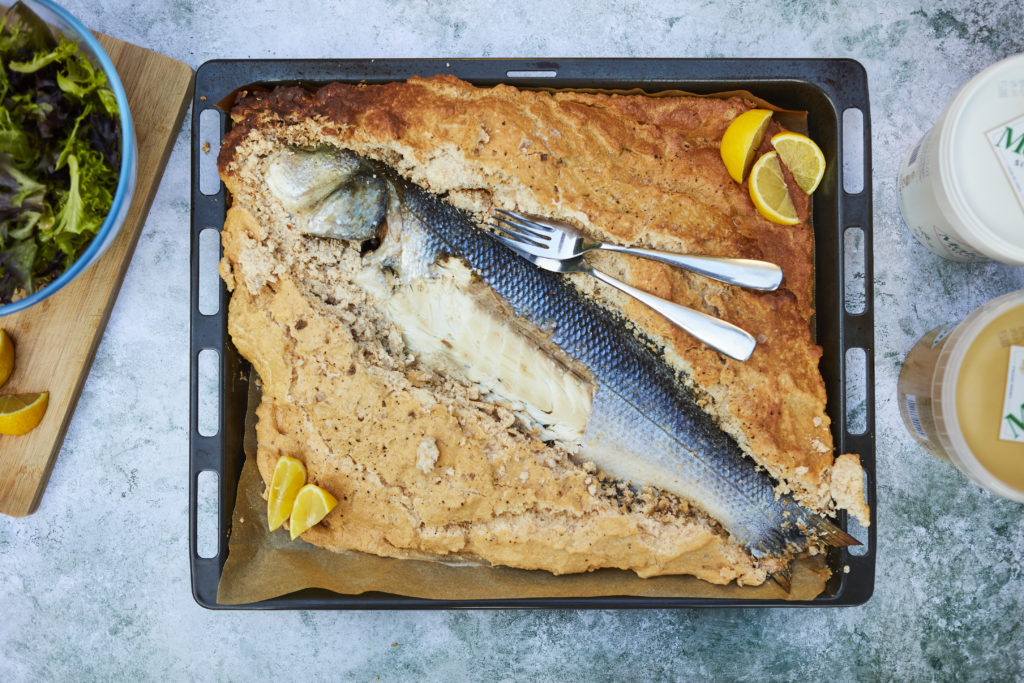
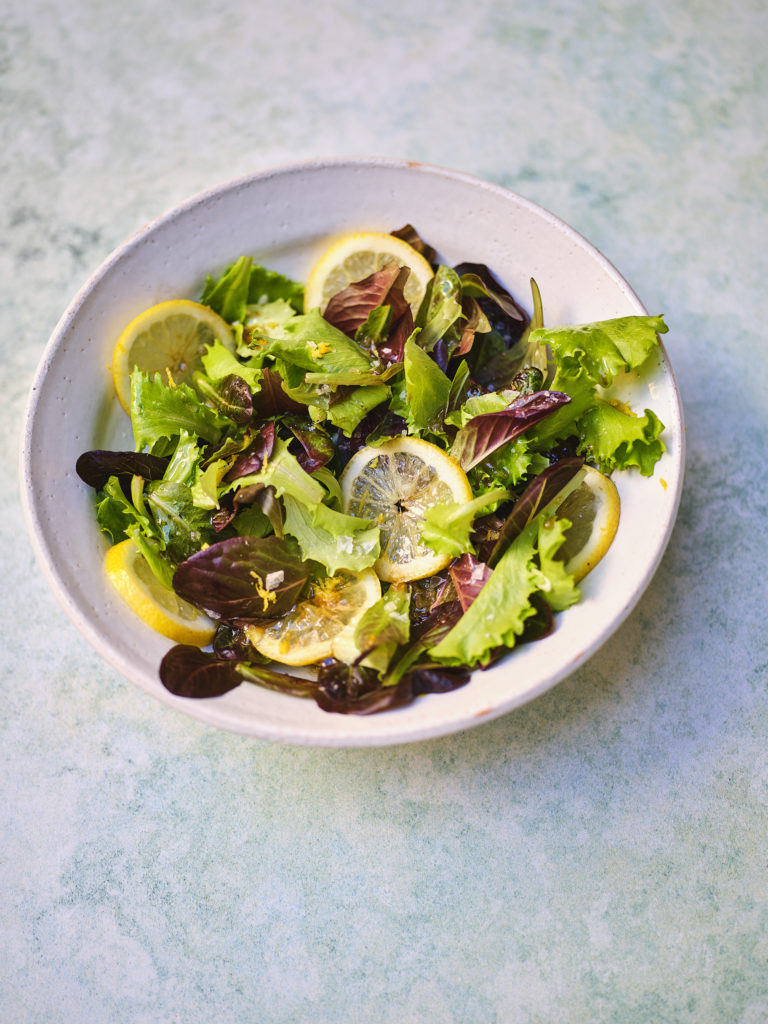
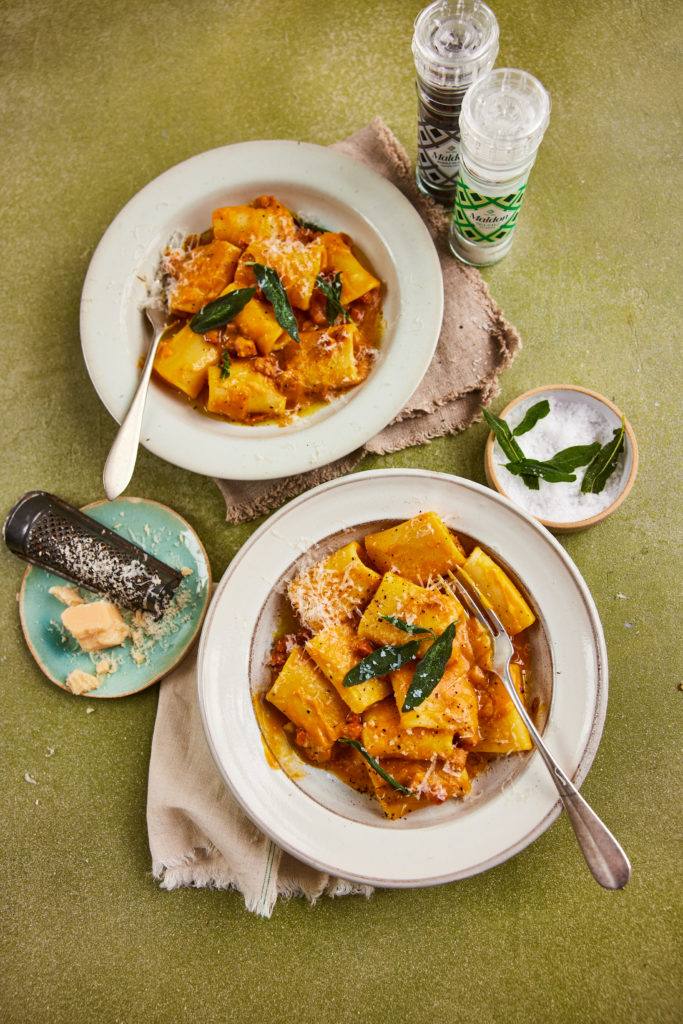
Garlic breadSalt-baked Sea BassCrispy green leaf salad with lemon
Serve warm or at room temperature—great for packed lunches.
Storage & Reheating
Store leftovers in an airtight container in the fridge for up to 3 days.
Reheat gently on the hob with a splash of water or olive oil, or enjoy cold as a pasta salad.
If you make this rigatoni with roasted summer vegetables, let us know in the comments! For more easy pasta recipes, browse our full collection
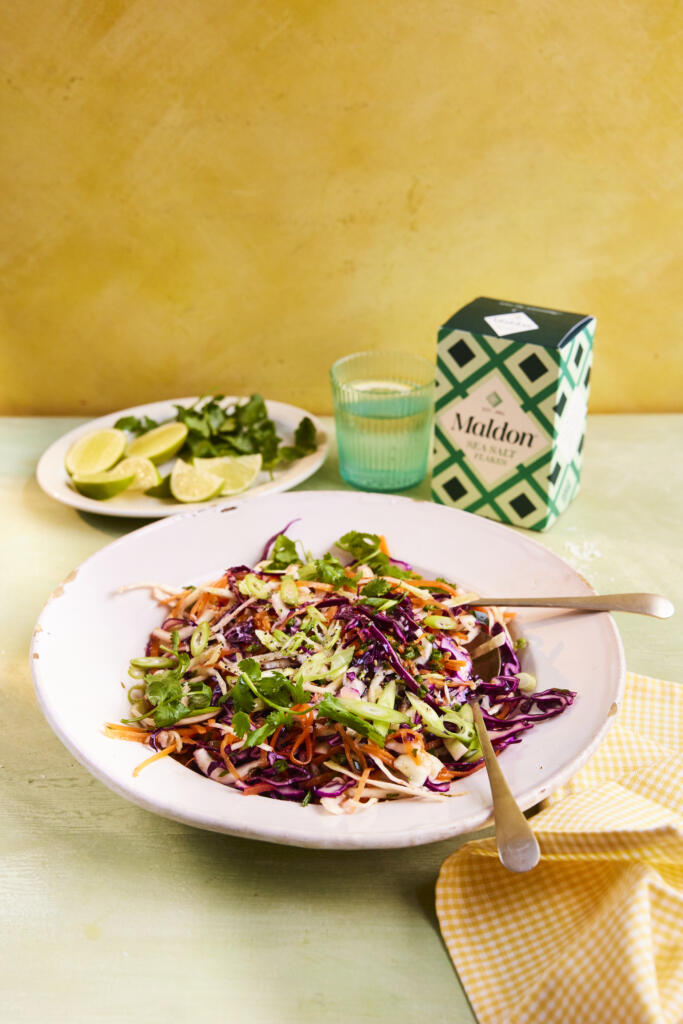
Brighten up any meal with this lime and coriander cabbage slaw! Packed with crunchy cabbage, sweet carrots, fresh coriander, and a zesty lime dressing, this healthy side dish is a perfect addition to summer picnics, BBQs, or taco nights. Quick to prepare, naturally vegan, and bursting with flavour, this easy slaw recipe will become your go-to for fresh salad ideas.
How to Make Lime and Coriander Cabbage Slaw
Step 1 – Prepare the Vegetables
Thinly slice the cabbage, julienne or grate the carrots, finely chop jalapeño, spring onions, and coriander.
Step 2 – Make the Dressing
In a small bowl, whisk together lime zest, juice, olive oil, maple syrup/honey, and sea salt.
Step 3 – Assemble and Toss
In a large bowl, combine cabbage, carrots, jalapeño, most spring onions, and coriander. Drizzle with dressing and toss to coat.
Step 4 – Serve
Scatter reserved spring onions and coriander on top before serving. Taste and adjust seasoning if needed.
Tips
Use a mix of red and white cabbage for extra colour.
For extra crunch, add toasted seeds or nuts.
Make ahead: Prep veggies and dressing separately, combine just before serving.
Can I make cabbage slaw ahead of time?
Yes, you can make cabbage slaw ahead of time. Martha Stewart actually recommends making slaw ahead of time so that the flavour intensifies. You can prep the vegetables and dressing separately for up to a day ahead, refrigerating for up to 3 hours.
How long does cabbage slaw last in the fridge?
You can store cabbage slaw in the fridge for up to 3-5 days. However, we recommend eating it within a day or two for the best results in flavour and texture. This is because it can become watery if kept for longer, making it unpleasant to eat.
Is this slaw recipe vegan and gluten-free?
Yes, this cabbage slaw recipe can be vegan and gluten-free friendly depending on the ingredients used.
The base ingredients for the slaw (the vegetables) can remain the same, however you would need to swap the honey in the dressing mix with pure maple syrup instead to make it 100% vegan. We like to use Biona Organic Pure Maple Syrup Amber Grade A 1 for this recipe.
Can I use lemon instead of lime?
Yes, you can use lemon instead of lime, but it will alter the flavour slightly. This is because lemons have a sweeter, less tart flavour than limes.
Serving Suggestions
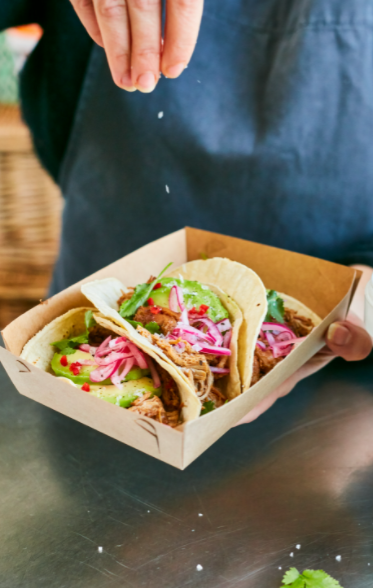
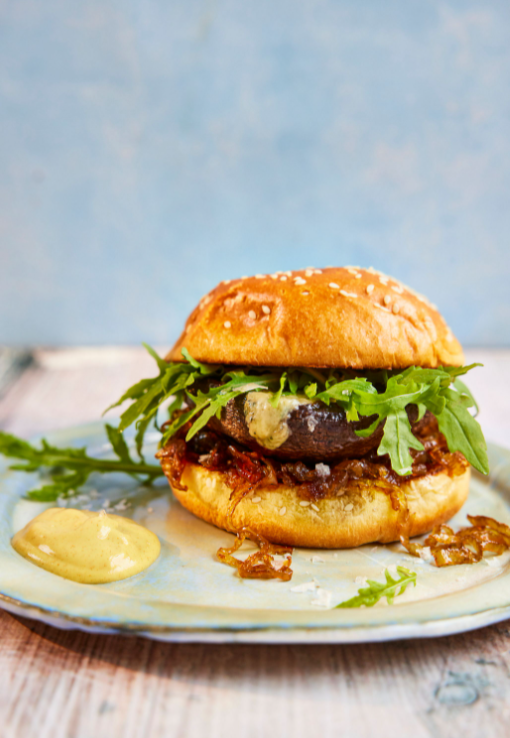
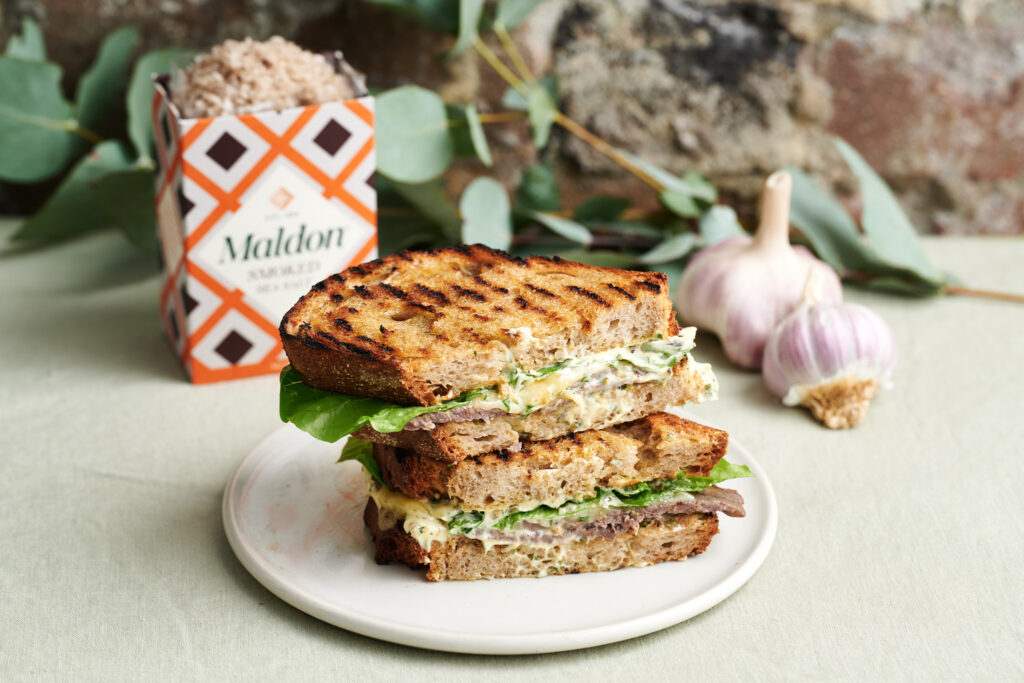
TacoMushroom BurgerClub Sandwich
Perfect with tacos, grilled meats, burgers, or as a BBQ side.
Add to wraps, sandwiches, or bowls for extra crunch and flavour.
Storage & Reheating
Store in an airtight container in the fridge for up to 3 days.
For best texture, keep dressing separate until ready to serve.
Refresh with extra lime juice if needed.
If you try this lime and coriander cabbage slaw recipe, let us know in the comments or submit your own recipe using this slaw! For more fresh salad ideas, check out our full collection.
This cherry tomato tarte Tatin is a delightful twist on the classic French dessert, reimagined as a savoury dish bursting with rich, caramelised flavours. Juicy cherry tomatoes are slow-cooked in a buttery glaze and finished with a flaky puff pastry crust, creating a perfect balance of sweetness and and savoury.
The addition of Maldon Garlic Sea Salt flakes elevates the tarte, infusing it with a subtle garlicky depth and enhancing every bite with a delicate crunch of mineral-rich sea salt flakes. Ideal as a light lunch, appetiser, or elegant side, this tarte is an impressive as it is easy to make.
Here is how to make a cherry tomato tarte Tatin
Preheat the oven to 200C fan.
In an ovenproof pan, about 23cm in diameter and preferably cast iron, warm the olive oil over a medium heat. Add the cherry tomatoes and season with Maldon Garlic Sea Salt. Stir to coat in the oil and cook for 10 minutes or so, stirring every so often, until the tomato skins have split. Transfer to a plate.
Return the pan to a medium heat, add the balsamic vinegar and honey. Simmer for a minute or so to create a syrupy mixture then immediately remove from the heat. Return the cherry tomatoes to the pan, leaving behind any juices that have collected on the plate, and arrange in a single layer. Tuck sprigs of thyme between the tomatoes then lay the pastry over the tomatoes, tucking it around the tomatoes at the edge.
Prick the pastry with a fork in a few places then bake for 25-30 minutes until the pastry is golden brown. Leave to settle for 5-10 minutes then run a knife around the edge to loosen the pastry. Place a large plate on top of the pan and, moving quickly and confidently, invert the tarte Tatin onto the plate. Sprinkle with Maldon Garlic Sea Salt to serve.
Add vibrant colour and irresistible smoky flavour to your next BBQ with these easy smoky grilled peppers. Charred until perfectly tender and finished with a drizzle of red wine vinegar, olive oil, and Maldon Smoked Sea Salt, these grilled peppers are the ultimate summer side dish for picnics, parties, or alfresco dining.
How to Make Smoky Grilled Peppers
Step 1 – Prepare the Peppers
Cut peppers into large pieces, removing pith and seeds.
Step 2 – Grill the Peppers
Preheat BBQ or griddle pan to high.
Place peppers skin side down and grill in batches if needed until nicely charred. Make sure to press peppers gently with tongs to ensure even charring.
Step 3 – Finish and Serve
While still hot, drizzle with red wine vinegar and season with Maldon Smoked Sea Salt.
Finish with olive oil before serving.
Tips
Use a mix of red, yellow, and orange peppers for maximum colour and sweetness.
Grill peppers just before serving for best flavour and texture.
For extra smokiness, close the BBQ lid while grilling for a minute or two. This will add depth to the flavour.
This recipe be made indoors on a griddle pan.
Can I make smoky grilled peppers ahead of time?
Yes, you can make smoky grilled peppers ahead of time. Make sure you prepare your grill or smoker beforehand if barbecuing outdoors. Grill the peppers until the skins are nicely charred and blistered. Once cooled, store in the refrigerator in an airtight container. You can peel the skins off from the grilled peppers if you prefer the taste and texture, especially in dishes like pasta sauces and salads.
How long do grilled peppers last in the fridge?
Grilled peppers can last up to 5-10 days in the fridge if stored in an airtight container. If you want to extend this further, you can freeze them for up to 2 months.
Can I use other types of vinegar?
Yes, you can absolutely use other vinegars instead of red wine vinegar, although the flavour will be slightly different. You can use white wine vinegar, although you won’t get a slightly pink/red hue like red wine vinegar gives. You can also use apple cider vinegar, which has a fruiter flavourful compared to red wine vinegar. Alternatively, sherry vinegar is a slightly sweeter option, which is often used in Spanish cuisine.
Are grilled peppers vegan and gluten-free?
Yes, grilled peppers are both vegan and gluten-free. This is because peppers are naturally plant-based and do not contain any gluten.
Store cooled grilled peppers in an airtight container in the fridge for up to 3 days.
Best served at room temperature—no need to reheat.
Drizzle with extra olive oil to refresh before serving.
If you try these smoky grilled peppers, let us know in the comments! For more BBQ inspiration, explore our summer recipe collection.
Grease and line 3x 20cm round springform baking tins with baking paper and then set aside. Preheat the oven to 180c.
In the bowl of a stand mixer add the softened butter and caster sugar and then beat together for 5 minutes until soft, pale and fluffy. Then add the eggs, one at a time, beating each one in until all of them have been incorporated. Next add the ground almonds, plain flour, baking powder and spices and mix until incorporated (but ensure not to overmix).
Remove the bowl from the stand mixer and add the grated carrot, parsnip and chopped walnuts. Fold these through the mixture. Then divide the cake batter equally between the 3 lined baking tins and smooth over the top.
Place into the preheated oven and bake for 30 minutes until well risen and golden on top. You can check the cakes are cooked through by inserting a skewer or cocktail stick into the centre and making sure it comes out clean.
Remove the baked cakes from the oven and place onto a wire rack to cool completely.
While the cakes are cooling make the caramel. Place the granulated sugar into a pan and place onto a low heat. Gently melt the sugar, ensuring not to stir it but you can swirl it around the pan to encourage it. You want the sugar granules to melt completely and then turn to a deep golden caramel colour. At this moment, immediately take the pan off the heat and add the butter, stirring it through until it comes together. Then add the double cream and allow this to bubble before stirring through again until you have a smooth caramel. Then add the Maldon Sea Salt before setting aside to allow the caramel to cool, it will thicken as it cools also.
Now make the icing.
Add the softened butter to the bowl of your stand mixer and beat until its very soft and whipped. Then, with the motor running, add the icing sugar bit by bit until it is all incorporated.
Then remove the bowl from the stand mixer and add the cream cheese and vanilla, mix this in gently with a wooden spoon or spatula until just incorporated but make sure not to overmix. Place this into the fridge while you get your cakes ready to ice.
Take each cooled sponge and remove it from its tin. Then use a serrated knife to trim off the tops if they have domed when baking to ensure that each layer is even.
Spread a little icing onto the bottom of your cake plate or stand and then put the first sponge onto this. Spread some more icing on top and then add your second sponge, pressing down lightly. Then repeat with the third. Now ice the top and sides of your cake. It is easiest to do this with a palate knife and then smooth around the edges with a cake scraping tool.
Once you are happy with icing of the cake you can either pop it in the fridge until you are ready to serve or serve right away. To do the salted caramel drips simply add the cooled caramel into a small squeezy bottle and squeeze some drips and differing lengths around the cake – alternatively you can use a teaspoon if you don’t have a squeezy bottle.
Finally garnish the top with some finely chopped walnuts and serve.
Celebrate Easter with a vibrant Spring Vegetable Quiche, bursting with fresh, seasonal flavors. A buttery, flaky crust holds a creamy, savory filling packed with tender asparagus, sweet peas, baby spinach, and colorful bell peppers. Light, wholesome, and perfect for brunch, this quiche is a delightful centrepiece that captures the essence of spring in every bite. Serve warm or chilled for an easy, elegant Easter dish.
Here is how to make a vegetable quiche
Start by making the pastry. Place the flour and Maldon Sea Salt into a large bowl and mix together. Then add the cold, cubed butter and use your fingers to rub the butter into the flour until it resembles fine breadcrumbs and there are no large lumps of butter left. Alternatively, you can do this by pulsing it a few times in a food processor. Then add the cold water (start with 3 tbsp and see if you need more) and mix together until it starts to clump and there are no floury or dry patches. Tip onto the work surface and gently knead until it comes together as a smooth pastry.
Then lightly flour the work surface and roll the pastry out with a rolling pin until it is £1 in thickness. Carefully lift it and line a 23cm fluted tart tin, pressing gently into the sides, but leaving some pastry to overhang. Use a cutlery fork to prick some holes onto the base and then place the lined tin into the fridge to chill for 30 minutes.
Preheat the oven to 180c.
After 30 minutes, take the pastry case out of the fridge and put onto a flat baking sheet. Scrunch up some baking paper and put this onto the pastry then fill with baking beans. Blind bake the pastry for 15 mins, then remove the baking beans and paper and return for another 5 – 7 mins, until the pastry is very lightly golden and feels chalky to the touch.
Remove from oven and set aside to allow to cool slightly. Then take a sharp serrated knife and carefully trim off the excess pastry overhangs so it has a nice, neat edge.
Heat a frying pan on a medium heat and add the knob of butter and 1 tbsp of olive oil. Then add the sliced leek and sauté gently until soft and starting to caramelize. Place a pan of water on to boil, and then add the asparagus and frozen peas – you just want to blanch them quickly for 2 minutes, then remove from the pan and place into a bowl with iced water to stop them cooking any further.
In a jug, whisk together the eggs, cream, milk and chives and season well with Maldon Sea Salt and cracked black pepper.
Spoon the veg into the pastry case and crumble over the goat’s cheese. Then pour over the egg mixture and bake in the oven for 30 mins until the filling is set and the top is golden.
Remove from the oven and allow to cool slightly then serve with a green salad.
Dan Dan Noodles are a beloved Sichuan classic, famous for their bold, spicy and savoury flavours. This dish combines tender noodles with a rich, aromatic sauce, creating a comforting bowl that excites the taste buds. While traditionally complex, this recipe simplifies the process without sacrificing flavour. It features a luscious sauce made with sesame paste (or tahini), soy sauce, Chinese black vinegar (or white rice vinegar), sugar, sesame oil, chilli oil, ground Sichuan pepper and a pinch of Maldon Chilli Sea Salt. The pork topping is made with ground pork blended with fragrant peanut oil, minced ginger, and the vibrant heat of Maldon Chilli Sea Salt. The result is a perfect balance of spice, saltiness, and umami that coats every strand of noodle.
For the noodles, thin wheat noodles are ideal for absorbing the sauce, creating a silky and satisfying texture. A handful of choy sum (or bak choy) adds a pop of colour and a hint of freshness, complementing the rich flavours. Garnish with sliced spring onions, crushed peanuts for a nutty crunch, and an extra pinch of Maldon Chilli Sea Salt for a burst of spice to finish. This quick and easy recipe ensures you can enjoy a bowl of spicy Dan Dan noodles at home, perfect for busy weeknights or a satisfying treat anytime.
Prepare the sauce:
In a bowl, whisk together sesame paste, soy sauce, dark soy sauce, black vinegar, sugar, sesame oil, chili oil, and ground Sichuan pepper. Adjust seasoning if necessary.
Set aside.
Cook the pork:
Heat peanut oil in a wok or pan over medium heat. Add minced ginger and stir-fry until fragrant.
Add the ground pork and cook until browned, breaking it into small pieces.
Stir in the sui mi ya cai, Shaoxing wine, soy sauce, and Maldon Chilli Sea Salt. Cook for another 2–3 minutes until well combined and aromatic.
Set aside.
Cook the noodles and blanch the choy sum:
Bring a pot of water to boil.
Cook noodles according to package instructions. Blanch the choy sum for about 30 seconds until vibrant and tender.
Assemble the bowls:
Add the sauce to the bottom of the bowl. Add the cooked noodles and toss to coat them in the sauce thoroughly.
Top with the cooked pork mixture and blanched choy sum.
Sprinkle with crushed peanuts, spring onions, and a light dusting of Maldon Chilli Sea Salt for an extra kick. Add more chili oil if desired.
Serve immediately
Mix everything together in the bowl before eating for the best flavour and enjoy!
Bright, fresh and busting with vibrant flavours, this Garlicky Green Medley is a simple yet elegant side dish that pairs beautifully with roast meats or fish. A crisp combination of green beans, sugar snap peas and broad beans is tossed with crunchy blanched hazelnuts and fragrant fresh meat, creating a delightful contrast of textures and flavours. The magic touch? A generous pinch of Maldon Garlic Sea Salt flakes, enhancing every bite with a subtle garlicky depth that ties the dish together. Light, flavourful and effortlessly impressive, this medley is a must-try for any occasion.
Why this Green Medley works
The Garlicky Green Medley works well as a dish because it strikes the perfect balance of flavours, textures and freshness. Here’s why:
Vibrant Greens & Crisp Texture – The combination of green beans, sugar snap peas and broad beans offer a satisfying crunch and a burst of natural sweetness, making the dish both refreshing and hearty!
Nutty Depth – Blanched hazelnuts introduce a toasty richness that compliments the greens, adding both texture and a subtle buttery flavour.
Umami & Garlick Kick – Maldon Garlic Sea Salt flakes bring a delicate garlicky warmth that enhances the natural flavours of the vegetables without overpowering them, creating a well-rounded, savoury depth.
Altogether, this dish is a perfect mix of crunch, freshness and subtle seasoning, making it a standout side for any occasion!
How to make this Garlicky Greens Medley
Place a large pan of water on to boil. When it is simmering, add the green beans and sugar snap peas. Let them blanch for just 2 minutes then remove with a slotted spoon or tongs onto a large plate with some kitchen paper. Then add the frozen peas and broad beans to the pan of water and do the same, after 2 minutes drain them into a sieve.
Place a large frying pan onto a medium heat and add the olive oil, once warm add the sliced garlic and let them gently fry for 1 minute. Then add the beans and sugar snap peas to the pan. Sauté them so they start to pop and char in places. If the garlic looks like its catching, then simply add a splash of water. Finally add the peas and broad beans to the pan, and sauté just until they warm back through.
Tip all the veg onto a large serving platter and season well with Maldon Garlic Sea Salt and some cracked black pepper. Then garnish with orange zest, chopped toasted hazelnuts and some mint leaves before serving.
Variations of a Garlicky Green Medley:
Citrus Zing – Add a squeeze of fresh lemon for a bright, tangy lift that pairs beautifully with the garlic and greens.
Cheesy Indulgence – Crumble a few cubes of feta, parmesan shavings, or goat cheese over the medley for a creamy, salty contrast.
Spicy Kick – toss in a pinch of Maldon Chilli Sea Salt flakes for a subtle heat that compliments the garlic flavour perfectly.
Extra Crunch – swap the blanched hazelnuts for toasted almonds, walnuts or pine nuts for a different nutty dimension.
Earthy Twist – Stir in sautéed mushrooms or roasted artichokes for a deeper, more umami-rich version.
Serving suggestions for a Garlicky Green Medley:
With Roasted Meats – A perfect side for roast lamb, chicken, beef or pork, balancing the richness with fresh, crisp flavours.
Alongside Fish – Compliments grilled salmon, sea bass, or cod, enhancing the dish with it’s garlicky and herbaceous notes.
Tossed in a Salad – Serve at room temperature with quinoa, couscous, or farro for a more substantial dish, turning it from a side to a main!
As a Pasta Addition – Mix gently with cooked pasta, olive oil, and parmesan for a light yet flavourful-packed meal.
With Poached Eggs – Top the medley with a runny poached egg for a simple but delicious brunch/lunch option.