Romy Gill creates the comforting dish of lemon rice paired with peanuts and curry leaves. Using pantry staples, this dish holds authentic Indian flavours whilst also being very easy to make for your guests. Romy adds peanuts to the rice to give a crunchy texture to the dish, whilst also adding curry leaves for a gentle aroma.
- In a saucepan, add water and ½ tsp Maldon Salt, bringing it to boil for 6-7 minutes on medium heat. Drain the water and keep the rice aside.
- In a pan dry toast the peanuts on a low heat. Toast them until light brown.
- Remove them from heat and add to a bowl. In the same pan add ghee. Once the ghee has melted, add the mustard seeds and curry leaves.
- Add in the toasted peanuts, Maldon Salt, turmeric, and mix together. Cook with a lid for 5 minutes on low heat.
- Once all done, add the lemon juice, mix and serve hot as a side dish or on its own.
Join Romy Gill in creating these deliciously stuffed courgettes, filled with lamb mince and a bundle of spices to give a burst of flavour to the dish.
Courgettes can have a slightly sweet flavour when roasted in the oven. When they are stuffed with the gorgeous, succulent filling of lamb mince it causes the ordinary courgette to become much versatile when cooking. You can find over lamb dishes including our Slow Cooked Lamb Shoulder!
- Cut the courgettes in half and then scoop the flesh out. Mash the flesh in a bowl, mixing in the lamb mince; garlic, banana shallot, ground black pepper, paprika, turmeric, ground coriander, 1tsp Maldon Salt, tomato purée and chopped mint.
- Heat 3tsp of olive oil in a pan and add the mixture. Cook the mixture for 6-7 minutes on high heat.
- Once the mixture is half cooked, keep aside to cool down.
- Preheat the oven to 180C.
- While the oven is getting hot, fill the courgettes with the mixture. Sprinkle over the top of the filled courgettes with Maldon Salt and add the panko bread crumbs for a crispy crunch.
- Cook until golden brown for around 10 minutes.
- Enjoy with flat breads and a leafy salad on the side.
After 30 years in the making, Piper’s Farm has recently released their new cookbook ‘The Sustainable Meat Cookbook: Recipes & Wisdom for Considered Carnivores’. With over 100 seasonal recipes, the book explores the celebration of meat and the ethicality that comes with it. Within the cookbook is the autumnal favourite, the humble Toad in the Hole.
A true classic that makes the perfect midweek meal. We have spruced up this family favourite by adding some beautiful squash to give you an extra portion of delicious vegetables, making the meat go even further. With a good pinch of Maldon Salt, the warming flavours are elevated amongst the succulent sausages. Serve with lashings of onion gravy and you have the ultimate crowd-pleasing dish.
- Preheat the oven to 200°C/400°F/gas mark 6.
- To make the batter, add the flour to a mixing bowl with a good pinch of Maldon Salt and pepper. Add the eggs and gently whisk in the milk to form a smooth batter. Set aside to rest for 30 minutes.
- Place the squash wedges in a wide baking tray with the sausages, a drizzle of olive oil, rosemary, garlic and Maldon Salt and pepper. Bake for 25 minutes until the squash is tender and the sausages are cooked.
- To the roasting tin filled with squash and sausages, add the lard and place in the oven to heat up for about 5 minutes.
- When the tray is very hot, add the batter and quickly return to the oven. Bake for 30 minutes. Five minutes before the toad in the hole is ready, sprinkle over the Cheddar and return to the oven to melt and bubble.
- To make the gravy, add a drizzle of olive oil to a pan over a medium heat and slowly cook the onions for about 25 minutes until fully softened and lightly golden.
- Then add the miso paste, Worcestershire sauce and water to the onions. Bring to the boil and season with Maldon Salt.
- Serve the toad in the hole with the onion gravy and some seasonal greens.
Griddling leeks is a wonderful way to enhance the sweet flavours by adding a smoky, charred element. This pairs perfectly with a Romesco – which is a sauce originating from Catalonian Spain made from red peppers, almonds and zingy garlic, vinegar, and chilli. Labneh is simply strained, salted yoghurt – wonderfully simple to make but adds creaminess and sourness to this plate. Topped with a nutty savoury granola using homemade Dukkah, which adds crunch and toasted saltiness.
- Make the labneh a day ahead. Mix the yoghurt and salt in a bowl and then place in some muslin tied with string. Squeeze out any excess liquid and then place in the fridge in a sieve over a bowl overnight. The bowl will catch the drained excess liquid – the longer you leave it, the thicker your labneh will be.
- Make the Romesco sauce – toast the almonds in a dry pan until golden, set aside to cool. Add some roasted red peppers from a jar to a food processor along with the toasted almonds, Maldon Salt, garlic, sherry vinegar, parsley and paprika and blitz to a paste. Drizzle in the olive oil, add plenty of seasoning and blitz again. Set aside.
- Make the dukkah savoury granola – Place some hazelnuts, pistachios and sunflower seeds on a tray and roast in the oven for 10 minutes. When they are golden brown remove from the oven.
- Take a frying pan and toast your spices and Maldon Salt – cumin, coriander and fennel seeds. Once they are fragrant and beginning to pop, remove from the pan and crush in a pestle and mortar. Toast the sesame seeds in the pan and then add these to the crushed spices in a bowl. Roughly chop the hazelnuts, sunflower seeds and pistachios and add them to the bowl along with some salt and smoked paprika. Set aside to cool.
- Heat a griddle pan on high. Slice the leeks in half and brush with oil. Griddle them for 5 minutes on each side until they have char lines and are soft and tender.
- On a large platter, spread the labneh on the bottom. Pile up the griddled leeks on top. Spoon over some of the romesco sauce and then drizzle with oil. Sprinkle across your savoury dukkah mix, some final parsley leaves and serve.
Wanting to taste vibrant, citrus notes to your cocktail? We’ve paired up with Hayman’s in using their Exotic Citrus Gin, giving the Salty Dog a burst of flavour with a sharp twist of grapefruit and lime juice. We have also included our very own Maldon Salt rim to enhance the flavour of of the exotic fruit peels.
Why add a salt rim to your cocktail? Not only does it keep your garnish from falling into your cocktail and throwing the flavour off, but it adds flavour to the drink, allowing it to develop in stages. Did you know the taste of isolated salt can actually awaken your taste buds! Therefore this allows you to enjoy the variety of flavours within your cocktail…science and delicious!
- Add all the ingredients to a mixing glass with ice and stir.
- Shake and strain over ice in a Rock’s Glass.
- Garnish the drink with a Maldon Salt rim and a slice of grapefruit.
Aubergine lends itself brilliantly here as it is such a meaty vegetable that works perfectly with Asian flavours. Sandwiched between fluffy homemade bao buns and topped with pickled smashed cucumber, salty peanuts, and lots of coriander – these are so good, and you really won’t miss the meat.
- Start by making your bao buns – in a large bowl, mix together the flour, caster sugar and Maldon Salt. In a small bowl or jug mix together 1 tbsp of warm water with the yeast and a pinch of sugar and then make a well in the flour and add the yeast mixture along with the milk, oil, rice vinegar and water. Mix to make a dough.
- In a kitchen aid, knead the dough with the dough hook for 5 minutes until smooth and springy. Place in an oiled bowl and cover with clingfilm, leaving it to prove until doubled in size.
- Place the dough back into the kitchen aid and add the baking powder, kneading again for 5 minutes. Make into 18 balls of dough, rolling them in your hands and then placing onto a lightly oiled tray.
- Roll them out with a rolling pin into an oval shape (makes roughly 18) and then use some oil and a chopstick to fold them into little envelopes. Place each one onto some baking parchment and leave to prove again until they double in size.
- Once risen. Heat a steamer with some water at the bottom. Steam the buns on their sheets of parchment until puffed up and fluffy.
- Before you steam the buns, make the aubergine filling. Mix together the miso, rice vinegar, agave and mirin in a small bowl. Cut the aubergine into chunks and toss well in the miso glaze. Place into the preheated oven and roast until soft, charred and sticky.
- To make the pickled cucumber, cut the cucumber in half and then skin side up, bash the cucumber with the back of your knife so it breaks up on the board. Then roughly chop it into small pieces. Place in a bowl along with the garlic, rice vinegar, soy sauce, chilli oil, sugar, and sesame oil. Toss well so it is all coated and leave to infuse.
- Serve the bao buns filled with the sticky aubergine, some of the smashed cucumbers, sliced radishes, chopped salted and roasted peanuts, sesame seed shichimi and coriander.
Want to know what gives a real fruity kick to your cake? Odysea’s preserved lemons are packed full of citrus flavours from the preserving of brine water & salt. The additions of honey and stem ginger will balance out this citrus cake, leaving you feel a certain warmth as the weather starts to cool down as we enter into the autumn season.
- Preheat the oven to 180C. Thoroughly grease a Bundt tin and tap out with caster sugar. Set aside.
- In a large bowl mix together the plain flour, baking powder, ground ginger, cinnamon, and Maldon salt.
- In a food processor, add the preserved lemon and stem ginger and blitz together until it forms a nearly smooth paste.
- In a stand mixer, add the softened butter and sugar and beat together until pale and fluffy. Add the eggs, one at a time, beating after each addition. Then add the honey, olive oil and preserved lemon ginger puree and beat again. Finally add the dry mix and fold through until fully incorporated and smooth.
- Spoon into the prepared loaf tin and smooth over the top. Bake in the oven for 45 minutes until well risen, golden brown and a skewer comes out clean.
- Remove from the oven and allow to cool. Garnish with lemon slices and a drizzle of lemon icing.
Of course we had to take part in the infamous TikTok trend of Baked Feta…The tangy, rich flavour of feta is perfect for a late summer treat with guests. Pairing up with Odysea, we used their delicious Flamed Roasted Red Peppers, giving a gentle sweetness as we slow bake the feta cheese. Don’t forget to add the Pomegranate Molasses either, as this will give the recipe the perfect sweet-and-sour tones to the savoury dish, almost acting like a balsamic.
- Preheat the oven to 180C.
- In a large baking tray place the block of feta in the middle. Then arrange the cherry tomatoes, shallot halves and sliced red peppers around the feta.
- In a small bowl, whisk together the olive oil, garlic and herbs and then drizzle over the whole dish. Bake in the oven for 35 – 40 minutes until the feta is golden and the vegetable has softened. Remove from the oven and drizzle with pomegranate molasses and scatter with the pomegranate seeds and fresh oregano leaves. Add a pinch of Maldon Salt and serve with toasted sourdough bread.
Let’s get to know all about salt!
Salt production is one of the oldest practises dating as far back to 6,000 BC. Used for various trading and religious offerings, empires such as the ancient Romans actually used salt as a means of commerce, with Rome deriving the word ‘salary’ from salt. In present times, salt is one of the most important ingredients used and loved by cooks and foodies around the world. Not only does it enhance flavours within dishes and allows you to season to perfection, it is an element in which the human body can’t live without – sodium!
With this in mind, we want to explore the significance of sea salt, where we look into how sea salt is made, delving into various production and salt-work methods. Additionally, we guide you on where sea salt comes from around the world, and most importantly how Maldon Salt is formed.
How is Sea Salt Made?
Let’s keep this simple – sea salt is made by seawater from the ocean entering into shallow ground or a ‘salt works’ (man-made salt water pools) where by time the sun will begin to evaporate the water, leaving behind sea salt crystals – this is called solar evaporation.
Now this is is the easiest and preferred method for warmer climates with a low rainfall and high evaporation rate. But what about the other climates like the UK that aren’t graced with regular hot weather? This is where countries like ourselves get creative with sea salt production. We can delve into this in more detail in how Maldon Salt is formed deeper into the article.
Where Does Sea Salt Come From?
Have you ever wondered if sea salt really comes from the sea? Well, it does! Sea salt is naturally produced by our world’s ocean sea water. It’s why we love it so much, as it a naturally occurring element, containing less iodine than table salt and obtains traces of minerals/nutrients including magnesium and potassium – a nod to the health conscious.
What about other salts – where do they come from?
Although it’s safe to say Maldon is sea salt’s biggest fan – there are other salts!
Table Salt – mined from natural salt deposits (older bodies of seawater which have dried long ago) the salt is then processed and manufactured into smaller crystals. Unlike sea salt, which is produced through natural methods, table salt production involves chemicals after being mined. It’s purified and striped of minerals and infused with anti-caking substances.
Mineral Salt – similar to table salt, but this type of salt is specifically mined from areas such as Pakistan, near the Himalayas. Did you know it’s colours are influenced from the additional minerals, such as calcium, potassium, and magnesium. You may know this as ‘Rock Salt’ . Here at Maldon we stock Tidman’s Natural Rock Salt, where the naturally occurring rock salt is extracted from ancient rock deposits. Tidman’s is also additive free!
How is Maldon Salt Formed?
Now let’s talk about our beloved Maldon Sea Salt. Since 1882, our world-famous salt flakes have been made with the same traditional artisan methods from the coastal town of Maldon, Essex. Our salt works are run by the fourth generation Osborne family, currently in the hands of Steve Osborn, following his father’s footsteps Clive, grandfather Cyril and great grandfather James.
The Maldon Sea Salt Process:
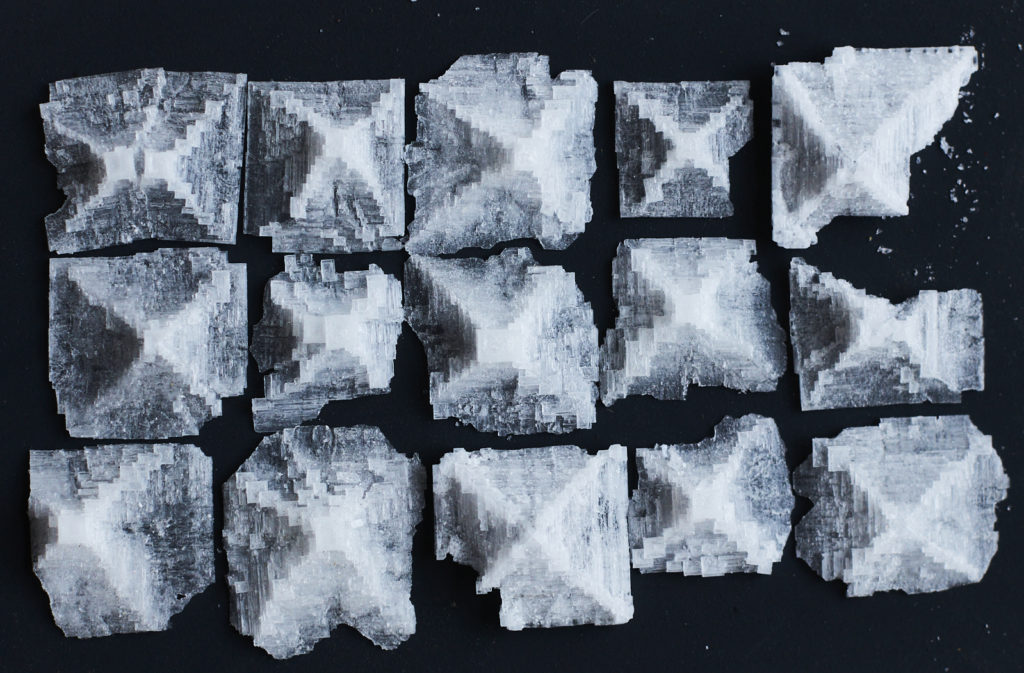
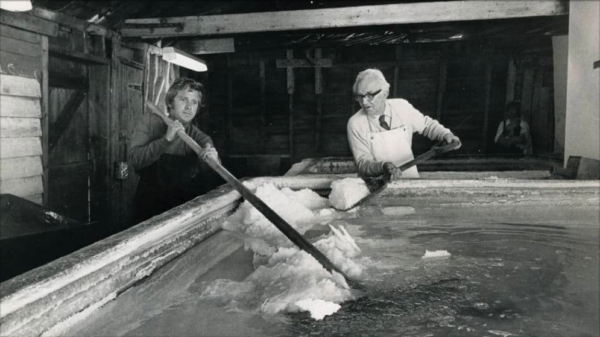
Seawater from the the Blackwater Estuary in Maldon is carefully harvested on the spring tide, where there is an appreciated art to the temperature and timing, which is a family secret. Master of salt makers have been hand harvesting the naturally formed pyramid-shaped crystals that have since became Maldon’s signature.
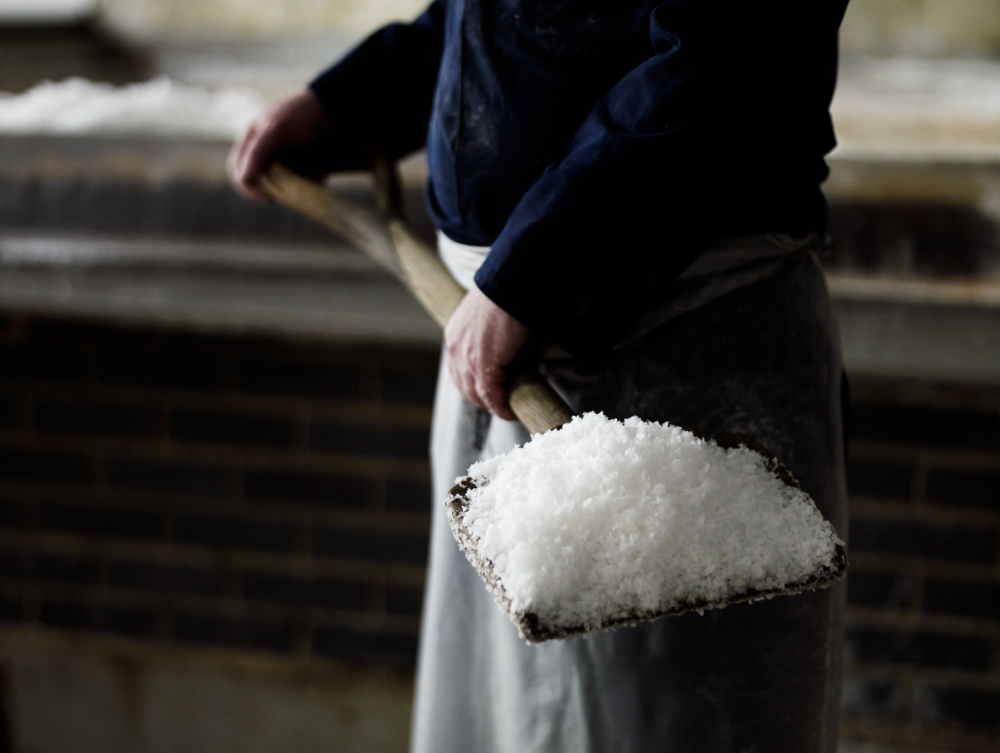
Maldon Salt is created through an evaporation process. Brine is evaporated in our salt pans over flames to form the unique salt crystals. This method is still used today, where our salt makers use the same time-honoured techniques with skilled hands poised over every batch. You can find out more where Maldon Sea Salt comes from by heading over to our YouTube channel.
Maldon Sea Salt vs. Table Salt
The unique pyramid flakes are Maldon’s trademark, recognised as the finest of sea salts. The pyramid flakes release their saltiness with sweet precision, a fresh intensity and clean taste. It is a highly versatile ingredient that can be used at any point in the cooking process, loved by chefs and the world over. Not to mention the texture has a beautiful flaky feel, perfect to sprinkle as a finishing salt.
Table salt as we’ve learnt always involves chemicals in the process – it is not natural like sea salt. The taste of table salt is also less saltier than sea salt due to being stripped of naturally occurring minerals and nutrients in the extraction process.
As a result, replacing your table salt with Maldon Sea Salt will help you refine your sodium intake as you only need a humble pinch of Maldon to enhance and season your dishes flavours and not a whole grinder’s worth to satisfy your salty crave.
Uses for Sea Salt:
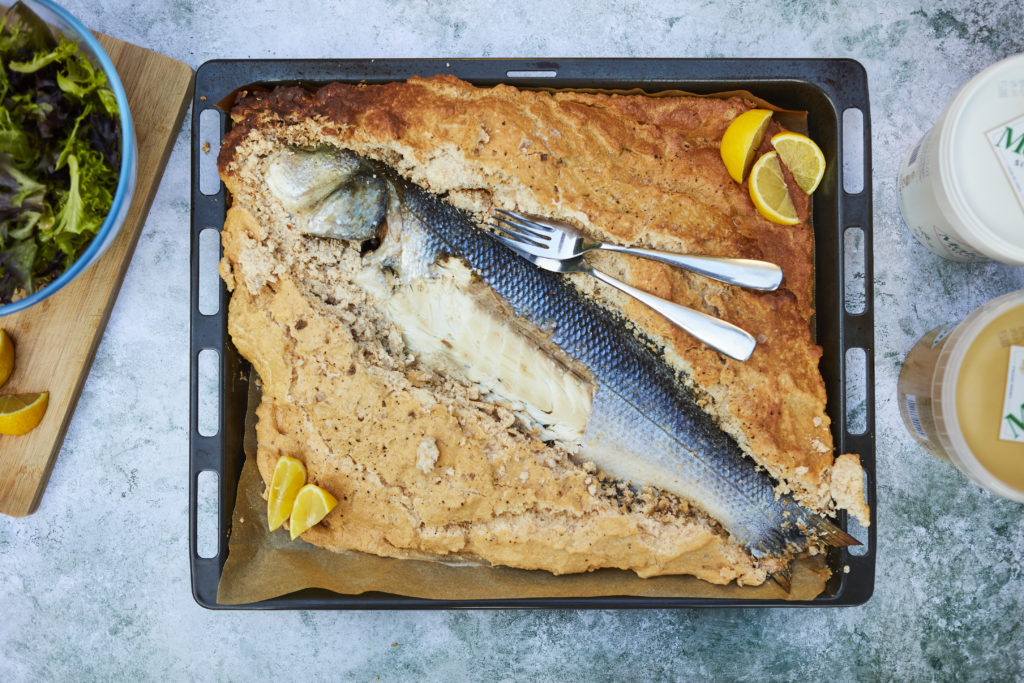
Preserving – using sea salt as a preserve for food is a wonderful way of ensuring your dish retains moisture and doesn’t overcook. A salt crust creates a layer which insulates the food, minimising the chances of moisture from escaping. This mean that all the delicious juices and flavours stay inside the dish and ensues the food cooks more evenly. Check out our Salt Baked Sea Bass recipe in which go throughs the salt preservation process in more detail!
Flavouring – sea salt allows dishes to be heightened in sweetness and to remove any bitterness. This is because of the sodium in salt in which supresses the bitter flavours in a recipe, creating foods to be more flavourful for the pallet. Head over to our YouTube channel to see our video with Sorted Food on different hacks and genius ways in using Maldon Salt to enhance flavour within a dish.
In conclusion…
At the end of the day when choosing your everyday seasoning, sea salt and table salt still have the same nutritional value. However it is our Maldon Sea Salt that helps connect people in the moments of pleasure from food and drink. We know taste enhances mood and Maldon Salt offers a little magic no matter the meal occasion, culture or cuisine. Our unique pyramid flakes are characteristics of Maldon, recognised the world over as the finest of sea salts. With the flakes itself, they release their saltiness and sweet precision, a fresh intensity and clean taste that can be used at any cooking process. You can also check out our recipes, tips and blogs to explore how Maldon really does give that pinch of magic to your recipes.
So now that we’ve got your interest, why don’t you try it out for yourself? Head over to our Where To Buy page now to buy online or find your nearest store.
Sweetcorn is sweet and nutty and one of my favourite vegetables. You can’t go wrong with a buttery corn on the cob in the summer but here I’m combining them with courgette and feta, to make the most delicious and moreish fritters. Topped with a crispy egg and a fragrant zhoug butter they make a seriously nice brunch.
- Start by making the fritters – grate the courgette and then squeeze out any excess liquid in a tea towel, pop these into a large bowl. Add the sweetcorn, crumbled feta, chopped coriander, 1 beaten egg, self-raising flour and cumin seeds. Mix well to form a batter and season well.
- Heat some oil in a pan and spoon in the fritter mix to make patties. Fry them for 3 minutes on each side until golden. Remove and place on a plate in the oven to keep warm.
- To make the zhoug butter place chopped coriander, parsley, garlic and green chilli into a food processor. Add some cumin, a good pinch of Maldon Salt, lemon juice and olive oil and blitz until it forms a paste. Next add the softened butter and plenty of seasoning and blitz again. Set aside.
- In a small frying pan heat some oil and fry off the eggs, you want the oil to be nice and hot so the edges of the egg go nice and crispy. Once the egg is nearly cooked, add some of the zhoug butter to the pan and baste the egg in it.
- Plate up – serve 2 or 3 fritters piled up on a plate with a crispy fried egg and drizzle over the zhoug butter from the frying pan. Sprinkle over some coriander leaves and serve.