We recently caught up with the talented Imogen Davis, co-founder of Native restaurant, situated in London’s Mayfair. As previously noted in our article; In Conversation with Imogen Davis, Native is a zero-waste eatery with a strong focus on ingredients being foraged and sourced locally.
Within this article, Imogen gets creative in making a deliciously good punch made with mushrooms! (Yes, really mushrooms!). Being a non-alcoholic beverage, this drink is perfect for Dry January – to be enjoyed over ice to infuse the wintery, warming notes of the forest and freshly ground coffee. Additionally, we also managed to sit down and share a few details with the creator herself, where we get to know her tips for making a low/no alcohol tipple to understanding her own personal inspirations.
Mushroom Milk Punch
Imogen’s clarified milk punch with mushroom coffee takes a little advance preparation, but is 100% worth the effort for a showstopper of a silky smooth, slightly earthy non-alcoholic beverage – enhanced by a sprinkle of our Maldon Salt. The reason you add a pinch of Maldon to this drink is to enhance the sweetness and counteract the bitter notes of the ground and mushroom coffee.
Ingredients:
10g coarsely ground coffee
10g mushroom powder (Imogen used nootropics adaptogenic coffee)
200ml water
10g sugar
Pinch of Maldon Salt
100ml organic whole milk
10ml lemon juice
Method:
Brew the coffee, sugar and mushroom powder with 200ml boiling water, leave to infuse for a minimum 12 hours and then filter. As the mushroom powder is very fine, leave plenty of time to drip through.
Bring the milk to a slow boil in a saucepan over low-medium heat.
Once boiling, add the lemon juice and remove from heat, slowly stirring as the curds separate from the whey. Leave for 30 minutes until cool.
Strain the curdled milk through a fine cheesecloth into a large jug and watch the clear liquid slowly separate from the solid curds – have patience!
Once it has fully filtered and you have a clear liquid, stir the mushroom coffee cold brew into the whey, remove the curds from your filter and set aside to enjoy as a snack or to make a salted lassi.
Now reuse the cheesecloth to filter the mushroom-whey mix. You should see a very clear, golden liquid. Filter until you have the desired finish – it took Imogen three trips of drips.
Now to reap your rewards! Add a pinch of Maldon Salt (subbing in Smoked Salt will give a more wintery, rich notes) and 150ml of the punch mix you have made to a highball glass. Stir over ice.
Notes:
You can batch prepare this and keep in the fridge for 1 month.
If you want to add an alcohol element to the drink, just restrain together for a super silky, clear drink!
Tips, Tricks and More with Imogen Davis
Once the making this delectable punch was done, we were able to sit down and have a chat with Imogen, getting to know her tips on creating a low/no alcohol tipple, the benefits of Dry January and what motivates her being the co-founder of a restaurant with a zero-waste ethos and foraging fanatic!
What are your tips for creating no/low alcohol cocktail creations?
Just like all of our drinks, we look at classics and try and give them a native twist, I try not to define a drink by specifying that it contains alcohol or not, but create something that is inspired by the seasons, or a special ingredient we’d like to spotlight.
What are the benefits of Dry January?
January is a great time to reset and refocus for the year ahead. I tend to steer clear of demanding a whole dry month upon myself, but it’s definitely welcomed after an indulgent festive period – especially with the no/lo options that are now out there!
Name 3 things in your kitchen that you can’t live without.
A multi-tool! It’s so versatile- it’s a knife, I can take it foraging as well as the kitchen and even use it to fix broken things.
Kilner jars – kilners are perfect for organising everything from spices to my daily kombucha, as well as ensuring my freezer is prepared for all eventualities! It makes the mission of having no single use plastic a joy.
Maldon salt, of course!
What inspires/motivate you?
Bringing joy to people through food and drink – it really is as simple as that! (the process of getting there is often less-so!)
Still Wanting More?
If you are interested in creating more low/no alcoholic beverages during the month of Dry January, we have many delicious recipes to choose from! Our delicious Paloma mocktail using Feragaia is perfect to replicate a warming, wintery spice in the dark evenings.
Make sure you have your Maldon Salt ready for these recipes! If you are running out, please feel free to browse on our Where to Buy Page to find your nearest store in which stocks our beloved Maldon Salt.
Lastly, we LOVE seeing your creations – please tag us on Instagram using the #maldonsalt so we can share your cocktail masterpieces on our socials.
For this Shakshuka dish, I’m using eggs from my hens, and cooking it over live fire, but this can just as easily be made on the hob at home.
Finely slice a white onion, add a pinch of Maldon Salt and cook until softened.
Add chopped garlic, cloves, smoked paprika, tinned tomatoes, sherry vinegar, pepper and another sprinkle of Maldon Salt.
Reduce the tomatoes slightly. At this point you could also add other veg like chestnut mushrooms or finely chopped courgettes but on this occasion, I’m keeping it simple.
Using the back of a spoon, make small divots in the tomato sauce for the eggs, cover, and leave to cook on the coals or place into the oven until the eggs are cooked.
This sweet and sour chutney is made with a variety of home-grown tomatoes – I’m using un-ripened tomatoes, which are left behind at the end of the harvest but are delicious when fried or used in chutneys.
Start by slicing the onions and dicing your tomatoes. Put both in a pan on a low heat along with cloves, star anise, sugar, wine, pepper and a good sprinkle of Maldon Salt.
Slowly cook the ingredients on a medium heat, stirring regularly.
The chutney is ready when it has reduced by about 3 quarters and the texture has turned jammy.
Serve on fresh toast with a poached egg, add pepper, a final pinch of Maldon Salt and enjoy!
Homemade jam using foraged fruit is a labour of love. This delicious, sweet spread is made with blackberries that I foraged during the summer and stored in the freezer.
This method of foraging and freezing means that you can enjoy making jam all throughout winter.
Simply mix together your berries, sugar, and lemon juice – pips and all, for a healthy dose of pectin, which will help to bind the jam. Add a pinch of Maldon Salt to enhance the flavour and temper any bitterness. Cook on a low heat, stirring regularly.
Once the fruit has thickened and turned jammy, remove from the heat and add to a sterilized jar.
There’s nothing better than warm jam on toast, so make sure you try a bit before sealing. Delicious.
We’ve teamed up with the talented Olia Hercules to create a refreshing and zingy salad, perfect for light lunch or as a side dish to a hearty meal like spatchcock chicken.
The salad contains all the flavours that Olia enjoys! Beetroot is paired with vibrant chicory wedges and bursts of orange segments to bring a gentle sweetness to the dish. The salad is inspired by an amazing dish from Georgia called charkhali. The original dish is fantastic, and involves boiled beetroot tossed in a spicy sour plum puree, flavoured with pennyroyal mint, garlic, dill and Georgian spices. Olia goes a step further by charring the beetroot and cooking the plum sauce over fire, adding an amazing smokiness to the whole dish!
A quick pickling recipe
The pickling section of this recipe is very important to bring life to the dish. It is also very easy and quick to do in the comfort of your own home! With a combination of vinegar, honey and Maldon Salt, you need to mix the beetroot slices into the season vinegar for 15 minutes. However, if you would a stronger pickling flavour, you can leave the beetroot slice in the mixture overnight to really elevate the flavours!
Here is how to make the beetroot and chicory salad…
To boil the beetroot, simply put it whole, skin on into a pan of cold water.
Bring to a simmer and cook for about 40 minutes or until a knife can pierce them quite easily.
Cut the chicory into thin wedges.
Segment the oranges (do watch a quick video online if you don’t know how to do it).
Add the vinegar, honey and the 1 tsp Maldon Salt into a large bowl, mixing well. The vinegar will help dissolve the honey and sea salt flakes. Set aside.
In the meantime, the beetroot should have cooled off by now. Begin rubbing off its skin and cut into thin slices.
Drop the beetroot slices into the seasoned vinegar. You can leave it there to pickle for as quick as 15 minutes or do this in advance and leave them macerate in vinegar overnight for a stronger flavour.
In a large bowl, add the now pickled beetroot slices. Next, begin adding the chicory wedges, orange segments, olives and onion. Give it all a good mix until everything is blended together.
Arrange on a serving plate, drizzle over oil and add the dill.
Serve immediately. If there is any leftover, you can store in the fridge for up to 1 week.
What dressing could you use for this salad?
A dressing that would pair perfect with this salad would be a vinaigrette using fruit vinegar and honey. It is very easy to make and requires very few ingredients
In a bowl, add the ingredients and mix well, ensuring everything is coated evenly.
Add a few dill fonds into the mixture.
Once finished, let it chill in the fridge for a few minutes to let the flavours infuse together.
Once your salad is assembled, drizzle the dressing over the dish generously.
Fermented food is great for your gut and this organic sauerkraut is such a treat to make and eat.
Chop the cabbage or put it through a mandolin, adding the spices or herbs of your choice. Put the cabbage into a mixing bowl and add Maldon Salt.
Massage the cabbage for about 3-5 minutes until moist. You should see liquid start to appear when you squeeze it. Salt plays a key role in the fermentation process, encouraging the growth of healthy bacteria whilst also killing off any bad bacteria.
Sterilize a jar with boiling water and then fill the jar with the cabbage, pushing it down so that the sauerkraut has no air bubbles in it. Ideally you want the cabbage to be fully submerged in the liquid.
Leave in your kitchen for at least 5 days. You can leave it for longer if you prefer a tangier flavour, but once open, be sure to store in the fridge.
A Premium Alternative to An Alcoholic Drink
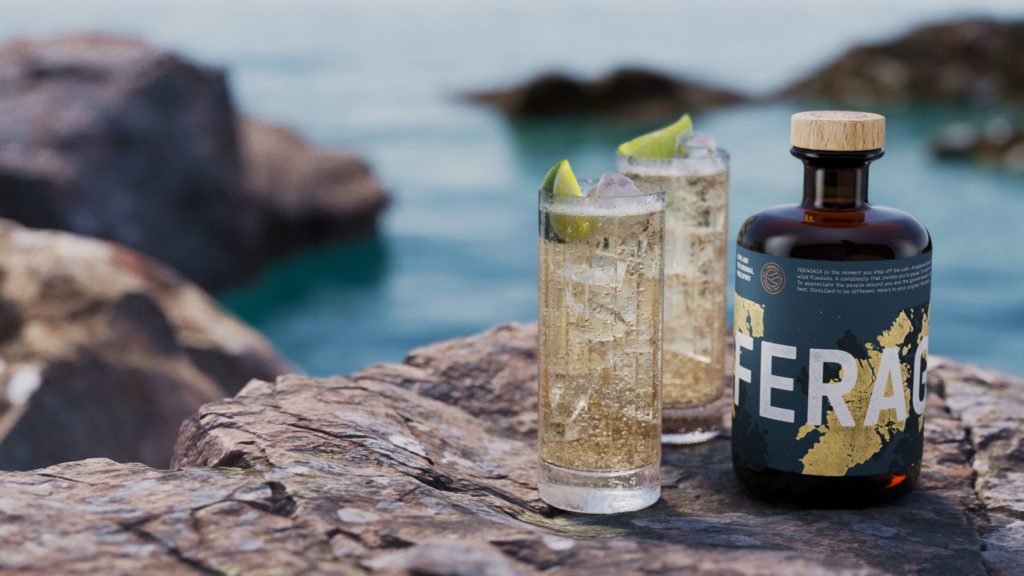
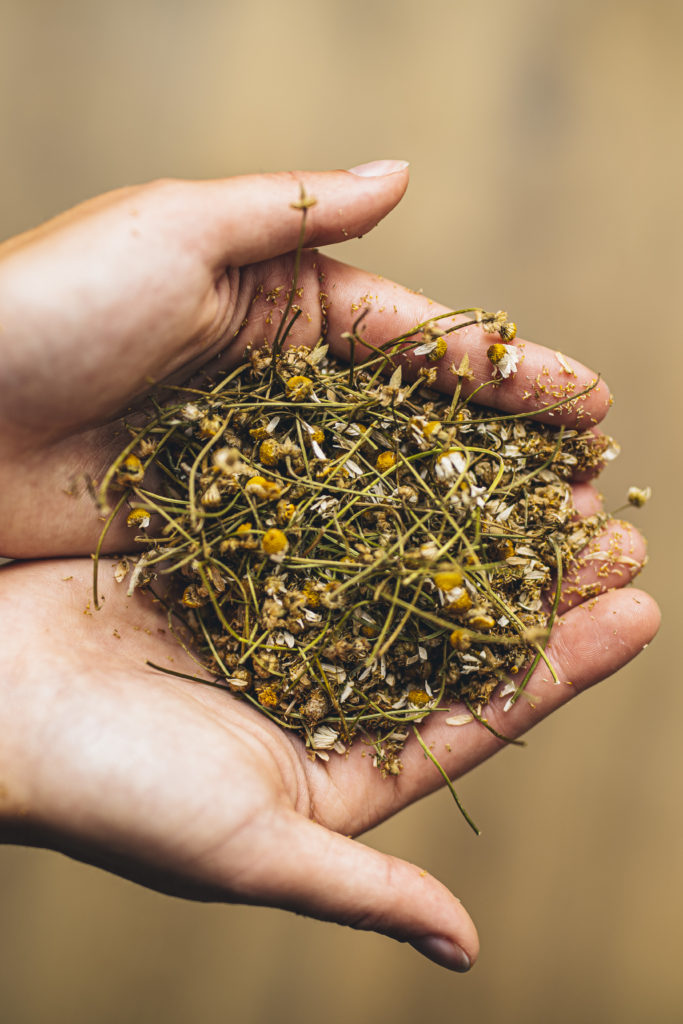
We are delighted to team up Feragaia, the first ever working alcohol-free distillery in Scotland! Co-founders Bill Garnock and Jamie Wild combine traditional distillery methods with a bountiful of 14 botanicals from both land and sea, including seaweed, bay leaf and chamomile.
It is this reason that makes Feragaia so unique, as the brand does not rely on alcohol to carry it’s flavours unlike other alcohol-free spirits; they use natural flavours and qualities to transform the spirit into having a complex yet clean taste which is making powerful movements within the drinking scene.
Traditionally distilled and bottled in the beautiful Scottish Lowlands, the natural flavours go through distillation runs, which are then blended with fresh, Scottish water to create a perfect balance of earthy, spice notes.
In Conversation with Feragaia
We recently had the opportunity to sit down with Feragaia and explore the inspirations behind the brand, from Bill and Jamie’s story to them letting us know the perfect food pairings that go well with the spirit. Make sure to have a tea and biscuit in hand as this makes a perfect read!
We are BIG fans of your drinks! Tell us, what inspired you to make an alcohol-free spirit?
We love to hear it, thank you! We’re huge admirers of the heritage and quality of Maldon. For me, Feragaia started with a question that I kept on coming back to. It was ‘why do I feel so trapped by alcohol?’ Working in spirits gave me a high exposure to alcohol, combined with a traditional English drinking habit – I found it relentless and restricting. I concluded that confidence could answer my question and so I set about developing a premium, unapologetic and confident alternative. So people can have a equal choice – very democratic!
How would you describe the taste of Feragaia?
It’s an original and unique taste, with a refreshing depth of flavour. 14 carefully selected botanicals create a layered and wild journey through land~sea~spice.
We’ve done some research and found that ‘Feragaia’ translates to ‘wild earth’. Is there a correlation behind your name and your drinks?
You got me! In a small way perhaps, but Wild fortunately evokes so much more than just me. Like so many, Earth’s wild places are places that Bill and I greatly value and crave connection to. It was this shared core belief that established the Wild/Fera seed!
Courier – Food & Drink – Julia Bryce – Feragaia Distillery story – CR0038565 – Glenrothes – Picture Shows: Bill Garnock (31) and Jamie Wild (31) at Feragaia Distillery, Scotland’s First Alcohol Free Spirit Distillery – Tuesday 27th September 2022 – Steve Brown / DC Thomson
What an accomplishment in becoming the first working alcohol-free distillery in Scotland! We would love to know Jamie and Bill’s story on how Feragaia was born to where it is now.
Thank you. It is something we are incredibly proud of. We’ve always wanted to set the benchmark for transparency and quality in this category, there is too much ‘smoke and mirrors’ and it’s hurting the reputation of alcohol-free spirits. Bill is the Scottish one in Feragaia and was the driving force behind our provenance and process, out of which was born Feragaia’s respecting of Scotland’s rich heritage of premium spirits and progressive nature.
Would you say the alcohol-free movement is becoming more popular as the years go on?
Absolutely! Since launching Feragaia in 2019 we have sampled thousands of people. I can confidently say people’s curiosity and confidence in alcohol alternatives has and continues to grow. I expect this to be the case for some time.
We’ve seen you make many delicious cocktails, what would you say your top 3 favourites are?
In order of simplicity. I love our perfect serve ‘Wild Ginger’ 50ml Feragaia, Ginger ale and a slice of lime. Next up, our most popular cocktail serve – ‘Paloma’ 50ml Feragaia, Pinch of Maldon salt, squeeze of pink grapefruit and topped with tonic. Finally, it took me months to perfect this one, but the ‘Smokey Old Fashioned’ with a large ice block brings me great joy. Lapsang Souchung tea, ginger syrup, lime and Feragaia. It really redefines in my mind what an alcohol-free drink can be.
How would you try and convince someone who has never purchased an alcohol-free spirit to give it a try?
“I still drink alcohol, but sometimes I can’t or I’d rather not. In which case why should I sacrifice my experience, and feel left out?” Feragaia, is the original-free spirit that is redefining alcohol-free through its refreshing depth of flavour that’s distilled at our very own distillery in Fife, Scotland. It allows you to have a sophisticated and delicious drink to savour and enjoy during those moments where alcohol is to be avoided – how about a taste?”
What food would you say pairs well with Feragaia?
We talk about depth and length of flavour as this is what slows you down and makes Feragaia ‘a drink’ apart from a soft drink, juice, tea etc. The long finish is very complimentary when eating as there isn’t too much of a clash on the top of the pallet. I’ve always liked the combination of some savoury appetisers like roasted nuts and Feragaia in that aperitif moment. If I’m really pushing the boat out then the link between our land & sea botanicals and oysters are quite special!
Your bottle and cap are both 100% recyclable and the botanicals used are composted after distillation. Is this a topic in which you are passionate about?
We tried to register ourselves on B Corp before we registered on companies house! Then we realised we needed to have a registered business to apply for B Corp. At the core of our business lies a belief that truth, authenticity and purpose are ‘must haves’ today. We have developed a sustainable foundation on which Feragaia can grow and meaningfully support the changes that we need to make together in the world.
Now…we are very much excited to announce that Maldon Salt is in the Paloma recipe. What is your favourite way to enjoy Maldon Salt in a drink?
I love the story of land and sea, which could be more apt for Maldon Salt. Salinity when used in drinks correctly is really effective. You just can’t better the Paloma, bitter citrus, saline complexity and the defining depth of Feragaia – It is complete! Sláinte
Feragaia x Maldon Salt Cocktail
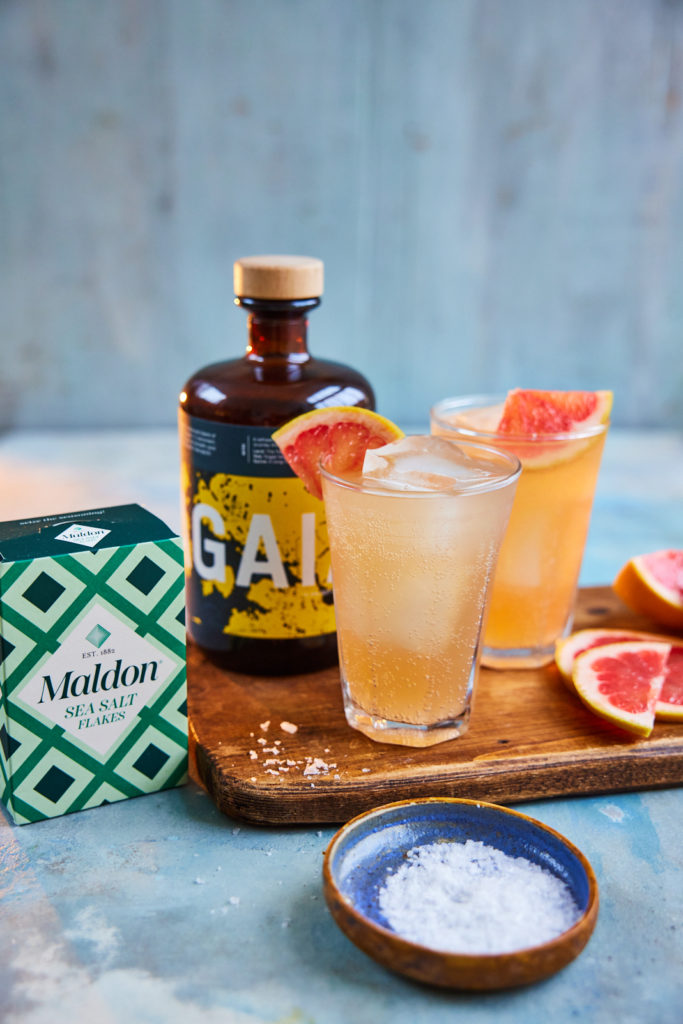
In celebration of Dry January, Feragaia and Maldon have come together to create a ‘Paloma Cocktail’.
This cocktail has a beautiful, fresh taste of citrus from the courtesy of Feragaia’s blackcurrant leaf and lemon verbena and Two Keys Pink Grapefruit Soda. Being naturally sweet, the flavour is hightended from a generous sprinkle of Maldon Salt on top to emphasise the sweet notes and counteract the bitterness…delicious!
Add 50ml Feragaia, 15ml Two Keys Pink Grapefruit Soda and a pinch of Maldon salt to a highball glass.
2.Stir until dissolved, add ice cubes and garnish with pink grapefruit.
Win a Bundle of Goodies!
You could be in the chance of winning one of our limited edition bundle packs, which includes a bottle of Feragaia, Two Keys Grapefruit Soda and an exclusive Maldon Salt Pinch Tin…the perfect combination to create our deliciously good Paloma cocktail!
Head over to our Instagram Giveaway now to enter… But be quick! There are only a number of limited bundles to win.
Lastly, we LOVE seeing your creations – please tag us on Instagram using the #maldonsalt so we can share your cocktail masterpieces on our socials.
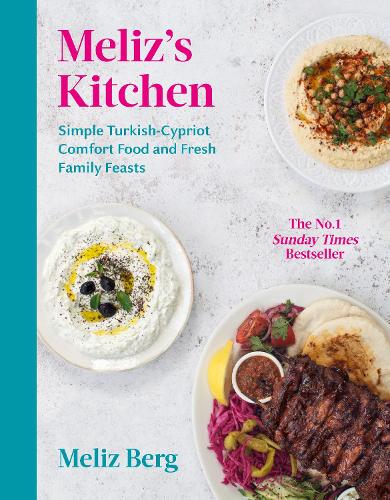
This month we are exploring the talented Meliz Berg and her debut cookbook, Meliz’s Kitchen: Simple Turkish-Cypriot Comfort Food and Fresh Family Feasts.
Influenced through her Turkish-Cypriot heritage, Meliz shares a melting pot of unique cuisines from across the Mediterranean to the Middle East, showing readers how to create easy-to-follow recipes that pack a punch full of flavour and spices.
One thing Meliz is passionate about within her writing is how to create flavoursome meals for a busy family life. You don’t need to stick to the same-old dishes that you cook everyday when you have this book in your hands…simply adding a few spices influenced from her heritage will elevate a dish in seconds and creates dinner time to be exciting again!
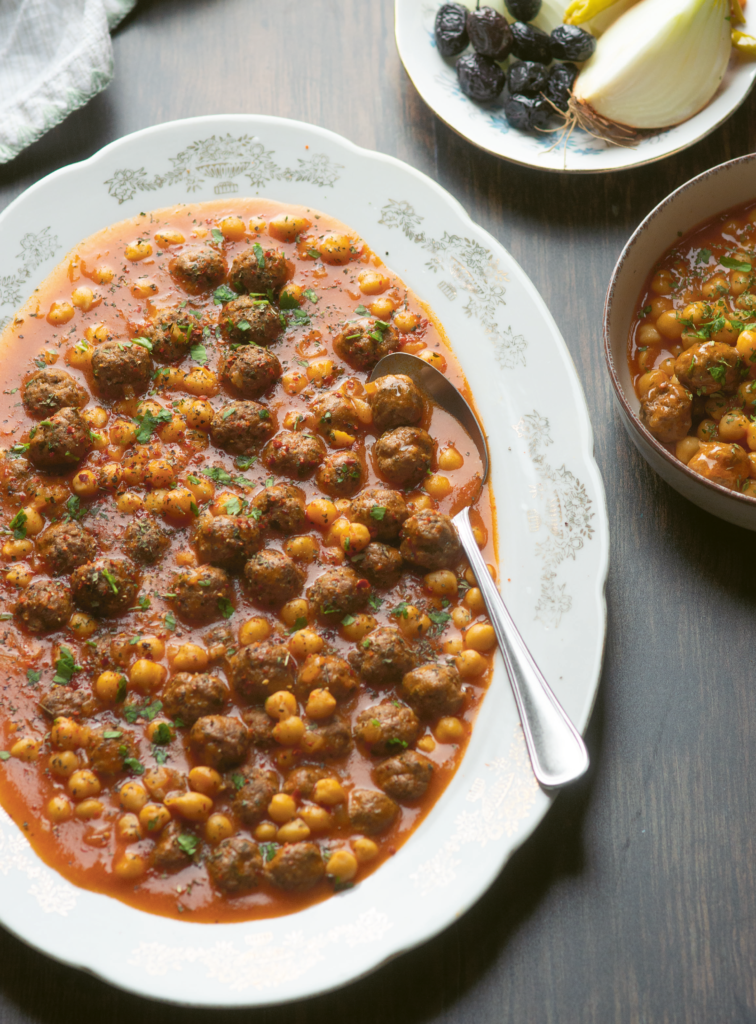
Meatball & Chickpea Stew (Kofteli Nohut Yemegi)
This delicious stew is a perfect to warm you up during the cold winter months! The meatballs (kofte) are coated in breadcrumbs to keep the meat beautifully soft and tender when fried to keep the meat succulent. The meaty oils then coat and infuse the onions while they slowly caramelise with the buttery roux, which will thicken the delicious tomato and sweet red pepper sauce.
1 tbsp Turkish sweet red pepper paste (tatli biber salcasi)
50g (1, 3/4 oz) unsalted butter
2 tbsp plain flour
400g (14 oz) can chickpeas, drained and rinsed
To Serve:
Dried mint
Pul biber
Maldon Salt
Black pepper
Fresh parsley
Method:
In a heatproof jug, dissolve the stock cube in the boiling water and leave to one side.
Place the minced beef in a large bowl. and add the breadcrumbs, paprika, dried mint, oregano, pul biber, parsley, garlic, Maldon Salt and pepper. Mix everything together well with clean hands. Shape the mixture into around 40-50 mini meatballs.
Add the olive oil to a large pan over a medium heat and brown the meatballs, in batches, then remove to a plate.
Add the onion to the oil and soften for 12-15 minutes until translucent and slightly caramelised.
Add the tomato puree and sweet red pepper paste, coating the onion and allowing the red pastes to full release their oils for a minute or two. Add the butter to the pan, str through until it melts, then add the flour and whisk to form a thick roux (paste).
Slowly pour in the stock, whisking the bottom of the pan consistently so that the roux dissolves into the liquid, and then add the chickpeas and ,eatballs to the pan. Stir everything very gently to avoid breaking the meatballs, and bring the stew to a boil.
Reduce the heat to a slow simmer, place the lid on the pan and leave to cook for 20-25 minutes until the sauce has reduced and thickened a little.
Serve with an extra sprinkling of Maldon Salt, dried mint, pul biber, cracked pepper and fresh parsley. Raw onion wedges, pickles, olives and fresh bread are also delicious to serve on the side.
In Conversation with Meliz Berg
We were lucky enough to sit down and talk with Meliz in getting to understand where her inspiration to release a cookbook came from. We also explore in ways to elevate family dishes and also revealing her own personal favourite recipe from her book.
Meliz, firstly we wanted to congratulate you on your debut cookbook recently: Meliz’s Kitchen! Where did the inspiration come from for you to finally collate your delicious recipes into a book?
Thank you so much! I honestly wanted to write this cookbook for as long as I can remember. Oral tradition has played a huge part in passing down these recipes for my family; I watched my grandmothers, mum and aunties cook these recipes instinctively, over and over again, yet when I first moved out into my own home, I would regularly call my mum so she could talk me through cooking the recipes myself; even though I’d watched her for so many years, I took for granted how easy and instinctive she would make it all look. These recipes are so special to me, and I wanted to preserve them; by writing them down and collating them into Meliz’s Kitchen, I have now preserved them indefinitely, not just for my own family, but for others who share the same culture and traditions as my own, and have also exposed them, including the ingredients and cooking methods used, to unfamiliar audiences too.
In the book you showcase a melting-pot of beautiful, different cuisines. Is this something you feel passionate about sharing with your readers?
Absolutely. Cyprus is a melting-pot of influences, that centre between East and West, yet there has always been this misconception that Cypriot food is just Turkish and/or Greek food. Although the influences from both these cuisines is undeniable, the infiltration of so many other cultures, empires, cuisines and ingredients (Byzantine, Ottoman, Venetian, Arabic, Levantine, Mediterranean Asian, I could go on and on) over centuries has inevitably resulted in a separate, unique Cypriot cuisine in itself. Even though the umbrella of Cypriot cuisine covers recipes cooked generally by both Turkish and Greek Cypriots, some of the dishes and flavour-combinations utilised by the Turkish Cypriot community differ from those cooked by our Greek-Cypriot neighbours and vice-versa and can even differ from village to village, and family to family; the recipes that came from my family’s Turkish-Cypriot kitchen are the ones I grew up with, which I have highlighted with personal stories and anecdotes throughout the book.
You must have a favourite recipe in the book! Can you share with us?
Oh goodness, I have so many, for various reasons; some for the nostalgia, some for the triumph of not giving up on a challenging recipe until it was “perfect”, but I think, for its simplicity, layers of flavour, and popularity since releasing the book, it has to be “Kıymalı Garavolli” (One Pot Lamb Mince & Conchiglie Pasta).
What would a normal day-in-the-life be for you Meliz?
Once my children are at school, I’ll either start the day with an hour’s admin to catch up on emails before recipe testing, or, if I have more than one recipe test to do then I’ll go shopping first to pick up any last minute ingredients and start testing as soon as I get back home. If I’m working on a tried and tested recipe, then I’ll film the recipe to have some content to create reels with, and that recipe, or part of it at least, will also serve as the evening’s dinner. I usually schedule (online) meetings at the start and end of the day so that I can have a full, interrupted run of cooking and filming and try to clear and tidy the kitchen away before picking the children up from school. Then it’s after-school activities, homework, dinner, baths, and once we’ve listened to them read, I turn the laptop back on to start working again, haha! I work most evenings, either writing up recipes or editing videos and recipe reels.
Family meal recipes always seem to get a ‘bad-rep’ of being dull and boring…what are some easy ways people can elevate a dish and turn it into something deliciously new!
Have a well-stocked store cupboard with spices, condiments and pulses that will help to add flavour and umph to any dish. I love dried herbs such as dried mint and oregano, spices such as pul biber, paprika and smoked paprika, and always have extra virgin olive oil, pomegranate molasses, vinegars and honey on hand to create dressings and marinades. Stock cubes are also so underrated and I always use them to cook rice, pasta and pulses with, as well as adding them to sauces, soups and oven baked dishes too. And a sprinkling of Maldon Salt never goes amiss either!
Name 3 things in the kitchen that you can’t live without?
Grater (to grate hellim with – I cover everything in blanket of grated hellim), a pot of spoons (to taste my recipes as I cook), my trusted baking trays (I found some baking trays online that I swear by).
A little birdy told us you were a qualified music teacher before you started your recipe blog…would you say music and food are connected in a way?
I was – I taught secondary and A Level music, for 8 years, and studied music at university to Masters level; my university friends would regularly come over to my mum and dad’s house for some home-cooked Turkish-Cypriot food. I have such a deep connection with both food and music, and a song can automatically transport me back to a familiar place or time, in the same way as a bite of one of my favourite dishes can. Music, food, the arts in general, have this never-ending capacity to constantly develop, excite and satisfy.
After a busy day, what are some things you like to do to relax?
Sit at the piano and have a good old sing. I find it so cathartic.
Meliz’s Kitchen Cookbook
You can find where to purchase Meliz’s cookbook here and start creating your perfect family feast!
Make sure you have your Maldon Salt ready for these recipes! If you are running out, please feel free to browse on our Where to Buy Page to find your nearest store in which stocks our beloved Maldon Salt.
Lastly, we LOVE seeing your creations – please tag us on Instagram using the #maldonsalt so we can share your own take on Meliz’s recipes!
This recipe will show you how to bake a potato in an air fryer to achieve a deliciously crispy skin and a fluffy centre.
Air-fried foods, like jacket potatoes, are taking the world by storm due to the many benefits it can bring, from being energy efficient to speeding up the cooking by 40 minutes! In contrast, baking a jacket potato in the oven at 200C will take roughly 1 hour – 1 hour 20 minutes – that’s a pretty long time when you can have a perfectly baked potato in minutes. Plus, it’s a easy to make, you simply put the potato in the air fryer basket and bake!
You can use two methods to make a showstopping jacket potato in the air fryer:
Microwave them first, and then finish off the baking process in the air fryer.
Air frying them for the full length of time.
Our recipe follows the second method, where we will be air frying the jacket potato for the whole duration. This is the easier method to follow as you do not need any further equipment!
If you are wanting to microwave the potatoes first, we recommend cooking on high for 8 minutes, and then air frying for a further 8 minutes. This method will is quicker than our method, as you are speeding up the cooking process with heating the jacket potato in the microwave first, softening the outer, hard skin.
When choosing what type of jacket potato to bake with, we recommend medium to large varieties that have soft, fluffy centres. Specific types of potatoes you need to look for are Maris Piper or King Edwards as these are considered the best for baking. If you are based in America, we recommend looking for Russet Potatoes, which are also known as Idaho potatoes.
How to cook jacket potatoes in an air dryer?
Start by washing the potatoes to remove any dirt and impurities. Then, pat dry with kitchen paper or a towel.
Begin pricking the potatoes with a fork. We recommend pricking about 4 times around each potato.
Transfer the potatoes to a plate or bowl, rubbing with olive oil and a generous sprinkle of Maldon sea salt flakes. Set aside.
Spray the air fryer basket with cooking spray or cooking oil to create a non-stick layer so that the potatoes will not stick together.
Arrange the potatoes in a single layer in the air fryer basket.
Set the air fryer to 200c and cook for 40 minutes until the potatoes are crispy on the outside and fluffy in the middles. We rotated the potatoes after 20 minutes to have an even bake on each side. The baked potatoes should be done when a sharp knifes can go through them easily.
When baked, the skin on the jacket potatoes should be perfectly crisp and the inside tender and fluffy as you cut through the centre.
What to have with jacket potatoes?
Toppings and fillings:
We chose to fill our jacket potato with a classic tuna mayonnaise. The combination of tuna, creamy mayonnaise with a handful of spring onion and chives gives this lunchtime favourite plenty of flavour and is easy to make.
Here is how to make tuna mayonnaise:
Drain the tuna and add to a bowl.
Mix with the mayonnaise, a pinch of Maldon sea salt flakes, cracked black pepper, chopped chives and spring onions.
Open the jacket potatoes and melt some butter on first.
Spoon in the tuna mayonnaise, and top with grated cheddar. Sprinkle with a final few chives.
Other toppings can include:
Baked beans. Either home-made or branded like Heinz, this is the ultimate comfort food dish and makes a great healthy option for your supper.
Chilli / Chilli con carne. Use up your leftovers by filling your jacket potatoes with chilli. Perfect when you are short on time and want to feed a family.
Cheese. Simple but much-loved. There are many types of cheese that you can use, but cheddar is the most common due to the irresistible creaminess is gives out when it melts on top of a steaming baked potato.
What to serve with jacket potatoes:
Salad. A refreshing caprese salad is the perfect pairing for a jacket potato. The sweet heirloom tomatoes mixed with creamy buffalo mozzarella compliments the fluffy centre of the baked potato, creating a delicious, melt-in-your-mouth experience.
Broccoli. Roasted tender stem broccoli provides nutrients and is infused with sweet, earthy goodness which matches the same flavour profile of the jacket potato. Laid on a bed of creamy feta, you’ll be going in for seconds!
Steak. It’s a classic combination that you see in most restaurants! A juicy ribeye steak with a jacket potato on the side is a match-made-in-haven as the tender meat and juices are soaked up nicely with the baked potato, holding flavour as you savour every bite.
Can you cook frozen jacket potatoes in an air fryer?
The simple answer is yes!
You can certainly cook frozen jacket potatoes in the air fryer. We used McCain Ready Baked Jacket Potatoes, which are already pre-oven baked and are super convenient if you are struggling for time and want a tasty, fuss-free meal!
As the jacket potatoes are already pre-oven baked, simply put them in the air fryer at 180C for around 20 minutes. Depending on the size of the potato, cooking time may vary slightly so keep having intervals between baking to see if they are baking evenly.
Squash is one of the most exciting vegetables to grow as they come in so many shapes and sizes. One of my favourite autumn recipes is squash soup, seasoned with fresh herbs, Maldon Salt and topped with crispy mushrooms.
Pre-heat your oven to 220 degrees Celsius. Start by taking the skins off the squash. The best way to do this is with a knife rather than a peeler.
Chop up the squash into cubes and place on a baking tray with red onions and garlic cloves in their skins. Add thyme, a drizzle of olive oil and plenty of Maldon Salt and pepper.
Once the vegetables are soft, take the skins off the garlic and add to a pan with the squash, vegetable stock, a tin of chopped tomatoes and a pinch of Maldon Salt and pepper. Cook for about 10 minutes and then blitz with a hand blender or food processor.
Place the mushrooms on a lined baking tray with olive oil, season with Maldon Salt and roast them until crispy.
To serve, spoon the soup into bowls, add the crispy mushrooms, pepper and a final sprinkle of Maldon. Delicious