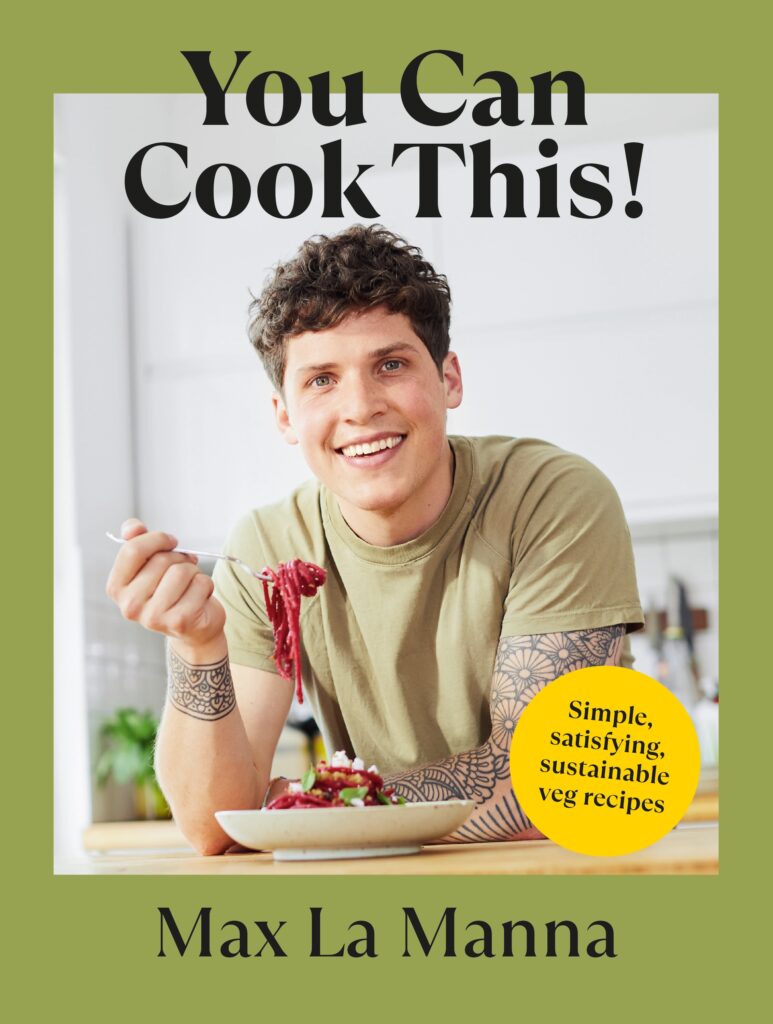
We are delighted to announce our next Cookbook Club collaboration in partnership with Penguin Books is with the incredibly talented Max La Manna.
Max is a low-waste chef and digital creator who has an audience of over 1.2 million followers across his social media platforms. Known to create simple and affordable dishes, Max makes sure to use each ingredient as much as possible. It’s through his life experiences and skills in which allowed him to create viral recipe videos which have now added up to over 1 billion views!
It is through his passion of plant-based cookery which led to the release of his highly anticipated second cookbook, ‘You Can Cook This!’.
The book is all about more taste and less food waste, including over 100 no-fuss recipes that celebrate simple food with big flavour to keep things quick and easy. Covering inspirations for weeknight dinners and comforting one-pots to sweet treats and crowd-pleasing dishes, Max shows readers how to create delicious, veg-packed recipes with easy-to-follow methods.
Championing dishes with affordable ingredients is at the heart of Max, which is why he wants his readers to incorporate more veg into their lifestyle and be less wasteful in doing so!
In Conversation with Max La Manna
We managed to catch up with Max (when he wasn’t cooking up a storm in the kitchen!), and discussed the inspirations behind his new cookbook. We also got to understand what made him switch to a plant-based lifestyle and getting to know ways in which we can reduce our food waste.
Max, we’re super excited for the release of your newest cookbook, ‘You Can Cook This!’. Could you tell us the inspiration behind creating this book?
For two years I asked my online community which foods they were throwing away and wasting the most. I received around 50,000 responses and discovered that there are roughly 15 ingredients that are commonly thrown away in every household around the world. This was the beginning and the moment I realised that there this could be my next cookbook.
Within your cookbook you embrace the power of plants, what made you switch to a plant-based lifestyle?
Everyone is welcome to my table and I try to make that come through in my cookbooks – it doesn’t matter if your vegan or not, my food is for everyone. I went plant-based for the first time in 2012 for 6 months then went back to eating “everything”. It took me a few years, but I realised that I felt better physically and mentally overall so I went plant-based for the second time in 2016. I enjoy cooking with plants and seeing my friends and family enjoy the food I make with plants.
Top tips for people trying to adopt a more plant-based diet?
Put more plants on your plate.
Choose one meal a day or one day a week that will be entirely plant-based.
Try new recipes and get curious.
You have so many delicious recipes in your new book, come on, you must have a favourite you like to make?
This is a tough one because there’s about 20 dishes I have in rotation from the book, but the one dish I tend to make on repeat is my Sticky, Spicy Ginger and Garlic Tofu Noodles. Imagine crispy crumbled tofu with a sweet and spicy ginger and garlic sauce poured over some warm noodles. I tend to add a few random streamed veg – whatever is at the bottom of my fridge drawer. This I have at least twice a week!
National Stop Food Waste Day is on the 26th April this year, what is one vegetable that most people tend to waste?
From my research over the two years, households are wasting almost everything they bring into their homes. The number one ingredient that is often wasted is bagged salad. As a country, we throw away over 1 million bags of salad every day. To help our readers waste less bagged salad, I like to wash it in cold water as soon as I get home, pat dry and then divide the leaves in half. Half will be stored in an airtight container with a paper or tea towel. The other half with be blanched then squeezed dried and kept in the freezer for stews, stir-fries, soups and curries. This is a sneak peak into what you may find in You Can Cook This!
Could you tell us a few ways in which people can try and reduce our food waste?
Cook the food you already have!
Create a list before shopping – and stick to that list!
Store your leftovers in the freezer to enjoy later in the week or months ahead.
Donate food to charities.
Compost food scraps – if you don’t have a compost, contact your local council or MP and request a food waste recycling bin and programme.
What is a normal day in the life for you Max?
Every day is slightly different for me which keeps me on my toes. I normally check in with my team to see what projects we have and how I can help them achieve our goals. I can be recipe developing or filming a recipe video. I can recording a podcast or in the kitchen preparing my next supper club dinner. What I love most is that I can connect with people from all around the world and share tasting, delicious recipes with them. It fills my heart when I see people across the globe and from the around the corner make my dishes!
Name 3 things in your kitchen you can’t live without?
Crunchy peanut butter
Frozen blueberries
Lemons and limes
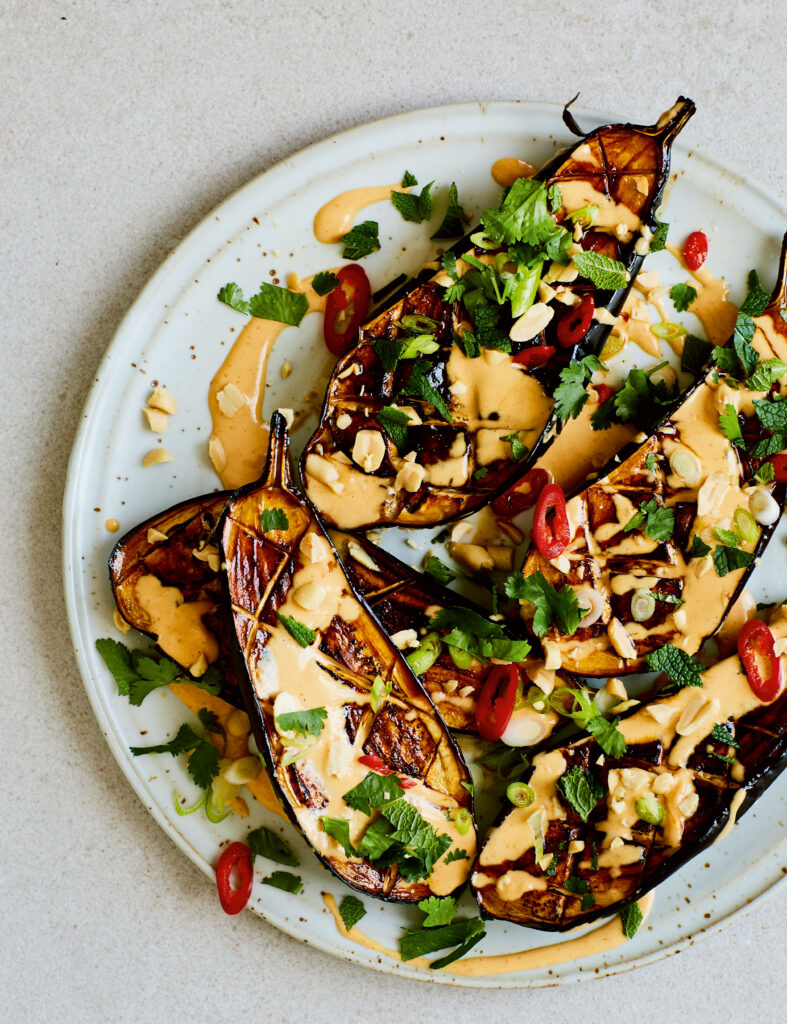
Sticky Aubergine and Peanut Salad
Delicious! This is one of Max’s all-time favourite ways to cook aubergine. His main tip for cooking this dish is to grill the aubergine without any oil so you can get a really intense, smoky, charred flavour. The veg is then coated in a delightfully sweet, sticky maple-Sriracha glaze. Topped with a zesty peanut butter dressing, fresh herbs and of course peanuts, this dish is full of flavour! You can serve this with brown or white rice as a main dish.
Ingredients:
2 aubergines
2 tbsp soy sauce or tamari
2 tbsp maple syrup
1 tbsp Sriracha
2 tbsp sesame oil
For the sweet and spicy peanut sauce:
2 tbsp peanut butter, either smooth or crunchy
1 tbsp Sriracha
Zest and juice of 1-2 limes
1 tbsp maple syrup
To Serve:
50g peanut, roughly chopped
4 tbsp chopped fresh coriander
4 tbsp chopped fresh mint
3 spring onions
1 red chilli, thinly sliced
A pinch of Maldon Salt
Method:
Preheat the grill as high as it will go.
Slice the aubergines in half lengthways and use a knife to cross hatch the flesh. Grill in a roasting tin for 10 minutes or until charred.
Once the aubergine is grilled, remove from the oven and turn the oven to 220˚C/200˚C fan/gas 7.
Meanwhile, whisk together the soy, maple syrup, sriracha and sesame oil. Place the charred aubergine on a baking sheet lined with baking parchment and drizzle with the marinade.
Cover with foil and roast for 20 minutes. Remove the foil cover and spoon any glaze in the tray over the aubergine, then roast for a further 8–10 minutes, uncovered, until very soft and sticky.
Whisk the ingredients for the sweet and spicy peanut sauce with enough water to make it drizzle-like consistency.
Once the aubergines are cooked, place on a large platter and drizzle with the sauce. and a pinch of Maldon Salt. Scatter over the peanuts, coriander, mint, spring onions and red chilli.
Want To Create a Recipe From This Book?!
You can find where to purchase Max’s cookbook here and start creating a bountiful of easy yet deliciously good recipes for yourself and your family!
Make sure you have your Maldon Salt ready for these recipes! If you are running out, please feel free to browse on our Where to Buy Page to find your nearest store in which stocks our beloved Maldon Salt.
Lastly, we LOVE seeing your creations – please tag us on Instagram using the #maldonsalt so we can share your own take on Max’s recipes!
Honest Toil is a small project run by Tom and Juli, who are based in the south of Kyparissia, which is on the west coast of Peloponnese in Greece. The reason we love Honest Toil is because their oil is completely unblended and unfiltered, made purely from cold-pressing raw Koroneiki olives which results in a deliciously vibrant olive oil.
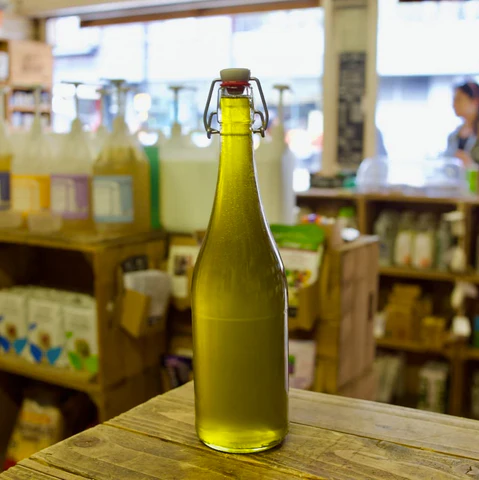
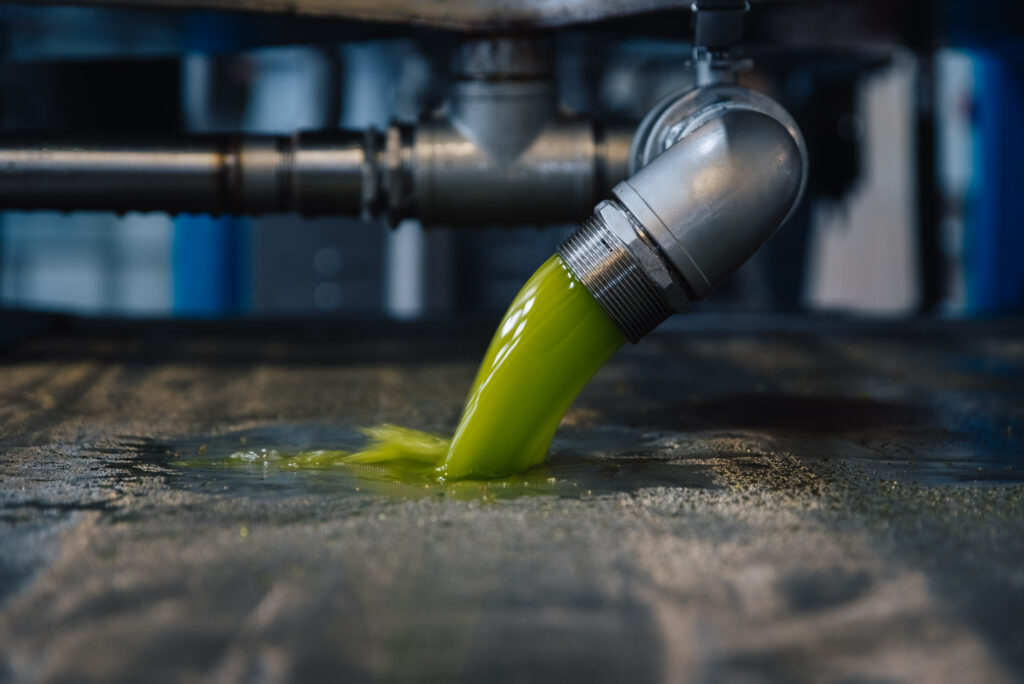
As the olive oil is unfiltered, it contains the sediment from both the olive’s skin and pips, leading to the brand’s iconic green opaqueness with a gorgeously thick texture!
Honest Toil’s whole ethos is based upon direct cooperation with small-scale farmers and working with small businesses, from the delivery to the distribution of their oil.
The Process
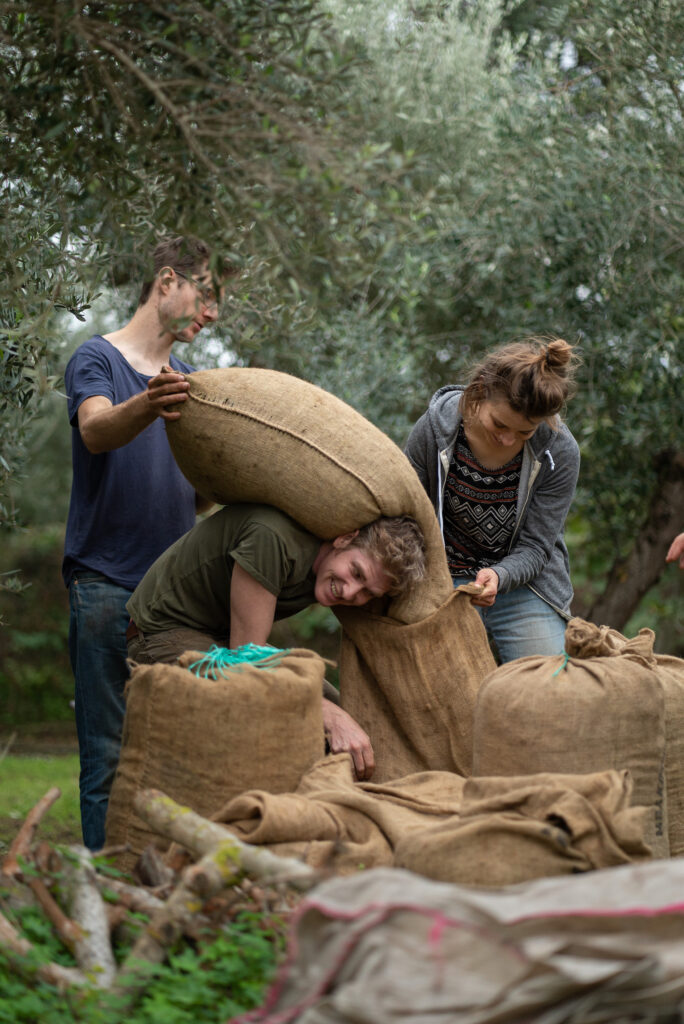
Being a small-batch production, Tom and his family look after four small olive groves, harvesting them with the support of local farmers, family and friends every year.
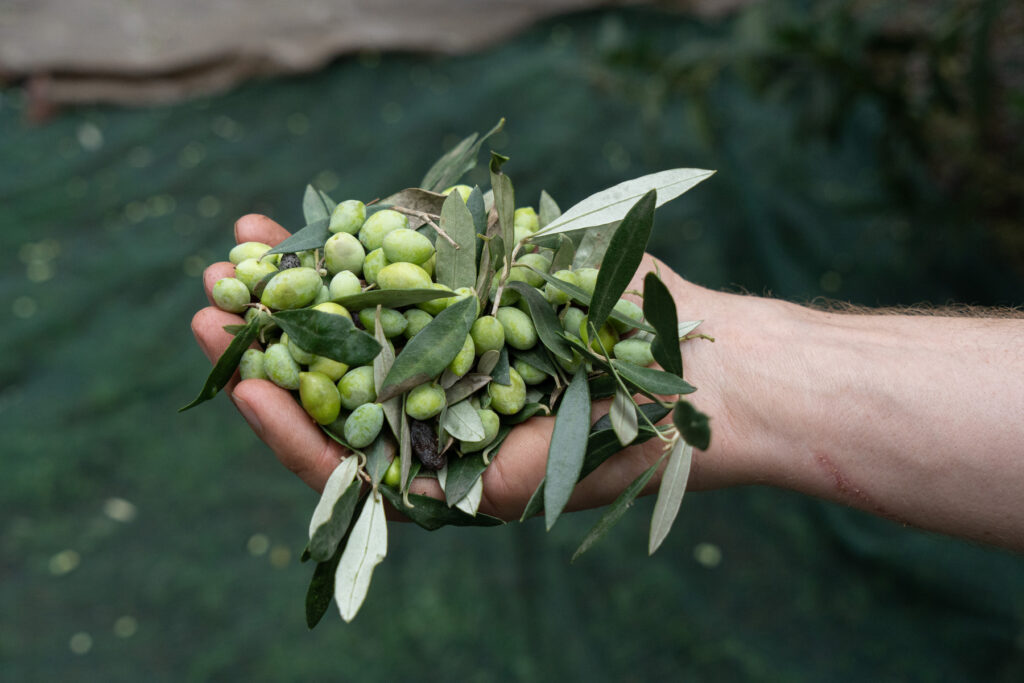
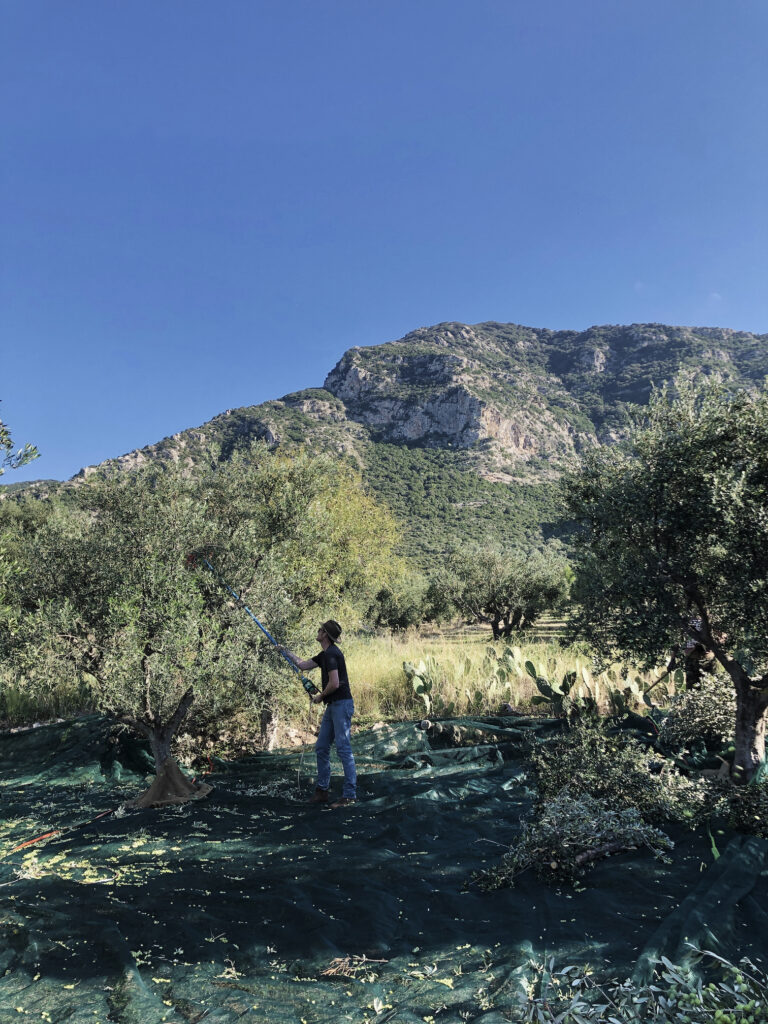
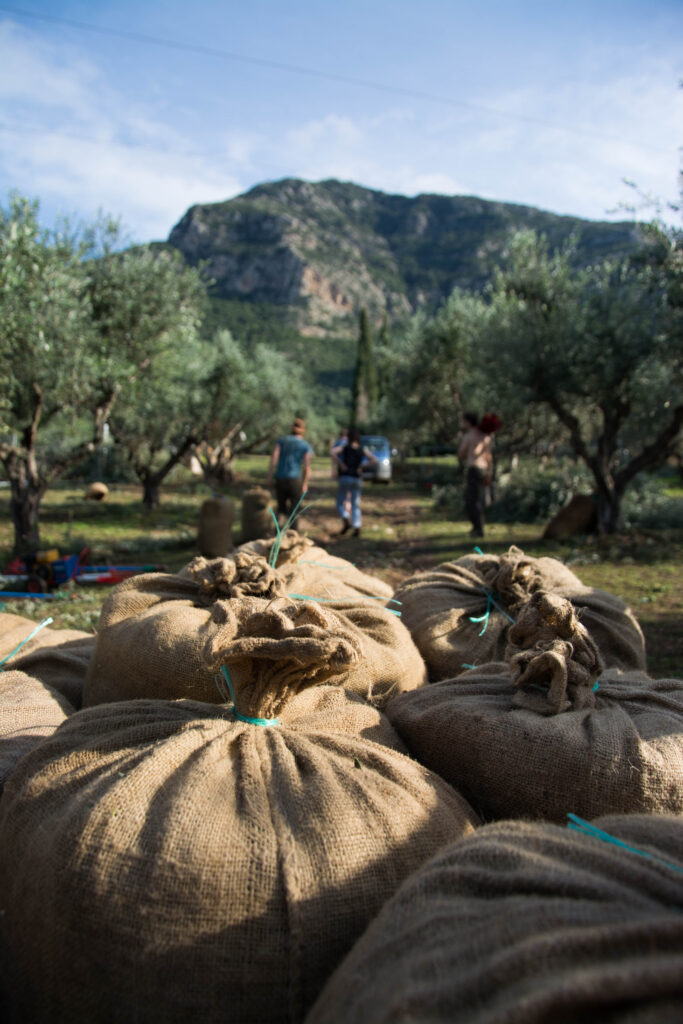
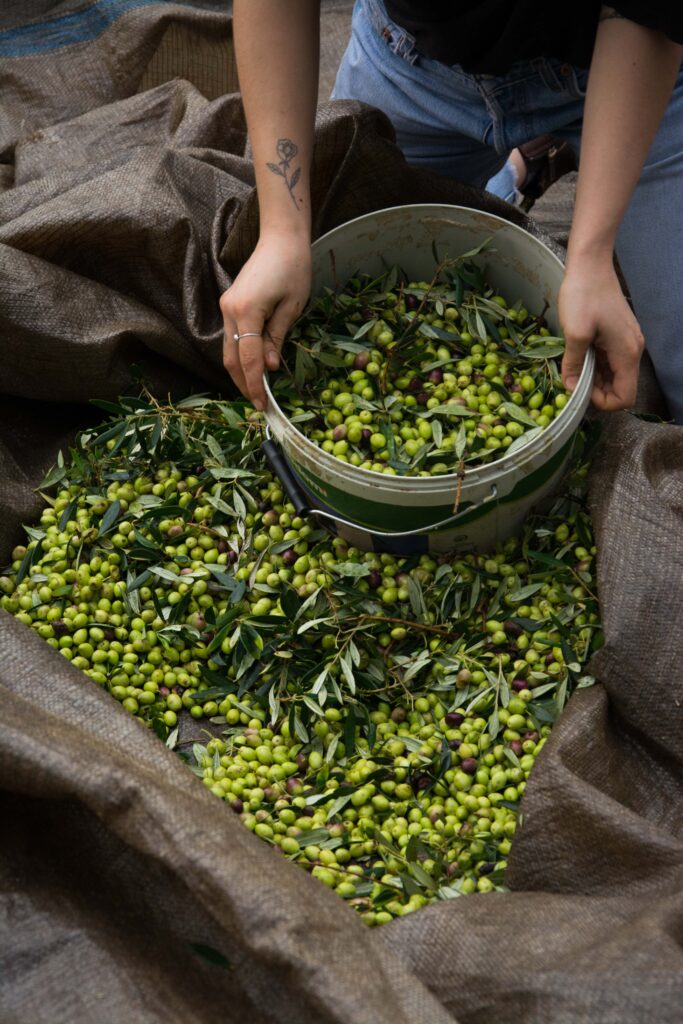
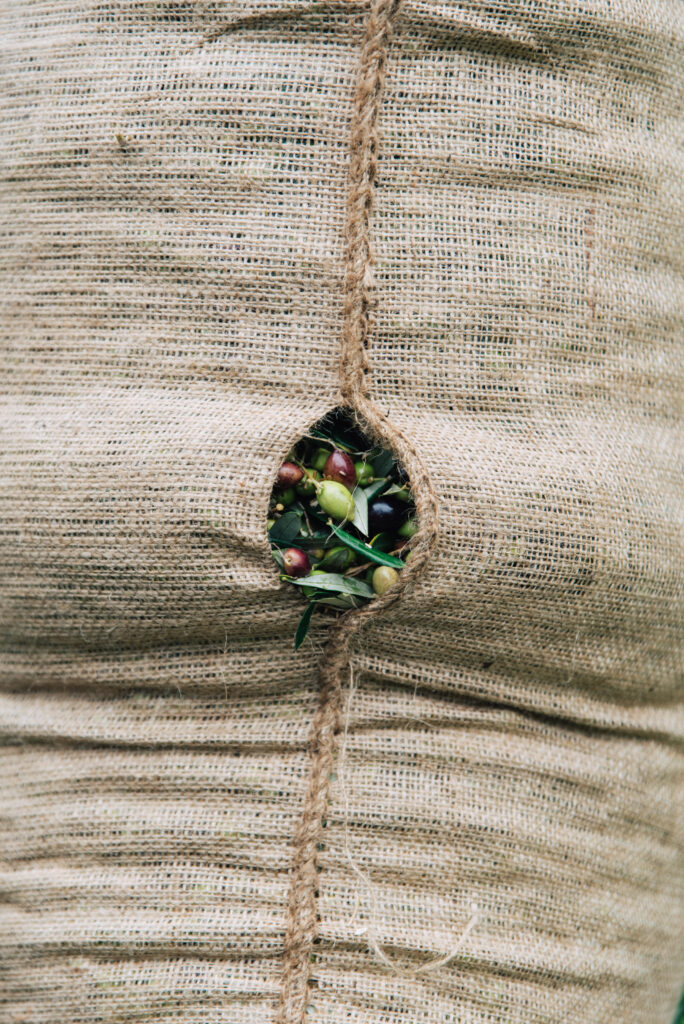
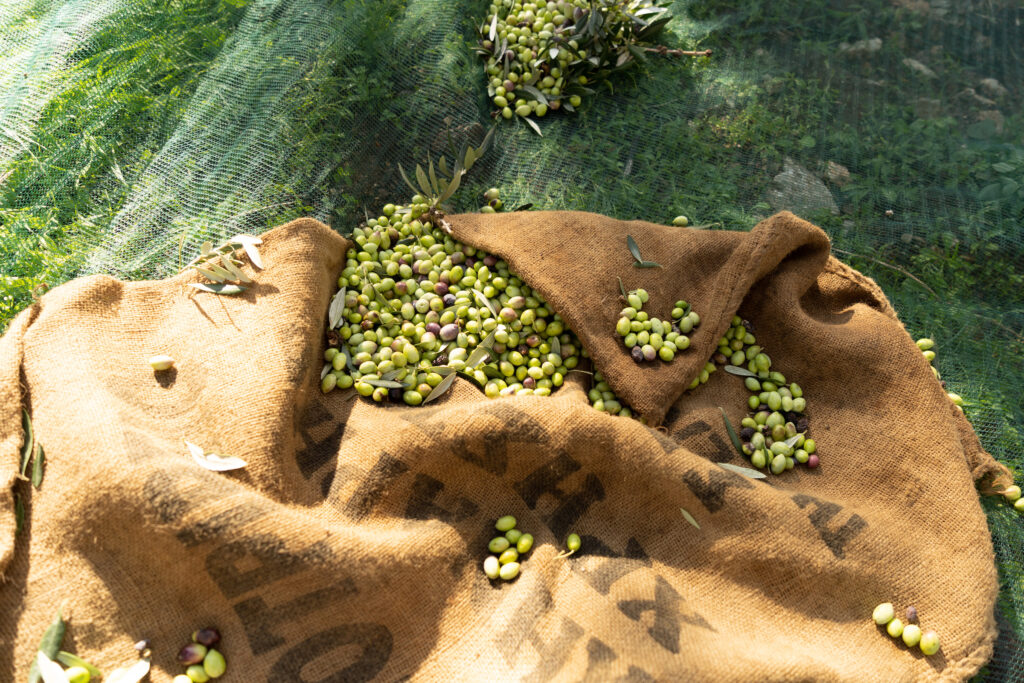
They harvest the olives with traditional, low-impact methods using sticks with ‘propeller-like’ endings to remove the olives gently from the branches. The olives are then gathered into sacks and taken to the local village to be pressed.
Everything is pressed the same day it’s picked, allowing the oil to have an acidity between 0.2 – 0.3% – which is really impressive! The level of acidity in an oil is an indicator of how many beneficial qualities are left within the product. Therefore, the lower the acidity in an oil, the lower the oxidation…which means the oil contains a higher nutritional quality!
As both Tom and Juli have direct control over the process, they always have fresh olive oil available by January each year to purchase!
Supporting and Sustainability
Due to the team being so hands-on, sustainability is one the main cores for the business. For example, the olives are from small family farms, which are then hand-harvested using traditional methods that have been passed down for generations. This allows them to not cause any stress to the olive trees whilst also not disrupting the local wildlife to the area.
Additionally, the olives are pressed in family-owned village presses, where the oil is then packed locally. This way, the team can guarantee an income for the locals, from olive picking to the pressing of the oil, supporting the area economically.
Honest Toil like to sell their oil in bulk or in refillable containers to ensure there is less waste as possible. They also deliver in Budapest and Berlin by cargo bikes, which is believed to save around 5 tons of carbon emissions when replacing a diesel vehicle!
World Earth Day and Honest Toil
It is through actions like this in which supports World Earth Day. Celebrated on the 22nd April each year, this annual event is to demonstrate the support for environmental protection.
With Honest Toil, it was their aim from the very beginning to ensure that there is small carbon footprint, from the making of the oil to ending up on your kitchen table.
They encourage people to reuse their bottles, whilst prompting them to purchase the oil in either 3l or 5l cans – which significantly reduces the amount of packaging being used.
Within the UK, they are also supplying packaging free/zero waste shops since 2012. From this movement, they were able to team up with SESI Refill to create a circular refill system in which SESI deliver, collect and clear out 20l tubs and refilled with Honest Toil’s extra virgin olive oil.
Q&A with Honest Toil
We were lucky enough to sit down with Tom and discuss all things olive oil, from understanding the inspiration behind the brand, to learning how the project connects with the locals and families within the area.
Tom, we absolutely adore your extra virgin olive oil! Tell us, where did the inspiration to create your own extra virgin olive oil come from?
It was pure serendipity. We really never set out to start another olive oil ‘brand’ or even had any intention of starting a business… but after travelling a lot around the Peloponnese and taking part in olive picking here and there, it seemed quite obvious to share the fruits of our toil with friends and family further afield! We ended up moving to the Peloponnese 14 years ago and happened upon a little olive grove. When harvest time rolled around, we asked for guidance from our neighbours in the village. I still remember the sensation of tasting our own cold-pressed, extra virgin olive oil for the first time. We’ve been chasing that same flavour ever since, it became that characteristic “Honest Toil” taste that people love so much: fresh and green with a grassy, peppery bite.
The colour is so vivid and bright! How is Honest Toil different to other olive oils?
Honest Toil is completely unadulterated. Unlike many mass-produced oils, it isn’t mixed with the previous year’s harvest or olive oils from other varieties or areas. It’s a homage to the koroneiki olive as well as the traditional growing and harvesting practices of the Western Peloponnese… it’s so far from the industrial methods of a lot of olive growing regions as everything is picked by hand. The olives are pressed the same day to preserve their freshness. During the pressing process, the temperature is strictly kept under 27 degrees so all the necessities for the much-coveted high Polyphenol content! The end result is a green, vivid, thick liquid that we don’t put through any further chemical or physical filters: this means that some residue of the olive’s skin and pips can be found in the final product, accounting for the characteristic unfiltered texture of Honest Toil… it’s really something special.
In the harvesting process, connecting with the locals and families is very important to you, why is this?
In the beginning, the oil from our groves was enough for Honest Toil, but as more people were wooed by the unique flavour we brought to the table, we realised that our production was not going to be sufficient. After some deliberation, instead of taking a loan to buy more land and expanding, we decided to cooperate directly with other local producers who already grow the same koroneiki variety and harvest their trees with the same traditional methods. This way, we guarantee an income for our neighbours, support local livelihoods, and make sure that the high-quality olive oil from these groves ends up directly in your kitchen instead of being bought up at rock bottom prices and mixed in with inferior oils by large-scale corporations.
It’s World Earth Day on April 22nd, are there any ways in which you are helping the planet?
We believe in locality, seasonality, and small-scale cooperation. Our work is so determined by the natural yearly cycle of the olive tree. This involves an element of unpredictability as to when we can actually pack the fresh harvest oil, but it also means we can respect the land, the weather, and the crop instead of working to unnatural schedules set by market demand.
In terms of locality, Honest Toil comes from a very specific small area (the villages around Kyparissia), so unlike its mass-produced counterparts, it never travels thousands of miles to get blended in with oils from elsewhere, eventually losing its provenance and personality.
We’re a really small-scale operation, not only in terms of locality, but also in terms of the scale of our business. This way we can have full control over the whole process from tree to table, and we are fully accountable for the quality as well as the sustainability of our product.
You must be busy running this project! What does a normal day in the life look like for you?
It depends on whether you catch us during the harvest season (October-December) or the rest of the year. Harvest season is always super busy for us, as it involves both aspects of Honest Toil: you might find me stuck in front of a laptop doing calculations or customs declarations, but it’s just as likely that I’ll be out in the field in muddy wellies picking olives, or down the village press glugging fresh oil with press masters Alexander and Sakis. The rest of the year is more chilled out and we are freer to travel around as olive trees are not that labour-intensive in the spring and summer. We travel a lot with the oil, connecting the Peloponnese with Budapest, where Juli is from, and England, where I’m from, as well as Berlin, where we also sell the oil.
What is your favourite dish to make using Honest Toil?
It has to be the Greek vegetarian dish called briam (μπριάμ), which is basically a bunch of the best Greek summer vegetables (aubergines, courgettes, tomatoes, potatoes, onions) soaked in loads of extra virgin olive oil, fresh tomato sauce, oregano and sea salt, slow-roasted in the oven with heaps of feta cheese on top, served with home-made bread. An ultimate people-pleaser! My Dad likes to make it for us every time we come back to Greece after a long time abroad; it really is the taste of home.
Name 3 things in the kitchen you can’t live without!
I’m not gonna mention the obvious extra virgin olive oil and good quality sea salt 😉 so it has to be: a big bunch of dried oregano from the λαΐκή (local market), feta cheese, and fresh tomatoes in the summer or sun-dried tomatoes in the winter.
A ‘delicious’ ending to the story…
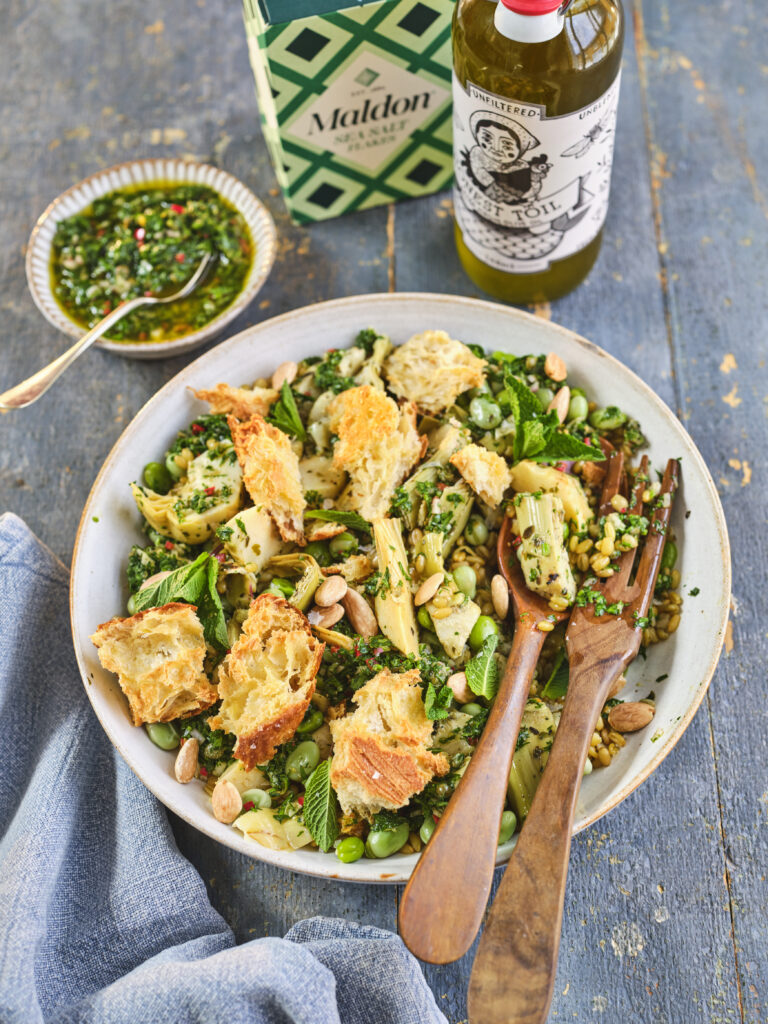
You must be hungry! We created a gorgeouspanzanella salad using Honest Toil’s olive oil, where we generously grilled artichokes to go on top with a gorgeous salsa verde to use as a dressing.
Looking to purchase a bottle of Honest Toil’s finest extra virgin olive oil? Click here to be directed to their main shop and add a bottle to your cart!
Make sure you have your Maldon Salt ready for this recipe! If you are running out, please feel free to browse on our Where to Buy Page to find your nearest store in which stocks our beloved Maldon Salt.
Lastly, we LOVE seeing your creations – please tag us on Instagram using the #maldonsalt so we can share your own culinary creations.
We’ve teamed up with Honest Toil to create a delicious panzanella salad, made with grilled artichoke, crispy croutons and toasted Marcona almonds to give a hearty bite.
A panzanella is known for being a chopped Tuscan and Umbrian salad, where bread, onions and tomatoes are used as the main components for the dish. However, we add a little bit of ‘Greek’ to the dish with the addition of Honest Toil’s Extra Virgin Olive Oil as the dressing for this recipe.
Honest Toil’s oil is pressed solely from their koroneiki olives, based just south of Kyparissia on the west coast of the Peloponnese, in Greece. It gives a beautiful, fresh flavour from being unblended and properly cold-pressed – causing it to be as pure as it gets!
We incorporate the flavoursome olive oil by not only drizzling it into the salad, but by creating a mouthwateringly good salsa verde! Adding herbs of parsley, basil and mint, we build the dressing with a variety of capers, cornichons and anchovy filet to give a gentle ‘umami’ kick to the dressing.
Start by making the salsa verde. Combine the finely chopped garlic, fresh herbs, capers, anchovy, cornichon, and red chilli. Stir in the Dijon mustard, red wine vinegar and Honest Toil olive oil until you can a nice consistency – you may need to add a little more vinegar or olive oil. Add Maldon Salt and cracked black pepper and then taste and check the seasoning.
Set aside.
Preheat the oven to 180C.
To make the ciabatta croutons, tear the ciabatta bread into bite size pieces. Place onto a baking tray and drizzle with the Honest Toil olive oil. Season with Maldon Salt and some black pepper and then toss well with your hands making sure the bread is evenly coated.
Place into the preheated oven for 8 minutes, checking them halfway through, until they are golden and toasted.
Remove from the oven and set aside.
To assemble the salad, pile the freekeh onto a platter and toss with the chargrilled artichoke pieces. Then scatter over the broad beans and toasted almonds.
Drizzle across the salsa verde and finally finish with the toasted ciabatta croutons and some fresh mint leaves.
We are delighted to announce our collaboration with the very talented Jesse Jenkins. Known to many as A.D.I.P (Another Day in Paradise), Jesse has taken over the London food scene recently with his highly creative, cinematic cooking videos.
Across the months of April and May 2023, we will be making a series of video-style recipes which surround the themes of producing midweek recipes to be enjoyed amongst family and friends. Maldon Salt is used in each and every one of these dishes to elevate even the simplest form of ingredients, where these recipes can be easily recreated in the comfort of your own home.
Starting the series off, we introduce A.D.I.P’ Dinner Party inspired recipe, which is a delicious Roast Chicken and Potatoes.
This recipe is all about seasoning…which is what Maldon certainly knows a thing or two about! You should season the chicken all over, from top to bottom – to even the inside cavity! This is because salt will change the structure of the chicken’s muscle proteins so that the juices are retained. When Maldon is added onto the chicken, juices from the inside of the meat are drawn to the surface, causing the protein to become beautifully succulent once roasted in the oven.
Method
Cover the chicken in olive oil, making sure to get it everywhere. Season with a generous pinch of Maldon Salt – a little salt on the top, bottom and inside the cavity. Leave it to rest in the fridge uncovered for a minimum of two hours. You can leave it overnight.
Slice the potatoes in to 2cm discs and leave to soak in cold water until your chicken is ready to roast. Rinse and coat with a few tbsp of olive oil, a pinch of Maldon salt, some black pepper, and fresh rosemary. Place them in a sheet tray with the chicken on top / ideally on a wire rack. Add the lemon half and rosemary sprigs to the cavity of the chicken.
Roast at 100c for 1hour. Turn the heat up to 250c for 30 minutes or until the chicken reaches 160c internally and is golden brown all over. Jesse removes the chicken to rest and return the potatoes to the oven for 10 more minutes or until the entire tray has good colour.
For the mayonnaise – whisk the egg yolk and Dijon until combined. Continue whisking and slowly adding oil. When it starts to become thick, add a little lemon and continue adding oil. Then add the vinegar, alternating until you reach your desired consistency. There is almost no end to how much oil you can get in to a mayonnaise if you keep adding, lemon, vinegar, or water – so stop when you like the taste and texture. Add a pinch of Maldon Salt and some grated garlic.
Serve with a simple salad and enjoy.
Looking for a spicy, flavoursome side dish to jazz-up your dinner this week? Try our lip-smackingly good Bang-Bang Cauliflower! It’s quick, easy and packs a punch of flavour from the spices of smoked paprika and cayenne pepper. We also sweeten the dish through the use of runny honey and lime juice to give a zesty kick.
Why is it called ‘Bang-Bang’? It is actually derived from the Chinese cuisine and manner in which meat would be tenderized from using a stick or a hammer, creating a ‘banging’-like motion when hitting against the protein.
Make sure to add a generous sprinkle of Maldon Salt, as the salt will make sure the cauliflower retains its flavour and texture whilst roasting – avoiding a soggy cauli!
Heat the oven to 180C.
Line a large baking tray with paper.
In a large bowl mix together the flour, spices, Smoked Maldon Salt and cracked black pepper. Slowly whisk in the milk until you have a smooth batter.
Add the panko to a shallow bowl. First dip the cauliflower florets in the batter and then coat them in the panko, making sure each piece is well coated, before arranging on the baking tray.
Roast them in the oven for 25 – 30 mins, turning them halfway, until they are crispy and golden.
While they are cooking, add all the ingredients for the sauce in a small pan and gently heat so it is just warm and melted.
When the cauliflower is cooked remove from the oven and then toss in the sticky sauce and sprinkle with sesame seeds, spring onions and serve with lime wedges.
Easter is the time where we come together with friends and family to celebrate the joys of new life and opportunity. It is also a very important festival for Christians, as they begin their celebrations of Jesus’ miracle of death and resurrection.
Like Christmas Day, Easter is also associated with an abundance of delicious, fresh tasting foods and of course showstopping desserts! This article will explore how to create the perfect Easter Lunch for your guests this year and understand the reason behind them.
We then take centre stage as we delve into a succulent, Slow Cooked Lamb Shoulder, accompanied with Hasselback Potatoes. For a vegetarian option, we also showcase our beautifully crispy Vegetable Galette, topped with courgette, asparagus and fresh spring peas.
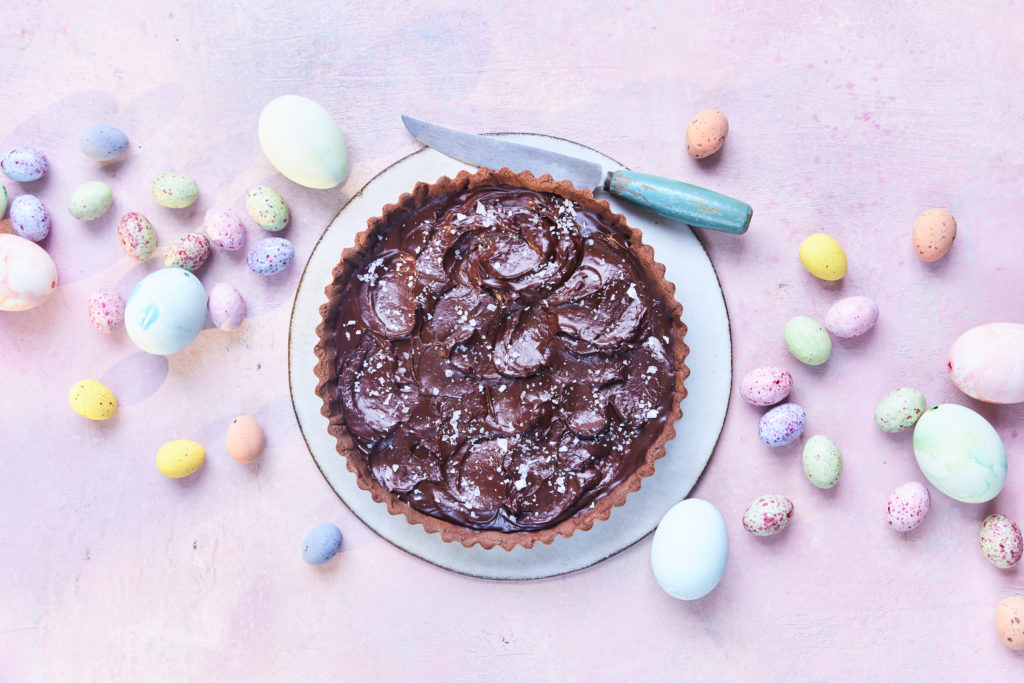
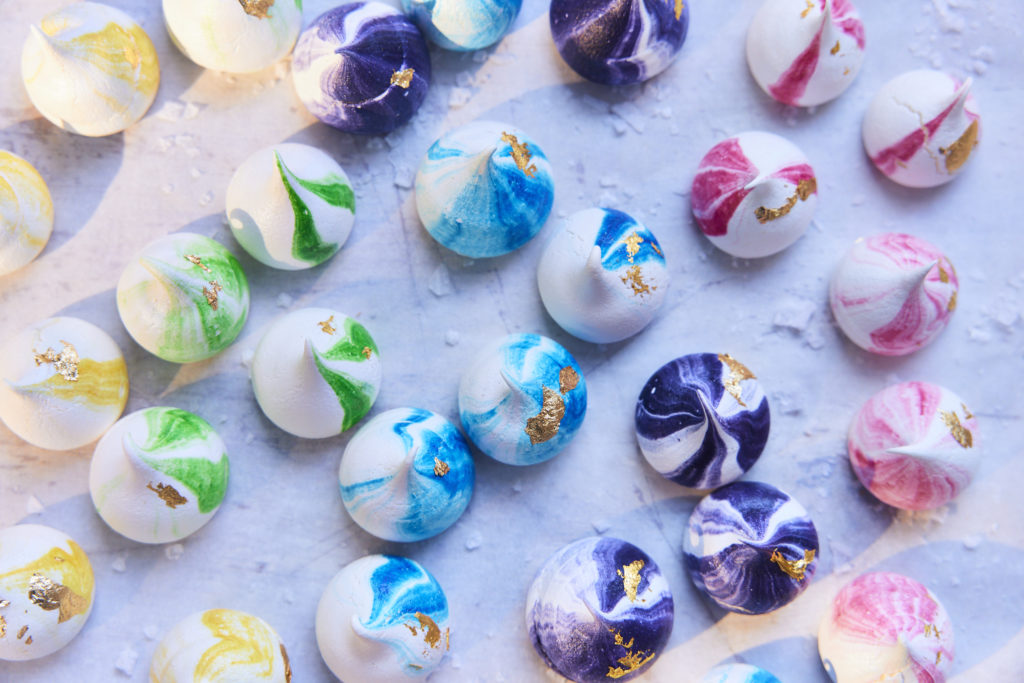
Ending things on a ‘sweeter’ note, we share our decadent Dark Chocolate Torte, topped with Maldon Salt. A luxurious recipe for Coloured Meringue Kisses is also explored within the article, which makes a perfect gift for a loved one this Easter.
But first and foremost, let’s take a look at the classic recipe of them all…the humble Hot Cross Bun!
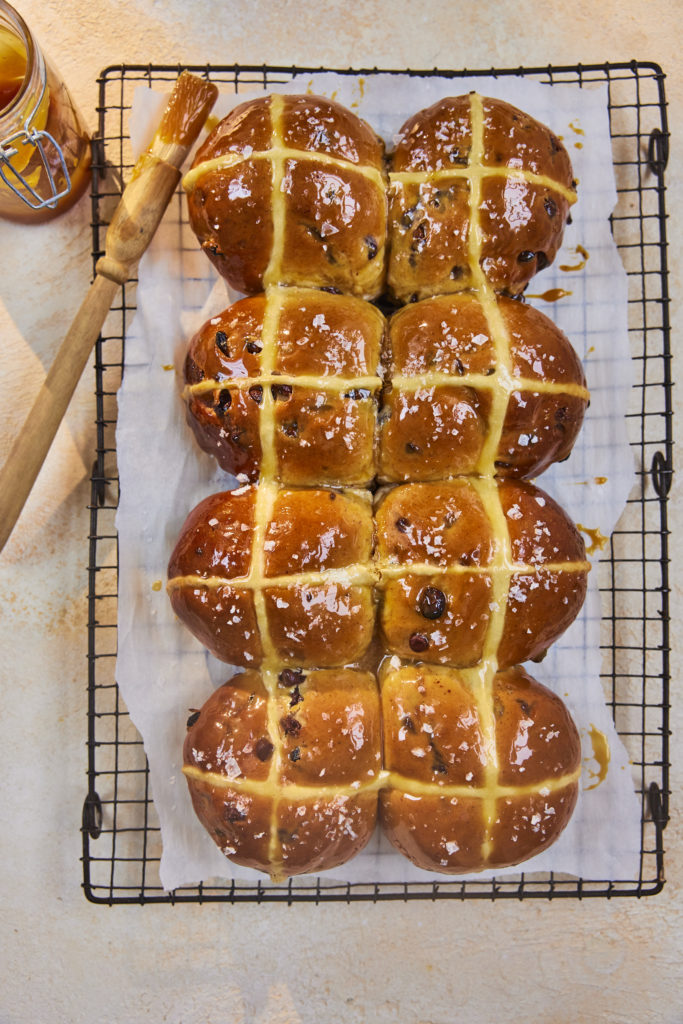
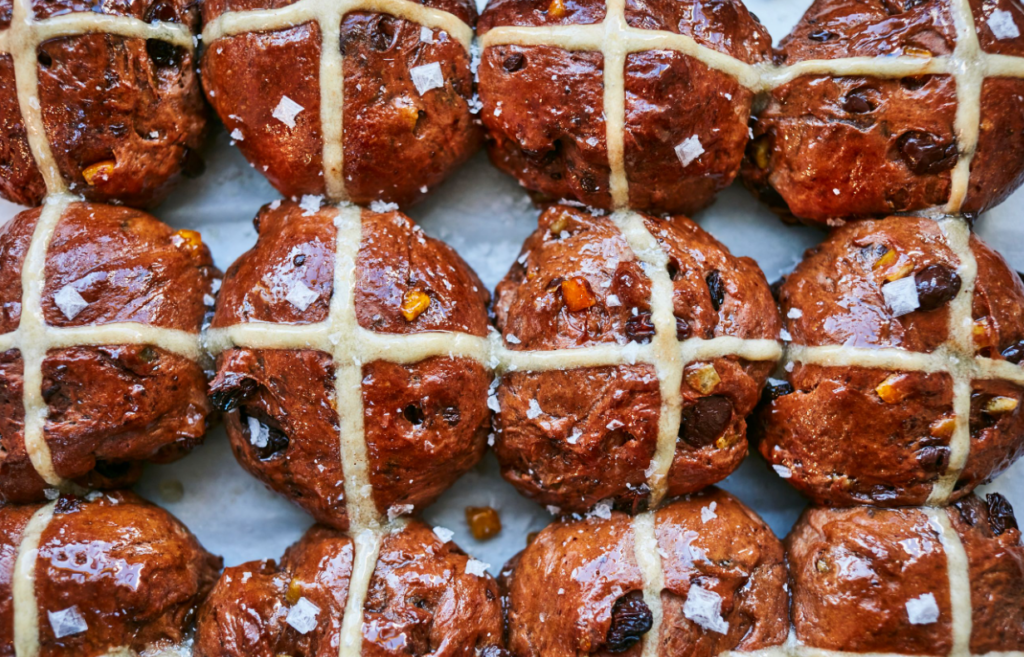
Afternoon Snack, Classic Hot Cross Buns
Not only are hot cross buns rich in flavour, but they also contain a rich history! According to Countryfile, a 14th-century monk know to many as Thomas Rocliffe is credited for making the very first hot cross bun. Although made in it’s simplest form, the baked, sweet bread would have contained the traditional raisins as the main filling.
Hot cross buns are traditionally enjoyed over the Easter holidays due to the religious connotations that the bun holds within itself. The piped dough cross symbolises the crucifix in which Christ died upon. The mixed spices and fruits are used to represent the spices that would have been used to embalm Christ after death.
If you enjoy the traditional things in life, we make the ultimate, classic hot cross bun recipe that is easy to follow with great tasting results. However, if you want to take on the classic with a twist, we offer additional flavours to our buns, including a delicious Salted Caramel Hot Cross Bun with Dark Chocolate. Alternatively, if you want to purely satisfy your chocolate cravings, we also offer a rich, Chocolate Hot Cross Bun recipe that can be enjoyed with a warm drink.
Easter Lunch Starter Recipes
Let’s kickoff your Easter Sunday Lunch with fresh tasting, springtime starters! Seasonal ‘light-bites’ are the perfect way of introducing a season of growth, green and goodness to your dinner guests.
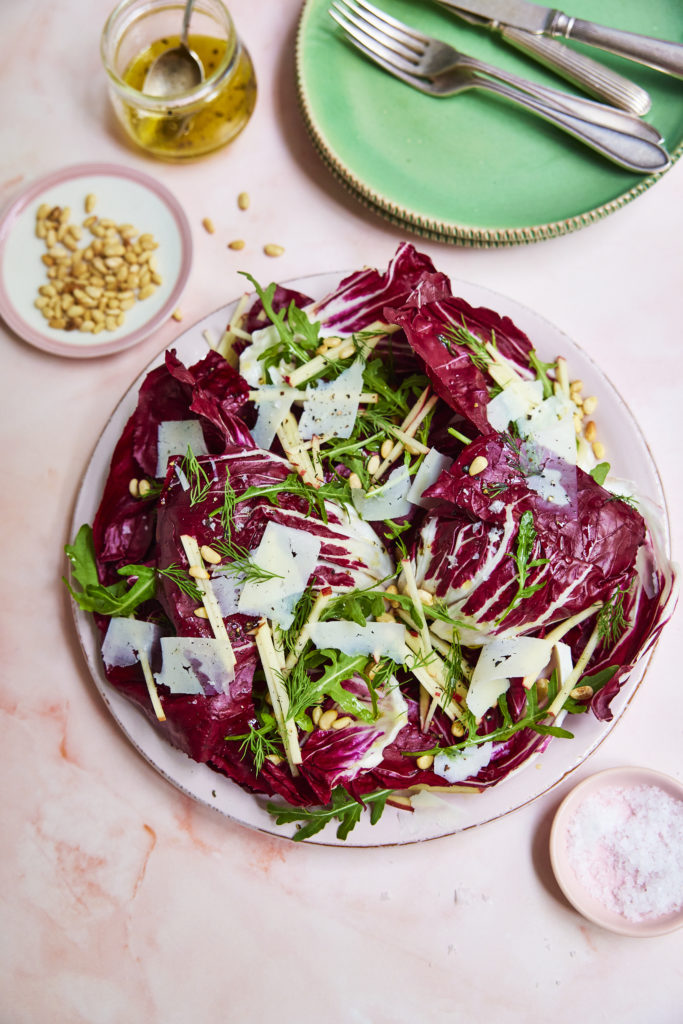
Radicchio Salad
An italian delicacy, the radicchio salad is comprised of the red/burgundy vegetable in which belongs to the chicory family, tracing back to the late 1500s. It is believed to have originated in the Veneto region of northern Italy, in the town of Chioggio.
Radicchio’s flavour profile is slightly bitter in taste, which is why we accompany the slicings of apple to add a gentle sweetness to our Radicchio Salad recipe. With a pinch of Maldon Salt, the sweetness is only elevated higher, whilst counteracting the bitterness from the radicchio and rocket. We also add shavings of pecorino and toasted pine nuts to the salad to give a hidden tang of earthiness to the dish.
The dressing can be whipped up in a matter of minutes, with the use of simple ingredients of lemon juice olive oil, walnut oil, cider vinegar and a final pinch of Maldon for that added crunch and fresh intensity…buon appetito!
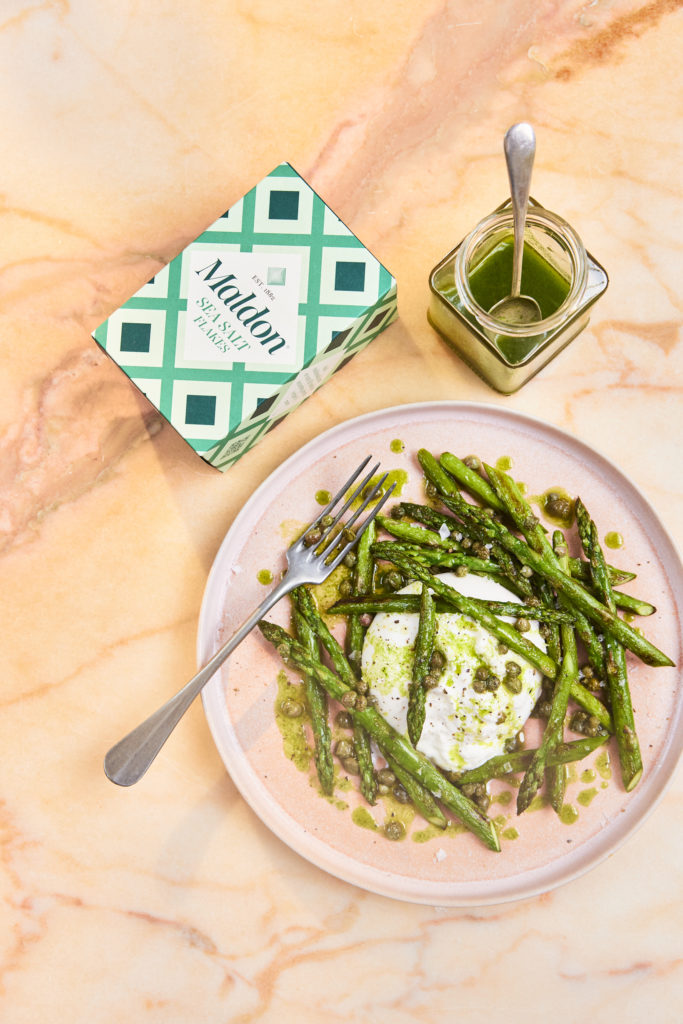
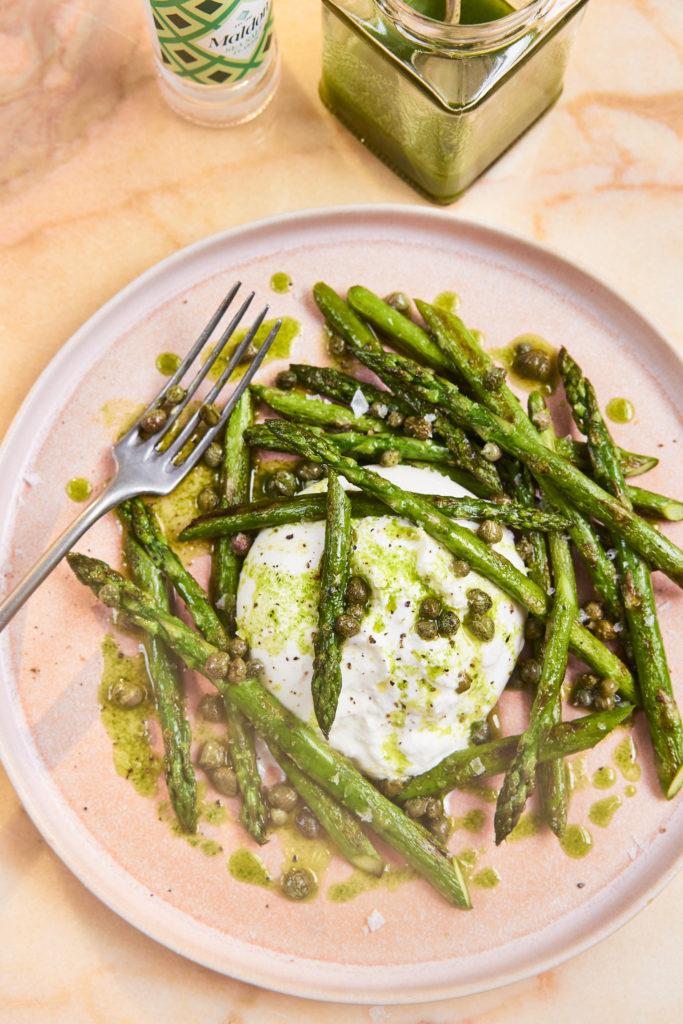
Chargrilled Asparagus with Burrata and Lemon, Caper and Parsley Oil
The infamous burrata cheese is was invented back in the 1950s, credited to Lorenzo Bianchino, who wanted to look for a way in recycling the leftovers of pasta that spun out of the mozzarella processing, which he combined with fresh cream. He created a ‘basket’ with the spun dough, wrapped securely through the use of a bottleneck technique…creating the glorious burrata that we all know and love today.
Burrata is known as a type of cow’s milk mozzarella. The inside of the cheese is called stracciatella cheese, meaning a mixture of cream and mozzarella cut into small pieces.
With this decadent, soft and creamy cheese – the culinary creations are endless! We’ve paired the cheese with gloriously crisp, chargrilled asparagus’ to give not only an earthy, green bite to the dish, but to add a satisfying crunch. With a gorgeous caper and parsley olive oil dressing, the dish is nearly complete once you add a final pinch of Maldon Salt…a clean, fresh saltiness to elevate the dish.
Easter Lunch Main Recipes
Now that you’ve had a ‘taster’ for Spring, let’s move onto the main events, including a classic lamb dish paired with beautifully crisp hasselback potatoes…simply mouthwatering! If you want to opt in for the vegetarian option, we bake a delicious vegetable galette, packed with fresh, spring greens.
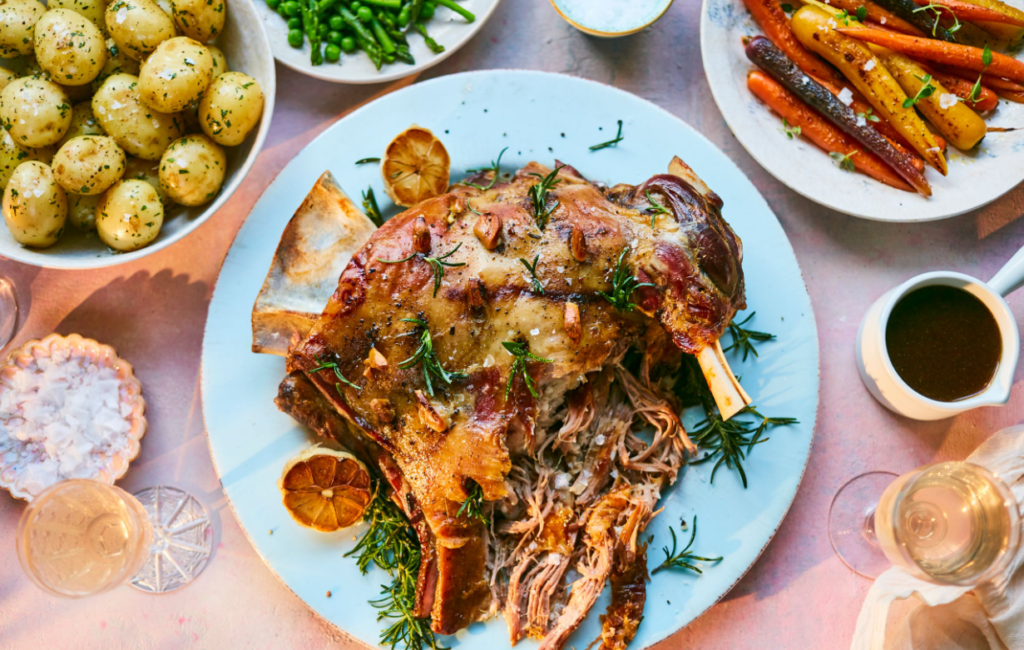
Slow Cooked Lamb Shoulder
Ever wondered why we eat lamb on Easter Sunday? It’s not to do with seasonality, as ewes are not due to give birth for at least another 2 weeks after Easter.
It’s symbolic. For Christians, the lamb is the symbolisation of Jesus sacrificing himself on the cross for humanity, as Christ was commonly known for being ‘the lamb of God’. The sacrificial lamb is also mentioned in the Old Testament, when God had asked Abraham to sacrifice his son.
Our succulent, Slow Cooked Lamb Shoulder is gently laid within a roasting tin, surrounded by the warming flavours of garlic cloves, sprigs of rosemary and Maldon Salt. You should allow the lamb to cook over a 4-5 hour period, where the lamb should be meltingly soft and tender, pulling away from the bone easily. Be sure to use the delicious lamb juices to make up a gravy to serve alongside the lamb!
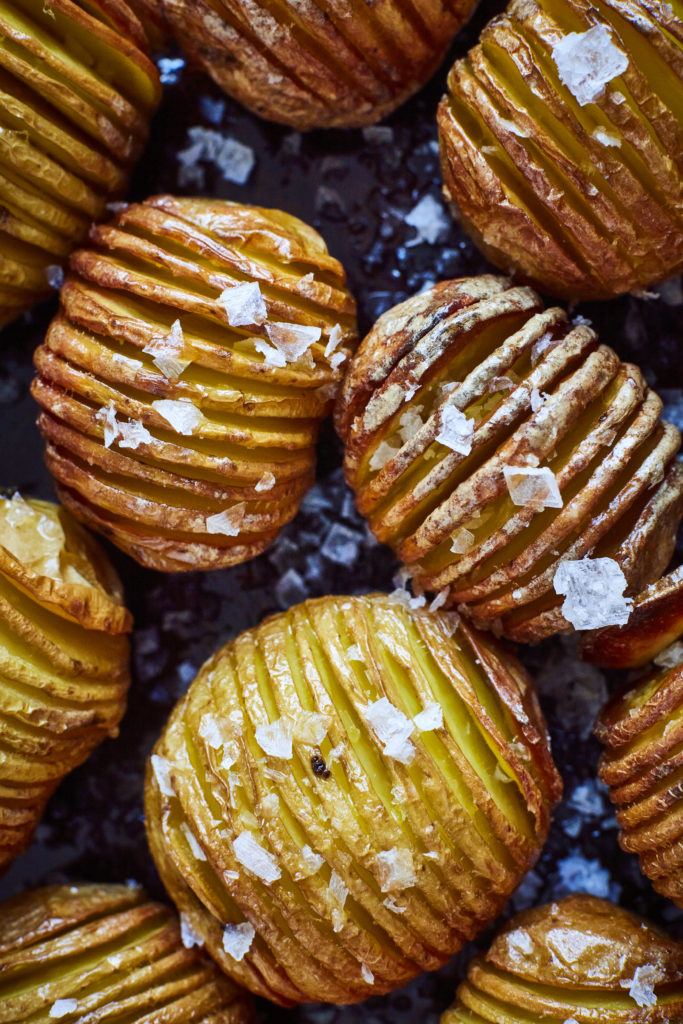
Baked Hasselback Potatoes Recipe
The name ‘Hasselback’ comes from a certain restaurant based in Stockholm, Sweden, named Hasselbacken. The recipe for the potatoes was introduced in the 1940s, where the technique of thinly slicing down the middle of the potato not only looks impressive to do, it is remarkably easy to follow!
Our deliciously golden hasselback potatoes are drizzled with plenty of juicy, garlic butter to create a tasty exterior and a fluffy centre when baked. This is the perfect side dish for the slow cooked lamb shoulder as the potatoes can soak up the leftover juices from the meat. With a good sprinkling of Maldon Salt, the potatoes gain that added layer of crunch as you bite into the dish.
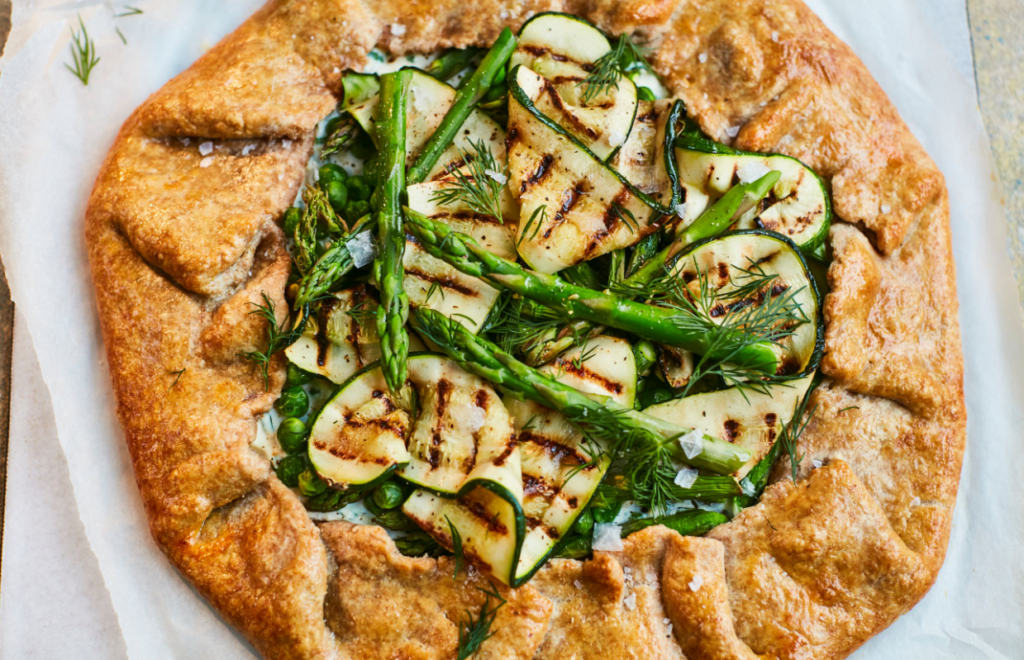
Galette Pastry Recipe
Are you struggling to find an alternative to the classic roast lamb? We serve a deliciously flaky galette, packed with spring greens including courgette, asparagus and fresh peas.
Known to have been originally created back in the 11th century, our Spring Vegetable Galette recipe is easy to follow due to the simplicity in it’s method. This is because a galette is not like a pie where a top crust or crimped edges is required, this pastry dish is free-form! They are baked on a baking sheet, where the edges of the galette are simply folded over the centre, gently exposing the delicious fillings of your choice.
Easter Lunch Dessert Recipes
Let’s end your Easter Sunday lunch with a selection of deliciously sweet desserts! Choose from our decadent Dark Chocolate Torte with Maldon Salt or our luxurious Coloured Meringue Kisses to really impress your guests and end the Easter banquet on a ‘sugar’ high!
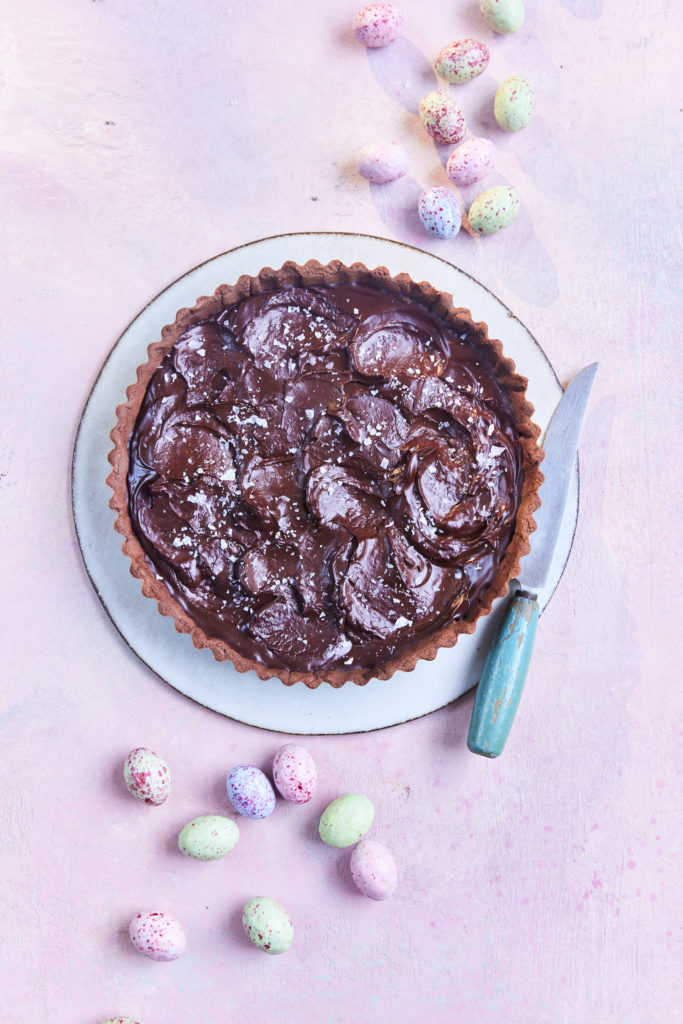
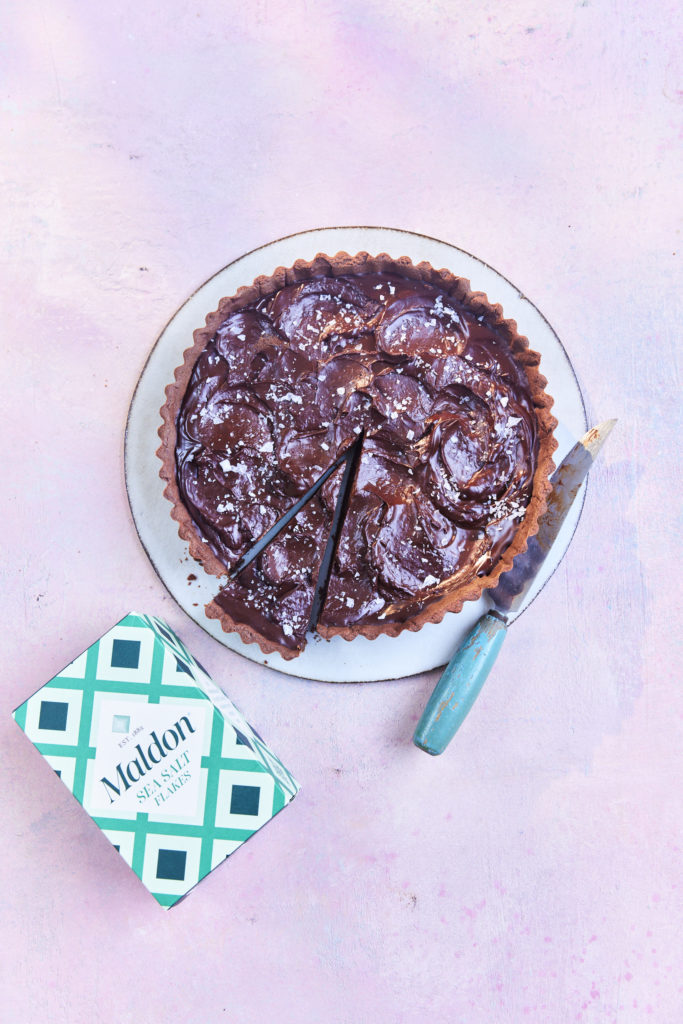
Dark Chocolate Torte with Maldon Salt
Are you chocolate obsessed? This torte will certainly satisfy your cravings!
The roots of the humble ‘torte’ derives from Latin, meaning ‘flat cake’. Originating in Austria, the torte is known to be highly decadent due to it’s rich filling, usually being chocolate!
Our Dark Chocolate Torte is made with a short and buttery dark chocolate pastry and a creamy ganache filling. The sprinkling of Maldon Salt on top of the cake pairs perfectly with the rich, dark chocolate for a sophisticated dessert.
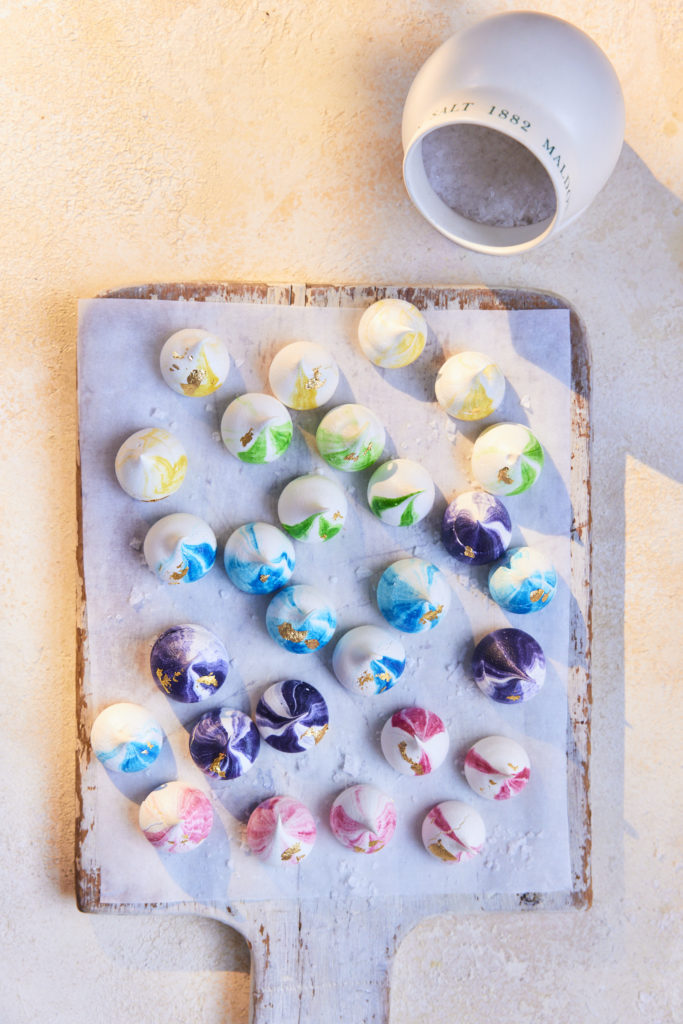
Coloured Meringue Kisses
Did you know the invention of the meringue was invented in 1720 by a Swiss pastry cook named Gasparini. It is from this remarkable invention that causes people to enjoy meringues as small ‘kisses’.
But why are they called ‘kisses’?
It is believed that Queen Elizabeth I was the first to compare the meringue to a kiss, due to it being sweet and light to the touch.
This is why our Coloured Meringue recipe is in the form of kisses, due to being joyfully light, and sweet to the taste!They are easy to store in an airtight container in room temperature – and they make the perfect little snack, or edible treat to decorate cakes.
The Perfect Eater Sunday Lunch
We hope you enjoyed reading this article on how to create a perfect Easter Sunday lunch for your dinner guests.
Make sure you have your Maldon Salt ready for these recipes! If you are running out, please feel free to browse on our Where to Buy Page to find your nearest store in which stocks our beloved Maldon Salt.
Lastly, we LOVE seeing your creations – please tag us on Instagram using the #maldonsalt so we can share your delicious Easter feasts!
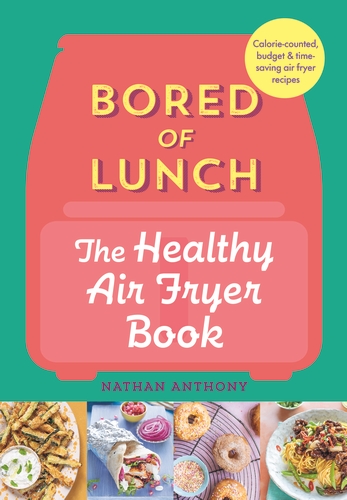
The hugely popular Nathan Anthony has striked again in carrying on the Bored of Lunch series. The Belfast author is a big advocate when it comes to eating healthy and how to become more cost efficient when cooking – which is why he released his first cookbook on the Healthy Slow Cooker, to explore these factors and showcase to readers just how easy it is to create great-tasting recipes from the use of a single kitchen appliance! You can read our review on the Healthy Slow Cooker book here, where we had the chance of sitting down with Nathan and discussing the inspiration behind the book and the energy efficiency of the appliance.
From the tremendous success of his first book, it makes sense that Nathan now wants to channel his second love, the humble air fryer! From reading our blog post on the benefits of air fryer cooking, you will understand that the appliance is becoming the go-to kitchen gadget for making fuss-free meals that equally taste delicious. Being a lower-energy alternative in your household, air fryers can help you dish up your favourite recipes at a lower cost. With using less oil in your cooking as well, this cookbook is great for readers who are wanting to keep a track on the calories they are consuming.
Whether you are new to using an air fryer or already a pro, this book is perfect in making delectable recipes packed FULL of flavour. The book’s chapters include: Starters and Snacks, Speedy Lunches (perfect for when you are on the go!), Fakeaways, Weekday Dinners and Sweet Treats! With every recipe follows a beautiful picture, where fan-favourite recipes of Honey Chilli Beef, Katsu Curry, and Fish Tacos can be enjoyed!
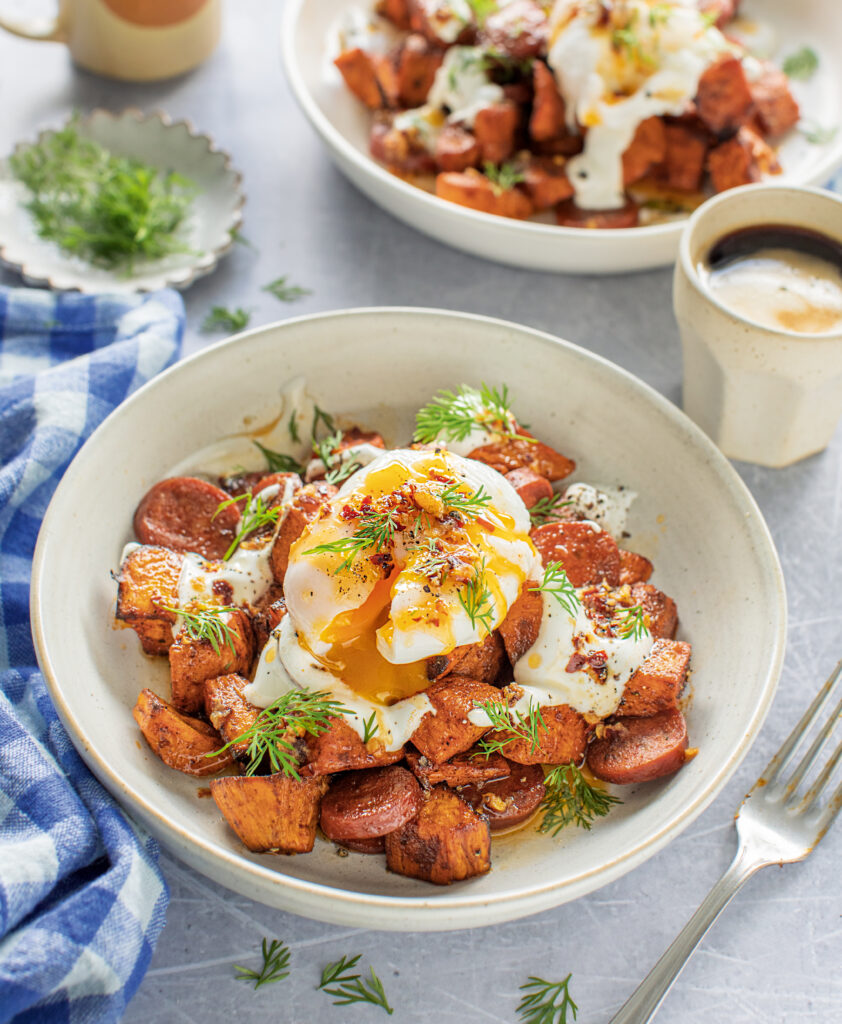
Sweet Potato & Chorizo Hash
While this is a speedy lunch, this recipe is also perfect for breakfast or brunch! It’s really versatile and you can make it more substantial by adding a poached egg or two on top! Add a slice of toasted sourdough bread to really mop up those mouth-watering juices.
In a bowl, combine the sweet potatoes, oil and paprika.
Air-fry the potatoes t 190C for 14-15 minutes, and add the chorizo for the last 2-3 minutes.
While the chorizo is cooking, put the butter, chilli and garlic in a microwavable bowl and microwave for 1 minute until the butter has melted.
Season the yogurt with Maldon Salt and pepper.
Serve the hash drizzled with the yogurt, then top with the melted garlic chilli butter and sprinkle with fresh dill on top.
Want To Create a Recipe From This Book?!
You can find where to purchase Nathan’s cookbook here and start creating a bountiful of easy yet deliciously good recipes for yourself and your family!
Make sure you have your Maldon Salt ready for these recipes! If you are running out, please feel free to browse on our Where to Buy Page to find your nearest store in which stocks our beloved Maldon Salt.
Lastly, we LOVE seeing your creations – please tag us on Instagram using the #maldonsalt so we can share your own take on Nathan’s recipes!
Did you know acai bowls originated in Brazil, where the classic pureed berry dish became globally loved for it’s refreshing smoothie like texture from the blending of the acai berry, causing it to have it’s classic purple-hued colour.
The bowl is then topped with a heap of sliced fruits, nuts and seeds. You can follow our homemade granola recipe to also add as a topped to your bowl, giving it a delectable, crunchy texture.
Place your bowls in the freezer – this will help keep the puree in form without melting.
Add the acai powder, frozen banana, frozen berries, ice cubes and pinch of Maldon Salt into a high powered blender and blend until smooth.
Pour the smoothie into 2 bowls, then top with any of the following toppings you like: sliced kiwi, diced mango, sliced strawberries, blueberries, coconut flakes, granola, chia seeds.
Serve immediately.
Have you ever tried baked ricotta before?! Try our recipe with Bold Bean Co and you will become hooked on the soft creaminess of this traybake, mixed with Queen red beans, beetroot and purple sprouting broccoli to give a nutty, earthiness to the dish. Sprinkle with a final pinch of Maldon Salt to enhance the sweetness of the gently baked ricotta cheese.
Preheat the oven to 220C (200C fan/gas 7).
Tip the red beans, beetroot, thyme, shallots and garlic into a large roasting tin (big enough to fit everything in in a single layer). Mix with the honey with a good pinch of Maldon Salt and olive oil.
Mix well, then put in the oven for 30 minutes.
Toss the broccoli with some olive oil and add to the tray, dotted throughout the beetroot & bean mix.
At the same time, make a space in the centre of the tin, and gently upend the ricotta into it.
Dress it with the olive oil, Maldon Sea Salt, the zest of half a lemon and freshly ground black pepper.
After this, return the tin to the oven for a further 20 minutes, lowering the temperature to 200C (180C fan/gas 6).
When the traybake is cooked, drizzle over the extra-virgin olive oil, the other half of the lemon zest and a squeeze of lemon juice, and scatter on a few more thyme sprigs and a final pinch of Maldon Salt before serving.
This can be made vegetarian or even vegan very easily. Simply substitute the kefir for water or nut milk and leave out the chorizo! These are so satisfying to eat and they keep so well so it is worth making ten of them.
The original filling, Olia’s dad’s favourite, has just the split peas and caramelised onion, but I do love to add the saltiness and spice of chorizo. Olia’s husband is vegetarian though, so she often split the peas and onions in two, and add chorizo to one and leave the other meatless.
To make the dough mix the kefir with yeast, sugar, Maldon Salt and add 350g of the flour, all in one go. Mix this using a spoon. The dough will look quite wet – that’s what you want. Cover it and leave somewhere warm for an hour to rise.
Meanwhile cook the split peas according to instructions. The packet might advise to soak the peas, but I don’t normally bother, the ones I use cook quickly enough. Cook them until they are soft, drain and let them cool.
Heat the oil in a frying pan and add the onions and a generous pinch of Maldon Salt. The salt will make the onions extract liquid and there will less chance for them to burn if you forget about them for a moment. Cook over a medium-low heat for about 15-20 minutes or until they look nice and brown. If the pan becomes dry during cooking, add little spaces of water and deglaze the pan.
Take the onions out and add to the bowl of peas.
Don’t rinse out the pan, add another small drizzle of oil and cook the chorizo for 3 minutes or until just cooked. Scrape the chorizo and the flavoursome oil into the peas and onions.
When the dough doubles in size, flour the surface really well and pour the dough out onto the surface. Then keep sprinkling the top of the dough with flour and using a dough scraper or floured hands keep on folding it in on itself. It should remain very soft, but should become less sticky.
Divide the dough into 10 pieces, they should each weigh about 70g. Knead a little flour into each piece, so they become less sticky. Then one by one, flatten each piece out into a circle (about 12cm diameter) and add 2 tbsp of the filling in the middle. Bring two edges up and pinch them together, then flip it over onto a floured surface, seam-side down and flatten the bun gently with the palm of your hand. Keep them on a floured tray or board until ready to fry.
Have a plate lined with kitchen paper – to absorb the oil – at the ready.
Take a large frying pan and fill with oil. It should be a good 2-3 fingers deep. When the oil is hot and shimmering, carefully lay in the bun, put as many as the pan would fit to make turning comfortable for you. Cook them over a medium heat, lowering the heat if you feel the buns are starting to colour too quickly. Cook for about 2 minutes or until the underside is golden and gently flip (be careful not to splash yourself or people around you) and cook on the other side until golden brown.
Then lift out and drain on the kitchen paper. These are good as they are with some fresh salad on the side or alongside a simple chicken or vegetable broth.