A Collaboration with Meliz Berg and AEG Kitchen Appliances
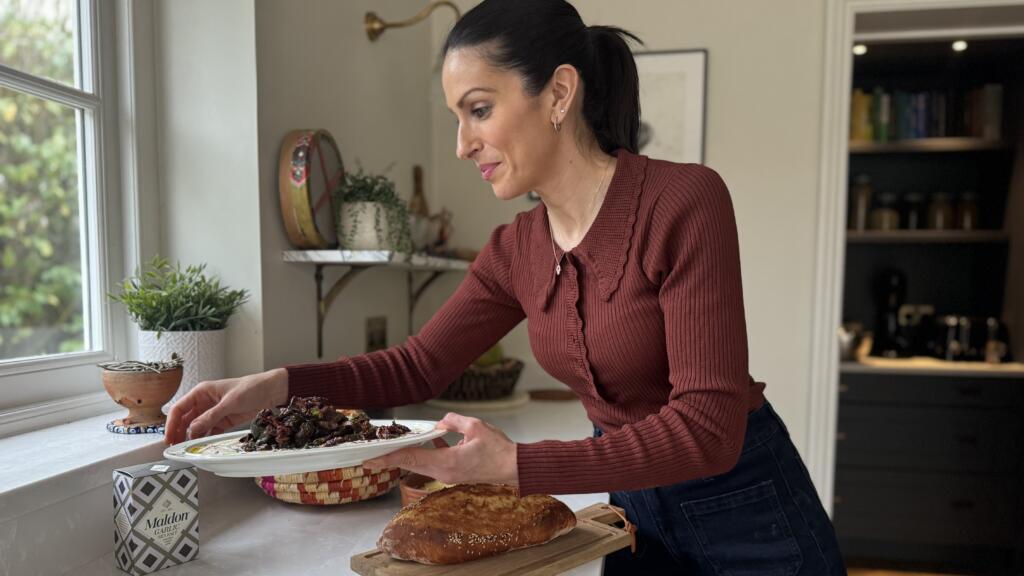
We’re excited to share our latest recipe collaboration with Meliz Berg and AEG Kitchen Appliances. Meliz Berg is an award-winning cookbook author, creator of Meliz Cooks, and one of our celebrated talents from The Maldon 50. Known for her vibrant, flavour-driven dishes inspired by her Turkish-Cypriot heritage, Meliz brings here signature warmth and creativity to this Slow-Roasted Vegetables, Creamy Garlic Yogurt & Garlic Butter recipe. Using Maldon Garlic Sea Salt throughout, she creates a beautifully balanced dish that’s perfect for effortless hosting. This collaboration highlights just how transformative great seasoning and clever cooking techniques can be in elevating simple ingredients.
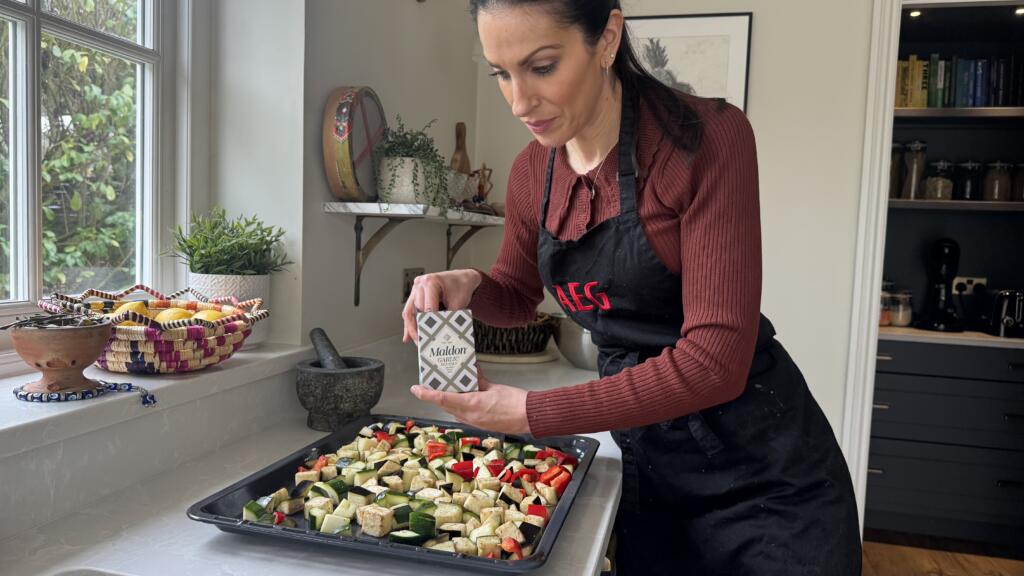
Meliz Berg seasoning the dish with Maldon Garlic Sea Salt
Crafted With AEG
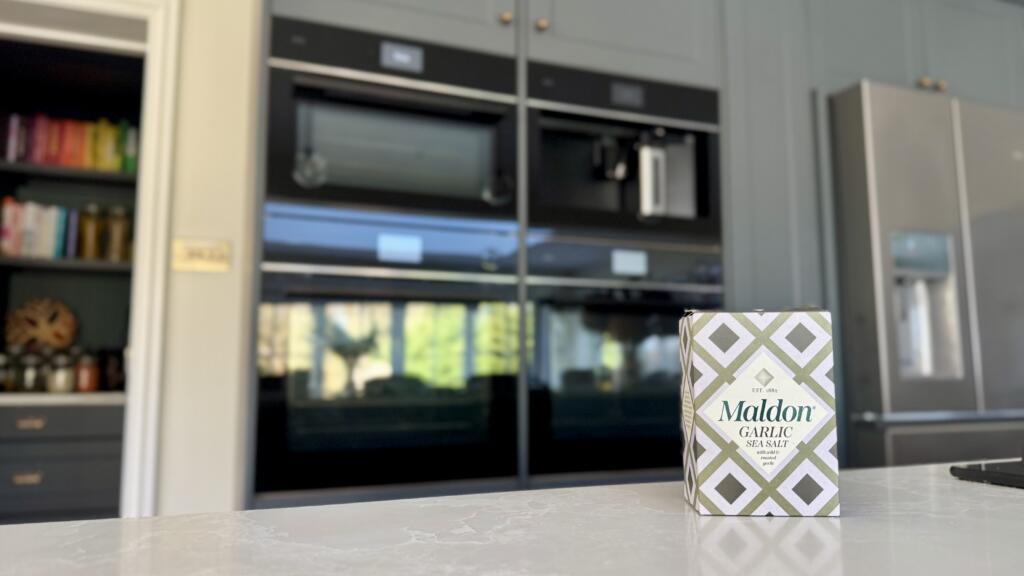
Maldon Garlic Sea Salt and AEG Built-in-OvenAEG 8000 MealAssist Microwave and Build-in-Oven
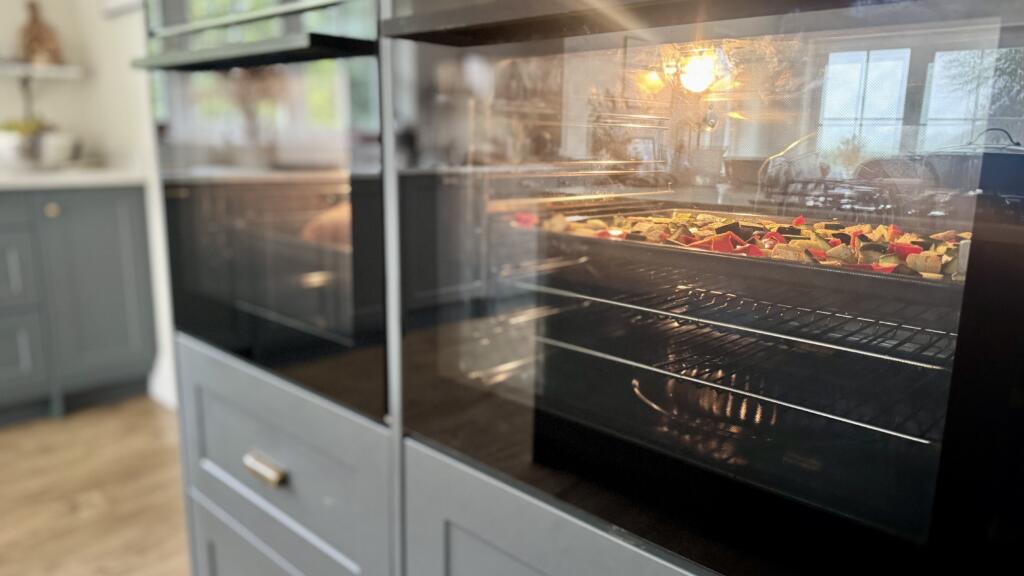
To bring every element of this recipe to life, Meliz cooked using premium AEG Kitchen Appliances, including the AEG 7000 MealAssist Oven with SteamCrisp, featured throughout the cooking videos. This innovative oven uses a combination of 25% steam and 75% heat for perfectly even cooking – ideal for slow-roasting vegetables with crisp, caramelised edges. With it’s CookSmart Touch display telescopic runners and pyrolytic self-cleaning, it offers precision, ease and outstanding performance. Also used in the kitchen setup are the AEG 8000 MealAssist Combination Oven & Microwave, known for it’s energy-saving residual heat cooking, and the sleekAEG 6000 Gas on Glass 90cm Hob, completing a modern workspace designed for flavour, efficiency and fuss-free cooking.
How to Make Slow-Roasted Vegetables, Creamy Garlic Yoghurt & Garlic Butter
This recipe is the perfect sharing dish! Instead of preparing individual starters, this vibrant platter of Mediterranean roasted vegetables, silky garlic yogurt and a rich homemade garlic butter offers maximum flavour with minimal effort. Everything can be made ahead – the roasted aubergine, courgette and pepper to the yogurt and butter – making it ideal for dinner parties, Spring lunches, or relaxed weekend gatherings.
Remember to finish with an extra pinch of Maldon Garlic Sea Salt for that perfect seasoning.
Method:
To make the garlic yoghurt, add the yoghurt, lemon zest, garlic and Maldon Garlic Sea Salt flakes to a small bowl. Halve the zested lemon, and squeeze half of it into the yoghurt mixture. Save the other half for the dressing. Stir the garlic yoghurt and refrigerate until ready to serve.
Mix together the butter and Maldon Garlic Sea Salt, spread into a small ramekin, and leave to one side. Preheat oven to 200c fan.
Add the peppers to a large bowl along with half of the olive oil. Mix well, then add the aubergines, courgettes and Maldon Garlic Sea Salt and toss well.
Brush a large shallow non-stick baking tray with the remaining olive oil, and place in the preheated oven for 10 minutes.
Carefully add all of the vegetables to the hot oiled baking tray, and place on the middle shelf of the oven for 30-35 minutes, or until the vegetables have fully softened and the skins and edges are slightly charred. Turn half way through, if necessary.
Whilst the vegetables are cooking, mix together all the dressing ingredients and add the hot, cooked vegetables straight into the dressing and toss well until they are all fully coated.
Sprinkle a little more Maldon Garlic Sea Salt over the potted butter before serving.
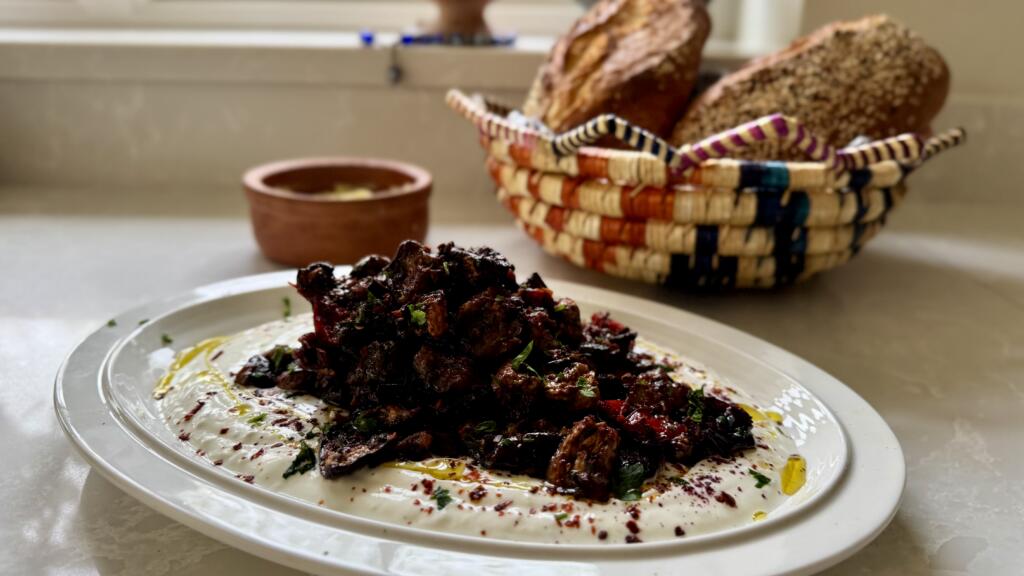
Spread the garlic yoghurt over a platter, top with the dressed vegetables, sprinkle over the remaining sumac, pul biber and parsley, drizzle over a little more extra virgin olive oil, and serve with hot crusty bread slathered in the Garlic Sea Salt butter.
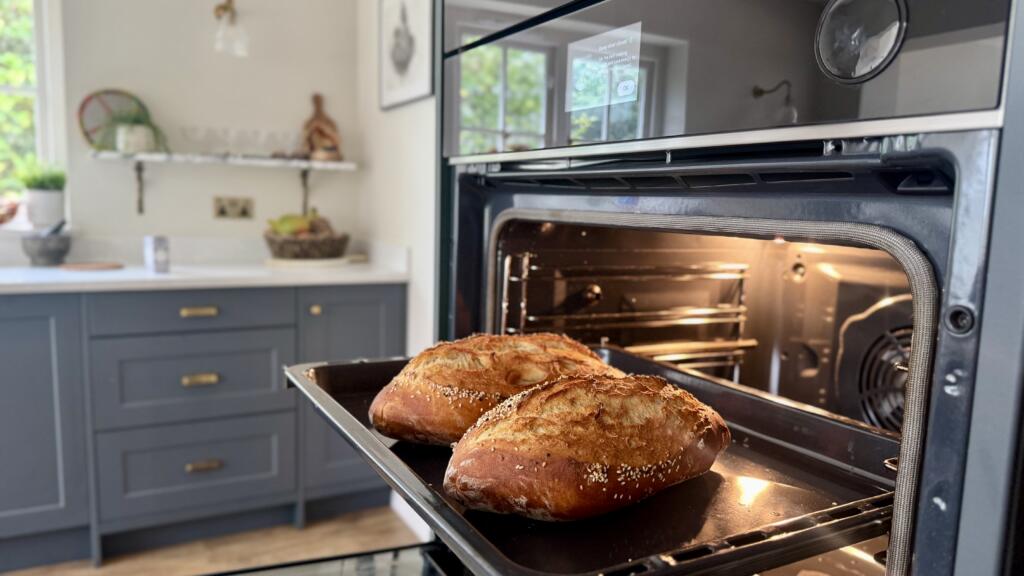
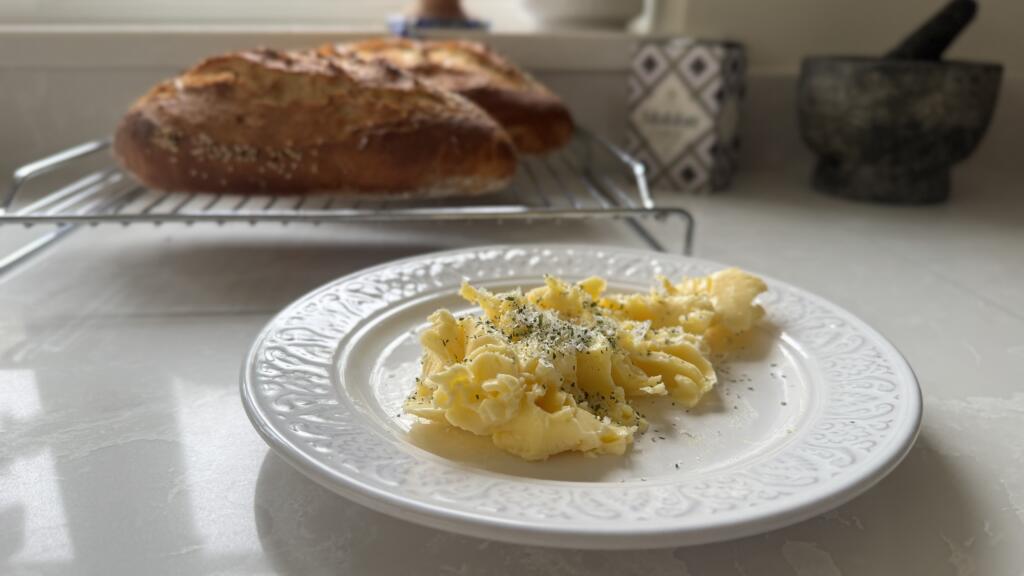
Meliz Berg seasoning the tray of vegetables with Maldon Garlic Sea SaltFresh crusty bread coming out of the AEG OvenHomemade Garlic ButterThe finished plate: Slow-roasted vegetables, creamy garlic yogurt and garlic butter
Have You Tried It?
We hope you enjoyed this flavour-packed recipe as much as we loved creating it. This dish is the first in ourspecial series with Meliz Berg and AEG, where we’re be teaming up to bring you a delicious starter, main and dessert designed for the ultimate sharing menu. If you try this recipe at home, we’d love to see it – tag us in your creations so we can share your wonderful cooking with our community. And if you’re feeling inspired to upgrade your kitchen, you can explore more AEG appliances here, and discover how their innovative technology can transform your everyday cooking.
Extracted from How to BBQ, Genevieve Taylor (Quadrille, £25.00) Photography by Jason Ingram.
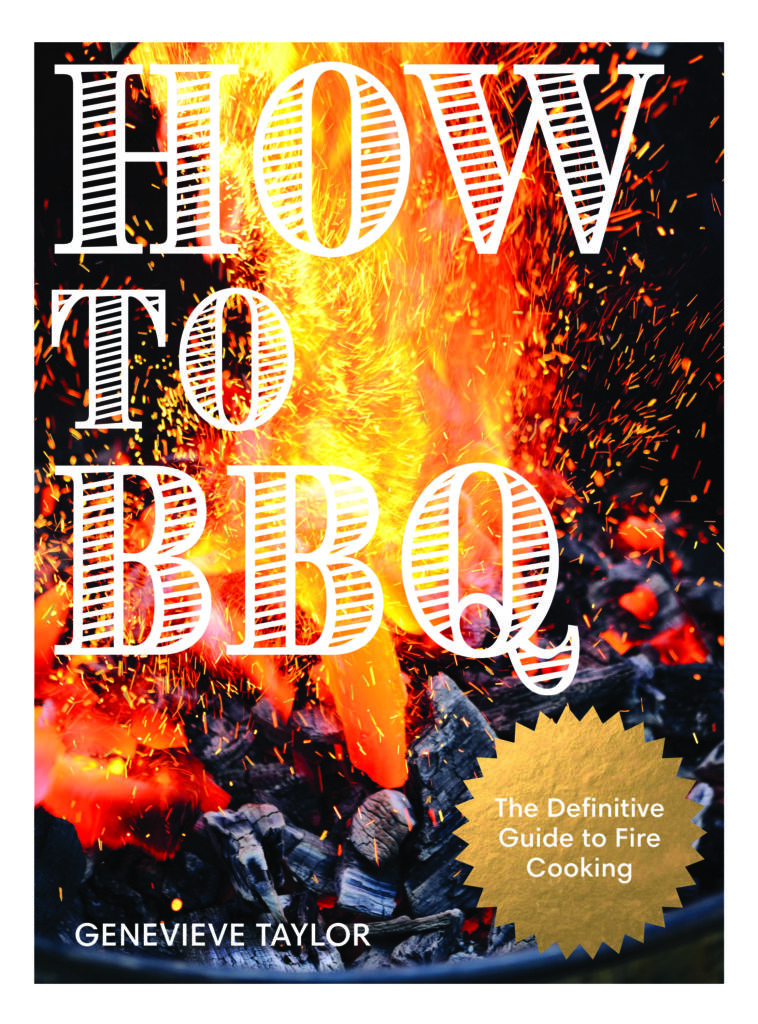
We’re thrilled to be featuring How To BBQ: The Definitive Guide to Fire Cooking by Genevieve Taylor – the ultimate handbook for anyone looking to master the magic of cooking over fire. Whether you’re a seasoned grill devotee or taking your very first steps beyond the kitchen, this block unlocks everything you need to cook confidently, creatively, and deliciously outdoors. Beautifully photographers and filled with Genevieve’s trademark clarity, warmth and expertise. It’s a standout celebration of real food, real heat, and real flavour.
Packed with over 100 flame-fuelled recipes, How To BBQ guides readers through every stage of live-fire cooking, from building and controlling heat to crafting flavour-packed dishes that go far beyond the expected burgers and bangers. Genevieve draws on more than two decades of experience to demystify grilling, answering the top questions home cooks ask – from choosing the right fuel to managing temperature with confidence. With quick midweek grills, slow weekend feasts, one-pot fire meals and spectacular showstoppers, this definitive modern BBQ bible offers inspiration for every season, for all types of grills, and for cooks of every skill level.
In Conversation with Genevieve Taylor
Gen, your new book is described as the definitive modern BBQ bible. After more than two decades working with live fire, what inspired you to bring all that knowledge together into How to BBQ.
This is the book I’ve been itching to write for years – it’s basically everything I know about cooking with fire, distilled into something that’s not just a collection of lovely recipes, but a proper guide to getting better at it. Fire is our oldest cooking tool – we’ve been at it since the dawn of humanity – but somewhere along the way we’ve lost a bit of that instinct. It’s still in us though, deep down. This book is about helping people find it again.
How to BBQ takes readers from the basics of building and controlling heat to creating flavour-packed dishes. What do you think is the single biggest misconception people have when they first approach live-fire cooking?
That everything has to be grilled or smoked to count as BBQ. It really doesn’t. I see the barbecue simply as a heat source – and once you get your head around that, you realise you can cook pretty much anything you like on it. It’s about control, not clichés.
The book includes over 100 flame-fuelled recipes. Which recipe in the book do you think will surprise readers the most – and why?
Probably some of the baking – Toad in the Hole, for example. People don’t expect that sort of thing from a barbecue, but once you understand how to manage heat properly, it opens up a whole new world. You stop thinking in terms of “BBQ food” and just start thinking about cooking, full stop. The book really leans into that breadth too – salads, sides, veg, meat, fish, loads of colour, herbs and spice – it’s about cooking properly over fire, not sticking to old-school ideas of what BBQ is supposed to be.
What would be your biggest tip for someone completely new to live-fire cooking?
Start with your fuel – it matters more than anything else. There’s a lot of low-grade, unethically produced, frankly rubbish charcoal out there, and it’s bad news on every level. But even beyond that, good charcoal is a pure carbon fuel, which means it burns cleanly and predictably. That gives you proper control over your fire. And once you’ve got control, everything else gets easier, slots into place. If you want the full geek-out, I’ve got plenty on my YouTube channel, GenevieveTaylorTV.
What does a normal day in the life look like for you, Gen?
Er… busy. And a bit chaotic, if I’m honest. This year is a bit full-on – I’ve got a series of wild banquets with The Fire Light Sessions, a new YouTube channel, teaching at Bristol Fire School, a US book tour, and fire-cooking trips to Paris, Sweden, Patagonia… plus something exciting brewing for East Africa. No two days are the same, there’s always a lot on, and occasionally things get dropped – but I wouldn’t have it any other way.
When I do get a bit of space, my perfect day is simple: a long walk or bike ride, then a fire in the garden with friends, good food, decent wine, and music. I’m happiest outdoors, always.
Name three things in the kitchen you can’t live without!
A really good chef’s knife – I’m lucky enough to have a few from Fingal Ferguson, and they’re a joy to use. After that, it’s the basics done properly: good salt and good olive oil.
Do you have a favourite cookbook that you’re currently reading? We’d love to know!
Honestly? Not really. I read a lot to switch off, but because food is my job, I don’t tend to reach for cookbooks when I’m relaxing. Sometimes you just need a break from your own world.
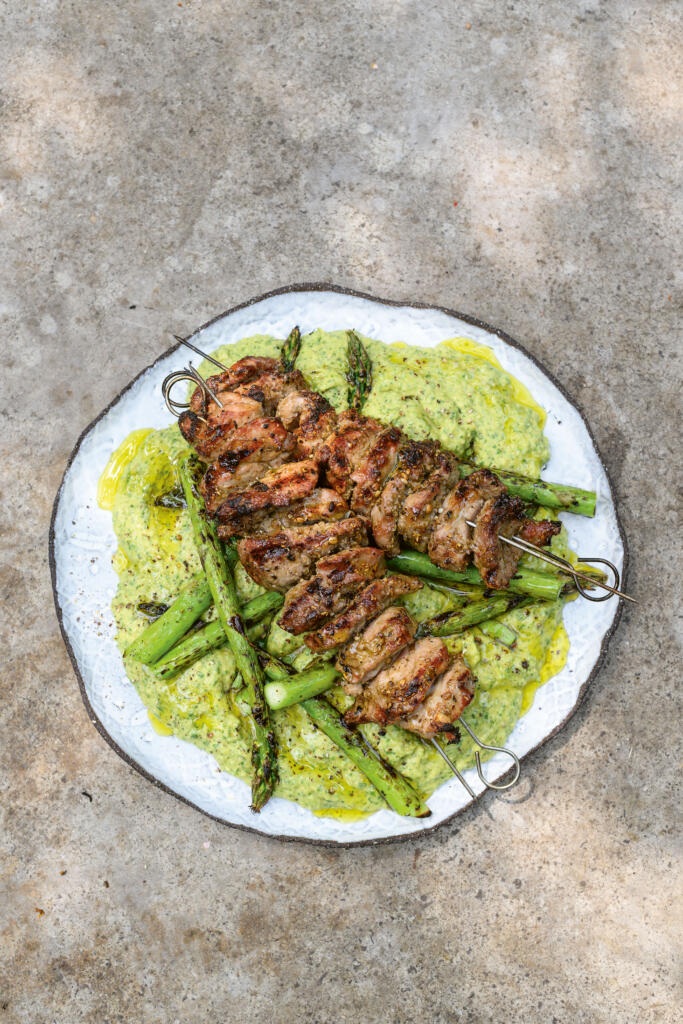
Coriander Lamb Skewers with Asparagus with Green Hummus Recipe
How to BBQ by Genevieve Taylor (3rd June 2025)
Lamb ribeye (or neck fillet) is a great cut to cook hot and fast. It’s especially tender here as it’s sliced thin across the grain and threaded onto skewers, but you can choose any cut of boneless lamb you like. Just make sure you cut all the pieces into similar sizes for even cooking.
1 x 400g (14oz) can chickpeas (garbanzo beans), drained
30g (1oz) mixed fresh herbs (coriander/cilantro and flatleaf parsley)
1 spring onion (scallion), roughly chopped
1 garlic clove, peeled
4 tbsp extra virgin olive oil
½ lemon, juiced, or to taste
To serve
extra virgin olive oil
½ lemon, wedged
You also need 2–4 double metal skewers
Method:
Slice the lamb fillet across the grain into 1cm (½in) pieces, adding to a bowl as you go. Add 1 tablespoon of the olive oil and the garlic.
Set a small pan on the stove over a medium heat and tip in the coriander seeds, toasting for a couple of minutes before transferring to a mortar. Grind to a coarse powder with the pestle, then pour over the lamb. Season well with Maldon Original Sea Salt flakes and black pepper and use your hands to work everything into the meat. Cover and slide into the fridge to marinate for ideally a couple of hours, or overnight is great, too.
If you want to get ahead, make the hummus while you marinate the lamb and chill in the fridge. Otherwise, when you are ready to cook, add the chickpeas, herbs, spring onion and garlic to a food processor and pulse until finely chopped. With the motor running, drizzle in the extra virgin olive oil and enough cold water to bring it to a consistency that you like (3–4 tablespoons will give you a smoother soft texture). Add a squeeze of lemon juice and season well with Maldon Original Sea Salt flakes and pepper. Set aside.
Fire up the barbecue ready for hot direct grilling (page 38). Both the lamb and the asparagus grill quickly so you won’t need too much fuel.
Spread the hummus out over a couple of plates in a thin layer. Drizzle with a little extra virgin olive oil and sprinkle with black pepper.
Thread the lamb onto a couple of long skewers – double skewers (page 21) are always handy to prevent things spinning around. Drizzle olive oil over the asparagus and season with Maldon Original Sea Salt flakes and pepper. Grill the lamb skewers for 10–12 minutes, until lightly charred, turning a few times. Slide off the direct heat to keep warm. Grill the asparagus for 2–3 minutes until just tender. Remove the lot from the grill.
Scatter the asparagus over the hummus and top with the lamb skewers. Squeeze over a little lemon juice and tuck in.
Where to Buy How To BBQ
Extracted from How to BBQ, Genevieve Taylor (Quadrille, £25.00) Photography by Jason Ingram.
You can buy How to BBQ here, and start being creating with food and flavours in the comfort of your kitchen.
Make sure you have your Maldon Salt ready for these recipes! If you are running out, please feel free to browse on our Where to Buy Page to find your nearest store in which stocks our beloved Maldon Salt.
Lastly, we LOVE seeing your creations – please tag us on Instagram using the #maldonsalt so we can share your own take on Genevieve’s recipes!
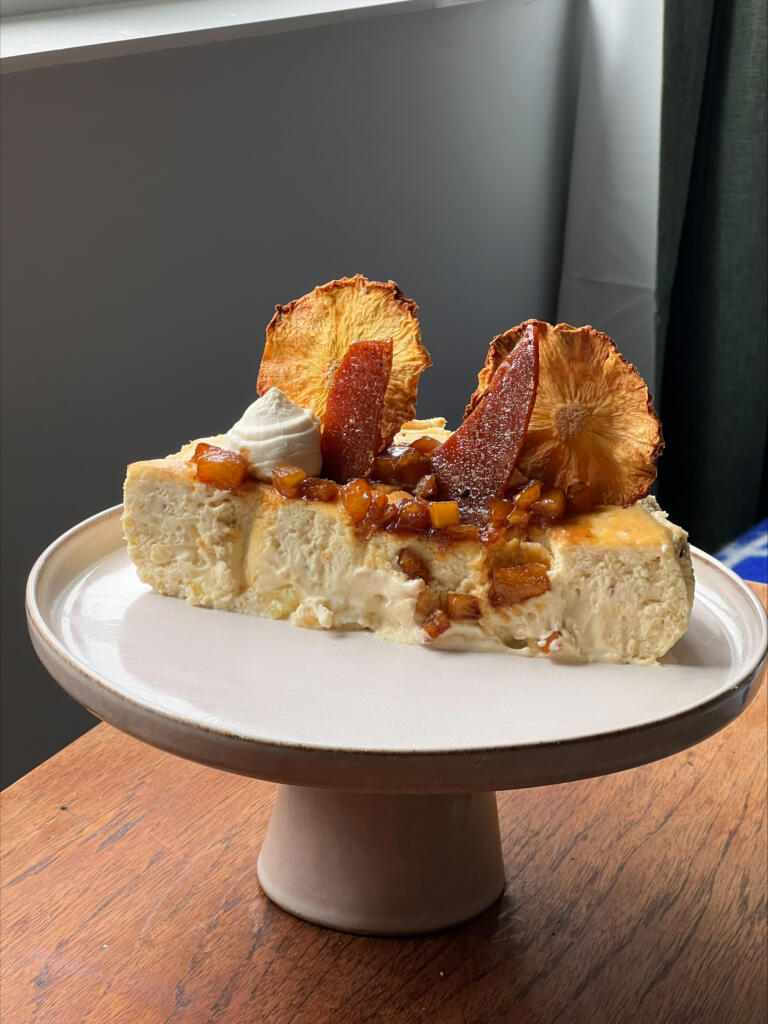
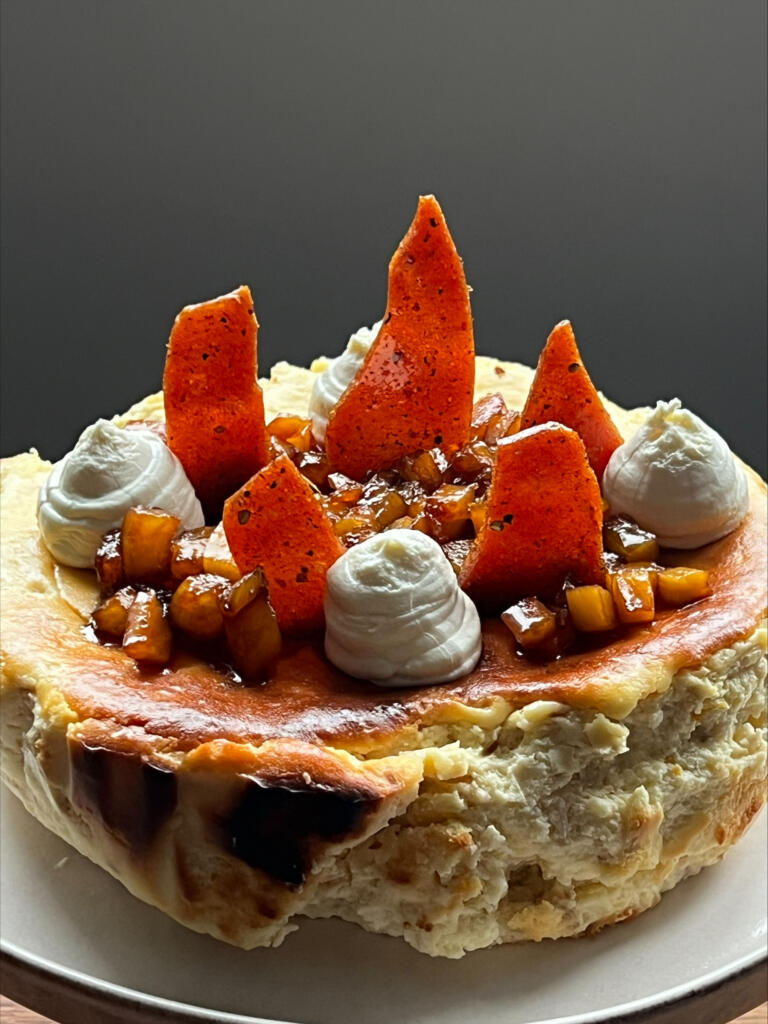
We’re excited to team up with Fiona’s Funky Food for a show-stopping dessert that blends tropical flavour with gourmet flair: a Pineapple & Coconut Basque Cheesecake infused with Maldon Smoked Sea Salt and finished with Maldon Pepper Sea Salt Caramel Shards. This unique twist on the trending Basque-style cheesecake combined creamy custard, bright pineapple, fresh lime, and toasted coconut, all elevated by the gentle smokiness of Maldon Smoked Sea Salt flakes.
The salt melts seamlessly into the batter, enhancing the natural sweetness and adding depth to every bite – a flavour upgrade that’s quickly becoming popular in modern baking, Springtime desserts, and tropical-inspired recipes.
To finish, the cheesecake is crowned with crisp Maldon Pepper Sea Salt Caramel Shards, where Pepper Sea Salt brings a subtle heat, crunchy texture, and that irresistible sweet-savoury balance food lovers crave. The result? A dessert that’s sweet, smoky, tropical, lightly spiced and packed with flavour – the perfect showcase of just how versatile Maldon Salt can be in both baking and confectionary.
Whether you’re searching for a unique Spring bake, a summer celebration dessert, or a creative cheesecake recipe, this collaboration delivers a flavour experience that’s bold, modern, and utterly unforgettable.
What is a Basque Cheese? (Everything You Need to Know About This Trending Dessert)
A Basque cheesecake, also known as a Burnt Basque Cheesecake, is an ultra-creamy, crustless cheesecake originally from San Sebastian, Spain. Unlike the classic New York-style cheesecake, the Basque version is baked at a very high temperature, creating it’s signature deeply caramelised, ‘burnt’ top, while the inside remains soft, custard-like and silky.
A traditional baked cheesecake is baked at a much lower temperature, often in a water bath to prevent cracks. It is a lot more dense, creamy, pale, and usually baked with a crumb crust at a low heat for a smooth, fully-set finish.
Not all cheesecakes are baked – and there’s a delicious science behind why some are simply chilled to set! A no-bake cheesecake relies on a different method of thickening and stabilising the filling, which creates a lighter, creamier texture compared to the dense, custard-like structure of a baked cheesecake. A no-bake cheesecake sets in the fridge because it uses stabilising ingredients like cream cheese, whipped cream, and sometimes gelatine – not eggs. Without eggs, there’s no need for baking!
How To Make a Pineapple & Coconut Basque Cheesecake
Step 1 – Prepare the Tin for the Basque Cheesecake
Preheat the oven to 220°C / 200°C fan (428°F / 392°F fan).
Line a 20cm (8-inch) springform tin with overlapping parchment sheets, ensuring the edges rise above the rim. This helps contain the high-rise Basque-style batter.
Step 2 – Make the Tropical Cheesecake Batter
Beat the cream cheese and caster sugar until smooth and lump free.
Add the eggs one at a time, mixing gently to avoid incorporating too much air.
Pour in the double cream and coconut cream and mix until silky.
Sift in the plain flour and fold lightly.
Stir in the vanilla extract, lime zest, toasted desiccated coconut, caramelised pineapple and 7-10g Maldon Smoked Sea Salt flakes.
Taste and adjust to your preference – you ideally want a soft smokiness that enhances the tropical flavours without overpowering them.
Tip – to get caramelised pineapple, you need to cook the pieces in a hot pan with butter and sugar until browned and glossy. This quick method adds a sweet, golden, caramelised flavour.
Step 3 – Bake the Basque Cheesecake
Pour the batter into the prepared tin.
Bake for 30-35 minutes, or until the top is deeply caramelised, with a slightly jiggly centre – the signature Basque look.
Cool completely at room temperature, then refrigerate for 4+ hours, ideally overnight, for the custard-like interior to set.
Step 4 – Make the Maldon Pepper Sea Salt Caramel Shards
Line a tray with parchment.
In a saucepan, heat the cater sugar and water over medium heat without stirring until it reaches a deep amber colour.
Remove the heat and quickly stir in the Maldon Pepper Sea Salt.
Pour the caramel thinly onto the parchment. Allow it to harden fully, then break into shards. These add crunch, subtle heart, and a sweet-savoury finish.
Step 5 – Assemble and Decorate
Remove the chilled cheesecake from the tin.
Insert the caramel shards vertically for height and texture.
Optional: Finish with a light sprinkle of Maldon Smoked Sea Salt for a glossy, elevated garnish.
Optional:Add dollops of cream on top with an extra serving of the diced caramelised pineapple to give the dish that ‘wow’ factor.
Have You Tried This?
Loved making this tropical Basque cheesecake? If you give this recipe a try, we’d love to see it! Tag us in your creations and show us how your cheesecake turned out.
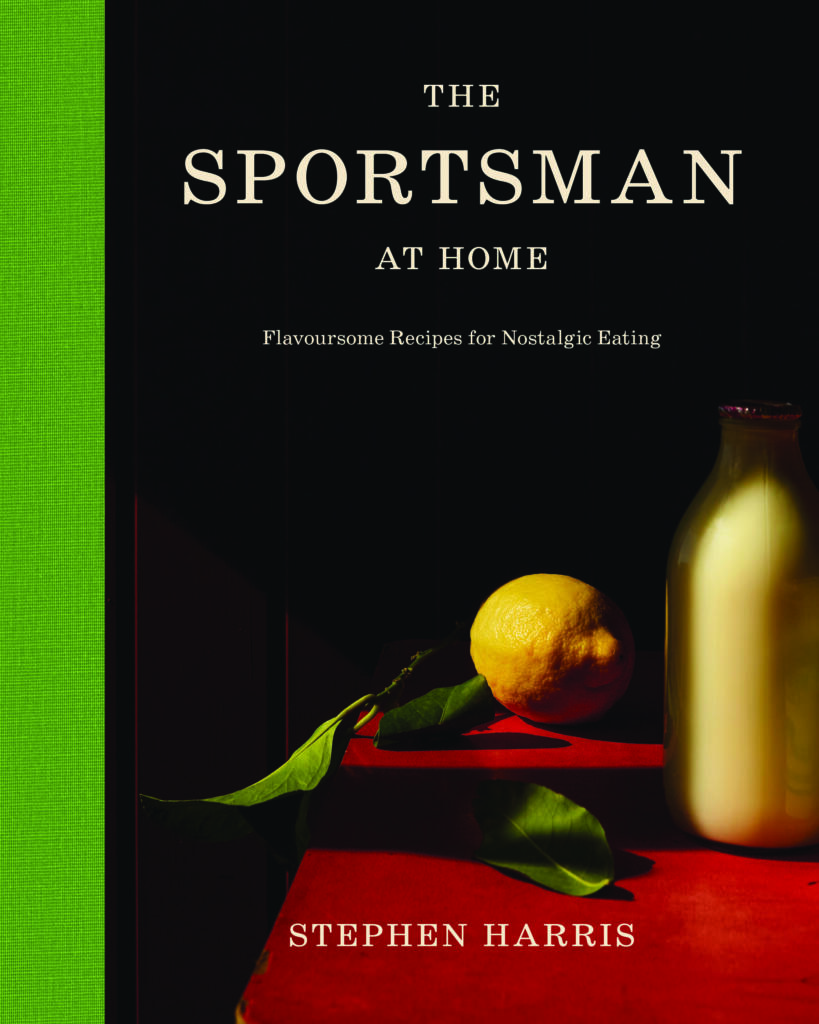
There are few places in British food culture as quietly iconic as The Sportsman. Now celebrating over 25 years, the once-run-down pub on the Kent coast has become culinary institution thanks to chef Stephen Harris, who took the rein in 1999 with a singular vision: to transform something ordinary into something extraordinary. With a pared-back style rooted in honesty, seasonality, and place, Harris has now only earned and retained a Michelin star but has been repeatedly named the UK’s best restaurant – a rare feat for a modest seaside pub that remains as beloved by it’s local regulars as it is revered by chefs across the world.
@Adnrew Crowley – Reporter Gourmet
The Sportsman is a cult classic, cherished for it’s unpretentious brilliance and it’s unwavering commitment to flavour.
In The Sportsman at Home, Stephen Harris invites readers into his Whitstable kitchen, offering a deeply personal glimpse into the ingredients and philosophies behind his celebrated cooking. The book translated the simple, thoughtful ethos of his restaurant into dishes made for everyday kitchen, with chapters spanning ‘Dinner’, ‘Nostalgia’, ‘Christmas’ and ‘An Ode to Cream’. From Pork Chop with Charred Leeks to Coq au Vin, Cream of Soups and a Blackcurrant and Almond Tart, each recipe reimagines familiar flavours – made simpler made better, and always guided by the rhythms of seasonal, local produce. Paired with evocative photography of the Kent landscapes that inspire him, The Sportsman at Home is a heartfelt celebration of simple food done exceptionally well by one of the UK’s most respected self-taught chefs.
In Conversation with Stephen Harris
The Sportsman at Home brings Michelin-stared thinking into the domestic kitchen. What do you think is the biggest misconception home cooks have about restaurant-level food – and how does this book aim to dismantle it?
The short answer is salt but I am not trying to dismantle perceptions of home cooked food but instead I’m bringing a professional eye to the domestic kitchen- too many recipes are complicated without need so I have hones them to be better but easier.
The chapters – from Nostalgia toAn Ode to Cream – feel very personal. Was there a particular dish or chapter that holds a special place for you?
My editor noticed that I used a lot more cream than many modern recipes so we thought we should lean in to it! I love the baking and making section. How many times have you been stuck for a present or a ‘bit skint’? Just cook one of the recipes from that chapter -who wouldn’t love some biscuits and chocolate milk?
Seasonality and locality are central to both The Sportsman and this book. How has that connection to place shaped the way you cook?
In some ways it has made life harder because I don’t tend to use ingredients from further afield but I find seasonality as obvious as breathing and equally inspirational.
As a self-taught chef, what advice would you give to passionate home cooks about trusting their instincts with simple ingredients?
I think we all know instinctively what good ingredients are. It’s obvious if a fish is fresh -just smell and look – has it come out of the sea recently? Another way to test the freshness is with vegetables – does it smell like the vegetable? Test it out! Nick the vegetable with your thumbnail and smell – it should smell of what the vegetable is!
Tell us Stephen, what does a normal day in the life look like for you?
I get to work between 7- 8am – I have coffee and answer emails. I meet and chat to my chef Dan about the day, any new dishes or anything we need to order. I often go to the farmers market and look for good ingredients – they have great fish, meat, veg and dry stores. The kitchen let me know what they need. I go into the kitchen and do my daily checks and then I usually leave them to service unless I am doing the pass that day/night.
Name three things in the kitchen you can’t live without!
Great butter
Sea salt (i never use table salt)
Great fish and seafood.
Do you have a favourite cookbook that you’re currently reading? We’d love to know!
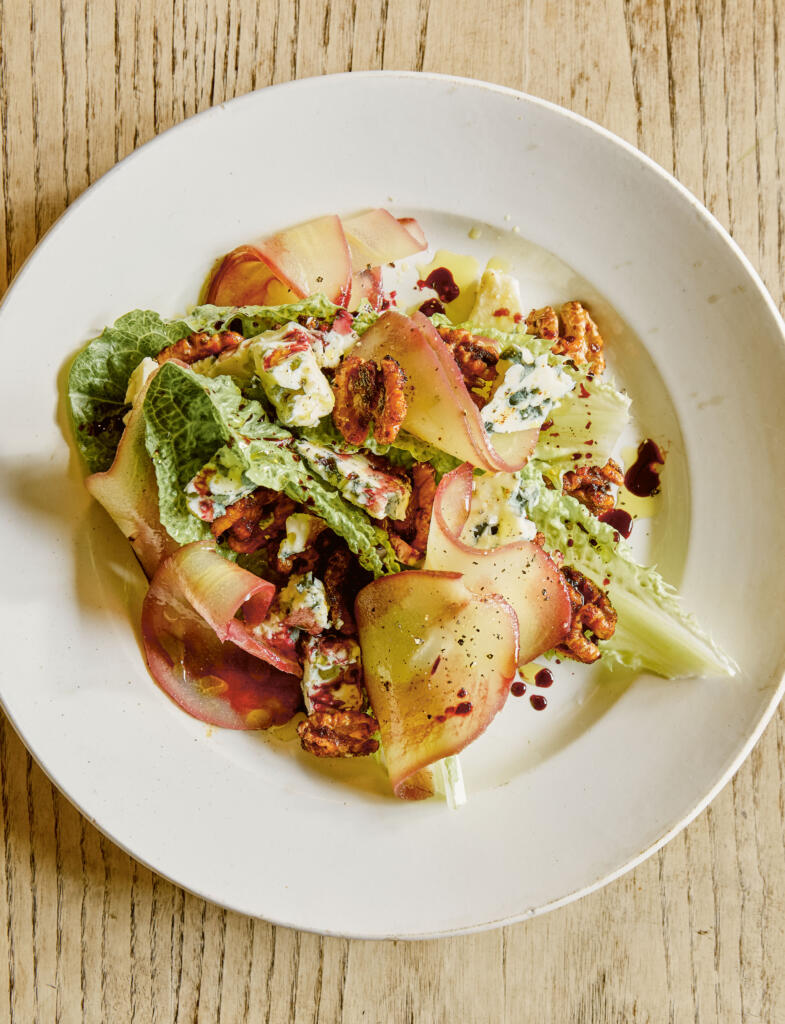
This is an early dish from The Sportsman that old customers and staff still talk about now. It was based on a salad from Café Pasqual’sCookbook (a restaurant in Santa Fe), which Stephen got from his brief time cooking in a Mexican restaurant in Canterbury. They used pecan nuts, which Stephen changed to walnuts, and the blue cheese became Roquefort.
Serves: 4 people
Ingredients:
50 ml (25 fl oz/3 cups) red wine
2 tablespoons caster (superfine) sugar
1 cinnamon stick
1 star anise
3 cloves
Pinch of chilli (hot pepper) flakes
4 Conference or Bosc pears, peeled
1 tablespoon neutral oil
2 teaspoons coffee liqueur (Tia Maria or Kahlúa)
2 teaspoons smoked paprika
1 teaspoon icing (powdered) sugar
Small handful of walnut halves
1 romaine lettuce
200 g (7 oz) Roquefort
Pinch of Maldon Sea Salt flakes
Freshly ground black pepper
Method:
First, poach the pears. Put the wine, sugar, cinnamon stick, star anise, cloves and chilli flakes into a saucepan and add the pears. Ensure the pears are totally submerged in the wine by placing a circle of baking parchment on top and then weighing them down with a plate. Poach gently over a low heat for about 30 minutes, or until the pears are soft – check them with a sharp knife.
Once cooked, remove the pan from the heat and allow the pears to cool in the poaching liquid, then strain the poaching liquid into a clean saucepan. Boil the poaching liquid to reduce it until it is the consistency of a syrup. This will make about 200 ml (7 fl oz/scant 1 cup) syrup.
Next, make the walnuts. Preheat the oven to 180°C fan (400°F).
Put the oil, coffee liqueur, paprika and icing sugar into a bowl and mix together. Add the walnuts and toss to coat, then spread the nuts onto a baking sheet and toast in the oven for 30 minutes. Check and stir them regularly so they don’t burn. Remove from the oven and leave to cool.
Slice the cooled pears lengthways on a mandoline.
Put the large lettuce leaves on each plate, then toss the leaves with a mixture of the pears, walnuts and Roquefort. Drizzle the poaching syrup around the salad, then sprinkle the salad with a pinch of Maldon Sea Salt and a twist of black pepper.
You can buy The Sportsman at Home here, and start being creating with food and flavours in the comfort of your kitchen.
Make sure you have your Maldon Salt ready for these recipes! If you are running out, please feel free to browse on our Where to Buy Page to find your nearest store in which stocks our beloved Maldon Salt.
Lastly, we LOVE seeing your creations – please tag us on Instagram using the #maldonsalt so we can share your own take on Stephen recipes!
Create a show-stopping classic beef Wellington with this simplified, step-by-step recipe, which serves up to 8 people. This easy beef Wellington features a beautifully seared beef fillet, which is brushed with Dijon mustard. wrapped in a rich mushroom duxelles made from chestnut mushrooms, layered with Parma ham (or prosciutto), then enclosed in all-butter pastry for a golden, flaky pastry finish. Careful chilling and resting of the beef Wellington ensures a medium-rare, perfectly pink centre on the beef.
Seasoned with Maldon Original Sea Salt and cracked black pepper, the beef Wellington with puff pastry pairs beautifully with creamy mashed potatoes, seasonal vegetable likes roasted carrots, and a rich red wine jus. This dish is ideal for any special occasion centrepiece; as a Easter alternative to lamb to a table show-stopper at Christmas time.
How to Make a Beef Wellington
Crafting a show-stopping beef Wellington by searing a tender beef fillet, wrapping it in mushroom duxelles and Parma ham, and baking it in golden, flaky puff pastry until perfectly pink at the centre.
Step 1 – Bring the Beef to Room Temperature
Remove the beef fillet from the fridge 1 hour before cooking so that the meat reached room temperature. This helps the meat cook more evenly, ensuring you achieve that signature pink centre without overcooking the outer layers.
Step 2 – Make the Mushroom Duxelles
Add unsalted butter and 1 tbsp olive oil to a large frying pan.
Soften the finely diced onion gently until translucent, then add the crushed garlic.
Pulse the chestnut mushrooms in a food processor until finely chopped, then cook them with the onions/garlic until all the liquid has evaporated (approx. 15 minutes). It is important to reduce the moisture from the mushroom duxelles because excess water can cause the pastry of the beef Wellington to become soggy.
Stir through thyme leaves and chopped parsley in the last 5 minutes.
Season with Maldon Original Sea Salt flakes and cracked black pepper, then cool completely, chilling in the fridge to firm up.
Step 3 – Sear the Beef Fillet
Generously season the beef fillet all over with Maldon Original Sea Salt flakes and cracked black pepper.
Heat a large frying pan over medium-high to high heat until very hot, then add 1 tbsp olive oil.
Sear the beef on all sides until well caramelised – no longer than 2 minutes total so the centre stays very rare.
Remove from the pan and rest for 30 minutes to cool slightly.
Step 4 – Wrap the Beef in Parma Ham and Duxelles
Lay out overlapping layers of clingfilm on a clean surface.
Arrange the Parma ham slices in an even layer that will fully wrap the beef.
Spread the chilled mushroom duxelles evenly over the Parma ham.
Brush the rested beef with Dijon mustard, place it on one edge, then use the clingfilm to roll everything up tightly into a firm “sausage” shape.
Twist the ends to secure and chill in the fridge for at least 1 hour (or overnight).
Step 5 – Encase in Puff Patry
Unroll the puff pastry on its parchment paper.
Remove the clingfilm from the beef log and place it in the centre of the pastry.
Wrap the pastry around the beef, sealing the edges well and ensuring the seam is on the underside.
Use beaten egg to brush and seal the pastry.
If needed, trim and use extra pastry to patch any gaps and decorate (e.g. thin strips for a lattice).
Transfer to a baking tray lined with baking paper and chill for a further hour to firm up.
Step 6 – Bake the Beef Wellington
Preheat the oven to 200°C (fan if appropriate – specify if recipe assumes fan or conventional).
Brush the Wellington all over with beaten egg for a glossy finish.
Bake for around 35 minutes, or until the pastry is deep golden brown.
You can mention indicative doneness (e.g. for medium-rare fillet, the centre should still feel slightly springy; optional note on using a thermometer if desired).
Remove from the oven and rest for 20 minutes before slicing.
Step 7 – Finish and Serve
Just before serving, sprinkle the pastry with Maldon Sea Salt flakes and a few extra thyme leaves. Seasoning your Wellington with Maldon Sea Salt flakes enhances flavour and texture by delivering clean, bright saltiness that lifts the beef, duxelles, and pastry while adding a delicate, crunchy finish.
Slice into 1-inch pieces with a sharp knife.
To Serve
A beef Wellington is ideal for Christmas, New Year’s, or any special occasion because it feels truly celebratory. It’s luxurious yet comforting, feeds a crowd with ease, and can be prepped ahead of time, making it perfect for busy kitchens. It’s classic flavour pair effortlessly with seasonal sides likes roasted carrots and red wine jus, making it just as fitting as a show-stopping alternative to lamb on Easter.
Here are a few sides that you can pair your beef Wellington:
Bring the beef fillet to room temperature for even cooking and a perfectly pink centre.
Sear the beef until golden to lock in flavour and prevent excess moisture.
Cook the mushroom duxelles thoroughly to remove moisture and avoid soggy pastry.
Wrap tightly with Parma ham (or prosciutto) to create a moisture barrier for the beef and mushroom duxelles.
Chill the beef Wellington before baking to help and pastry hold it’s shape.
Use all-butter puff pastry for the best golden, flaky finish.
Season generously with Maldon Sea Salt and cracked black pepper for an elevated flavour.
Rest the beef Wellington before slicing to keep the layers intact.
Doneness, Make-Ahead & Reheating Notes
How do I know when the beef will be done in a beef Wellington
Medium-rare is the classic level of doneness for beef Wellington. After 35 minutes at 200°C and resting, the 1lg fillet should be cooked and have a warm, perfectly pink centre with a tender texture.
Can I prepare beef Wellington in advance?
Yes, you can absolutely prepare beef Wellington in advance. You can assemble the Wellington (beef, mushroom duxelles, Parma ham, pastry), then wrap tightly in clingfilm and chill for up to 25 hours before baking.
Chilling helps the pastry stay crisp and golden and improves overall shape.
Brush with egg wash just before baking for the best finish.
Can I reheat beef Wellington?
Yes, you can reheat beef Wellington. Leftover slices can be reheated gently in the oven at 160°C (320°F) for 12-15 minutes until warmed. Make sure you use a wire rack to keep the pastry crisp.
You can also reheat in an air fryer. Set the air fryer to 150°C (300°F) and heat to 10-12 minutes, flipping halfway through for even cooking.
Avoid reheating in the microwave – it will make the pastry soggy and tough.
Please note – the beef will now stay medium-rare after reheating; it will cook further, but the flavour will remain delicious.
There are few desserts as universally loved and visually impressive as a molten chocolate fondant. Slicing through the delicate, baked sponge exterior to reveal a rich, flowing river of warm chocolate is the ultimate dinner party party trick. While they have a reputation for being difficult to master, this dark chocolate fondant recipe is surprisingly simple, requiring just 15 minutes of prep time. To cut through the richness of the dark chocolate and elevate the dessert to restaurant quality, we fold a generous pinch of Maldon Original Sea Salt flakes directly into the batter and finish the plated pudding with a final salty sprinkle.
Why You’ll Love This Dark Chocolate Fondant
The Perfect Molten Centre: Our precise baking time and temperature ensure that the outside sets into a light sponge while the inside remains delightfully gooey and liquid.
Sweet & Salty Balance: Dark chocolate and sea salt are a match made in heaven. The clean, bright salinity of Maldon Salt perfectly counteracts the bitterness of the cocoa and enhances the deep chocolate flavor.
Quick & Impressive: Despite looking incredibly complex, this molten chocolate fondant recipe comes together in under 30 minutes from start to finish.
How to Make Molten Chocolate Fondants (Step-by-Step)
Step 1 – Preheat and prepare
Preheat your oven to 200°C and place an empty baking tray onto the middle shelf to heat up. Take 2 ramekins (or dariole moulds) and grease the insides thoroughly with butter. Add the cocoa powder to one mould and tap it around to completely coat the buttery sides. Tip the excess cocoa powder into the second mould and repeat the process. Tip out any final excess cocoa powder, then set the prepared moulds aside.
Step 2 – Melt the chocolate
Place the unsalted butter and broken dark chocolate pieces into a heatproof bowl. Set the bowl over a pan of gently simmering water (a bain-marie), ensuring the base of the bowl does not touch the water. Stir continuously until the butter and chocolate have melted together into a smooth, glossy liquid. Remove the bowl from the heat and set aside to cool slightly.
Step 3 – Whisk the eggs
In a separate large bowl, add the whole egg, the 2 egg yolks, the caster sugar, and a generous pinch of Maldon Original Sea Salt flakes. Whisk the mixture vigorously until it becomes pale, thick, and fluffy.
Step 4 – Fold the batter
Pour the cooled, melted chocolate mixture into the fluffy egg mixture. Sift in the plain flour, then use a spatula to carefully fold everything together until just combined, ensuring you don’t knock the air out of the eggs.
Step 5 – Bake the fondants
Pour the fondant dark chocolate batter evenly into the prepared moulds, making sure to leave a 2cm gap at the top so they have room to rise. Carefully place the moulds onto the preheated tray in the oven and bake for exactly 10 minutes, until the tops have formed a crust and the edges are set.
Step 6 – Invest and serve
Remove the fondants from the oven and allow them to rest in their moulds for 30 seconds. Place a small dessert plate upside down on top of a mould, quickly flip it over, and carefully pull the mould away to invert the fondant. Serve immediately with a dusting of extra cocoa powder, a final sprinkle of Maldon Original Sea Salt flakes, and a scoop of vanilla ice cream.
Tips for the Perfect Gooey Centre
Do Not Skip the Cocoa Dusting: Greasing your moulds with butter and dusting them with cocoa powder is the secret to ensuring your fondants easily slip out of their ramekins without tearing and spilling their liquid centers.
Watch the Clock: Timing is everything with a molten chocolate fondant. Ovens vary, but 10 minutes at 200°C is usually the sweet spot. If you leave them in too long, they will bake all the way through and become standard chocolate cakes.
Use Quality Chocolate: Because chocolate is the star of the show here, ensure you are using a high-quality dark chocolate (ideally 70% cocoa solids or higher) for the richest, most decadent flavour.
Frequently Asked Questions
Can I prepare chocolate fondants in advance?
Yes, this is a fantastic make-ahead dessert! You can prepare the batter, pour it into the greased and dusted moulds, and keep them in the fridge for up to 24 hours. When you are ready for dessert, simply bake them straight from the fridge (you may need to add 1-2 extra minutes to the baking time since the batter is chilled).
Why didn’t my fondant melt in the middle?
If your chocolate fondant is cooked solidly all the way through, it was left in the oven for too long. Fondants continue to cook slightly from residual heat once removed from the oven, so it’s vital to pull them out as soon as the outer edges look set but the very centre still has a slight jiggle to it.
Why add sea salt to a chocolate dessert?
Salt is a natural flavour enhancer. Adding a pinch of Maldon Original Sea Salt to a rich chocolate dessert like this does not make it taste “salty.” Instead, the salt counteracts the bitterness of the cocoa, balances out the sugar, and makes the dark chocolate taste even more intense and complex.
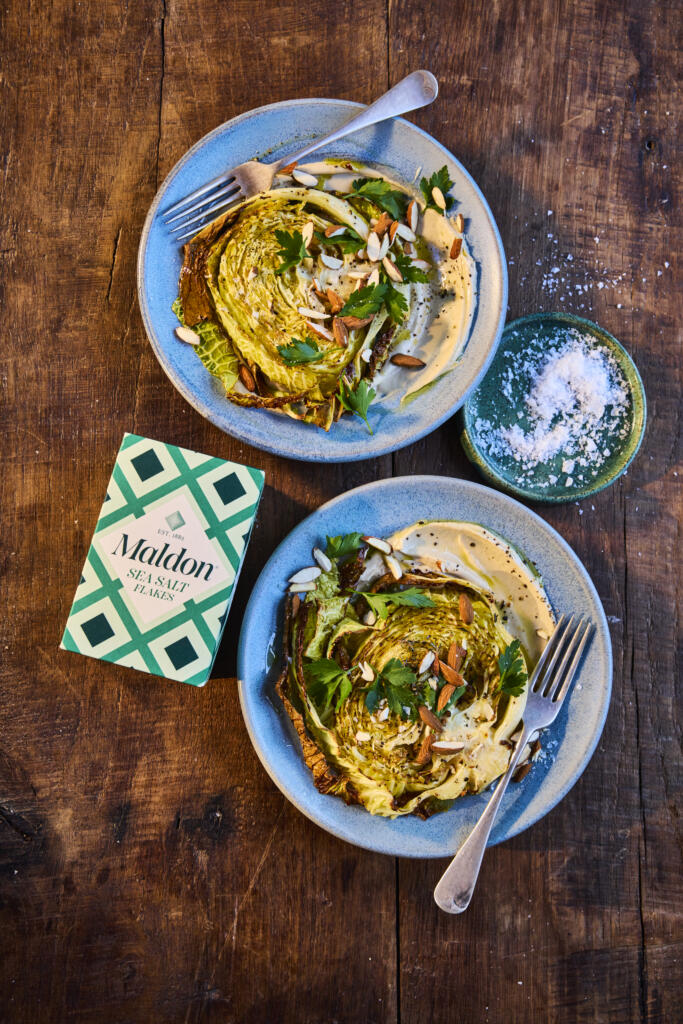
Cabbage has become one of the biggest trends in modern cooking – loved for it’s affordability, versatility, and incredible ability to transform under high heat. When roasted, Savoy cabbage turns golden at the edges, rich and buttery at the core, and the perfect canvas for bold flavours. It’s no surprise that cabbage steak recipes are trending across Instagram and TikTok as cooks rediscover this once-humble vegetable.
Why are cabbages becoming popular again in food?
Cabbage is experiencing a major comeback as one of the biggest food trends of 2026, and there are several reasons for it’s rise in popularity.
It’s highly budget-friendly – Food prices have pushed home cooks towards ingredients that are affordable, versatile, and yield a lot per purchase. Cabbage fits this perfectly, making it a hero for cost-conscious cooing.
It’s an incredibly versatile ingredient – Chefs and creators highlight that cabbage can be roasted, sautéed, braised, fermented, grilled or served raw, making it one of the most adaptable vegetables available.
Social media trends are boosting it’s appeal – Pinterest Predicts and TikTok have reported major strikes in searches for cabbage dishes – from cabbage dumplings to fermented cabbage. Home cooks are incredibly inspired by visually striking cabbage steaks and charred wedges.
It offers strong nutritional benefits – Cabbage is a nutrient-dense cruciferous vegetable rich in vitamin C, folate, and potassium. It also has anti-inflammatory and gut-supportive properties, making it a go-to ingredient for health-focused cooks.
‘Simple Ingredients Done Well’ trend = Food analysts say the cabbage trend reflects a cultural shift toward everyday ingredients that deliver comfort, flavour, and a sense of home.
How to Cook Cabbage Steaks?
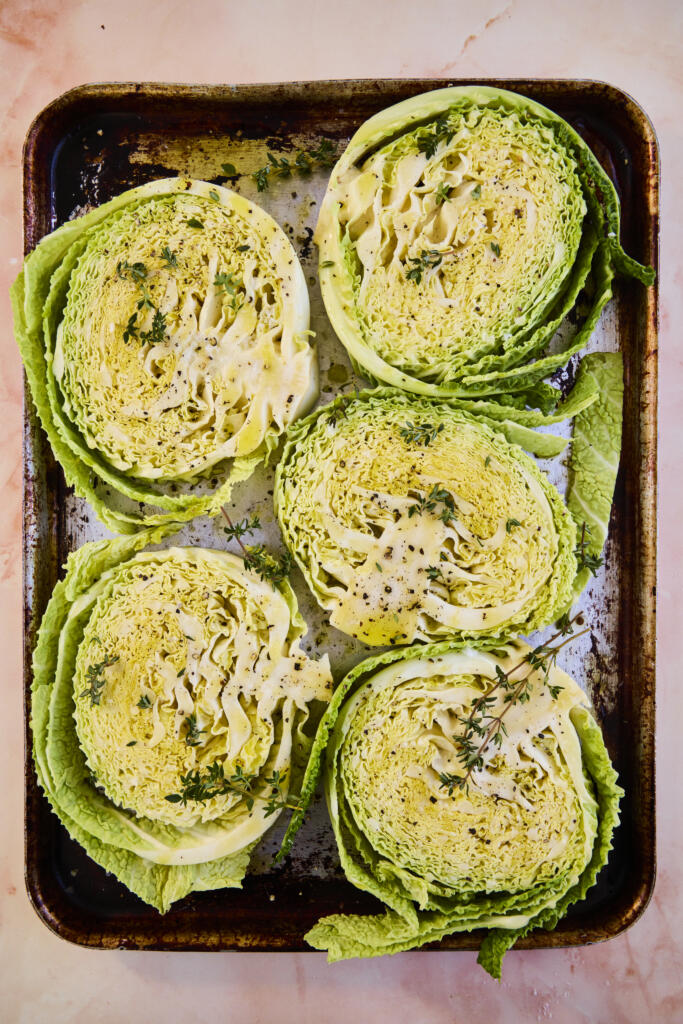
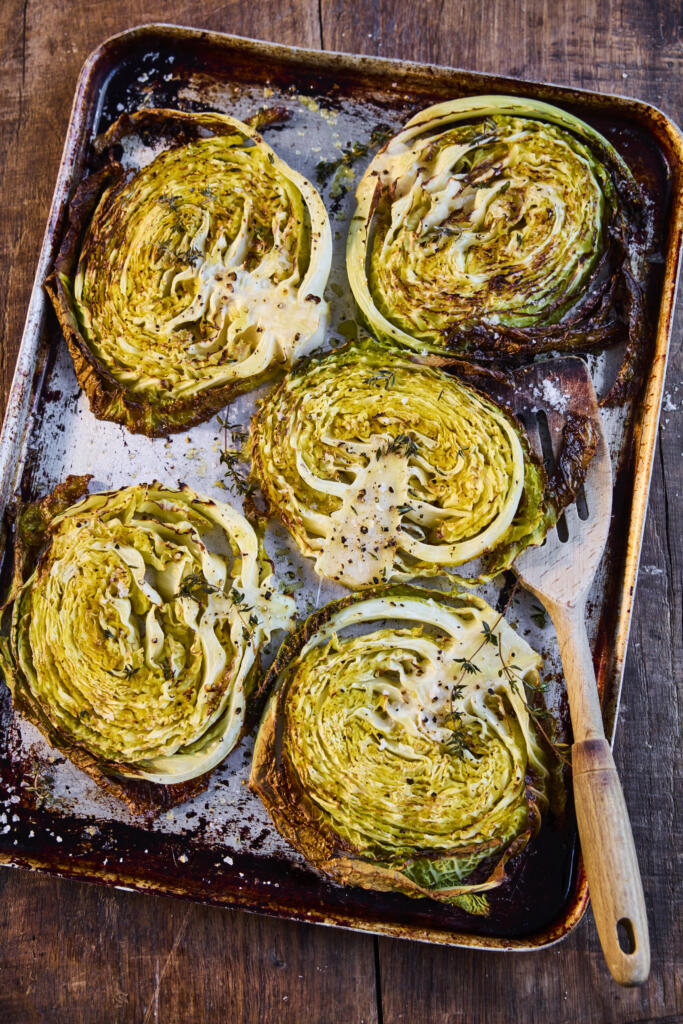
Raw Savoy cabbage steaks on a trayClose-up of the roasted edges + Maldon Sea Salt flakesFinal plated dish with tahini drizzle and toppings
This recipe brings together deeply caramelised roasted cabbage, a silky tahini sauce, and the clean, crisp finish of Maldon Original Sea Salt flakes. Topped with almonds and parsley, it’s a modern, plant-forward dish that punches fat above it’s simplicity.
Perfect as a side, centrepiece, or a hearty weeknight vegan dish – and ideal for sharing on Instagram thanks to those charred, crinkled Savoy leaves.
1. Prepare the cabbage steaks
Preheat the oven to 180c.
Take each savoy cabbage and slice into 1inch (roughly 2cm) ‘steaks’ to make 4 individual cabbage steaks. Discard the smaller pieces of cabbage from the ends – this can be used in another dish.
2. Roast until golden
Place the 4 cabbage steaks onto a baking tray and drizzle with the olive oil, some Maldon Original Sea Salt and cracked black pepper. Add some sprigs of thyme to the tray and then place into the preheated oven to roast for 25 minutes.
3. Make the tahini sauce
To make the tahini sauce, add the tahini to a mixing bowl along with the olive oil, lemon juice and Maldon Original Sea Salt flakes and pepper. It will be very thick so gradually add the water until it reaches a thick creamy consistency – you can add more water if you want it to be looser.
4. Plate and finish
To serve, place some of the creamy tahini sauce onto a place and then top with a roasted cabbage steak.
Garnish with some roasted chopped almonds and some parsley.
What to serve with cabbage steaks
A gain base: quinoa, bulgur, couscous, or wild race
Savoy cabbage works beautifully because it’s crinkled leaves roast into crisp, caramelised layers with soft centres. You can also use a classic green cabbage for a more neutral flavour. For a more vibrant, festive colour, you can use a red cabbage, but it may take slightly longer to cook and has a firmer texture.
Why are my cabbage steaks not crispy?
Make sure the steaks are well coated in oil and have space on the roasting tray – overcrowding causes steaming, not browning. More steam being produced means the cabbage is getting wet and will not get crispy.
Can I make cabbage steaks ahead of time?
You can part-roast cabbage steaks and finish just before serving. Add the tahini sauce and additional garnishes only at the end.
How do I store leftovers?
Store in an airtight container for up to 2 days. Reheat in the oven to restore crispness.
Can I make this recipe vegan and gluten-free?
This cabbage steaks recipe is naturally vegan and gluten-free – just make sure the topping (like nuts) are suitable for your guests.
How thick should I cut cabbage steaks?
We recommend cutting your cabbage steaks 2-3cm in thickness. This ensures a nice crispy edge and tender centres.
Make It, Taste It, Love It!
We’d love to see how you cabbage steaks turned out. Share your creation and tag us on Instagram at @maldonsalt so we can celebrate your seasoning mastery.
Originating from the French city of Lyon, this classic side dish transforms humble ingredients into a restaurant-quality centrepiece. Lyonnaise potatoes are the perfect marriage of textures and flavours: waxy potato slices pan-fried in butter and olive oil until golden and crisp, tossed together with deeply caramelised, sweet white onions. To elevate this traditional recipe, we finish the pan with a generous pinch of Maldon Garlic Sea Salt flakes, perfectly complementing the sweet onions and rich butter with a burst of savoury, roasted garlic flavour.
Why You’ll Love This Lyonnaise Potatoes Recipe
The Perfect Texture: Parboiling the potatoes first ensures they are beautifully tender on the inside, while frying them in batches guarantees a golden, crispy exterior.
Incredible Flavor: Slowly caramelising the onions in the leftover potato cooking oils creates a sweet, savory depth that coats every single bite.
Elevated Simplicity: It requires only a few basic pantry staples to create an impressive, classic French dish that pairs perfectly with almost any main course.
How to Make Lyonnaise Potatoes (Step-by-Step)
Step 1 – Parboil the potatoes
Start by slicing the waxy potatoes into 2cm thick slices, discarding the very small, uneven ends.
Place the slices into a pot of cold water and bring to the boil. Let the potatoes boil for just 2 minutes—you want them to start becoming tender but remain uncooked and firm in the middle. This crucial step ensures they won’t break down and turn to mash when sautéed later.
Step 2 – Dry and fry in batches
Drain the potatoes well and allow them to sit for a few minutes to ensure they are fully dry. In a large frying pan, add half of the butter and olive oil.
Once hot, begin frying the potato slices in batches to ensure they all get nice and golden crisp on each side.
Remove the slices from the pan as they finish cooking.
Step 3 – Caramelise the onions
Once all the potato slices are fried and set aside, add the remaining butter and olive oil to the pan.
Toss in the finely sliced white onions along with the Maldon Garlic Sea Salt flakes. Fry over medium heat for about 8 minutes until the onions are soft, golden, and beautifully caramelised.
Step 4 – Combine and serve
Finally, add the golden potatoes back to the pan with the onions to warm them through. Season with cracked black pepper.
Transfer the Lyonnaise potatoes to a serving dish and garnish with an extra sprinkle of Maldon Garlic Sea Salt flakes and the freshly chopped parsley.
Tips for the Perfect Potatoes a la Lyonnaise
Use Waxy Potatoes: It is vital to use waxy potatoes (like new potatoes, Charlotte, or Yukon Gold) rather than floury baking potatoes. Waxy potatoes hold their shape when boiled and fried; floury ones will disintegrate in the pan.
Dry Thoroughly: Moisture is the enemy of a crispy crust. After draining your parboiled potatoes, let them steam dry completely before they hit the hot fat.
Don’t Rush the Onions: The magic of a true recipe for potatoes Lyonnaise comes from the sweet, jammy onions. Take your time during the 8-minute frying stage to ensure they caramelise properly without burning.
This rich, buttery side dish is incredibly robust and pairs beautifully with classic, protein-heavy mains. It is the ultimate side dish for a perfectly seared steak, a roasted rack of lamb, or crispy-skinned roast chicken.
Frequently Asked Questions
What are Lyonnaise potatoes?
Lyonnaise potatoes (or pommes de terre à la lyonnaise) is a traditional French dish originating from the city of Lyon. It consists of sliced, pan-fried potatoes mixed with thinly sliced, butter-caramelised onions, typically finished with fresh parsley.
Do I have to peel the potatoes first?
This comes down to personal preference. Traditionally, the potatoes are peeled. However, if you are using thin-skinned new potatoes, you can absolutely leave the skins on for extra texture and rusticity.
Can I make Lyonnaise potatoes ahead of time?
While they are best served fresh and crispy straight from the frying pan, you can do the prep work ahead of time. You can parboil the potatoes and slice the onions hours in advance, leaving only the frying and caramelising for right before dinner.
Wild garlic season brings one of the most anticipated flavours of the year—vibrant, aromatic, and beautifully green. When blended into creamy, high-quality softened butter, it creates an irresistible condiment that elevates everything it touches. Learning how to make wild garlic butter is incredibly simple, taking only 5 minutes and a quick blitz in a food processor. To truly bring out the punchy, earthy flavours of the foraged leaves, we season this compound butter with our signature Maldon Garlic Sea Salt flakes, adding the perfect savoury crunch and an extra layer of roasted garlic depth.
Why You’ll Love This Wild Garlic Butter Recipe
Lightning Fast: With zero cooking required, this impressive, vibrant green butter comes together in just 5 minutes of prep time.
The Ultimate Flavour Enhancer: It is incredibly versatile. Melt it over a hot steak, stir it through freshly cooked pasta, or simply spread it thickly onto warm sourdough.
Preserve the Season: Wild garlic has a notoriously short season. Making a batch of this compound butter and rolling it into a log allows you to freeze it and enjoy the taste of spring all year round.
How to Make Wild Garlic Butter (Step-by-Step)
Step 1 – Blitz the garlic and salt
Start by placing the thoroughly washed and dried wild garlic leaves and the Maldon Garlic Sea Salt flakes into a food processor. Pulse the machine a few times to break up the wild garlic until it is very finely chopped.
Step 2 – Add the butter
Add the room-temperature, softened butter to the food processor. Pulse again until the finely chopped wild garlic is evenly dispersed throughout the butter, turning the entire mixture a stunning, vibrant green colour.
Step 3 – Shape the butter
Place a large, rectangular piece of baking parchment onto your kitchen surface. Spoon the bright green butter directly into the centre of the paper.
Step 4 – Roll and chill
Fold the parchment paper over the butter and roll it to shape the mixture into a neat, tight sausage shape. Twist the ends of the parchment paper tightly to seal it (like a Christmas cracker). You can either serve the butter immediately while soft, or place it into the fridge for 1 hour to firm up into a sliceable log.
Tips for the Perfect Compound Butter
Use Softened Butter: This is the most important step! If your butter is straight from the fridge and too cold, it will not blend smoothly with the wild garlic, leaving you with unpleasant, chunky lumps. Leave the butter out on the counter for a few hours before starting.
Dry the Leaves Thoroughly: If you have washed your foraged wild garlic, ensure every drop of water is dried off (using a salad spinner or kitchen towel) before adding it to the food processor. Excess water will cause the butter to split.
Don’t Over-Process: Pulse the butter just until it turns green and is combined. If you leave the food processor running on high for too long, the friction will melt the butter completely.
What to Serve with Wild Garlic Butter
The simplest and often best way to enjoy this is sliced thickly and smeared over a warm, crusty sourdough baguette. However, it also makes an incredible “melt” for hot food. Try placing a disc of chilled wild garlic butter on top of a resting steak, stirring a spoonful into a pan of sautéed mushrooms, or tossing it through freshly boiled new potatoes.
Frequently Asked Questions
How to make garlic butter wild wild garlic without a food processor?
If you don’t have a food processor, you can easily make butter by hand. Simply use a sharp knife to mince the wild garlic leaves as finely as humanly possible. Add the minced leaves and the Maldon Garlic Sea Salt to a mixing bowl with your softened butter and beat vigorously with a wooden spoon until fully incorporated.
Can you freeze wild garlic butter?
Yes, you can absolutely freeze wild garlic butter! Freezing is the best way to extend the short wild garlic season. Keep the butter wrapped tightly in its parchment paper sausage, place it in an airtight freezer bag, and freeze for up to 3 months. You can slice off individual discs straight from frozen whenever you need them.
Where can I find wild garlic?
Wild garlic typically grows in damp, ancient woodlands across the UK from late winter until the end of spring. If you aren’t keen on foraging, you can often find bunches of it at local farmers’ markets or premium greengrocers during the peak season (March to May).
When you need an elegant, restaurant-quality vegetable side dish but are short on time, this sauteed asparagus with mushrooms is the perfect solution. Earthy, wild mushrooms meet vibrant, tender-crisp asparagus in a hot pan, soaking up rich olive oil and aromatic crushed garlic. The entire dish comes together in under 15 minutes from prep to plate. The secret to elevating this simple pan-fry? A generous pinch of Maldon Smoked Sea Salt flakes tossed through right at the end to enhance the savoury, umami flavours of the mushrooms.
Why You’ll Love This Sautéed Asparagus Recipe
Lightning Fast: With just 5 minutes of prep and 10 minutes in the pan, this is the ultimate speedy side dish for busy weeknights or stress-free dinner parties.
Incredible Texture: Pan-frying the mushrooms on a high heat gives them a beautiful, golden-crisp edge, while the asparagus stays perfectly vibrant and tender-crisp.
Earthy & Smoky: Using a blend of wild mushrooms (like shiitake or chanterelle) paired with our signature smoked sea salt creates a deep, complex flavour profile that punches far above its simple ingredients.
How to Make Sauteed Asparagus with Mushrooms (Step-byStep)
Step 1 – Prepare the vegetables
Start by preparing your asparagus. Remove the tough, woody ends from the spears, then cut the remaining tender stems in half to create two shorter pieces per spear. Next, take your mixed mushrooms and brush them clean. Keep any smaller mushrooms whole, but cut larger varieties in half so everything cooks at the same rate.
Step 2 – Fry the mushrooms
Heat the olive oil in a large frying pan over a high heat. Add the prepared mushrooms and fry until they soften, release their moisture, and develop a nicely golden, crisp exterior.
Step 3 – Add the asparagus and garlic
Once the mushrooms are golden, toss the prepared asparagus pieces into the hot pan. Sauté the asparagus in the olive oil alongside the mushrooms for a couple of minutes until they turn bright green.
Step 4 – Finish and season
Add the crushed garlic cloves to the pan. Fry for another minute or so until the garlic becomes beautifully fragrant and the asparagus is perfectly tender. The whole cooking process should take 10 minutes or less. Remove the pan from the heat, season generously with Maldon Smoked Sea Salt flakes, and serve immediately.
Tips for the Perfect Pan-Fried Vegetables
Brush, Don’t Wash: Mushrooms are like sponges. If you rinse them under water, they will absorb it and steam in the pan rather than getting crispy. Always use a dry pastry brush or a damp piece of kitchen paper to gently brush away any dirt.
Keep the Heat High: To get that lovely golden-brown sear on the mushrooms without overcooking the asparagus, make sure your frying pan and olive oil are nice and hot before you start.
Add Garlic Last: Crushed garlic burns very quickly over high heat, turning bitter. By adding the garlic during the final minute of cooking, you infuse the dish with its fragrant flavour without risking a burnt taste.
What to Serve with Sautéed Asparagus
This garlicky, earthy side dish is incredibly versatile. It is a classic pairing for a pan-seared steak, a juicy roast chicken breast, or a thick-cut pork chop. For a vegetarian option, try serving these savoury vegetables stirred through a creamy Parmesan risotto or simply tossed with fresh pasta and an extra drizzle of good quality olive oil.
Frequently Asked Questions
Can I use butter instead of olive oil
Yes, you can absolutely use butter instead of olive oil! While our recipe calls for asparagus sautéed in olive oil for a lighter, Mediterranean finish, you can absolutely substitute it with butter. Butter will add a rich, nutty flavour that pairs beautifully with the mushrooms.
How do I know where to trim the asparagus
The easiest way to find where the tough, woody end stops and the tender stem begins is to take one spear of asparagus and gently bend it near the bottom. It will naturally snap at the exact point where it becomes tender. You can use that snapped piece as a length guide to slice the rest of your bunch with a knife.
Can I use standard button mushrooms?
You certainly can use button mushrooms instead of mixed mushrooms. However, we highly recommend using a “mixed wild” pack (containing varieties like shiitake, oyster, or chanterelle) if you can find them. They offer a much meatier texture and a deeper, more complex flavour than standard white button mushrooms.