Want a Christmas Cocktail concoction to ‘wow’ your guests this year? We’ve teamed up again with Hayman’s Gin to make the delicious Pomegranate Fizz. Infused with their Sloe Gin, the vibrancy from the red pomegranate juice shaken together creates this cocktail to be perfect for the festive period.
Add ice to the shaker and shake again for 30 seconds until it feels cold. Add a pinch of Maldon Salt to enhance the sweetness and break down the bitterness of the gin.
Strain into the coupe glass. Garnish with a rosemary sprig and some pomegranate seeds.
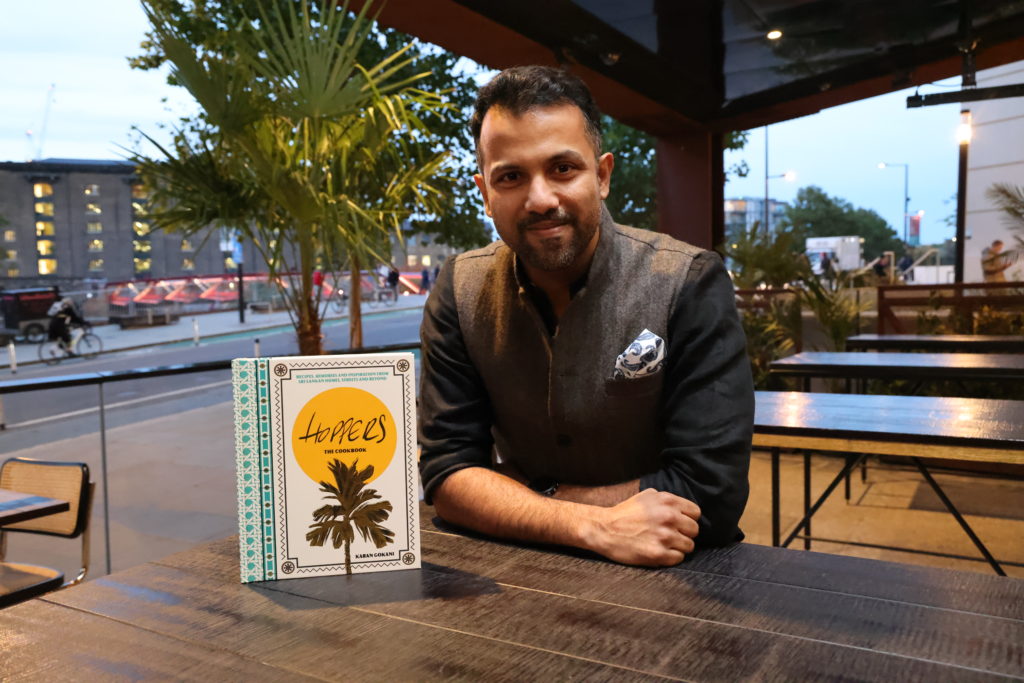
PHOTO BY: STEVE FINN: Hoppers The Cookbook. The Book Launch Of Karan Gokani.
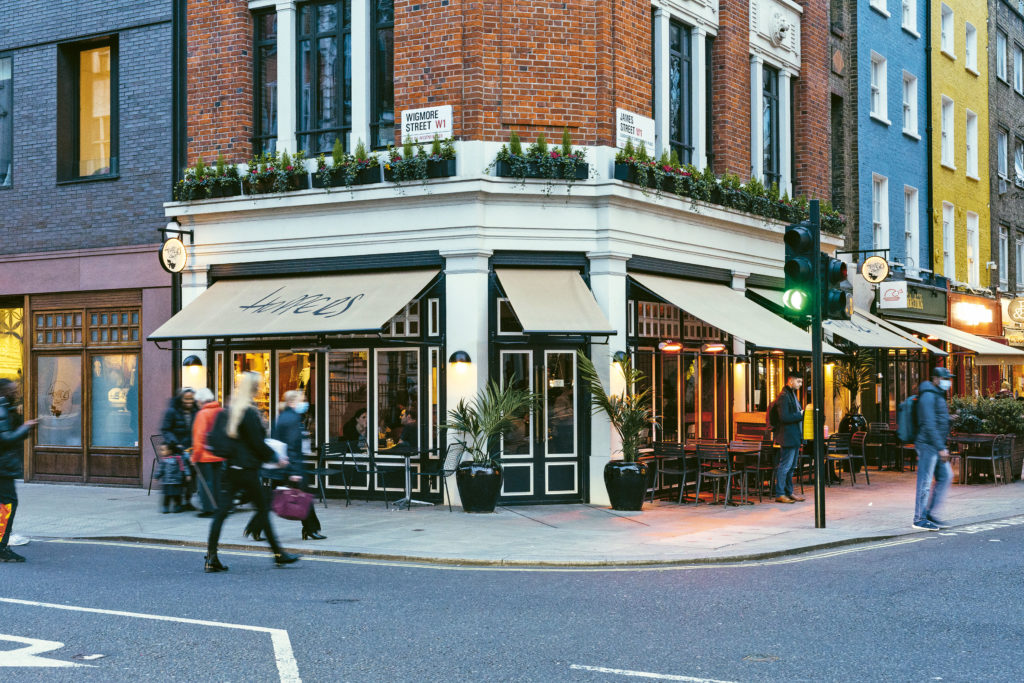
Hoppers shares the love and passion for Sri Lankan cuisine in which is now being cherished throughout the three restaurants located around London: Soho, Marylebone and King’s Cross. The face behind the name is none other than Karan Gokani, co-founder and creative director of Hoppers…a huge advocate for this delicious cookery.
The name ‘Hoppers‘ itself derives from the common dish of a bowl-like pancake made from coconut milk and rice flour. Also known as ‘Appams‘ this dish is enjoyed by many Sri Lankan’s and Southern Indians for breakfast or even dinner time!
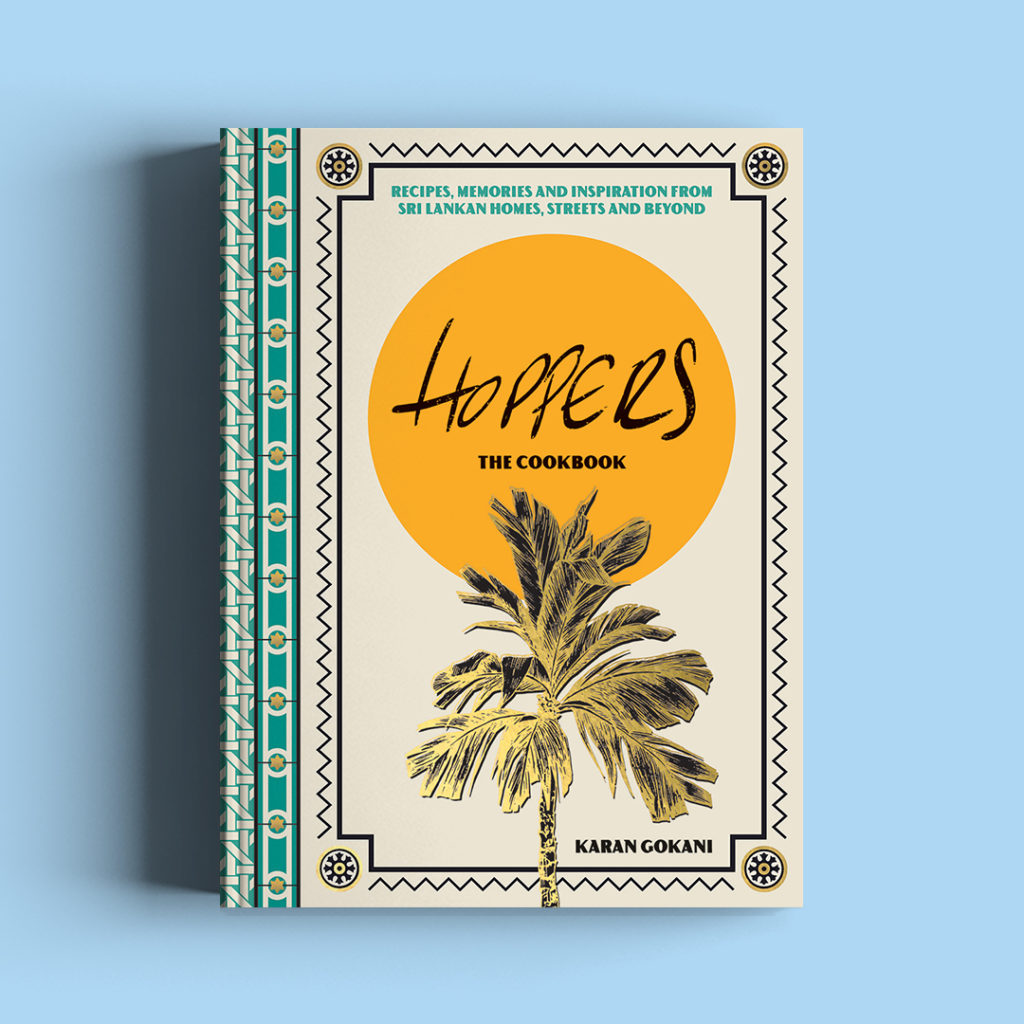
With seven years of great appreciation to the cuisine, Karan has finally released the debut ‘Hoppers: Cookbook’. Karan writes a story of personal memories, collections of the restaurant’s favourite recipes and stories through the many visits to Sri Lanka from when Hoppers was first conceptualised… Now, they get to share a little piece of this cuisine with you at home.
PHOTO BY: STEVE FINNS: Hoppers The Cookbook. The Book Launch Of Karan Gokani.
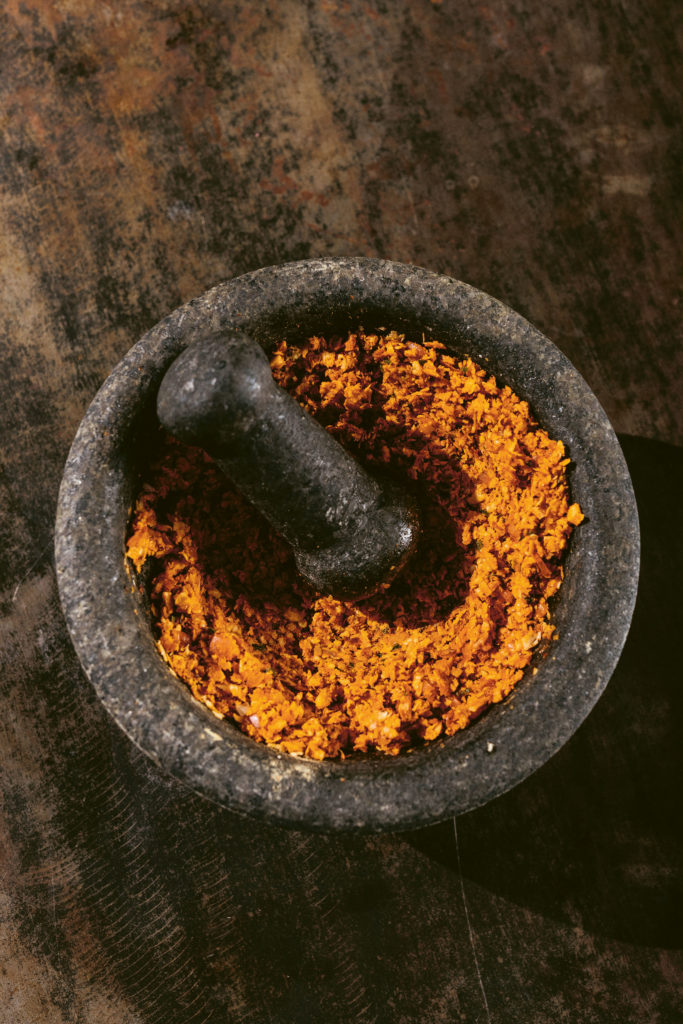
Within this cookbook, Maldon Salt is used for the creation of the deliciously good Pol Sambol. Sambols in general sit between a relish and a salad, where raw ingredients are pounded with chilli flakes to be served as a condiment.
Make sure to use a pestle and mortar for this dish, as the pounding of the ingredients will break up the cells and release intensified flavours!
80g (2¾oz) Thai shallots (or 50g/1¾oz Indian onion), Finely Chopped
100g (3½oz) Fresh Coconut, Grated
Juice of 1 Lime
Method:
Grind the black peppercorns, chilli flakes, Maldive Fish Flakes and Maldon Salt in a pestle and mortar until you have a coarse red powder.
Add the green chillies and shallots and pound the mixture with the pestle until the ingredients start to break up into a rough paste.
Add the grated coconut and continue to pound and stir until everything is well mixed and bright red. Add the lime juice gradually and taste as you go, you might not need it at all. This is best eaten straight away, but any extra sambol can be stored in the fridge for up to 2 days.
PHOTO BY: STEVE FINN: Hoppers The Cookbook. The Book Launch Of Karan Gokani.
We love seeing your creations you dish up on Instagram! Tag us using #maldonsalt so we can see your culinary concoctions come to life when you add a sprinkle of our salt.
We’ve teamed up with Hayman’s Gin to create our very own ‘Maldini’ cocktail. Using their London Dry Gin, we’ve paired this with a Maldon Salt solution base, where you use water and salt together to create a balance to the drink.
Salt with Gin? We know this might surprise a few people, but did you know that the use of salt with alcohol actually enhances the sweetness and balances the bitterness of a dry gin! It really is delicious and makes a great cocktail for your guests at a dinner party.
Add all ingredients to a mixing glass with ice and stir for approximately 15 seconds until diluted.
Pour into a Nick and Nora or Martini Glass (chilled) and serve with cornichon on a cocktail stick.
October is the month in which families across the world will celebrate Diwali. Known to many as the ‘Festival of Light’, we look into what makes this festival so special to many religions. With the help of Romy Gill MBE, she shares her passion for Diwali from discussing what food is eaten during the festival to delving into her own special recipes she would make. From delicious savoury & vegetarian plates to sweet, decadent delights, Romy showcases these treats within her recipe series that we discuss further within this article. You can also head over to our Recipes, Tips and Blog Page to gain access to the full recipes for these dishes…you wouldn’t want to read these on an empty stomach!
Don’t forget to also check out our Q&A with Romy Gill as we go into greater detail about all things Diwali and her own take on the festival. She even shares her experience in being the first ever female Indian chef and Restaurant owner in the UK and giving advice for people wanting to learn how to cook – it’s certainly one that you wouldn’t want to miss.
What is Diwali, Festival of Light?
Did you know Diwali is one the biggest holidays celebrated in India? Eminently loved by Hindus, Jains, Sikhs and some Buddhists. Diwali is commonly known as the ‘festival of lights’ from the use of lighting oil lamps and decorative lights amongst homes and cities. The reason for this is to symbolise victory of goodness and light and triumph over the evil and darkness.
The celebrations span across 5 days, this year beginning from Monday 24th October. However, the dates change depending on the Hindu lunar calendar, so next year Diwali will take place Sunday 12th November. Each day has a specific celebration to it, with the days always involving an element of sweet treats, extravagant dinners and gifting with family and friends.
What Food is Eaten During Diwali?
Now you’re probably thinking what food is usually eaten during this festival – I pre-warn you now, some of these treats will make you very hungry!
Diwali is a time full of feasting and enjoying a bundle of sweet treats with family and friends. The most popular of foods consumed over the festival is ‘Mithai’, a very traditional Indian sweet. Why mostly sweets you might ask? It is known that sweets are considered to be of purity and a blessed offering to the gods. These treats are usually fried, using sugar, chickpea and condensed milk.
Although sweets are the more popular choice during the festival period, what about the more savoury based dishes? Aloo Tikki’s (fried potato patties) and Samosas are some of the more popular choices for people. These are jam packed with stuffings of either mincemeat, or lentils/roasted vegetables, holding irresistible flavours of Indian spices and crispy textures.
As you can see, there are a bountiful of foods to choose from during Diwali, but what we really want to know is…can you make any of them? A chef who is certainly no stranger to cooking decadent foods during Diwali is the glorious Romy Gill MBE.
Who is Romy Gill?
Romy Gill is the UK’s first British/Indian chef to become a restaurant owner in Gloucestershire, 2013, ironically named ‘Romy’s Kitchen’. Although since closing, Chef Romy continues to be renowned for being a remarkable cook, food writer and broadcaster in the South-west England. Featured in shows such as BBC One’s Ready, Steady Cook and Sunday Brunch, Romy infuses her West Bengal heritage and British Lifestyle in her cookery, showcasing the decadent flavours of traditional Indian cuisine in her dishes. Her outstanding cooking and services in the hospitality industry even took her to being appointed an MBE in 2016 during the late Queen Elizabeth’s 90th Birthday Honour List.
Being absolutely delighted to team up with Romy ahead of the Diwali celebrations, we were eager to know what should we dish up during Diwali.
Romy’s Recipes for Diwali?
Romy emphasise that in India you do not eat meat every day, with herself mostly consuming plant-based foods as a child. Through her heritage, she wanted to showcase the variety of dishes you can serve up during Diwali, whether that being a focus on meat or a more vegetal based dish.
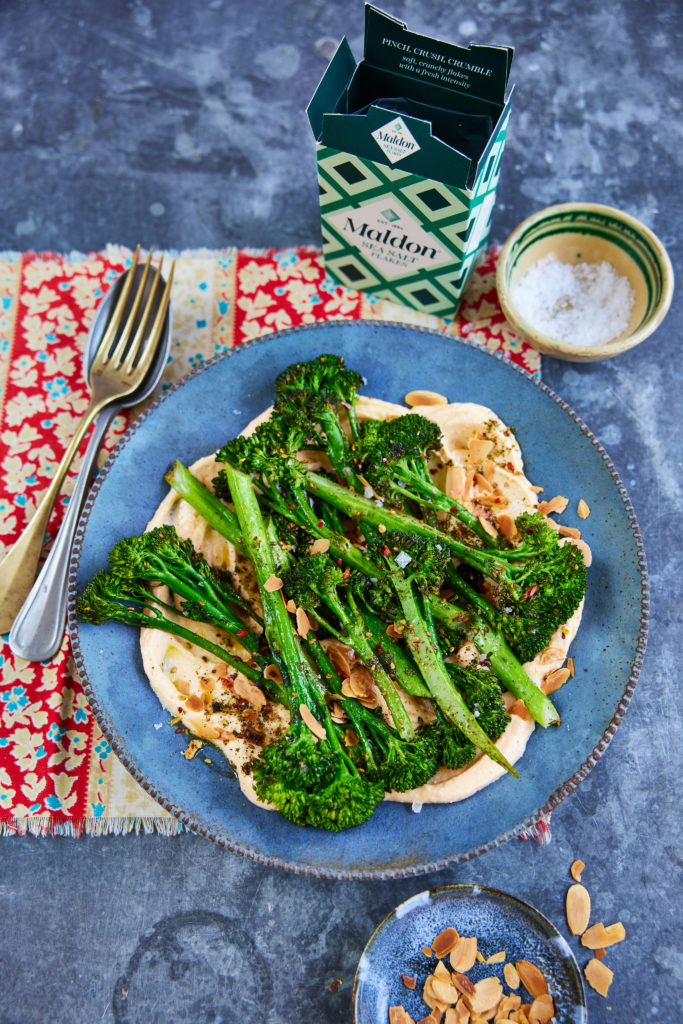
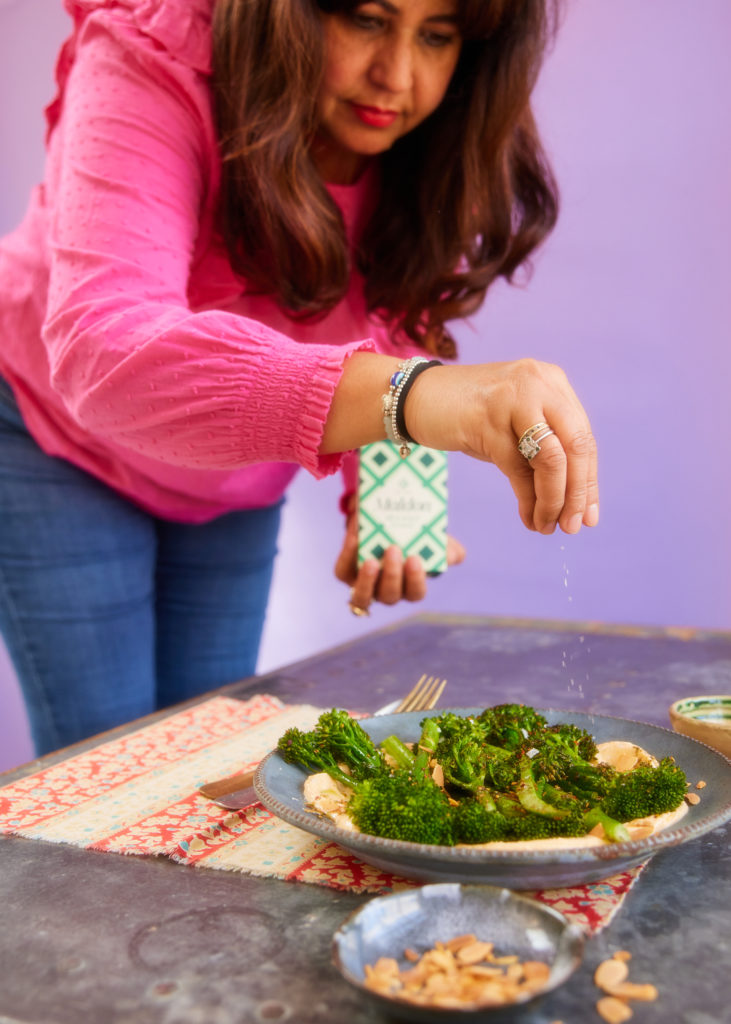
Talk about flavour! This starter of stem broccoli, roasted with zaatar, chilli flakes and Maldon Salt rests on a bed of a rich, creamy feta. Funnily enough, broccoli is actually one of the few vegetables used in Indian cuisine! However, this is what Romy is so well known for, through merging her own West Bengal heritage with British influence to create these delicious dishes. To pair with this, Romy lays the broccoli on a bed of creamy feta, to provide a rich, tangy burst of flavour whilst you tuck into this dish.
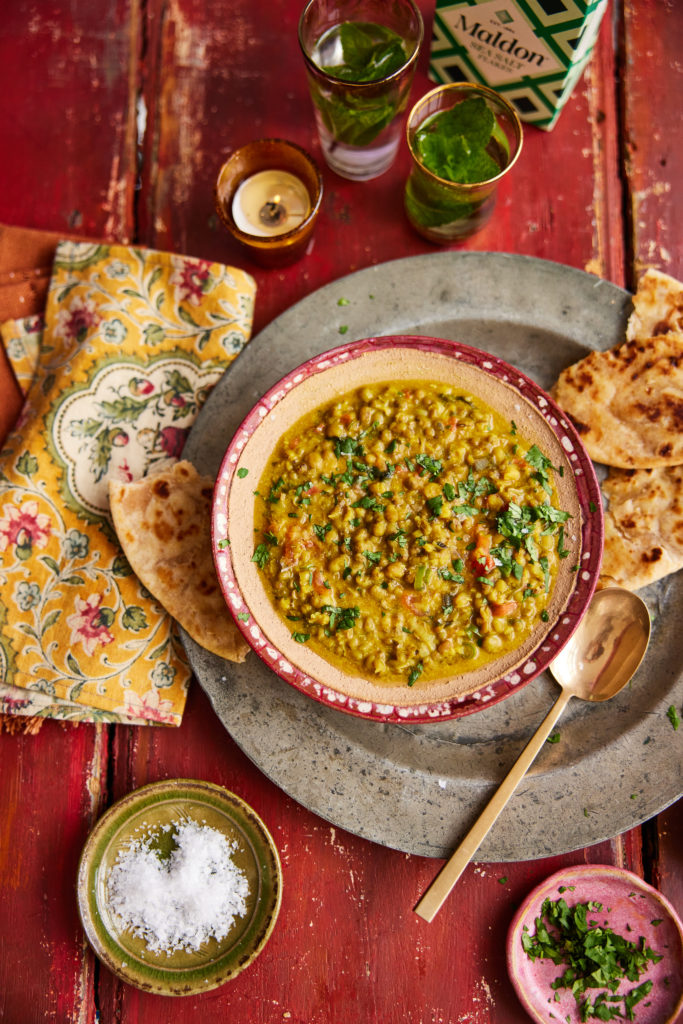
What could be more traditional that Romy’s Moong Bean Dal for Diwali? If you are not entirely sure what ‘Moong Beans’ are, they are whole lentils (with skins on) that are widely used in Asian cooking. Romy notes it’s a good idea to soak them overnight to reduce the cooking time and make the texture more pleasurable to the final dish, whilst also giving a mild bean, nutty taste. Within this recipe she also shows you had to make tadka. This is a heat-based technique used to infuse an abundance of spices, herbs and dash of ghee (oil) to add a burst of flavour to the dish. Best to serve with this dish, Romy notes either pairing flatbreads or rice would go well. Romy’s Lemon Rice, sprinkled with roasted peanuts is a particularly delicious pairing!
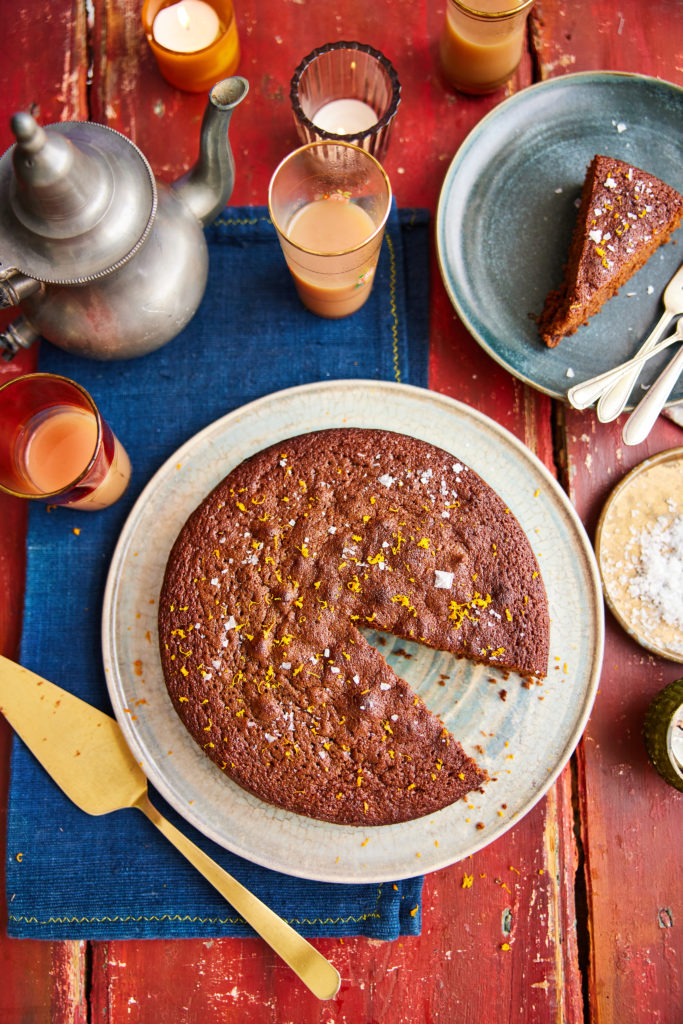
The finale to a Diwali feast fit for a king…the decadent orange and cocoa cake. The appetite for cocoa is on the rise for India, with many replacing mithai (rich, creamy sweet treats) with cocoa for a much more ‘healthier’ alternative. Romy delves into showcasing an iconic flavour pairing of orange and chocolate, where the rich, intense flavour is balance by the fresh, zesty tones of the orange. Both of these flavours have such warming qualities to them and makes a great showstopper to end a feast of delights for this years’ Diwali.
Food for Thought…
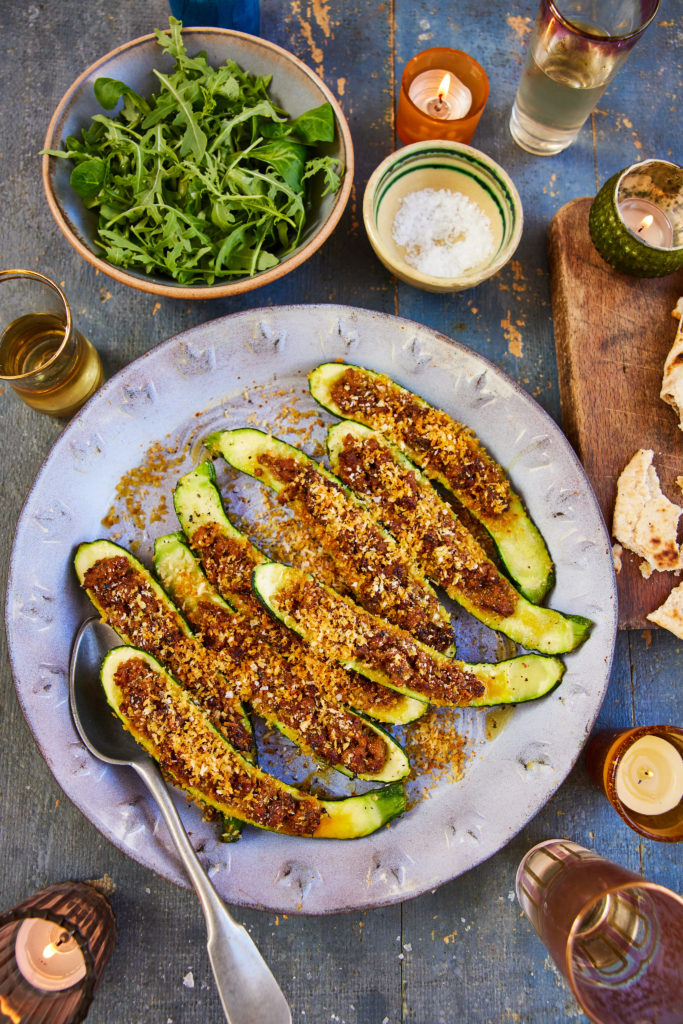
To summarise, this article enlightened us on the significance of Diwali for many around the world. Focusing on the food element of the festival and why treats are most commonly enjoyed, it is clear to see a huge variety of recipes you can try making yourself during the celebration. As mentioned above, feel free to browse through Romy’s recipes she’s worked on with us here at Maldon Salt, including delicious showstoppers such as the Stuffed Courgettes with Lamb Mince.
Please share your creations through #maldonsalt on Instagram, we love seeing the creativity and fun you have when following them. If you are interested in wanting to learn how to cook more recipes with us, head over to our YouTube Channel to become inspired by an abundance culinary creations.
Psstt… don’t forget to read through ourQ&A with Romy as well… it makes an excellent read when you have a cup of tea and a slice of cake by your side!
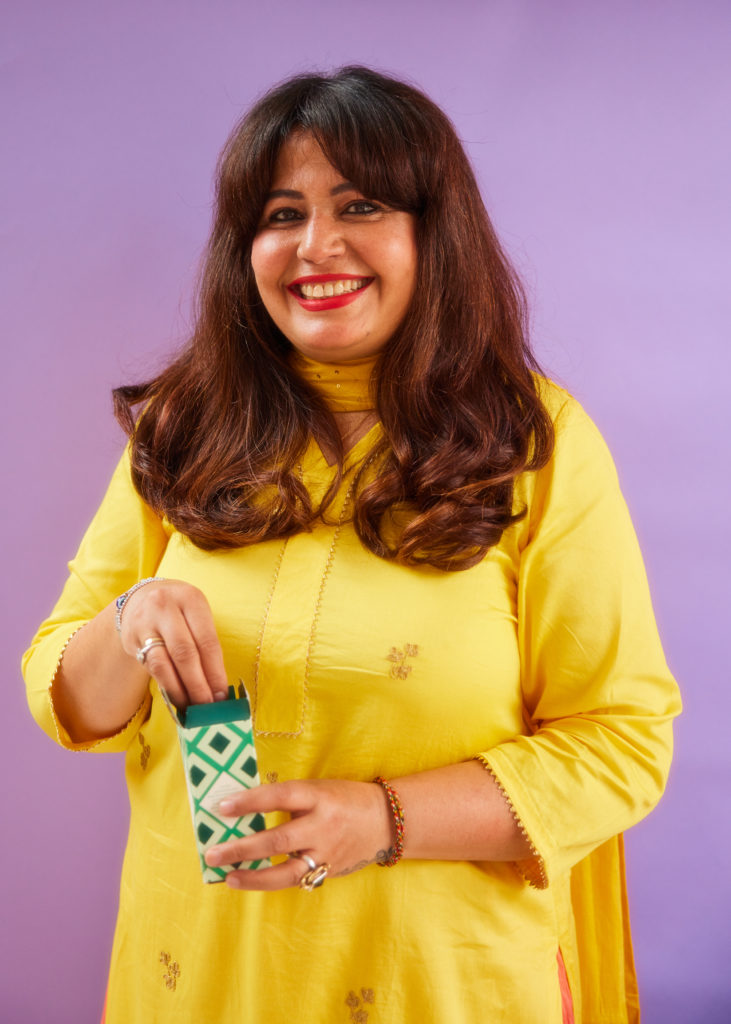
Romy Gill became the first ever female Indian chef and restaurant owner in the UK, renowned for creating dishes inspired by her West Bengali heritage with a nod to British influence.
As we head into celebrating Diwali from the 24th October this year, we gain insight with Romy on why food holds a special place during the festivities and sharing her experiences of being a cook.
We’ve also teamed up with Romy Gill on creating a variety of decadent recipes that she would cook up during Diwali over on our Recipes, Tips and Blogs Page. From delicious savoury dishes such as the traditionalMoong Bean Dal to sweet treats including the tantalizing good Orange and Cocoa Cake…you wouldn’t want to read these on an empty stomach!
We’re celebrating Diwali from 24th October this year, why does the festival hold a special place to you and the food that is associated with it?
Diwali has always held a very special place in my life. As a child, we didn’t have phones and other gadgets we’re used to now, they were a form of entertainment as well as times of religious significance. I also loved Diwali as a child for another reason: making miniature mud houses, known as gharonda, and decorating them. On the eve of Diwali we would make these gharonda with mud bricks, plastering them with mud, and, once dry, we would decorate them with idols of gods and goddesses. The finishing touches would be divyas and khilone: edible sugar sweets crafted into the shape of animals, which were one of the biggest highlights of the festival for us as children.
During Diwali, what is your favourite dish to enjoy?
My mum used to make so many sweet dishes for Diwali. My favourites were jalebi– deep-fried flour-based snacks coated in sugar syrup – and besan burfi, which is essentially a gram flour fudge flavoured with cardamom.
You became the first ever female Indian chef and restaurant owner in the UK, is this something you want to raise more awareness of for upcoming female chefs from different heritage backgrounds?
I wanted to share the food that I grew up eating. If you want anything in your life, never give up, find a way that you will be able to achieve. Supporting your family is very important. One thing I have always said is that if you help someone with whole heart, you’ll feel positive about yourself and that’s better than expecting the help back.. Find a mentor who will help and guide you in hospitality.
Within your cooking you like to combine your heritage with British influence, why so?
As a Punjabi born in West Bengal, I grew up in a family where the emphasis was on education and respecting others – and living in an India that was not divided, we celebrated the festivals of all different religions. Since moving to the UK and opening my restaurant, for me it was always about supporting the local producers and cooking and combining the produce from here. Opening a restaurant and learning from other chefs is very important. I have had such good advice from many chefs and food writers.
What are the top 3 things you can’t live without in the kitchen?
Good knives
A good store cupboard full of ingredients
Maldon Salt!
When taking a break from cooking, what are your favourite things to do?
Ilove running, walking with my friends and reading.
Your current favourite cooking book?
My favourite books at the moment is Notes from Small Kitchen Island by Debora Robertson and Cooking by Jeremy Lee.
What is one piece of advice would you give to someone learning to cook?
Cooking is all about learning. Learning about food from different cultures is a way of connecting with others. Food has the power of sharing. Understand the spices what each does to the food, mind and body.
Still Want to Learn More About Diwali?
Browse around our blog to understand what Diwali is, from the reason behind the ‘Festival of Lights’ and the food that is typically enjoyed and loved by many around the world.
We love seeing your creations as well here at Maldon Salt! Don’t forget to tag us in your culinary concoctions using the hashtag #maldonsalt on Instagram.
Wishing you an abundance of joy, health and happiness this Diwali, from the Maldon Salt Team.
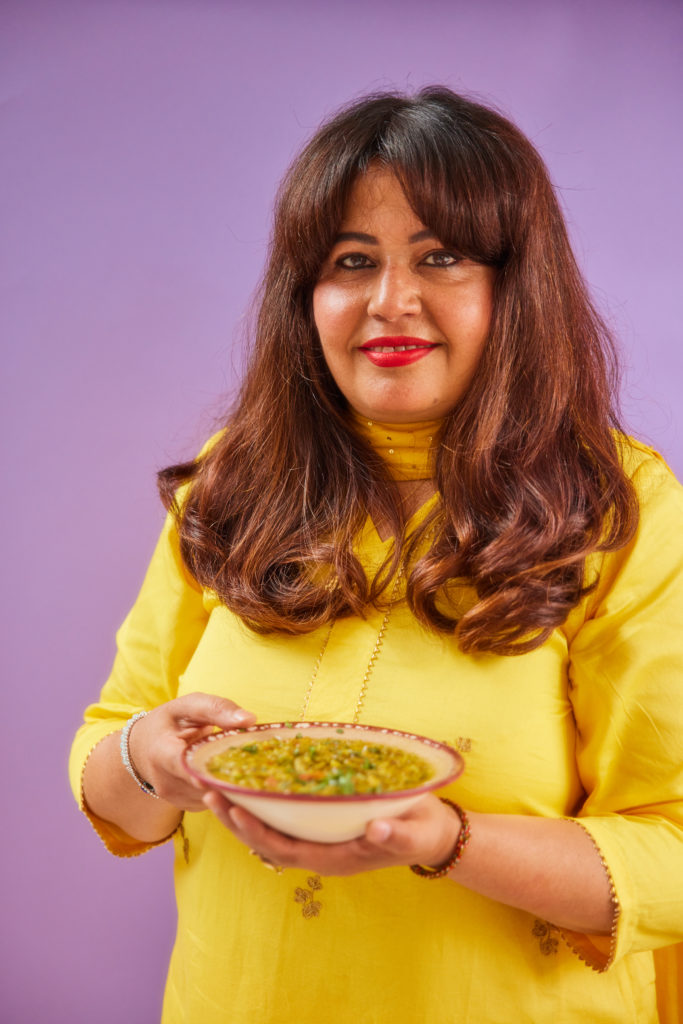
Romy Gill creates the delicious Moong Bean Dal ahead of the Diwali festivities. Moong Bean Dal is a highly popular vegetarian dish and contains a bundle of nutrients and high protein.
Did you know the that Moong dal is the split version of the whole mung bean? When melting away in the pot whilst cooking, the bean retains a gentle softness and gives a whole vegetal and beany taste towards to the dish. Romy enhances this further through the use of adding tadka, where ground spices are heated in ghee and then mixed together with the Moong Beans.
Soak the lentils for couple of hours or overnight. Wash and drain the water from the soaked lentils.
Add the lentils to a medium-sized saucepan with Maldon Salt, turmeric and water.
Cook the lentils until soft for about 40 minutes on medium heat and occasionally stir.
While the lentils are cooking, we make the tadka. Heat the ghee in a frying pan, once the ghee has melted, add chopped spring onions and cook for 1 minute.
Add the grated ginger, chopped green chillies and cook for 3 minutes. Add the chopped tomato and chopped coriander into the pan and cook for another 4 minutes.
Lowering the heat, add yogurt and garam masala, combining well together. Add the tadka to the moong dal. Add the rest of the water to the pan.
Whilst mixing slowly together, cook on low heat for about 5 minutes.
Leave to rest before eating with any flat bread or rice.
Stem Broccoli is packed with nutrients and infused with the flavours of sweet and earthy goodness. Romy Gill shows how roasting this vegetable actually enhances the flavours, whilst also adding a crisp-tender texture to the dish. The broccoli is laid on a bed of creamy feta, which brings a briny, tangy flavour to the dish.
The feta is easily creamed due to the cheese being made from sheep and Goat’s milk, which is much more softer than normal cheeses.
Preheat oven at 170C.
On a baking tray, add the stem broccoli and remaining ingredients, mixing them well together. Roast for 8-10 minutes.
For the creamy feta, crumble the feta in a food processor, adding in the ingredients until a fine paste is made.
Serve by spreading the feta on a large plate, and then place the roasted broccoli on top. Sprinkle with toasted almond flakes and a final generous pinch of Maldon Salt to elevate the flavours.
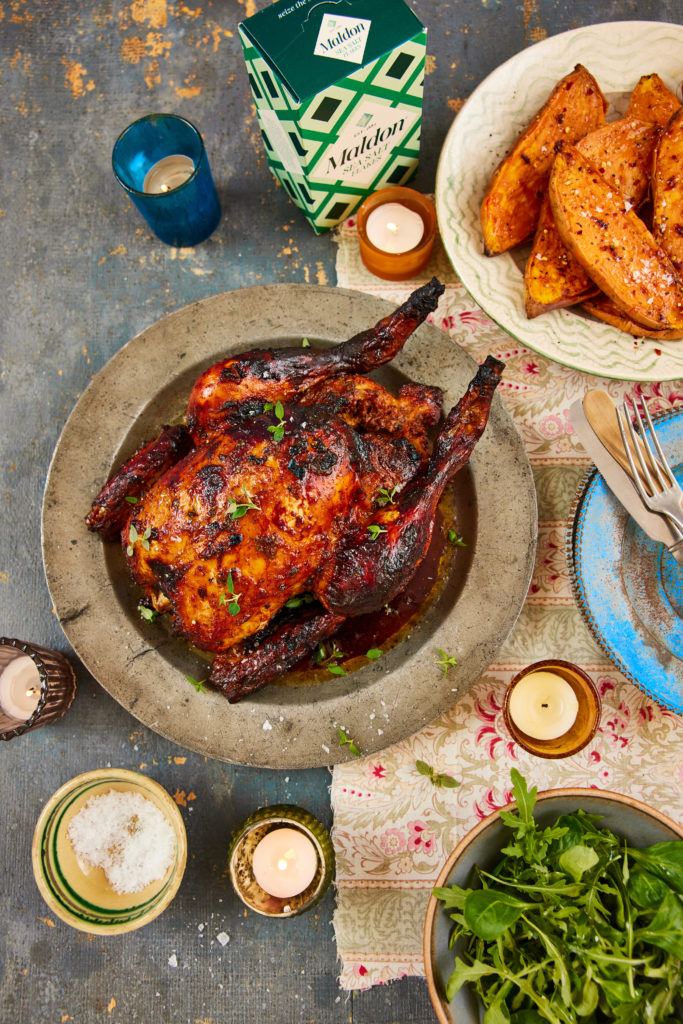
Join Romy Gill in creating these delicious roasted sweet potatoes, perfect to accompany her Hot and Spicy Whole Roasted Chicken.
Sweet potatoes are a great addition to a roasted chicken due to the sweet, earthy and nutty flavour that the wholesome root vegetable gives, elevating the spiciness of the chicken that Romy infuses. With a generous pinch of Maldon Salt, chilli flakes and garlic the seasonings will burst in flavour for the dish.
Preheat oven at 180C.
While the oven is getting hot, marinate the potatoes with Maldon Salt, pepper, chilli flakes, garlic granules and a good glug of olive oil.
Layer them on the baking tray and bake 40 minutes.
Serve with the whole roasted chicken.
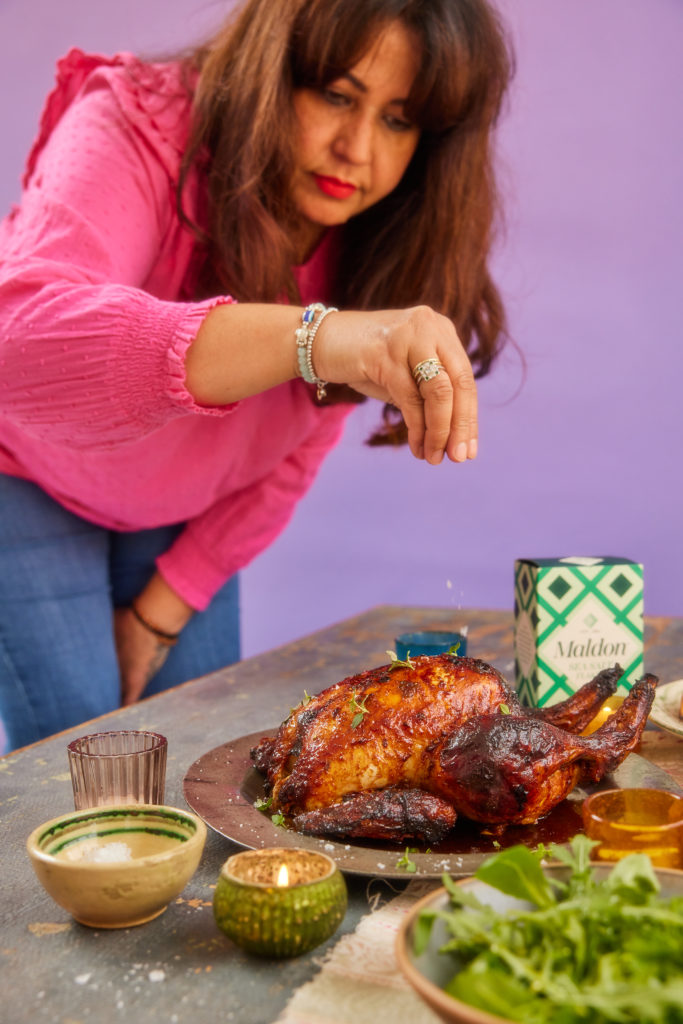
The taste of a simple roast chicken can be very neutral and bland at times. Romy Gill has elevated this classic dish with the warming spices of tandoori masala and chilli powder to give a real kick of flavour to the chicken.
To pair with the spicy chicken, Romy also serves sweet potatoes, roasted whole to give a gentle sweetness to the dish with a hearty salad to go with it.You can find the recipe for the sweet potatoes here.
In bowl add tandoori masala; chilli powder, Greek yogurt, grated garlic cloves, honey, thyme stems, half the juice of a lemon, oil and Maldon Salt, whisking it together. Then apply the paste to the whole chicken evenly, leaving it in the fridge to marinate for at least 2 hours before roasting.
After 2 hours, take the marinated chicken out and leave it to rest under room temperature whilst the oven is getting hot. Preheat the oven at 180C.
Place the chicken on a baking tray and cover the chicken with a foil, making sure to seal the tray with the foil on all the sides properly.
Put the chicken in the oven and cook for 1 hour, 30 minutes. Leave to rest for 10 minutes before eating.
Serve with roasted sweet potatoes and a leafy salad.
Romy Gill showcases how to create the decadent orange and cocoa cake, a definite show stopper to finish a feast for any occasion! Orange and cocoa are an ‘match-made-in-heaven’ pairing – the cocoa is rich and indulgent, with the fresh, zesty tones of the orange. Bundled together, this creates a pudding that is full of flavours.
Why add peanut butter to the cake mix? Adding a generous spoonful to your mixture actually elevates the flavour into giving a warming, nuttier taste to the cake mixture. Also, this creates the cake to be a little more dense in texture, creating a rich cake to be enjoyed by many!
Preheat the oven to 170C.
Prepare a 20cm baking sheet, spread a little bit of butter inside the tin’s edges, and then place the baking sheet inside the tin. Keep aside.
In a bowl add sugar, melted butter and whisk. Then crack the eggs, and add the buttermilk slowly in. Beat the mixture all together.
Sift the flour, baking powder, cocoa powder, ½ tsp Maldon Salt, peanut butter, juice of the oranges, 1/2tsp orange zest, and then combine properly.
Spoon the mixture into the prepared tin, spread evenly.
Bake the cake for 25 minutes until it is well risen.
Remove from the oven, leaving the cake in the tin until cool.
Carefully turn the cake of on to the wire rack and peel off the baking sheet.
To finish, sprinkle Maldon Salt and orange zest on top.